California Title 19 Fire Safety Guide for Buildings

Understanding California Title 19 Fire Safety Requirements for Commercial Buildings
Let’s take a walk through fire. Not literally, of course—unless you’re auditioning for an action film. But when it comes to managing commercial properties in California, walking through the rules of California Title 19 Fire Safety Standards is no less important. These laws aren’t just ink on paper—they’re the flame-resistant thread woven through every safe and compliant building in the Golden State.
Now, here’s where it gets interesting (yes, we said “interesting”): Title 19 is like the wise old wizard of fire codes. It covers a wide landscape of requirements around inspection, maintenance, and testing of fire protection systems. And before your head spins faster than a smoke alarm on chili cook-off day, breathe easy. The fire protection technicians at Kord Fire are the real-life Gandalfs guiding building owners and property managers through it all—with fewer beards, but plenty of wisdom.

Why You Can’t Ignore California Title 19
Think of Title 19 as the law that keeps buildings from becoming unplanned bonfires. It’s not just a suggestion; it’s a legal mandate. Created by the State Fire Marshal, these standards ensure fire safety systems are up to code, working as expected, and legally documented. If commercial buildings fail to meet these regulations, they may get hit with fines, liability in case of a fire, or worse—an appearance in tomorrow’s news with a headline that starts with, “Building Ignites Due to…” Not good, right?
So what does Title 19 include?
- Scheduled inspections for alarms, sprinklers, extinguishers, and hydrants
- Annual, quarterly, and 5-year maintenance requirements
- A clear paper trail of all service records (because if it’s not documented, it didn’t happen)
- Licensing requirements for anyone touching fire protection equipment
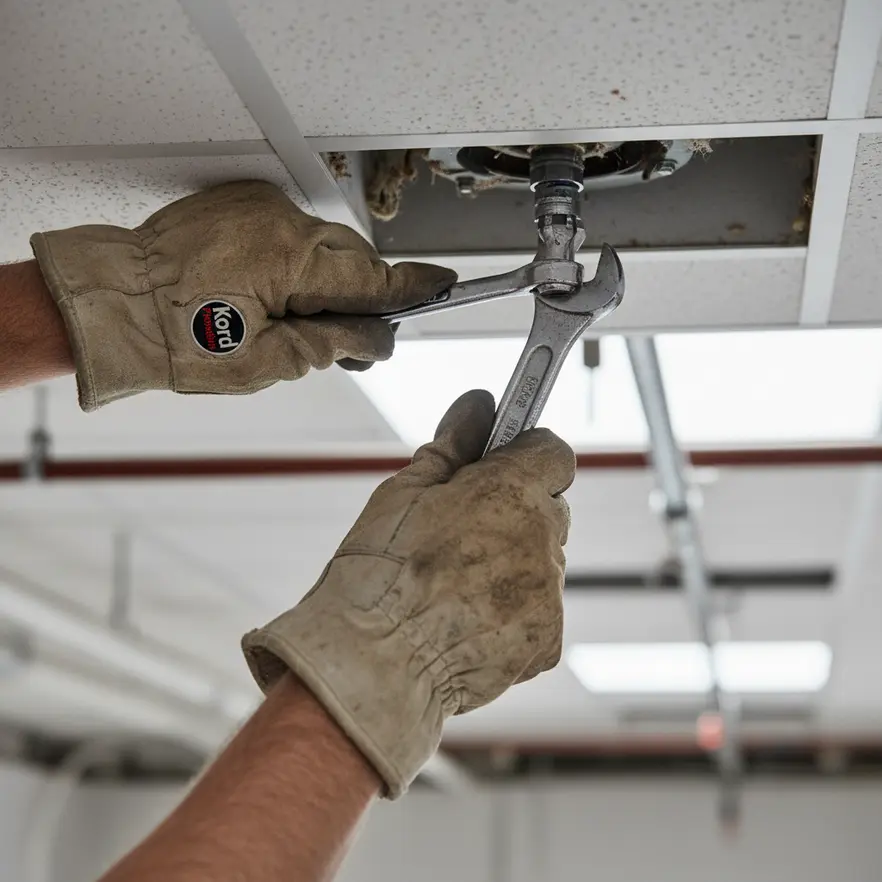
Of course, this is where Kord Fire Protection technicians roll up their sleeves. (Yes, sometimes literally.)
What Kord Fire Technicians Want You to Know About Compliance
According to the team at Kord, most confusion around California Title 19 Fire Safety Standards comes down to one thing: frequency. Not radio frequency—we’re talking about inspection schedules. Let’s break it down like a late-night pizza order:
Inspection Frequency
- Monthly: Fire extinguisher visual checks
- Quarterly: Sprinkler and alarm system testing
- Annually: Comprehensive system inspections
Maintenance & Testing
- 5-Year: Internal sprinkler checks and hydrostatic testing
- As Needed: Equipment repair and part replacement
Now, why is all this necessary? Well, imagine depending on a smoke detector that hasn’t worked since your building still had dial-up internet. Exactly.

Let’s Talk About Inspections: Not Just a One-Time Deal
Here’s a fun fact: a one-time inspection is like brushing your teeth only on your birthday. Impressive? Maybe. Effective? Absolutely not.
Under California Title 19, fire inspections aren’t just a box to check. They’re ongoing rituals of protection—ensuring that every system, from sprinklers to smoke alarms, stands ready like a loyal knight in flame-resistant armor.
Kord Fire technicians make these inspections educational rather than nerve-racking. They take the time to show commercial property managers what’s working and what isn’t. It’s like a TED Talk, but for valves and panels.
Documentation May Not Be Sexy, But It Could Save Your Assets
It’s tempting to toss that maintenance report in a drawer and forget about it. But if the Fire Marshal shows up asking for proof that your standpipes were inspected last July, you’ll wish you’d listened to Kord’s advice: file it, store it, back it up, and maybe even laminate it for maximum adulting.
Title 19 requires detailed service tags, logs, and inspection certificates. And no, a sticky note that says, “Jeff checked it” won’t cut it. The paperwork must be specific, traceable, and handled by licensed professionals.
Kord’s team makes this part less painful by keeping detailed records digitally, so nothing gets lost in the shuffle of coffee cups and old blueprints.
Title 19 vs. Title 24: Don’t Mix Them Up at the Holiday Party
Confession time: even seasoned property managers sometimes mix up California Title 19 with Title 24. Imagine walking into a Marvel movie expecting Batman—wrong universe.
Let’s clear the fog:
- Title 19: Focuses on fire system performance and regular inspection
- Title 24: Covers building design standards (including fire safety features)
So while Title 24 makes sure your exit signs glow in the dark like a rave from 1996, Title 19 ensures those signs are inspected and functioning next year, too.
Penalties for Non-Compliance: The Drama You Don’t Want
Ignoring California Title 19 isn’t just a risky move—it’s the Real Housewives of Regret. Violations can result in:
- Hefty fines from the local fire authority
- Insurance claims denied due to lack of system maintenance
- Legal liabilities in the event of injury or death
On top of those, you might even face business shutdowns until the issues are resolved. So unless you’re trying to turn your office lobby into a waiting room of chaos, it’s wise to get serious about compliance. Again, call in the Kord crew. They don’t play with fire—unless they’re extinguishing it.
The Role of Building Owners & Managers Is Bigger Than a Job Title
Underneath the job title of “Building Manager” lies a secret superhero cape. You hold responsibility for scheduling maintenance, coordinating with fire protection companies, and ensuring that every system meets the standards outlined by Title 19.
In other words, it’s not just about fixing flickering lights or asking Fred from accounting to stop microwaving fish. It’s about holding the safety of people and property in your hands every day.
Fortunately, Kord Fire offers a “no-excuse” compliance strategy—custom inspection schedules, alerts, and even educational walk-throughs that give managers the knowledge to shine (without the heat).
Don’t Be Fooled by “It’s Working Fine”
Yes, the system looks fine. Yes, the alarms probably still chirp. But Title 19 isn’t about appearances—it’s about consistent, certified operation at the moment it matters most.
This is exactly why the technicians at Kord Fire push for more than a visual once-over. They test response times, verify detection zones, and replace aging parts before they fail. As one tech put it with perfect timing, “Your fire panel isn’t a wine—it doesn’t get better with age.”
How to Pass Your Next Inspection Without Pop Quizzes or Panic Attacks
Truth: fire inspections can feel like surprise school tests with potential courtroom drama. But don’t worry—Kord Fire technicians help their commercial clients prepare with the kind of precision that would make even the DMV proud.
Here’s the simple plan:
- Schedule recurring inspections based on your building’s systems
- Fix issues immediately—procrastination will cost you
- Digitally store all compliance records (Kord can help with this)
- Educate staff on basic fire safety protocols—they’re your first line of defense
And yes, Kord will even talk to your local fire marshal if they show up with more questions than an FBI agent in a crime show.
FAQ: California Title 19 Fire Safety Standards
What is California Title 19?
It’s a set of fire safety regulations enforced by the State Fire Marshal outlining system inspection, testing, maintenance, and documentation required of commercial buildings.
Who enforces California Title 19?
Your local fire department and the California Office of the State Fire Marshal.
How often should commercial fire systems be inspected?
Monthly, quarterly, annually, and every five years depending on the system type.
What happens if I don’t comply with Title 19?
You could face fines, liability, possible business closures, and insurance claim denials.
Does Kord Fire handle Title 19 compliance?
Yes, they manage inspections, documentation, and provide expert guidance for full compliance.
Can I perform inspections myself?
No, only certified technicians or licensed fire protection companies may complete Title 19 inspections.
Is Title 19 just about fire extinguishers?
No, it covers alarms, sprinklers, hydrants, standpipes, emergency lighting, and more.
Conclusion: Time to Make the Call That Protects it All
The rules behind California Title 19 Fire Safety Standards aren’t just about ticking boxes. They’re a living commitment to protection, prevention, and peace of mind. With Kord Fire’s team of licensed experts by your side, staying compliant feels less like a chore and more like a smart insurance policy on sanity, safety, and yes—property value.
Don’t wait for a red light and sirens to pay attention. Let Kord Fire handle the heat, so you don’t have to.
Know Your Weapon Before You Fight the Flame
Kord Fire Protection is your go-to when it comes to all things fire protection. For over 20 years, we’ve been serving Southern California with the quality service and equipment to keep your home or business safe at all times. Our competitive prices reflect our unwavering commitment to protecting what matters most in the event of a fire emergency. Give us a call, send an email, or use that form!

Join Our Newsletter!
Get the latest fire safety tips delivered straight to your inbox From our Newsletter.