
Artesia Fire Suppression Systems for Kitchens
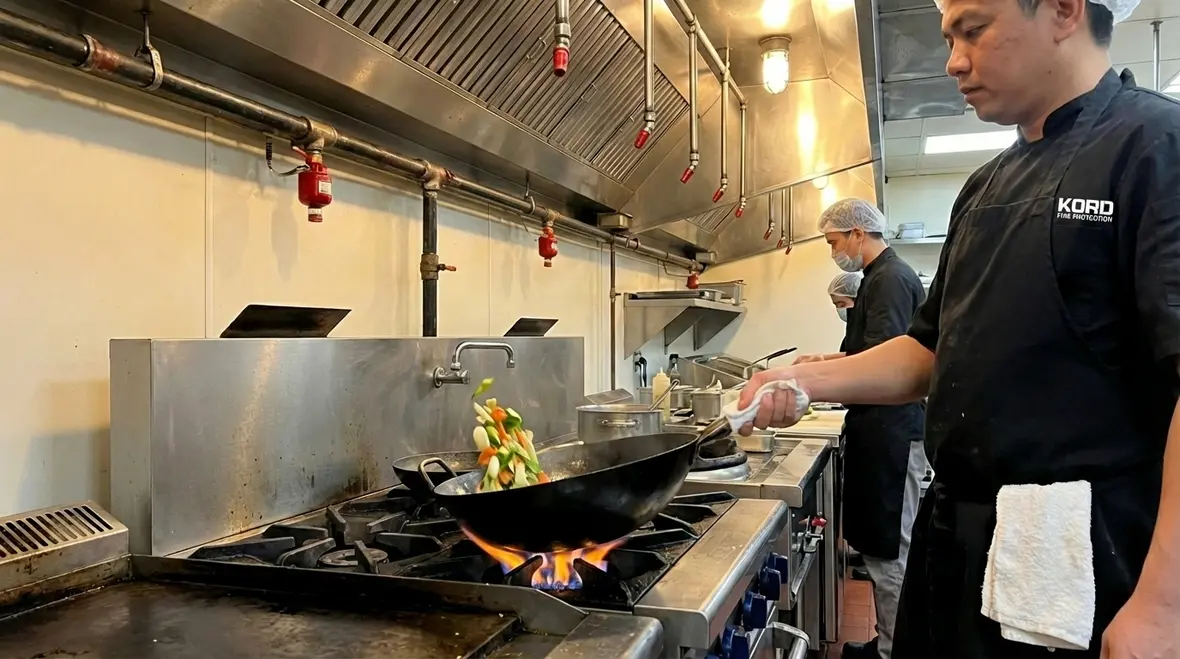
In the heart of every busy restaurant, there is a rhythm. Flames rise. Pans sizzle. Orders fly across the pass like dialogue from a fast paced courtroom drama. Yet behind that rhythm stands a silent guardian. Our Artesia fire suppression systems protect commercial kitchens where heat, grease, and pressure meet every single day. In a city where food is serious business, safety must be even more serious. That is why restaurant owners turn to trained professionals, including the seasoned Kord Fire Protection technicians, who explain each component with the calm authority of someone who has seen what happens when preparation meets disaster and when it does not.
This article explores how modern kitchen fire protection works, why it matters, and how commercial kitchens in Artesia can stay compliant, protected, and confidently open for business.
The Unique Fire Risks Inside Commercial Kitchens
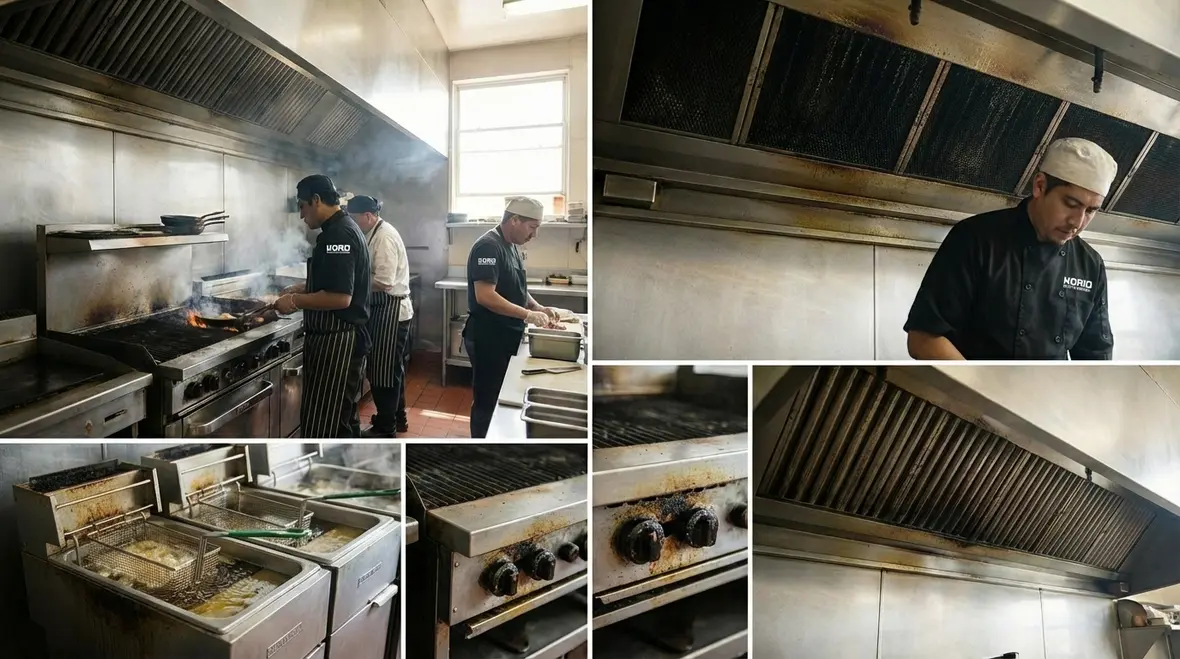
A commercial kitchen is not a home kitchen with better lighting. It is a high heat production zone. Deep fryers operate at temperatures well above 300 degrees. Grills produce open flames. Vent hoods collect grease that builds up over time. Therefore, the risk of ignition increases with every shift.
Grease fires behave differently from other fires. Water will not put them out. In fact, water can spread the flames in dramatic fashion. Anyone who has seen a viral cooking fail video knows that moment of regret. In a commercial setting, that mistake costs more than pride. It can cost livelihoods.
Moreover, tight spaces and fast paced operations mean that staff may not notice a small flame until it grows. Because of this, automatic fire suppression becomes critical. It reacts instantly, even when employees are focused on a dinner rush that feels like the season finale of a cooking competition.
Kord Fire Protection technicians often explain that most kitchen fires start in predictable places. Fryers, ranges, and hood systems rank at the top. Consequently, effective protection targets those exact zones with precision.
How Artesia Fire Suppression Systems Protect Cooking Equipment
Modern Artesia fire suppression systems do more than spray chemicals and hope for the best. They are engineered to detect heat spikes and respond in seconds. First, a network of detection links or sensors monitors temperature. When extreme heat triggers the system, it releases a specialized wet chemical agent directly over cooking appliances.
This agent works in two ways. It cools the fire. Then, it creates a foam blanket that seals off oxygen. As a result, the flames die down quickly and are less likely to reignite. That two step process is essential in grease heavy environments.
Additionally, these systems connect to gas and electrical shut offs. When activated, they cut the fuel supply automatically. So even if a burner was left on, it no longer feeds the flames. Kord Fire Protection technicians often walk restaurant managers through this sequence step by step. They explain it in plain terms, removing the mystery and replacing it with confidence.
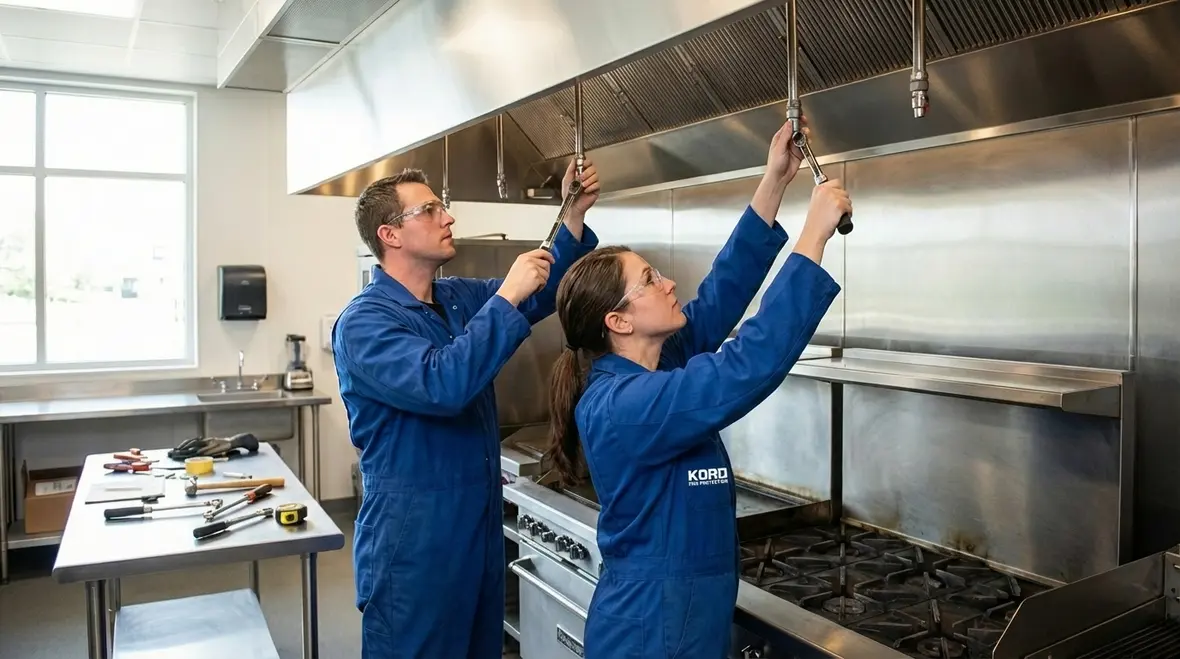
Furthermore, nozzles are strategically placed inside hoods and ductwork. Since grease can travel upward, protection must follow the same path. A system that only covers the stovetop leaves the duct as a hidden danger. Properly installed suppression leaves no such gaps.
What Should a Restaurant Owner in Artesia Ask About Fire Suppression?
This is the one question that deserves to be asked out loud. What exactly should an owner look for?
First, they should ask whether the system meets local fire codes. Artesia enforces clear standards for commercial kitchens. Therefore, compliance is not optional. It is the baseline.
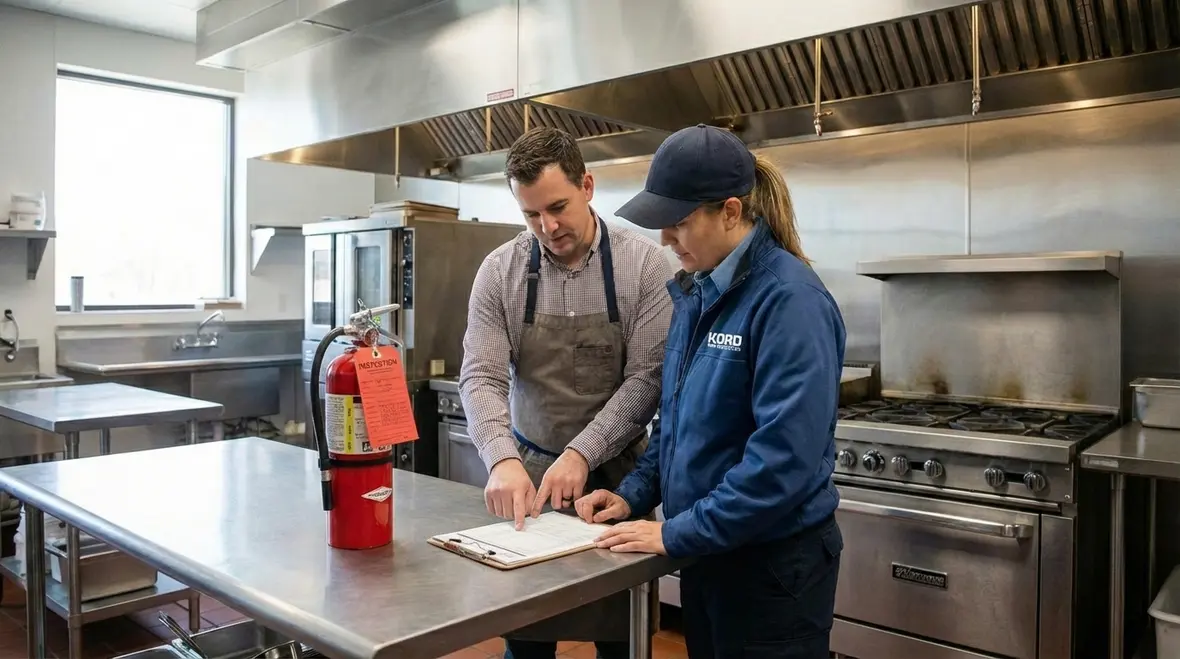
Second, they should ask about inspection schedules. Fire suppression equipment requires routine checks, typically every six months. During these visits, technicians test components, inspect nozzles, verify pressure levels, and ensure nothing is blocked by grease buildup.
Third, they should ask who will service the system. Kord Fire Protection technicians are known for taking the time to explain findings. Instead of tossing around jargon, they translate technical details into everyday language. They show kitchen staff where the pull station is located and how manual activation works. In short, they treat education as part of protection.
Finally, owners should ask about documentation. Inspection tags and service reports matter during health and fire inspections. Having clear records can mean the difference between a smooth visit and an awkward conversation with an inspector who is not in the mood for excuses.
For restaurant operators comparing options or expanding to nearby cities, resources like Anaheim restaurant kitchen fire suppression standards and broader commercial kitchen fire suppression systems explained articles can provide additional context about how code expectations align across Southern California.
Installation Process and What to Expect
Installing a kitchen suppression system is not a plug and play project. It begins with a site evaluation. Technicians measure cooking appliances, review hood dimensions, and identify duct routes. Because every kitchen layout differs, each system must match the equipment it protects.
Next, they design a nozzle placement plan. Coverage must overlap slightly to ensure full protection. Too little overlap creates blind spots. Too much can waste agent and reduce efficiency. Therefore, balance is key.
Once installed, the system undergoes testing. Technicians simulate activation procedures and verify shut off connections. Kord Fire Protection technicians often invite managers to observe this process. Seeing the system operate, even in test mode, reassures owners that the protection is real and responsive.
After installation, staff training follows. Employees learn how to recognize activation, how to evacuate safely, and how to contact emergency services. Because even the best equipment works best when people know what to expect, training closes the loop.
Maintenance and Compliance for Artesia Fire Suppression Systems
Protection does not end after installation. In fact, maintenance keeps the system reliable year after year. Grease accumulates. Kitchen layouts change. Equipment gets replaced. Consequently, regular inspections ensure that the suppression system keeps up with those changes.
During a routine service visit, technicians perform several tasks:
- Check detection lines for damage or tension issues
- Inspect nozzles for grease blockage
- Verify cylinder pressure to confirm proper discharge levels
- Test manual pull stations for smooth operation
- Review shut off connections for gas and electric lines
Additionally, they confirm that appliance placement still matches the original design. If a restaurant adds a new fryer but does not update the system, coverage gaps may appear. That is why communication between kitchen managers and fire protection providers remains essential.
Artesia fire suppression systems must also align with national standards such as those set by the National Fire Protection Association. Compliance protects not only the building but also the business from liability concerns.
Many owners also choose to align their hood systems with UL 300 restaurant fire suppression standards to ensure that their wet chemical agents and appliance coverage meet modern expectations for grease heavy cooking operations.
Key Components at a Glance
| Component | Purpose in the System |
| Detection Mechanism | Identifies dangerous heat levels and triggers activation |
| Agent Cylinder | Stores wet chemical agent under pressure |
| Nozzles | Distribute agent over appliances and inside hoods |
| Control Head | Releases agent and activates fuel shut offs |
| Manual Pull Station | Allows staff to trigger system by hand if needed |
Each component plays a defined role. Remove one, and the chain weakens. Together, they form a coordinated response system designed specifically for commercial cooking environments.
Why Professional Guidance Makes the Difference
Some restaurant owners assume that once a system is installed, they can forget about it. However, fire protection does not thrive on neglect. It thrives on attention.
Kord Fire Protection technicians approach each kitchen as a living workspace. They observe how staff move. They notice where grease tends to collect. Then, they tailor recommendations accordingly. Because they work regularly with Artesia businesses, they understand local inspection expectations and common compliance pitfalls.
Moreover, they emphasize clarity. When explaining how a system works, they avoid overwhelming technical talk. Instead, they break down each step in a calm, steady manner. It feels less like a lecture and more like a guided tour through the anatomy of safety.
That approach builds trust. And in a field where reliability matters more than flash, trust is everything.



