
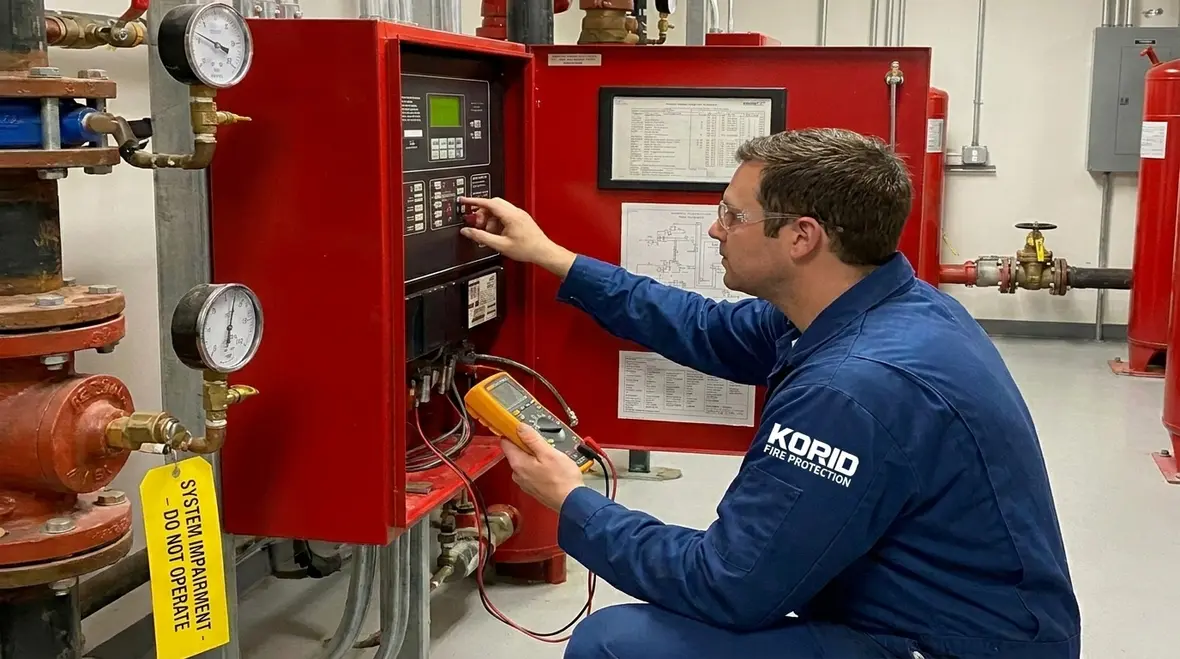
Fire Suppression System Impairments: What to Do Next
Fire suppression system impairments are the quiet problems owners hope they never have to explain to an insurance adjuster. Yet when a fire suppression impairment shows up, alarms may fail, response times can slow, and the system that should protect life and property starts working like it is on vacation. In this guide, third person clarity and straightforward steps will help owners understand what impairments mean, how they get found, and what actions keep the system dependable. And if the process feels overwhelming, Kord Fire Protection can step in as a vital partner, because managing these issues should not feel like defusing a bomb made of paperwork.
What owners should understand about fire suppression impairment reports
When a fire system impairment occurs, something prevents the system from performing at the level required. In plain terms, the system may still exist, but it may not be able to deliver the agent or operate the way the design intends. Therefore, the key is to treat the impairment report as a real operational risk, not a minor “admin note.”
Next, owners should know that impairments come from several sources. Sometimes components fail. Other times they get taken out of service for maintenance, upgrades, or repairs. In still other cases, the system sits in an abnormal state because of wiring issues, control module faults, or sensor problems. And yes, this can happen even when teams try their best. Humans do a lot of work, and fire systems do not care if a person had a long week.
Importantly, most codes and inspection standards expect the impaired condition to be handled quickly, documented, and resolved with approved procedures. As a result, the owner’s job involves more than reacting after the fact. It involves building a clear path for how impairments are tracked, assessed, and fixed. For readers who want a broader process view, Kord Fire Protection also covers related planning in its Fire Protection Impairment Management Guide.
Why these reports matter more than they look
Owners sometimes see an impairment note and assume it belongs in the pile labeled “deal with later.” That is exactly how small problems get promoted into expensive ones. A suppressed hazard that cannot fully suppress, a panel that cannot confirm readiness, or a valve condition that sits unresolved too long can turn an ordinary maintenance item into a liability problem. The report is not there to create drama. The report is there because the system is telling everyone, as politely as equipment can, that something important is off.
Common impairment causes by system type and environment
Different suppression systems fail in different ways, so owners should match the symptoms to the likely cause. For example, water based systems can show impairment when valves stick, pressure drops, or fire pumps run outside acceptable ranges. Dry pipe systems can face issues when air pressure readings drift or when gauges show a mismatch with the expected setpoint. Wet chemical systems, often used in kitchens, may suffer from blocked lines, failed solenoid operation, or corrosion in key parts.
Meanwhile, clean agent systems and gas suppression systems face impairment risks tied to cylinders, distribution piping, or release panels. If the control panel cannot confirm readiness, or if a device module reports fault, the system may not discharge when needed. Additionally, outdated panels or poorly documented changes can create confusion, leading to delays during troubleshooting.
Then there is the environment. Moisture, dust, vibration, and frequent tenant turnarounds can all affect reliability. Therefore, owners who manage multiple sites should treat impairment data as part of a larger risk picture. They should ask, “Is this a one off issue, or does it repeat across buildings?” That question usually saves money, time, and the kind of stress that shows up in sleep quality.
Patterns owners should not ignore
The recurring issue is usually the loudest clue. If one location keeps producing the same trouble signal, if a certain device family seems allergic to normal behavior, or if post tenant-improvement calls spike every quarter, that pattern deserves attention. A single event may be random. A repeat event is information. Owners who treat repeated impairments as data instead of bad luck usually gain better budgeting accuracy, faster repairs, and fewer emergency calls at the least convenient hour possible, which is apparently every emergency call’s favorite hour.
How impairments get detected during inspections and monitoring
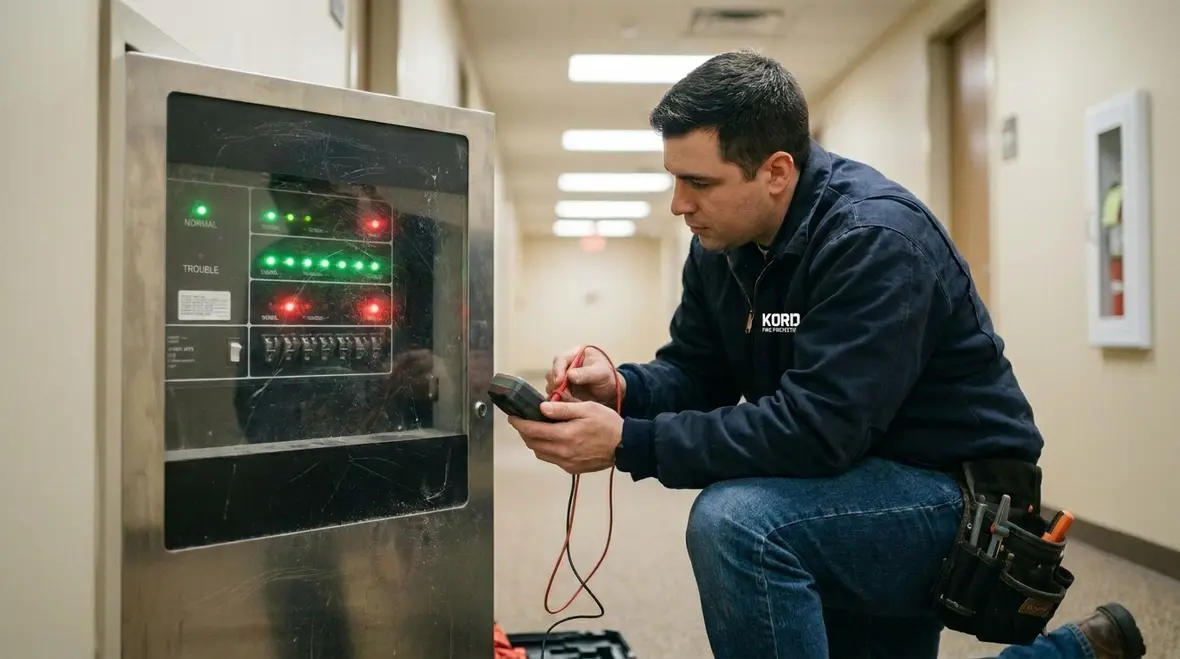
Fire systems typically reveal issues through a mix of planned inspections, testing, and monitoring. During inspections, technicians review logs, verify device status, check indicator panels, and observe physical conditions. During functional testing, they confirm that supervisory signals and trouble indications behave properly. Meanwhile, monitoring platforms can flag faults in real time when wiring, sensors, or controllers report abnormal states.
However, detection does not always mean understanding. Some impairments appear due to a simple condition such as a tamper switch or a valve position mismatch. Other impairments reflect deeper problems like degraded actuator performance or partial blockages that only show during flow or discharge checks.
Furthermore, owners should ensure the inspection process includes clear next steps. Therefore, a good impairment workflow includes a written finding, a risk note, the urgency level, and the repair path. When documentation is vague, teams often spend more time arguing about what the system “meant” rather than fixing it. Kord Fire Protection helps owners avoid that trap by organizing findings into action steps that can guide repairs, scheduling, and compliance responses.
What a solid workflow should include
A solid workflow is boring in the best possible way. It identifies the issue, records where it happened, shows who was notified, assigns urgency, schedules correction, and confirms restoration. That sequence prevents the classic building-operations mystery where three people thought someone else had it covered. If the goal is dependable protection, the workflow cannot rely on crossed fingers, vague email threads, or the powerful but unreliable phrase “I thought that got handled.”
Owner responsibilities that reduce risk and downtime
Owners influence impairment outcomes more than they may realize. First, they should set expectations with maintenance teams and contractors about how they handle impairments. That includes response timelines, escalation rules, and what “temporary” conditions require approval. Next, owners should ensure access is available when technicians need to work, because an impairment that cannot be repaired on schedule becomes a recurring operational drag.
Additionally, owners should control changes. If a contractor upgrades electrical panels, modifies ceilings, or installs new equipment, that work can disturb suppression piping, detection pathways, or valve enclosures. Therefore, owners should enforce change documentation and route it to the right people before work begins.
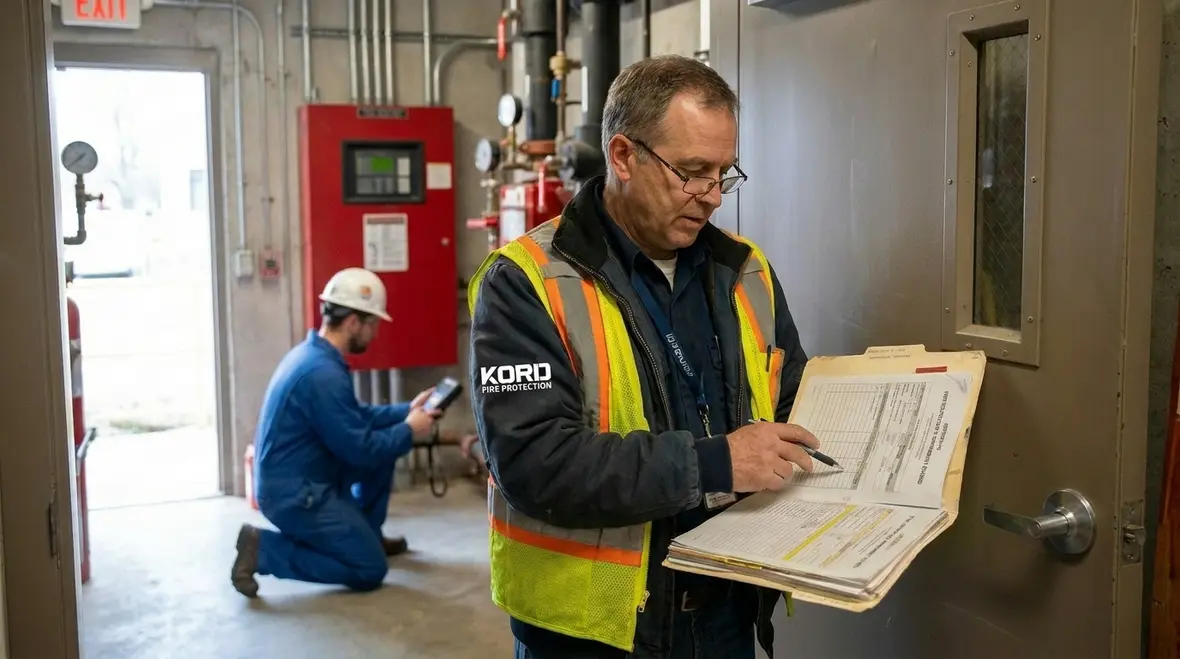
Lastly, owners should watch the paperwork. Inspection reports, test records, and impairment logs should align with each other. If they do not, confusion grows. And confusion, as any office sitcom can tell you, turns into a comedy episode nobody wants to be in.
Small habits that prevent big headaches
Simple habits do heavy lifting here. Keep riser rooms accessible. Confirm vendor contact lists are current. Make sure site staff know which abnormal conditions deserve immediate reporting. Review open impairments before they age into permanent furniture. Those habits are not flashy, but neither is uninterrupted protection, and that is the whole point. Reliable systems are usually the result of repeated ordinary discipline, not one dramatic hero moment in a hard hat.
Response planning: from impairment notice to verified restore
When an impairment appears, the response must move from awareness to action fast. The first step involves identifying the component and understanding the system impact. Then, the team should isolate the cause and decide whether the building can safely continue operations while work happens.
After repairs, the owner should require verification. That means the system returns to an accepted ready state and that tests confirm correct behavior. In many cases, this includes checking control panel status, confirming supervisory signals, and verifying that the system’s performance matches the design intent. In other cases, it includes a follow up functional check based on the impairment category.
Because owners manage people and schedules, Kord Fire Protection can become a vital partner by coordinating the repair timeline, aligning documentation, and supporting the steps needed for verified restore. In other words, they help owners avoid the “we fixed it, right?” guessing game, which is popular in movies but terrible in real life.
A practical response sequence
- Identify exactly what is impaired and which areas or hazards are affected.
- Notify the right internal contacts and service partners without delay.
- Determine whether temporary safety measures are needed while repairs are underway.
- Document the cause, the action taken, and the expected restore timeline.
- Verify proper operation before declaring the issue closed.
How to prevent fire suppression impairment from becoming a recurring problem
Prevention comes from disciplined routines and smart oversight. Owners should implement a maintenance plan that matches the system type and usage patterns. They should also track impairment history and look for trends. If the same component fails more than once, it is not “bad luck.” It is a maintenance clue.
Next, owners should improve training for site staff. When staff members understand basic signals and know how to report trouble early, they can catch problems before they grow. Also, owners should ensure valves, access panels, and enclosures stay clear and secure, because blocked access leads to delays when technicians arrive.
Finally, owners should treat quarterly and annual checks as part of a bigger reliability program. Therefore, the best time to fix a weak point is when it first shows signs, not after the system has already lost confidence.
For owners who want an organized, steady approach, Kord Fire Protection supports the full lifecycle of service, inspection readiness, and compliance support, so fire systems stay dependable instead of unpredictable. Owners looking for a broader service partner can review Kord’s full fire protection services near the planning stage instead of waiting until the system decides to become the main character.
FAQ about fire suppression system impairments
Conclusion and call to action
Fire suppression system impairments do not solve themselves, and they rarely announce their seriousness with a friendly memo. Therefore, owners should take impairment reports seriously, respond fast, verify restoration, and build prevention into the maintenance plan. If the process feels like juggling while the building watches, Kord Fire Protection can become a vital partner.
Reach out for guidance, service coordination, and help turning impairment findings into clear, documented actions that keep protection ready when it matters most. For direct support, explore Kord Fire Protection’s fire protection services and move from reactive fixes to a steadier plan.

Join Our Newsletter!
Get the latest fire safety tips delivered straight to your inbox From our Newsletter.



