
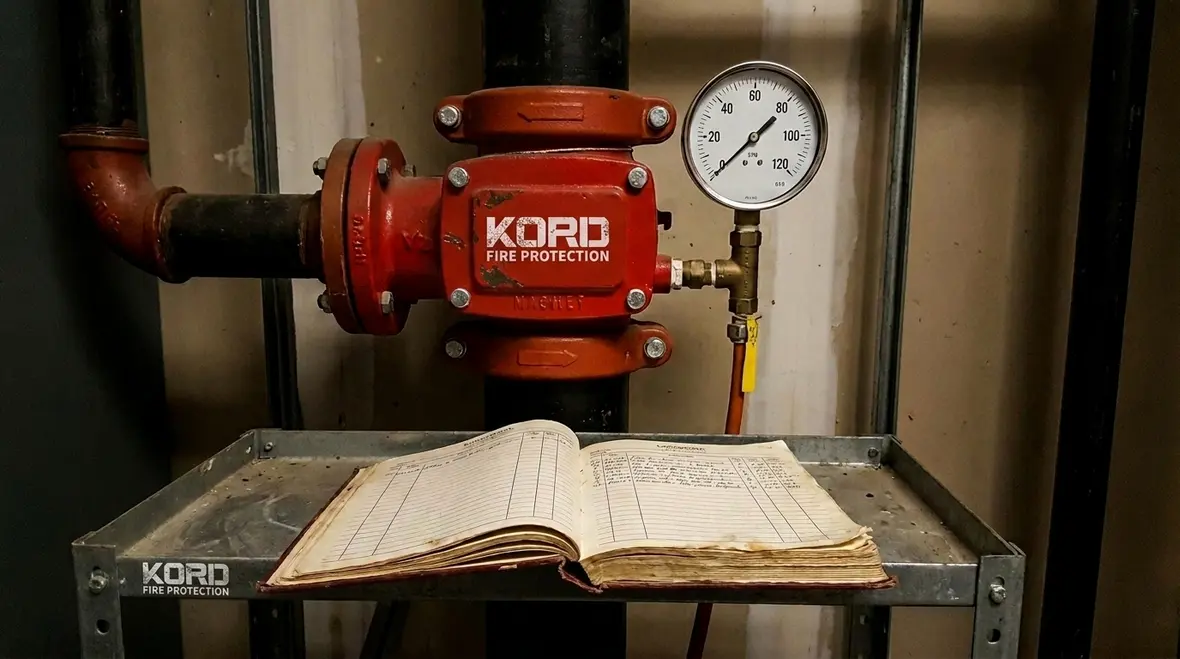
Fire Suppression System Impairment: What Owners Notice First
Fire suppression system impairments: what owners notice first, and what it really means
Fire suppression impairment can sound like an alarm only engineers understand, but owners feel it in the real world, fast. When systems fail to operate as intended, the building may lose key protection at the exact moment it is needed. And while most owners do not wake up hoping their suppression system is “temporarily unhappy,” problems do happen. In this guide, third person explains what fire suppression impairment looks like, why it matters, and how smart maintenance and repairs keep risk down. Along the way, Kord Fire Protection can become a vital partner, because good documentation and fast corrective action are not just nice to have. They keep operations steady and reduce surprises.
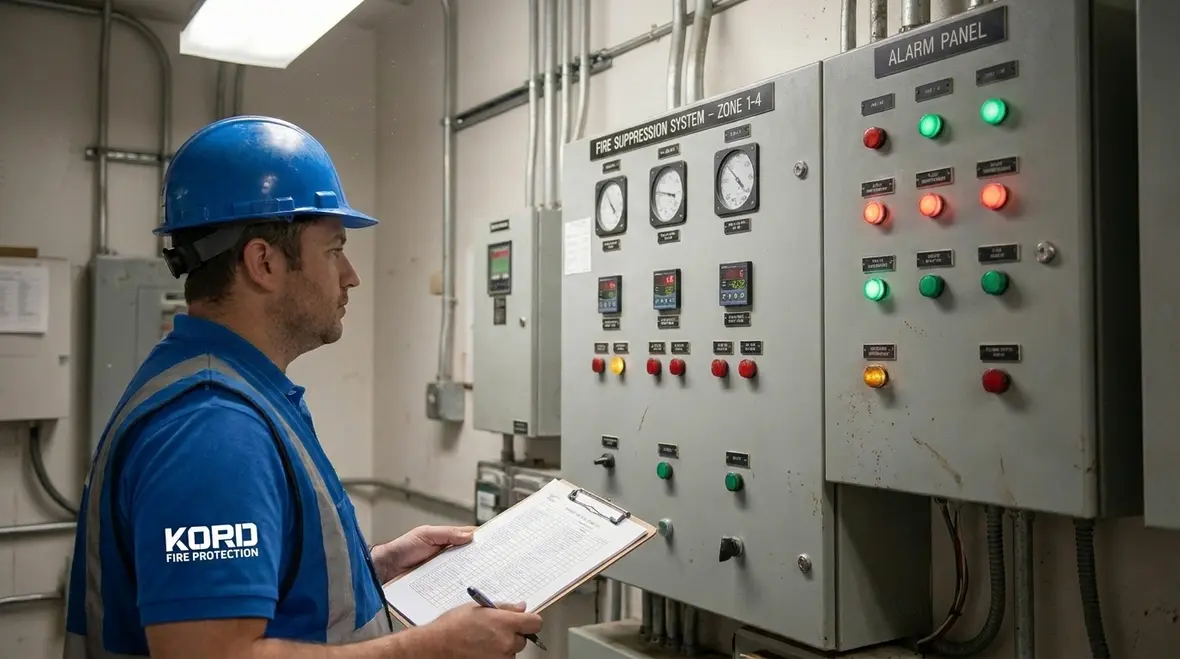
Common impairment signs that show up in audits and inspections
Most issues do not announce themselves with a fireworks show. Instead, the first hints appear during inspections, monitoring, or routine testing. As a result, owners often notice trouble reports, recurring faults, missing records, or devices that look “fine” but do not perform correctly. For example, system supervision may show a low pressure condition, a valve in the wrong position, or a tamper switch alert. Even small problems can create a bigger cascade, because one impaired component can stop the chain of actuation.
Additionally, impairments can show up as delayed notification. If a control panel does not send alerts, or if the monitoring contact is wrong, responders may not get the message in time. That is like leaving the front door unlocked but assuming the neighborhood watch will just “figure it out.”
This is often where owners benefit from broader support that connects sprinkler, alarm, and suppression readiness. Kord’s full fire protection services page reflects that bigger-picture approach, which matters when one issue starts affecting more than one system.
What causes fire suppression impairments in real facilities
Fire suppression impairment rarely comes from one dramatic event. Rather, it often develops from ongoing conditions that build over time. Wear and corrosion take their turn. Contractors switch out parts without matching exact specs. Renovations change layouts, and nobody updates the system. Water supply issues can affect wet systems. For dry systems, air or nitrogen pressure may drift outside the acceptable range.
Also, human factors matter more than owners think. A technician might disable a circuit during work and forget to re-enable it. Someone might leave a valve partially closed after maintenance. Then, months later, the system responds differently than expected during testing. Even if no one “meant” to create a risk, the result still counts.
Beyond that, code and inspection requirements evolve. If documentation falls behind or the system upgrades do not keep pace, the building can end up with impairments flagged as non compliant, not just malfunctioning. That can trigger operational shutdowns or insurance disputes. For facilities using specialized protection, Kord’s fire suppression services show how system type, environment, and maintenance schedule all have to line up.
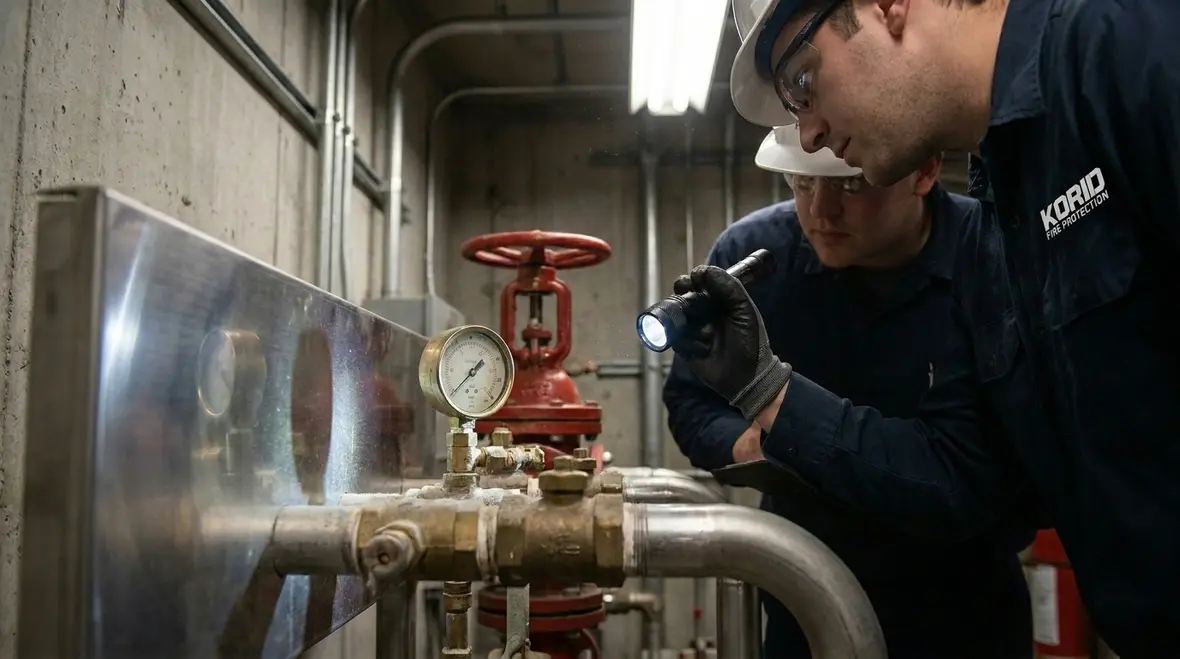
How impairments affect safety, compliance, and downtime
When a fire suppression impairment exists, safety takes the hit first. If the system cannot detect, release, or control the fire properly, the building may rely on secondary measures that can only do so much. Therefore, owners should treat impairments as operational risk, not paperwork clutter.
Next comes compliance. Inspections often identify the impairment level, the timeline for correction, and whether the authority having jurisdiction expects partial or full shutdown. Even where immediate evacuation is not required, management may face restrictions on occupancy, storage use, or certain maintenance activities. Then, the costs show up. Downtime, replacement labor, and re testing stack up quickly, and no one enjoys paying twice for the same work.
In other words, an impairment can become a business problem in a business suit. It walks in, sits down, and invoices start getting printed.
Fire suppression system impairment resolution: a practical owner checklist
Owners can reduce risk by acting fast and asking the right questions. First, they should confirm the exact impairment details, including which device is involved and what test or monitor triggered the flag. Then, they should review the system’s inspection records and maintenance history. After that, they should verify whether the issue is a true impairment or a recurring nuisance alarm.
Next, they should require a correction plan with clear steps. That plan should include parts, labor, isolation needs, and a test method that matches the system type. For many systems, successful resolution depends on proper set points, valve positions, and component condition. In addition, owners should document any system disablement and the restoration process, so the next inspection does not turn into a mystery novel.
- Confirm the affected zone, device, and impairment code
- Review last inspection and any prior corrective actions
- Request a written scope for repair and replacement
- Verify testing and retesting with results saved for records
- Ensure monitoring and alarm notification work correctly
Finally, owners should ask how the service provider prevents repeats. A good partner will tie repairs to root cause, not just patch the symptom. If a system keeps tripping the same fault, someone should find why it keeps happening. That same discipline supports stronger coordination with related systems such as fire alarm services, especially when alerts, supervisory signals, or communication delays are part of the impairment story.
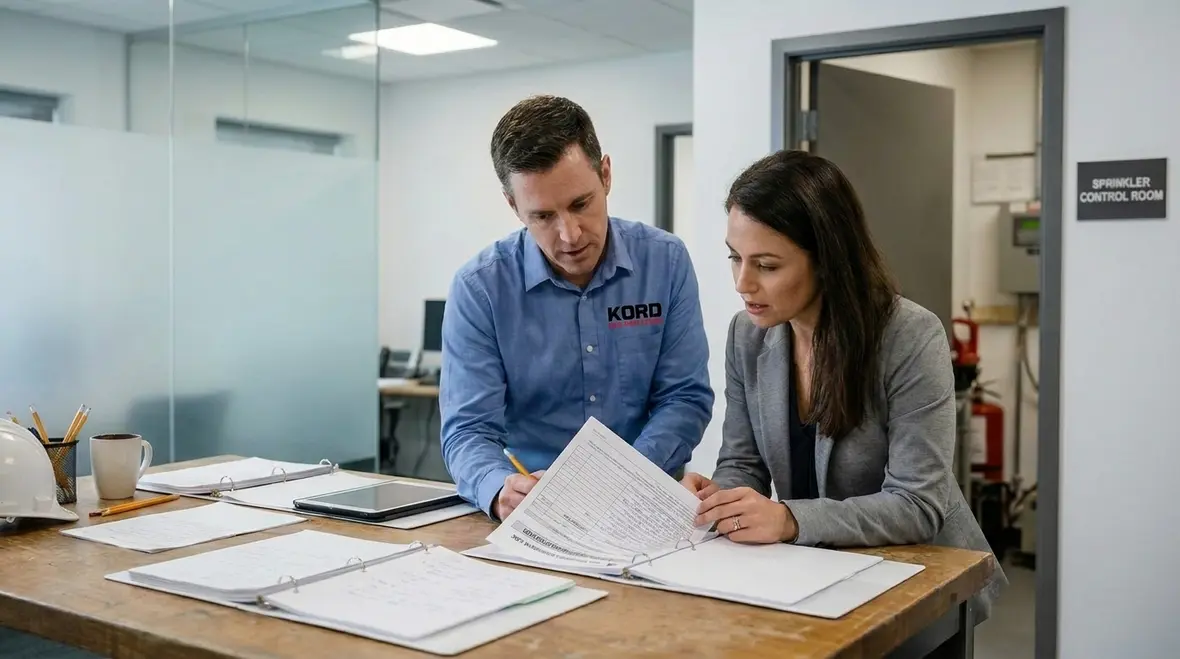
Why documentation and ongoing maintenance keep impairments from returning
Many impairment problems repeat because maintenance routines focus on the obvious, not the underlying trend. Therefore, owners should support a cycle of scheduled inspections, repair tracking, and seasonal checks. For example, a dry system depends on stable air or nitrogen pressure. So, if the pressure drift gets ignored, the impairment may return during the next critical period. Wet systems depend on water supply performance and alarm valve integrity. That means inspections should verify both mechanical condition and operational behavior.
Also, owners should confirm that inspection intervals match the applicable code and the system design. If the building changes use, occupancy, or storage practices, the system requirements may shift. In that case, the maintenance plan should adjust too.
Good documentation matters because it shows a timeline of actions. It also helps owners spot patterns, like recurring supervisory trouble on the same floor or component. That is the difference between reacting like a customer service chatbot and managing like a risk officer with a calm plan.
Partnering with Kord Fire Protection for impairment support
Kord Fire Protection can become a vital partner when owners face fire suppression impairment events or plan for long term reliability. Instead of treating each impairment as a one off emergency, Kord helps connect the dots between inspection findings, repair scope, testing results, and records that stand up during audits. That matters because an owner needs clarity, not guesswork.
Moreover, Kord Fire Protection supports the workflow owners actually run: coordination with facility schedules, documentation for compliance, and practical solutions that reduce repeat failures. When teams understand how a problem started, they can correct the root cause and keep the system dependable. And when the next inspection day rolls around, the building does not feel like it is walking into a pop quiz without studying.
Owners who build this kind of relationship often notice fewer surprises. They also gain faster communication when something shifts in system behavior. In fire life safety, speed plus accuracy equals confidence.
FAQ on fire suppression impairment
CTA conclusion: act early, fix correctly, and protect the bottom line
Fire suppression impairment can threaten safety, delay occupancy, and create costly downtime when owners wait too long. Therefore, owners should treat impairment findings as a priority, confirm the exact cause, and require testing that proves the system works again. If the building needs steady support, Kord Fire Protection can help guide the process with clear documentation and practical repair solutions.
For a direct next step, owners can explore Kord’s fire suppression inspection, testing, installation, and maintenance services to review current conditions, plan repairs, and keep systems ready when it matters most. Acting early is cheaper than reacting late, and a verified system beats crossed fingers every time.

Join Our Newsletter!
Get the latest fire safety tips delivered straight to your inbox From our Newsletter.



