
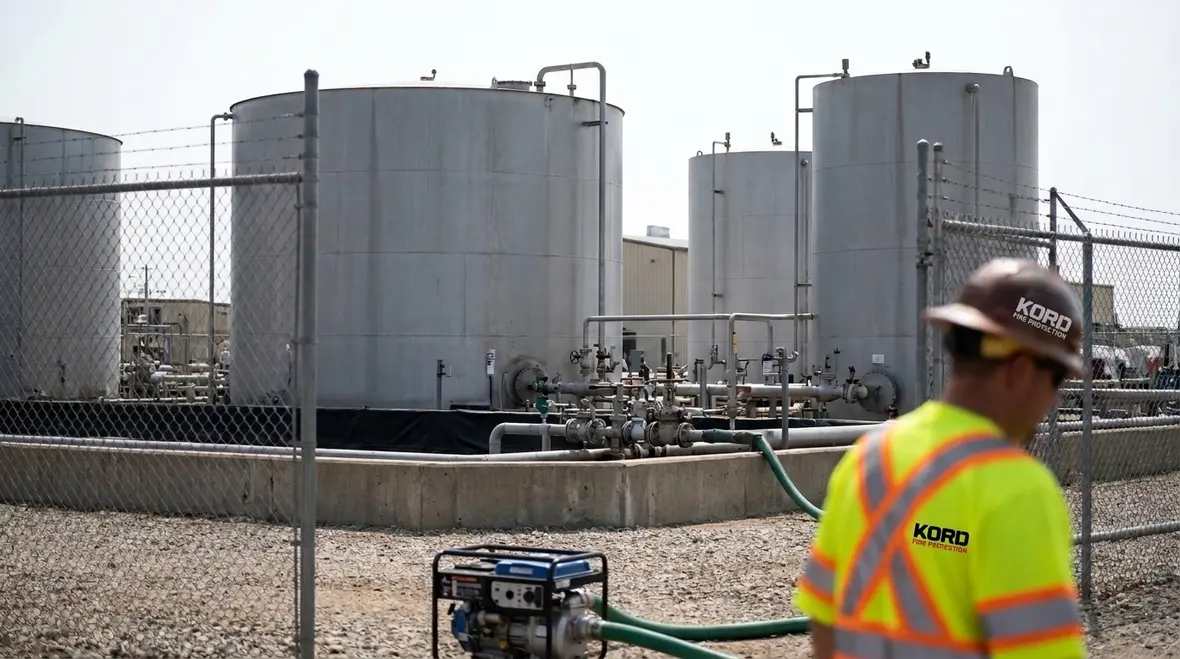
NFPA 30 Section 1.1: The Scope of the Flammable and Combustible Liquids Code
Quick Answer
NFPA 30 Section 1.1 establishes what the Flammable and Combustible Liquids Code covers, including the design, installation, operation, and maintenance of systems involving regulated liquids. It also clarifies applicability boundaries, helping facilities avoid both gaps and noncompliant overreach.
For a broader foundation before diving into scope, Kord Fire Protection also explains the bigger picture in its NFPA 30 flammable and combustible liquids overview.
Why the “scope” matters for day to day compliance
Commercial, industrial, and retail facilities often assume NFPA 30 requirements apply to “anything with a flammable smell.” Section 1.1 scope language is the starting point that prevents costly misclassification. When a facility misreads scope, it may under control critical hazards like storage container integrity, venting performance, or transfer operations. It may also over apply expensive controls to unregulated materials, disrupting operations and budget planning.
For facility teams, the NFPA 30 Section 1.1 scope of flammable and combustible liquids code is not academic. It shapes inspection plans, preventive maintenance schedules, and management of change procedures for tanks, piping, cabinets, pumps, and dispensing areas.
What NFPA 30 Section 1.1 scope typically covers
NFPA 30 Section 1.1 defines the code’s intent and overall applicability. In practical terms, it governs how regulated flammable and combustible liquids are addressed across the lifecycle of use in a facility. This includes baseline expectations for hazard control features and the way those features remain fit for service over time.
1) Installations and equipment boundaries
The scope language connects regulated liquids to the built environment. That includes containment, release prevention, and safe handling infrastructure such as:
- Storage and bulk handling systems, including tanks and their associated piping
- Piping runs, fittings, valves, and connection points where leaks typically initiate
- Transfer systems, pumps, hoses, and dispensing stations used for daily operations
- Safety features designed to control vapor hazards, ignition sources, and spill impacts
Compliance teams should treat “scope” as an equipment mapping exercise. Every location where regulated liquids move or sit for any meaningful duration needs a documented determination of whether NFPA 30 applies and which sub requirements drive the required controls.
2) Operational practices and maintenance expectations
NFPA 30 scope does not stop at drawings. It supports ongoing operational control. Facility staff should align day to day routines with the code intent that engineered controls remain effective. Typical operational and maintenance alignment includes:
- Ensuring transfer procedures prevent overflows, uncontrolled hose movement, and improper connection practices
- Maintaining seals, gaskets, and fittings that degrade due to chemical exposure and vibration
- Verifying electrical classification and ignition source controls where flammable vapors may form
- Inspecting emergency shutdown arrangements and spill response readiness where required
How scope decisions affect real commercial facility layouts
Scope misinterpretation most often shows up in facility workflows and layout changes. Common scenarios include new product introductions, equipment swaps, and warehouse reconfiguration.
Scenario A: The “quick refill” that bypasses compliance
Many sites allow short, frequent transfers using mobile pumps or hoses. When scope is unclear, teams may not apply the same control rigor used for bulk operations. Over time, this can lead to overlooked leak points at couplings and valve stems, plus degraded hose condition. Maintenance records may not reflect the actual risk profile of these transfer operations because the scope basis was never documented.
Scenario B: Cabinets, rooms, and temporary storage confusion
Retail and light industrial facilities often use flammable liquid storage cabinets, small day tanks, or temporary supply staging. If staff do not tie those locations to the NFPA 30 Section 1.1 scope of flammable and combustible liquids code, inspections can miss the key failure points. These include cabinet door seal integrity, self closing hardware performance, and ventilation or vapor management continuity where it applies.
Scenario C: Piping modifications during commissioning and MOC
Management of change gaps frequently show up after commissioning. Scope drives what piping configurations and fittings are acceptable for regulated liquids, and it influences inspection and leak testing expectations. When a contractor reroutes lines without a scope review, the facility inherits uncertainty about whether the installation matches the hazard control intent of NFPA 30.
Common compliance gaps tied to scope misunderstandings
When a facility’s “scope determination” process is weak, the failure pattern becomes predictable. These are the issues inspectors and loss prevention teams typically identify during walkdowns, documentation reviews, and impairment assessments.
1) Incomplete hazard classification and product controls
Scope depends on correct categorization of liquids. Facilities sometimes rely on old SDS documents or vendor labels that do not match the current formulation. Even a small change in volatility can affect how vapor hazard management should be approached. A robust approach includes updated SDS management and linking SDS revisions to the facility’s compliance register.
2) Poorly defined inspection intervals for high risk components
Scope drives the “what to inspect” list and the logic behind inspection intervals. If the scope process is unclear, routine checks may focus on visible items and ignore components that fail invisibly: hose connections, pump seal areas, and threaded joints. The result is late detection of impairment that accelerates release frequency.
3) Leak history not tied back to scope based controls
Facilities often log leaks as incidents but do not connect those incidents to the controls required by the applicable NFPA 30 provisions. That prevents targeted root cause actions, such as updating transfer procedures, replacing specific fitting types, or improving maintenance triggers.
What to do next: build a scope ready compliance workflow
A practical compliance workflow turns NFPA 30 Section 1.1 scope into an operational system. The goal is simple: prevent ambiguity so each location has the right requirements and the right maintenance plan.
- Create a regulated liquids inventory that links products to the latest SDS and identifies where each product is stored, transferred, or used.
- Map every location to the scope decision including rooms, dispensing islands, storage cabinets, bulk tanks, and transfer staging areas.
- Standardize inspection and maintenance routines with component level focus such as seals, fittings, valves, hose systems, pumps, and emergency response equipment where applicable.
- Use documented MOC triggers for product changes, equipment swaps, and layout modifications that could shift the scope applicability.
- Verify with expert testing and record quality so compliance is defensible during audits, insurer reviews, and authority inspections.
For a deeper look at how NFPA 30 regulates flammable liquids in practice, refer to: How NFPA 30 regulates flammable liquids.
Kord Fire Protection supports commercial compliance teams by aligning documentation, inspection planning, and ongoing testing practices to the realities of operational risk. This includes maintaining equipment readiness, identifying impairment patterns early, and ensuring records support the facility’s scope determinations over time. For organizations that also need system support beyond liquid handling compliance, Kord Fire Protection offers fire pump inspection services as part of its broader commercial fire protection work. For Australia based organizations, Kord Fire Protection also delivers local service coordination through https://kordfire.com.au/.
Frequently Asked Questions
Call to action
Clarify the NFPA 30 Section 1.1 scope of flammable and combustible liquids code for every storage, transfer, and dispensing location in your facility. Kord Fire Protection can help validate your compliance mapping, tighten inspection and maintenance readiness, and support defensible documentation for audits and operational safety. Contact Kord Fire Protection today to schedule a compliance review and align your program with real world risk controls.

Join Our Newsletter!
Get the latest fire safety tips delivered straight to your inbox From our Newsletter.



