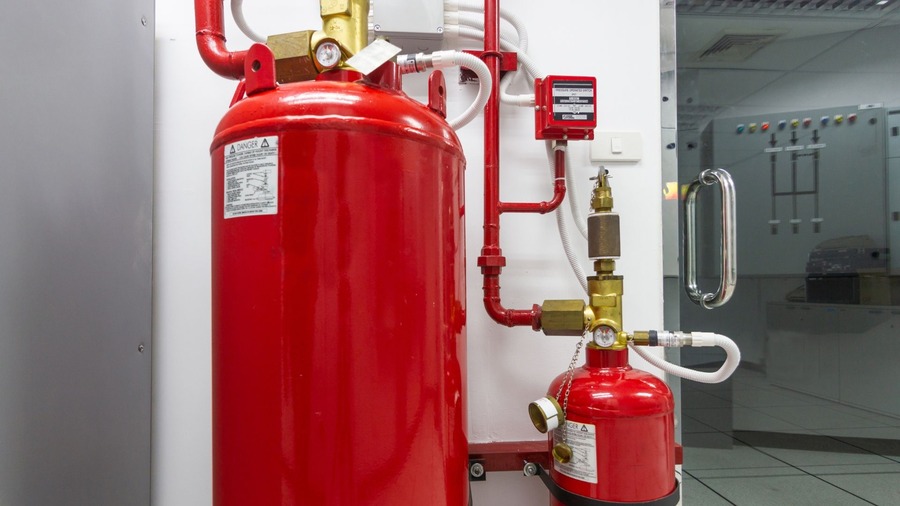
Fire Suppression Impairment: Prevent Risk With Kord
Fire suppression system impairments can turn a “protected” building into a risky one long before anyone smells smoke. In plain terms, an impairment means the system cannot perform the way the owner expects during a real fire event. Sometimes the issue is obvious, like a closed valve, and sometimes it hides in the details, like a faulty detection circuit or a pressure problem that slowly worsens over time. And yes, it can happen even when the equipment looks clean and well cared for. After all, fire systems do not care if the owner has good intentions.
When owners understand how these fire suppression impairment conditions form, they can reduce downtime, avoid surprises during inspections, and protect people, property, and cash flow. In that process, Kord Fire Protection can become a vital partner by helping owners spot risks early, document fixes clearly, and keep systems reliable season after season.
That is the frustrating part about impairment. It does not always look dramatic. Nobody hears a villain soundtrack when a control issue starts creeping in. More often, the danger grows quietly through skipped testing, unnoticed field changes, missing records, or one “temporary” work-around that somehow becomes permanent. Then everyone acts surprised later, as if the system invented the problem just to be difficult.
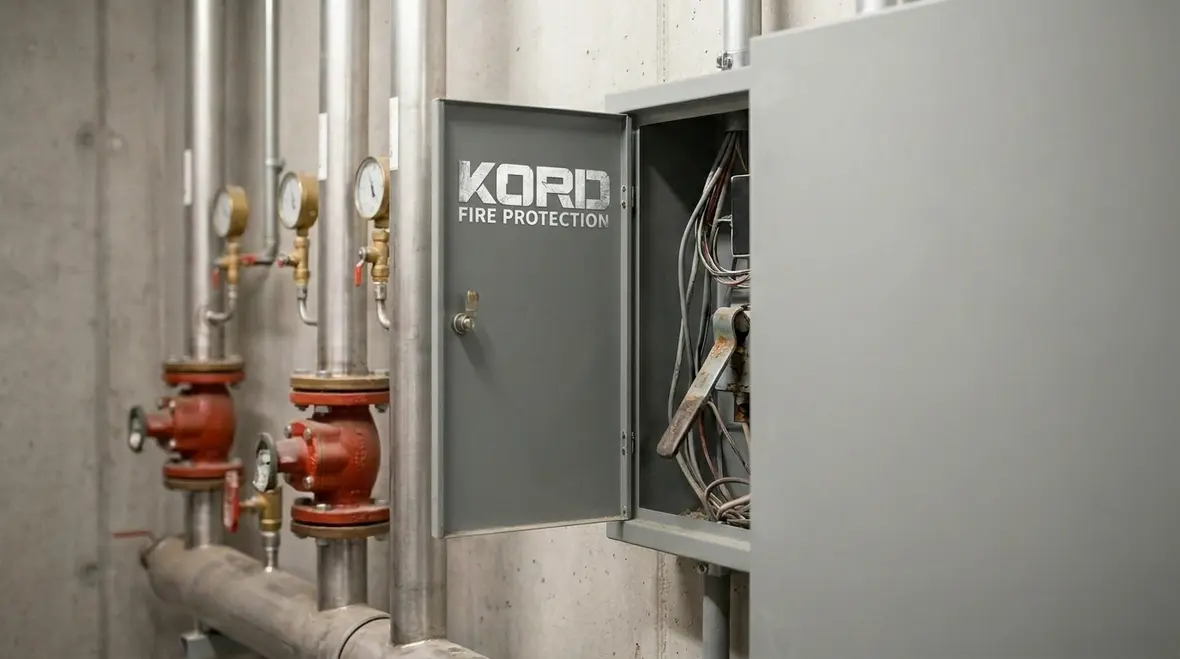
Common types of fire suppression impairment owners notice
Fire safety teams usually catch impairments through inspections, testing, and monitoring. Even so, owners often notice changes first, because something feels off. For example, a sprinkler room may have unusual signs, or a fire pump may run more often than expected. Meanwhile, system performance can degrade quietly due to wear, corrosion, or poor installation practices.
Where the trouble usually starts
- Valve and isolation issues that prevent flow or delay water delivery
- Pressure problems in water based systems, which can reduce discharge effectiveness
- Component failures such as clogged nozzles, damaged piping, or stuck actuators
- Detection and control faults in automated systems that delay response
- Power and battery issues that disrupt supervisory functions or alarms
Furthermore, owners should remember that not every impairment comes from old equipment. Renovations, tenant build outs, and storage changes can unintentionally alter clearances, restrict access, or affect fire system parts. So, when a building changes, the fire protection plan should change too.
Owners also tend to notice patterns before they know the technical cause. Maybe the supervisory signal clears and returns. Maybe a room that should stay accessible slowly turns into a storage closet with ambition. Maybe a contractor swears they did not touch anything, which is usually the moment everyone should start looking more carefully. Small clues matter.
This is one reason Kord Fire Protection’s broader full fire protection services are useful to owners who need more than a box checked on a calendar. A system can appear fine in passing and still fail the moment it is asked to do actual work.
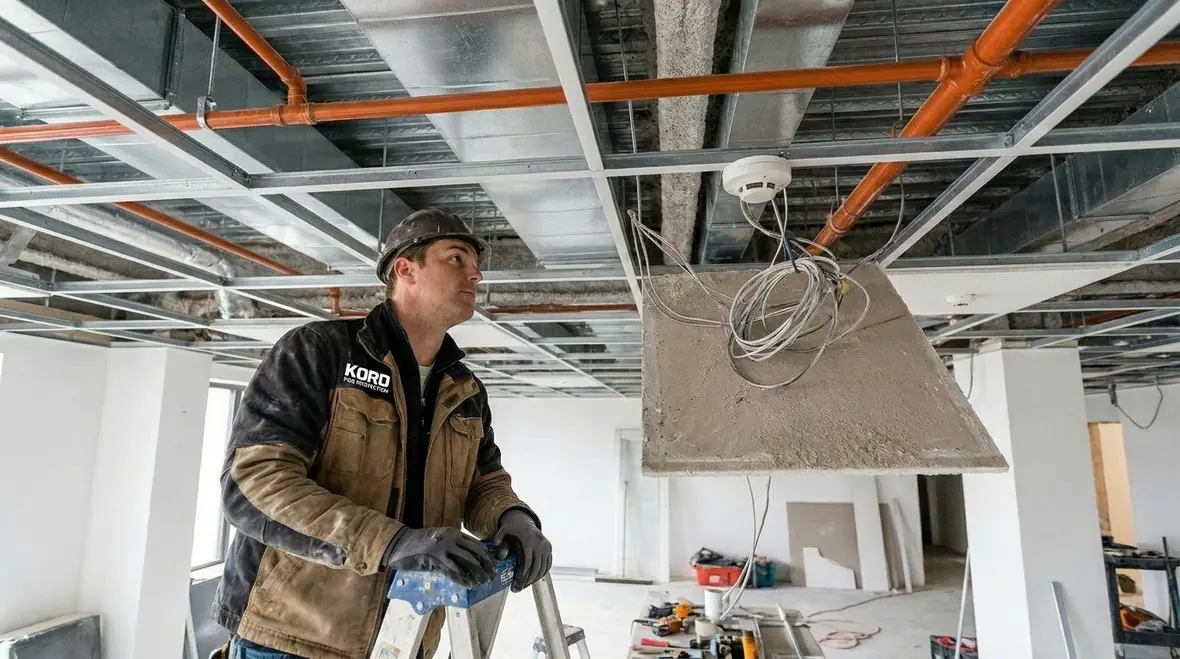
How impairment happens after installation, not just because equipment ages
Many owners assume impairments only show up when equipment gets old. That idea sounds comforting, like believing a worn tire failure will always be visible. In reality, the most frequent impairments often show up after routine building activity.
Routine work can create non-routine risk
For example, contractors may move ceilings, reroute cable, or add walls. As a result, detectors might be obstructed, pathways could get blocked, or system components can get damaged during normal work. Additionally, owners sometimes change maintenance schedules because of staffing or budget pressure. Then, testing becomes inconsistent, and small issues turn into bigger ones.
Also, impairment can stem from administrative gaps. Missing inspection records, incomplete contractor documentation, and unclear system maps make it harder to respond quickly. Then, when a real problem appears, the team loses time hunting for information. Time is not an optional resource during fire events.
Ultimately, owners should treat fire systems like mission critical equipment, not like a once and done purchase. Buildings evolve, tenants change, operations expand, and hazards shift. A system that matched the site three years ago may now be protecting a very different reality. The hardware may not be old, but the assumptions behind it might be.
Kord Fire Protection has covered similar planning issues in its fire protection impairment management guide, which reinforces a point owners learn the hard way: when protection drops, awareness has to rise. Hoping the issue stays polite is not a strategy.
What inspectors and monitoring teams look for during reviews
Inspection and monitoring teams usually follow standards and site specific documentation. They focus on readiness, not just appearance. So, even when a system looks intact, a failure in a single controlled condition can trigger an impairment finding.
What a review usually verifies
- Appropriate valves remain in the required positions
- Pressure and flow parameters remain within set limits
- Supervisory signals report correctly, without delays
- Devices are accessible, labeled, and not blocked by storage
- Recent repairs match the approved plans and system design
Then, they cross check building changes against system requirements. If the building added hazards, increased occupancy, or upgraded lighting and power systems, those changes can affect performance during an emergency. In other words, the system must match the building it serves.
When an impairment shows up, owners should expect clear descriptions, not vague statements. If the report does not tell them what is wrong and what to fix, the owner should ask for details. That is not being difficult. That is being responsible.
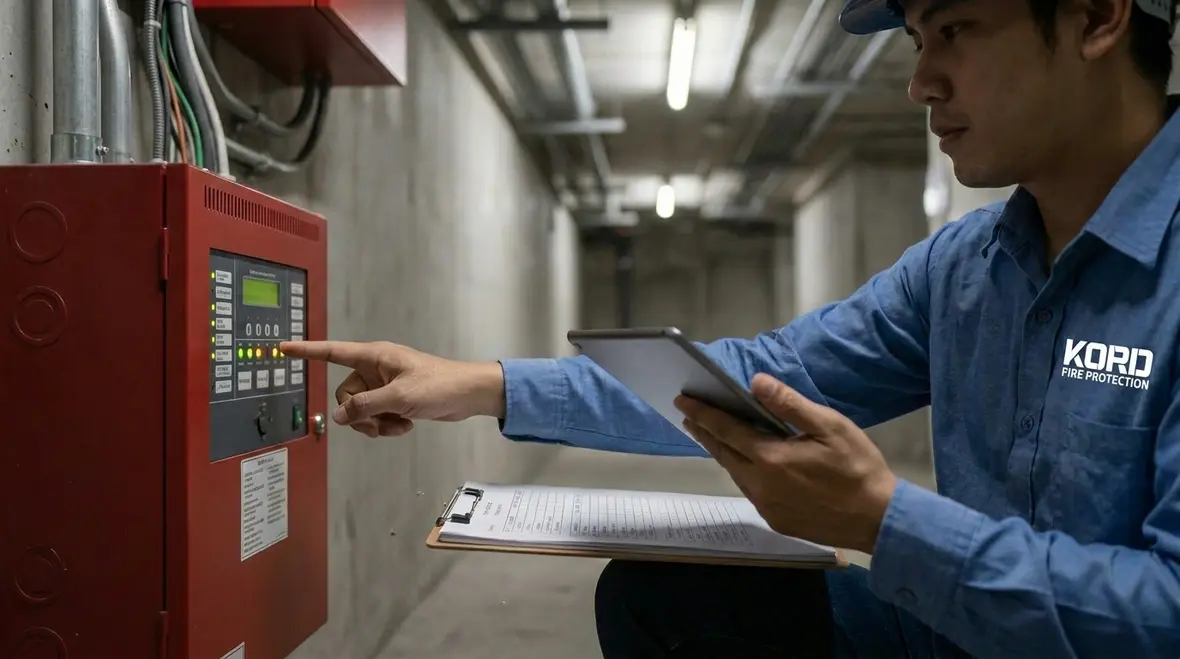
Risk impacts owners feel: safety, downtime, and financial surprises
A fire suppression impairment does not just affect safety. It can shake up operations in ways owners do not anticipate. First, emergency response becomes slower because the system cannot perform as designed. Next, insurance and compliance risk increases, especially when impairments repeat or remain unaddressed.
Then comes the operational cost. Repairs often require access to ceilings, mechanical rooms, and utility areas. If owners discover impairments late, teams must schedule work around tenant downtime, production cycles, and customer timelines. Nobody enjoys a surprise shutdown. It is like hearing your favorite song is out of tune, but you are still expected to dance.
Furthermore, repeated impairment findings can create a record that drives stricter future scrutiny. That may lead to higher premiums or more frequent testing. Over time, owners pay for inattention, even if they avoid it at the start.
So, proactive owner action usually costs less than reactive scrambling. The most expensive repair is often the one delayed until the worst possible moment, right when schedules are packed, tenants are impatient, and someone is asking why this was not handled sooner. That is not a fun meeting for anyone.
Owner actions that reduce fire suppression impairment in real life
Owners can lower risk without micromanaging technicians. They just need a simple, consistent approach. To start, they should assign clear responsibility for system rounds, documentation, and contractor follow up. Then, they should ensure that any building project includes a fire protection review before work begins.
Practical steps that actually help
- Create a tracking system for inspection dates, test results, and corrective actions
- Set rules for access so valves, panels, and equipment rooms stay reachable
- Require pre construction review when contractors enter sprinkler or suppression areas
- Confirm labels and maps reflect current layouts, especially after renovations
- Monitor trends such as recurring pressure fluctuations or repeated minor faults
In addition, owners should align maintenance with the system type and the building’s actual use. A warehouse running high humidity will behave differently than a low humidity office. Therefore, testing should reflect reality, not a generic checklist.
And for those who think “we will fix it when we see it,” consider this: smoke does not send a calendar invite. The better approach is to build a repeatable routine, review trends before they become failures, and insist that every contractor who touches the building understands the fire protection implications of their work.
If owners want a broader service partner near the end of that process, Kord Fire Protection’s inspection, testing, maintenance, and repair services make a sensible next step for facilities that want fewer surprises and clearer follow through.
Why Kord Fire Protection should join the impairment prevention plan
When owners treat their fire protection partner like a once a year vendor, they leave gaps. However, when they partner with Kord Fire Protection, they gain a more steady process for spotting issues early and closing corrective actions fast. That matters because fire suppression impairment is rarely a single event. It is often a chain of small failures that stack up over time.
Kord Fire Protection supports owners by helping them stay organized, informed, and ready. They can assist with inspections, testing coordination, corrective action follow through, and clear reporting that helps owners make decisions. Also, they help owners connect building changes to fire system performance, so renovations do not create new risk.
In short, Kord Fire Protection acts like a calm voice of experience on a loud day. And if the building manager ever says, “We will figure it out later,” Kord Fire Protection can help ensure later does not turn into a problem. For a directly related read, owners can also explore Fire Suppression System Impairments: What Owners Must Do to reinforce the basics and tighten response planning.
FAQ about fire suppression system impairment
Conclusion: protect people, avoid surprises, and act now
Fire suppression system impairments do not announce themselves with fireworks. They show up through small failures, messy renovations, and missed follow up. Therefore, owners who track findings, respond quickly, and keep systems matched to the building reduce risk and protect operations. If an impairment notice lands on your desk, do not guess, hope, or delay.
Call Kord Fire Protection to review your current status, plan corrective actions, and keep your fire protection system ready when it matters most. The sooner owners treat impairment risk like an active management issue instead of future paperwork, the easier it becomes to protect people, property, and business continuity.

Join Our Newsletter!
Get the latest fire safety tips delivered straight to your inbox From our Newsletter.