
Fire Safety Planning and Infrastructure in Orange County
Picture this: sprawling new shopping centers, towering office parks, immaculate apartment complexes rising across the horizon. Sounds like growth, prosperity, and maybe a trendy new brunch spot, right?
But along with that shiny new escalator-adorned plaza comes something far less Instagrammable — the serious challenge of expanding fire protection infrastructure to match surging development. In places like Southern California, especially through fire safety planning inside Orange County, this concern isn’t just about keeping up with city hall ribbon cuttings. It’s about saving lives.
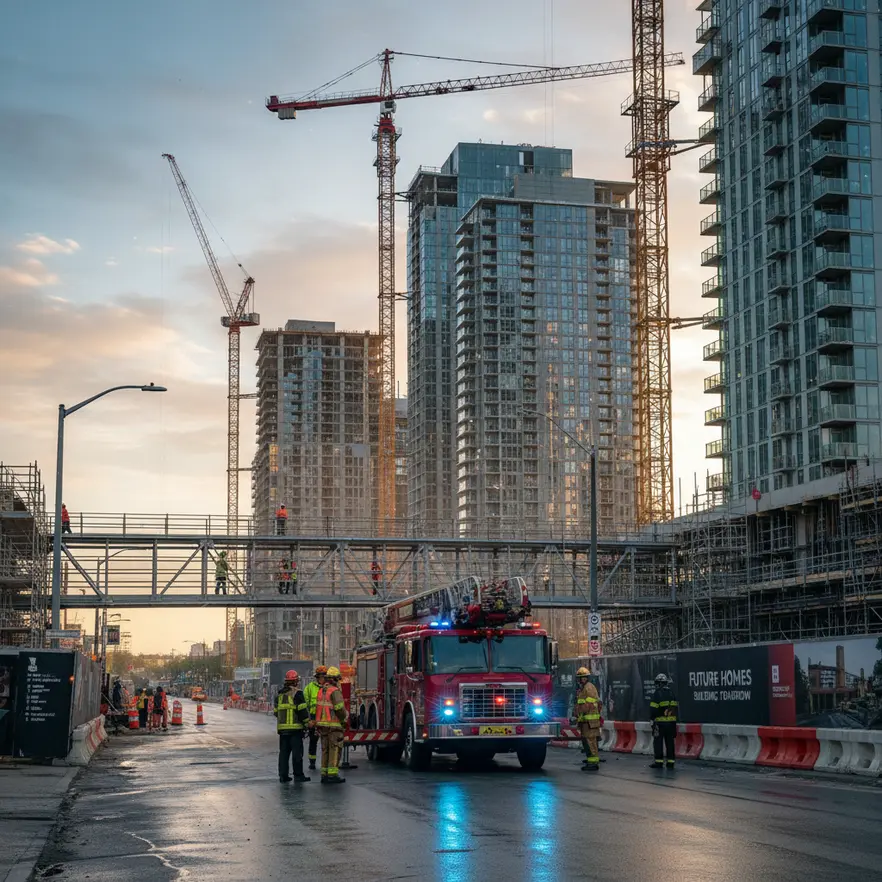
Our streets are hot with opportunity — and occasionally with literal flames — and the very infrastructure meant to protect us sometimes struggles to keep pace. Let’s pull back the curtain on what’s really going down when the concrete starts pouring and the cranes rise into the skyline.
When Buildings Go Up, Expectations Follow Close Behind
Urbanization is striding ahead like it’s in a Marvel action scene. But every new business park or tech campus plops more people into one area, along with servers, machinery, storage units, fancy wood-paneled lobbies — essentially, more stuff that can catch fire. While that’s great for tax revenue, shopping, and job creation, it gives fire services a serious headache.
Think of it like this: You wouldn’t throw a wildfire into your Netflix queue without asking if your house sprinklers were working, right? Likewise, cities can’t just expand without checking whether the fire department can realistically cover the new turf. And no — shouting, “We’ll just drive faster!” doesn’t count as a plan.
How Does Commercial Development Affect Firefighting Operations?
The operational strain behind the shiny new skyline
Firefighting isn’t just sirens and hoses. It’s precision, coordination, timing, and adequate resources. And when commercial zones multiply faster than Baby Yoda memes, things get tight — dangerously tight. Here’s how rapid expansion puts pressure on the crews meant to keep your investment property from glowing a little too warmly:
- Longer response times: New zones often sit on the edge of established fire districts, straining current routes and delaying crucial response moments.
- Overloaded manpower: More properties require more inspectors, responders, hydrant maintenance crews — it’s not as simple as hiring “just one more guy.”
- Increased risk of code violations: When property owners outpace enforcement, we see a spike in cutting corners. Hello, closet-sized electrical rooms filled with dreams and potential sparks.
The ripple effects aren’t mild. They carry across every planning department from construction to emergency management. Suddenly, providing reliable protection becomes reactive kid-at-the-last-minute-homework mode. That’s no way to protect lives or investments.
Why Orange County’s Growth Is Lighting Up the Fire Safety Radar
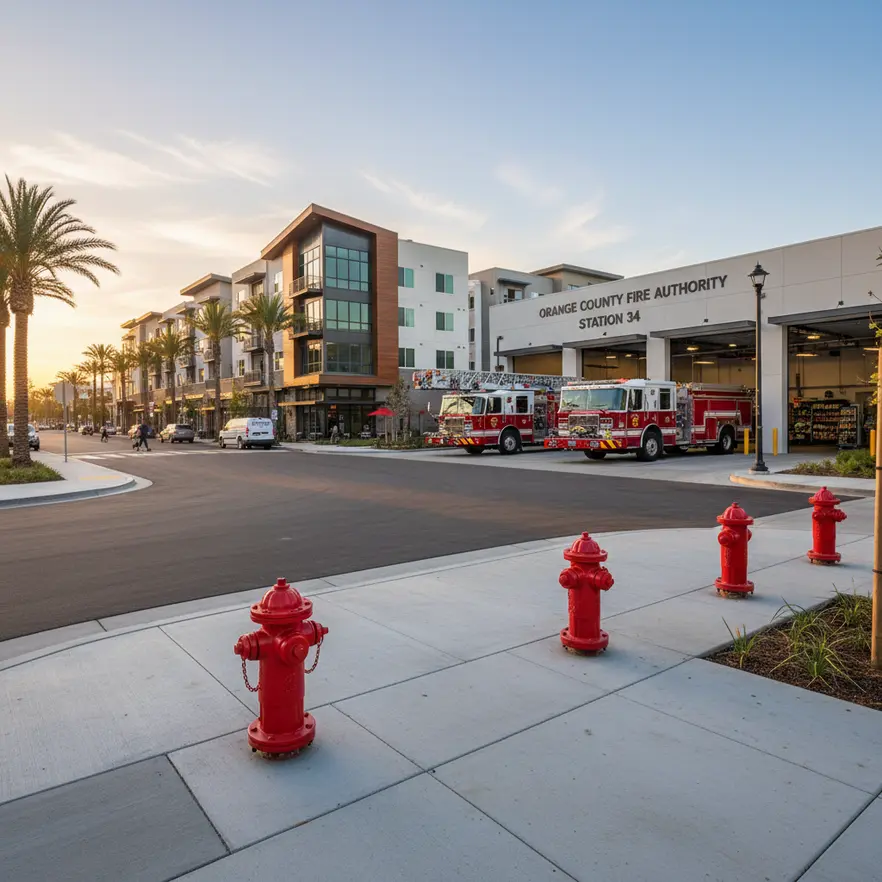
Let’s zoom in for a moment. Fire safety planning inside Orange County has become a high-stakes chess match between developers and emergency strategists. Coastal cities like Irvine, Santa Ana, and Anaheim are growing faster than Disney’s streaming catalogue, which means more places need tailored risk assessments, properly placed fire stations, and upgraded water delivery systems right now — not five years from now.
With every mixed-use development comes the challenge of fitting in complete sprinkler systems, alarm networks, and strategically placed hydrants where there were once only avocado groves. It’s a delicate blend of old suburban flare mixed with modern density. And yes — there are a lot more lithium-ion battery stores than anyone expected.
So when we talk about local fire protection infrastructure, we’re not being dramatic. We’re being practical. The need to integrate these systems from the ground up should be step one, not a frantic afterthought completed at the first whiff of burnt toast.
What Fire Infrastructure Updates Are Required During Rapid Development?
From spreadsheets to street-level readiness
We get it. Infrastructure isn’t the coolest word in the book. But it’s the backbone of safe cities. And with growth accelerating, regulators and city planners must pivot from spreadsheets to boots-on-the-ground readiness. Here’s what becomes non-negotiable in modernizing fire safety frameworks:
- Station expansion and relocation: Cities may need more fire stations, better placed to minimize response lag. It’s not just location — it’s accessibility during heavy traffic or block parties.
- Smarter hydrant placement: Adding new structures without adjusting the water infrastructure? That’s like launching a rocket ship with no fuel tank.
- Upgraded communication networks: Advanced alert systems and real-time analytics help crews determine risk levels at a glance. AI, meet fire hose.
- Increased personnel training: The more complex the buildings, the sharper the skill set required. Think beyond “Stop, Drop and Roll.”
None of these come cheap, and none are one-size-fits-all. But all are urgently necessary. It’s not enough to build higher; communities must equip smarter.
Fire Codes: The Silent Guardians of the Growing Metropolis
Imagine building a bespoke home and stopping short of installing windows because “the blueprints didn’t specify.” Fire code enforcement works the same. It’s the legally binding trust-fall between engineers, public officials, and emergency responders.
As developments scale, the pieces must align. Updated codes adapt based on height, occupancy, and material. New commercial zones bring a delightful array of modern risks — from rooftop lounges with fire pits to in-office espresso machines precisely two feet from paper archives.
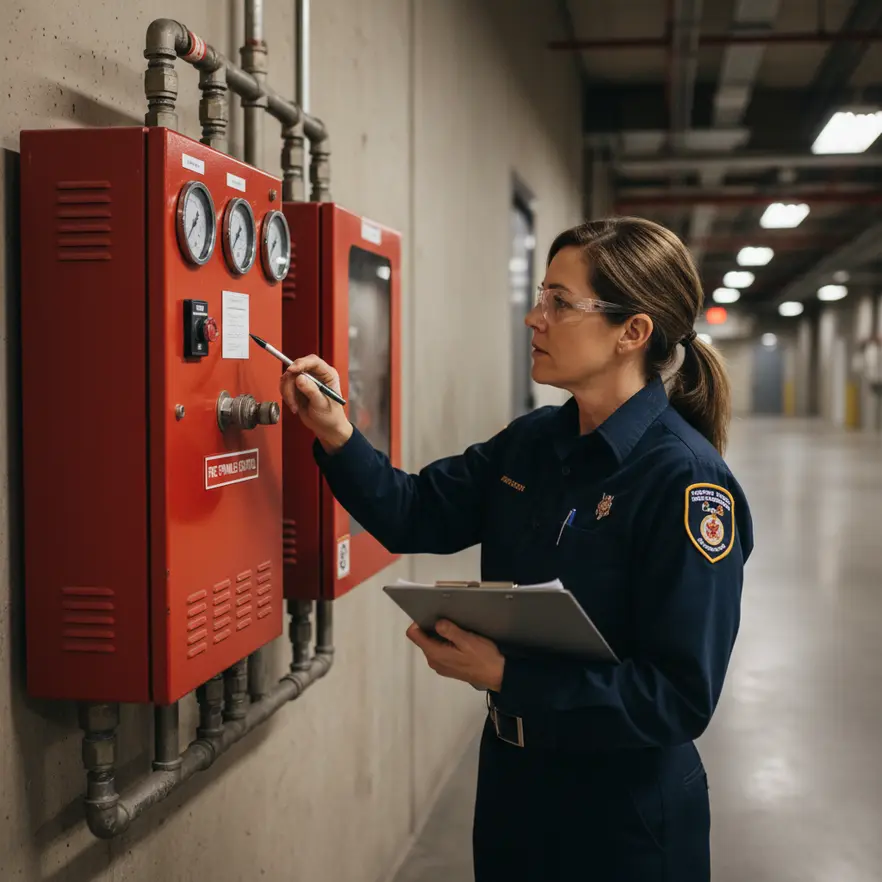
Keeping those codes enforced means inspections must increase. Infractions must be corrected quickly, fines must hold weight, and enforcement officers should not need night-vision goggles to recognize a fire trap when they see one.
Traditional Planning vs. Scalable Fire Safety Strategy
A quick snapshot of old habits vs. modern resilience
| Traditional Planning | Scalable Safety Strategy |
|---|---|
| One-size-fits-all station location | GIS-mapped, risk-based station placement |
| Sporadic annual inspections | Digital tracking with proactive monitoring |
| Separate planning and enforcement teams | Collaborative risk management approach |
| Basic response protocols | Integrated smart building fire responses |
Commercial Developers: It’s Time to Be Part of the Fire Safety Equation
Developers are the rockstars of city growth. But even rockstars have to follow the fire exits. As projects scale up, collaboration with fire departments needs to come early — not three weeks after frame-up.
Including emergency teams during planning allows developers to bake safety into the blueprint before expensive retrofitting turns it into a game of “why didn’t we think of that?” From properly spaced access roads to ceiling height adjustments, these simple tweaks go a long way — and they may just net an occupancy permit faster. Everyone wins. Even the clipboard guy.
Disruptive Technology Adds New Dimensions of Prevention
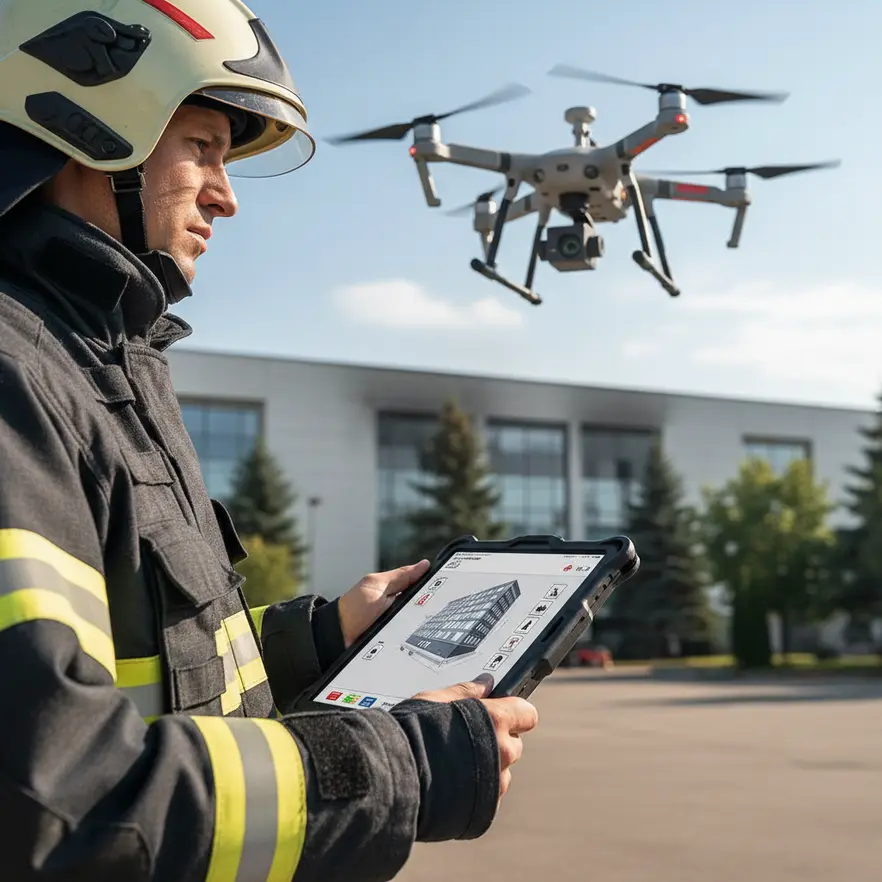
We’re officially in an era where drones may beat firefighters to the front door. Sensors now track heat signatures, chemical levels, and oxygen flow before boots even hit pavement. And while Robocop won’t carry a hose anytime soon, AI-based dispatch and area modeling is streamlining emergency response like never before.
New developments can integrate tech-forward protections from day one. Digital blueprints aid station logistics. Heat map simulations dictate the highest-risk corridors. Heck, there’s even AR-assisted evacuation training for businesses — like a fire drill but with cool glasses and no awkward hallway clumps.
Technology shouldn’t replace firefighters. It should enhance them, supercharge them, and ensure they’re never walking into a situation blind.
Community Awareness Isn’t Optional Anymore
Residents renting those shiny new lofts need to understand how fast things can go wrong — and how right things can go when they’re informed. Fire safety goes well beyond signage and the once-a-year drill with lukewarm coffee.
Neighborhood associations, office managers, and even local influencers (there’s always one) play pivotal roles in advocating preparedness. Annual workshops, emergency kits, floor-specific action plans — these save time and lives when conditions get real. A safety-conscious community works alongside infrastructure, not against it.
FAQ: Told You We’d Fit This In
- How does commercial development impact fire safety planning?
It increases demand for services and requires updated infrastructure, staffing, and code enforcement to ensure proper coverage. - What are the key elements of local fire protection infrastructure?
Fire stations, hydrants, access roads, trained personnel, communication systems, and equipment tailored to the area’s specific risks. - Why is fire safety planning inside Orange County so crucial?
Due to rapid population and business growth, proactive planning ensures lives and property are protected amid increasing density. - Can developers work with fire authorities during planning stages?
Yes. Involving emergency services early leads to safer designs and smoother approvals. - What role does technology play in fire safety infrastructure?
It improves response times, detection, and planning accuracy using sensors, AI, and real-time data analytics.
Conclusion: The Blueprint for Safety Begins Before the Concrete Pours
It’s a thrilling time to watch our cities expand, but only if we build with safety in mind. Rapid development comes with high stakes and even higher responsibilities. By aligning smart strategy, tech, and collaboration, we turn risk into resilience.
Turn growth into long-term protection
Ready to shape a safer tomorrow? Partner with experts in fire safety planning inside Orange County and keep every square foot of progress protected.
Know Your Weapon Before You Fight the Flame
Kord Fire Protection is your go-to when it comes to all things fire protection. For over 20 years, we’ve been serving Southern California with the quality service and equipment to keep your home or business safe at all times. Our competitive prices reflect our unwavering commitment to protecting what matters most in the event of a fire emergency. Give us a call, send an email, or use that form!

Join Our Newsletter!
Get the latest fire safety tips delivered straight to your inbox From our Newsletter.


