
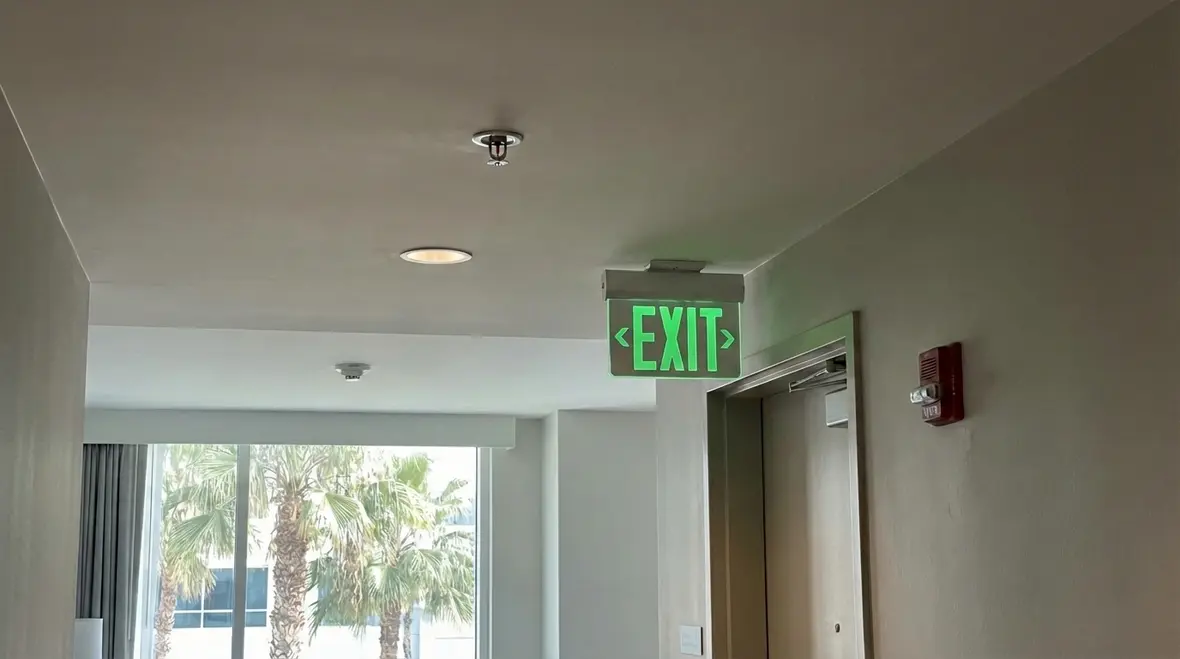
Fire Protection Systems for Hotels in Anaheim
Hotels in Anaheim do not just offer warm cookies at check in and a view of fireworks over the park. They carry a deeper promise. They promise safety. That promise rests heavily on well designed Fire Protection Systems that stand guard day and night. Within the first moments of smoke or flame, these systems move faster than any front desk manager ever could. And in a city that welcomes millions of visitors each year, that speed matters.
Kord Fire Protection technicians often explain it in simple terms. A hotel is a small city stacked vertically. People sleep, cook, charge devices, run laundry, and gather in ballrooms all under one roof. Therefore, protection must be layered, smart, and always ready. What follows is a clear guide to what hotels in Anaheim truly need to stay compliant, safe, and open for business.

Understanding Fire Protection Systems Required for Hotels in Anaheim
Anaheim hotels must follow California Fire Code regulations as well as local ordinances. However, compliance is not about checking boxes. It is about creating an environment where guests feel safe without ever noticing the machinery behind the scenes.
Hotels fall under R 1 occupancy in the building code. Because of that classification, they require automatic sprinkler systems, fire alarm systems, smoke detection, emergency lighting, and clearly marked exits. In addition, larger hotels with assembly spaces such as conference rooms must meet additional requirements for occupant load and alarm notification.
Kord Fire Protection technicians often remind property managers that enforcement in Anaheim is strict for good reason. With tourism as the lifeblood of the city, public safety remains a top priority. As a result, inspections are thorough and ongoing. No one wants a surprise visit from the fire marshal to feel like a plot twist in a disaster movie.
Moreover, hotels must maintain documentation of inspections, testing, and maintenance. This paper trail proves that the building remains protected long after installation. While paperwork may not feel heroic, it keeps the real heroes in working order.
For a deeper overview of regional code-compliant services, many Anaheim properties partner with providers that understand local standards, such as Anaheim fire protection services that focus on sprinklers, alarms, and suppression systems.
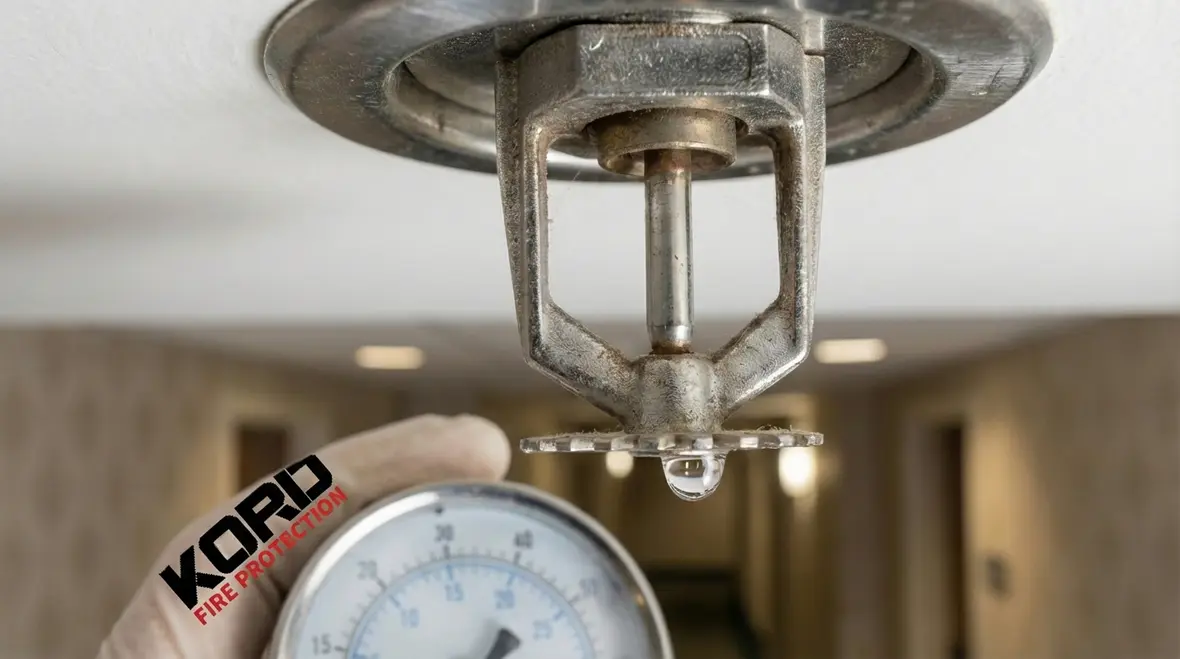
Automatic Sprinkler Systems and Water Based Suppression
When people think of fire suppression, sprinklers usually come to mind. And yes, they still work exactly as intended. Contrary to movie myths, one small flame does not trigger every sprinkler head in the building. Only the head exposed to heat activates. So, no, guests will not wake up to a surprise indoor rainstorm because someone burned toast on the third floor.
In Anaheim hotels, automatic sprinkler systems are mandatory for most new constructions and many existing properties. These systems must:
- Cover all guest rooms, corridors, storage areas, and service spaces
- Connect to a reliable water supply with adequate pressure
- Include monitored control valves
- Undergo regular inspection and testing
Additionally, backflow prevention devices protect the city water supply. Kord Fire Protection technicians emphasize that water flow testing is not a one time event. It must occur annually, and sometimes more frequently depending on the system type.
Hotels with commercial kitchens also require hood suppression systems. Grease fires behave differently than paper or fabric fires. Therefore, specialized wet chemical systems are installed under hoods to suppress flames quickly and prevent re ignition.
Because Anaheim hotels often feature restaurants, banquet halls, and rooftop bars, water based systems must integrate seamlessly with other suppression components. Each layer supports the next. It is less like a single hero and more like a well rehearsed orchestra.
From sprinkler design and testing to backflow system support, hotels often rely on comprehensive partners who can handle the full scope of water-based protection, similar to the coverage described in full fire protection services.
Fire Alarm and Detection Requirements in Hospitality Buildings
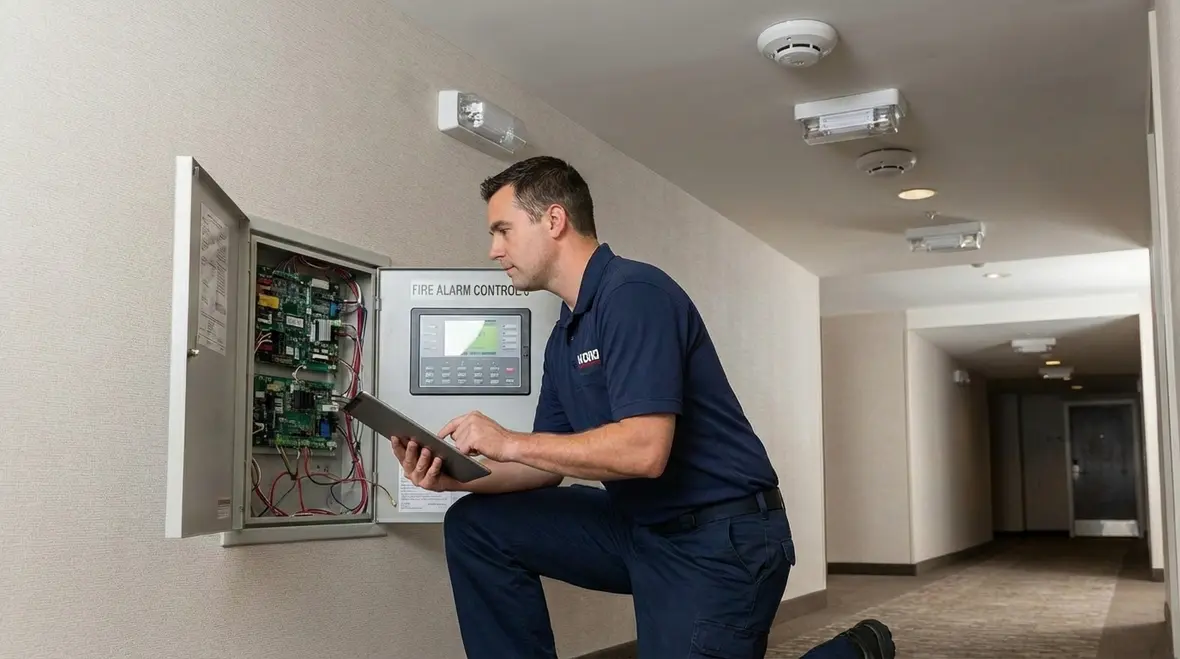
If sprinklers are the muscle, alarm systems are the voice. A hotel fire alarm system must detect smoke or heat early and notify occupants immediately. That means visible strobes, audible alarms, and in many cases voice evacuation messages.
California code requires smoke detectors in guest rooms, corridors, and common areas. Furthermore, detectors must connect to a central fire alarm control panel. When triggered, the system alerts building occupants and often transmits a signal to a monitoring station.
Kord Fire Protection technicians explain that addressable alarm systems are common in larger Anaheim hotels. These systems pinpoint the exact device in alarm. Instead of a vague warning, staff can see that smoke has been detected in room 512 or in the laundry area. Consequently, response becomes faster and more precise.
Emergency communication also matters. Hotels with high occupant loads may require voice evacuation systems. These systems broadcast clear instructions rather than just a horn sound. In a building filled with travelers from around the world, clarity reduces panic.
Regular testing is not optional. Monthly visual checks, annual functional testing, and battery inspections ensure the system remains reliable. After all, a silent alarm during an emergency helps no one.
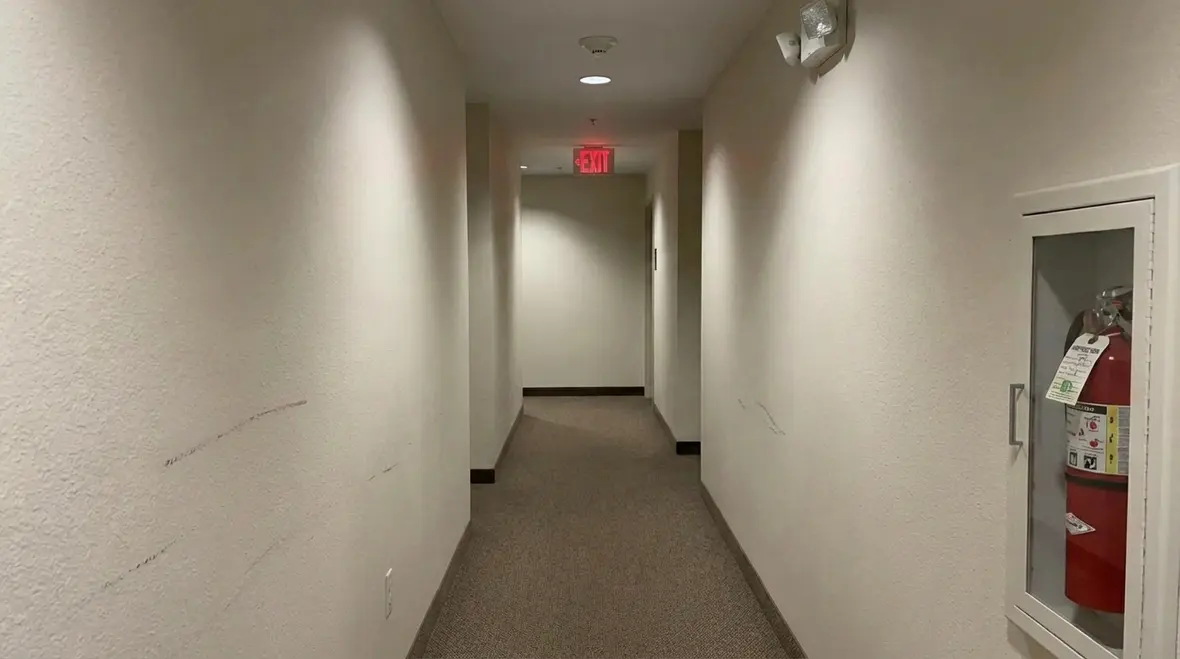
What Fire Safety Equipment Must Hotels in Anaheim Maintain?
Beyond large scale systems, hotels must maintain portable and structural safety features. These components may seem small, yet they play a powerful role in overall protection.
Fire extinguishers must be placed in accessible locations, typically within 75 feet of travel distance. They require annual servicing and monthly visual checks. Additionally, staff should receive training on proper use. A well placed extinguisher is only helpful if someone knows how to operate it.
Emergency lighting ensures that corridors and exit paths remain visible during power loss. Battery backed units must operate for at least 90 minutes. Routine testing confirms performance.
Exit signage must remain illuminated and clearly visible. In a smoke filled hallway, a glowing exit sign becomes a beacon of calm direction.
Fire doors and rated assemblies prevent the spread of smoke and flames. However, these doors must self close and latch properly. Propping one open for convenience may seem harmless, yet it compromises the entire compartmentation strategy.
Kord Fire Protection technicians often say that fire safety is a chain. Each link must hold. If one link fails, the whole chain weakens. Therefore, small details deserve just as much attention as major systems.
For many hotel teams, recurring extinguisher maintenance and inspections become much easier when they follow structured routines similar to those outlined in resources like monthly and annual fire extinguisher service guides.
Inspection, Testing, and Documentation Standards
Installing equipment is only the beginning. Ongoing inspection and testing keep a hotel compliant and protected. Anaheim authorities expect adherence to national standards such as NFPA guidelines, which outline frequencies and procedures.
For example, sprinkler systems require annual inspections, quarterly valve checks, and periodic internal pipe assessments. Fire alarm systems demand annual testing of devices and notification appliances. Meanwhile, kitchen suppression systems typically require semi annual service.
Below is a simplified overview presented in dual columns for clarity.
System Component
Automatic Sprinkler System
Fire Alarm System
Kitchen Hood Suppression
Fire Extinguishers
Emergency Lighting
Typical Inspection Frequency
Quarterly and Annual
Annual Full Test
Every 6 Months
Monthly Visual and Annual Service
Monthly Quick Test and Annual 90 Minute Test
Documentation of each service visit must remain on site. Inspectors may request records at any time. Consequently, organized logs protect hotel owners from fines and liability.
Kord Fire Protection technicians often walk managers through these schedules step by step. They translate technical standards into clear action plans. That way, compliance feels manageable rather than overwhelming.
Integrating Fire Protection Systems with Hotel Operations
Hotels operate around the clock. Guests check in at midnight. Housekeeping starts early. Events run late into the evening. Therefore, Fire Protection Systems must function without disrupting daily operations.
During renovations, system modifications often become necessary. Adding guest rooms or expanding a ballroom can change occupancy loads and sprinkler coverage needs. As a result, coordination with licensed professionals is essential before construction begins.
Kord Fire Protection technicians regularly collaborate with contractors, architects, and property managers. They review plans, calculate hydraulic demands, and confirm that alarm devices align with updated layouts. By addressing changes early, hotels avoid costly rework later.
Staff training also plays a vital role. Even the best system benefits from informed employees. Front desk teams should know how to respond to alarms. Maintenance staff should understand control valves and panel basics. Moreover, management should conduct fire drills where required.
When operations and safety align, the building runs smoothly. Guests never see the behind the scenes coordination. They simply enjoy their stay, blissfully unaware of the quiet guardians in the ceiling and walls.
Why Professional Expertise Matters in Anaheim Hospitality
Anaheim presents unique challenges. High occupancy rates, international visitors, and large event spaces demand advanced planning. In addition, local authorities enforce codes with precision. Therefore, working with experienced professionals becomes more than a convenience. It becomes a necessity.
Kord Fire Protection technicians bring field knowledge shaped by years of servicing hotels and commercial buildings. They understand how local inspectors interpret code. They anticipate common violations. And they explain complex requirements in plain language.
For instance, they often clarify the difference between a supervisory signal and an alarm condition. While that may sound like trivia night at a safety convention, understanding the distinction helps staff respond correctly. Knowledge reduces panic. Preparation builds confidence.
Furthermore, professional oversight ensures that systems integrate properly. Sprinklers must align with ceiling design. Alarm strobes must meet visibility standards. Suppression systems must coordinate with fuel shut off valves. Each element interacts with the next.
In a city known for magical experiences, safety may not feel glamorous. Yet it forms the foundation of every positive review and repeat visit.
FAQ About Hotel Fire Safety in Anaheim
Secure Your Hotel with Expert Support
Every hotel in Anaheim carries a responsibility that extends beyond hospitality. It must protect every guest, every employee, and every memory created within its walls. Reliable fire safety measures make that protection possible.
Kord Fire Protection technicians stand ready to design, inspect, and maintain the systems that keep hotels compliant and secure. From sprinklers and alarms to suppression systems and extinguishers, their teams help ensure that the safety behind the scenes remains as strong as the welcome at the front desk.
If your Anaheim hotel needs support with inspections, upgrades, or new construction, consider scheduling a service visit or consultation with a dedicated provider. A regional program, such as Orange County fire protection services, can coordinate testing, documentation, and repairs across all of your properties.
Know Your Weapon Before You Fight the Flame
Kord Fire Protection is your go-to when it comes to all things fire protection. For over 20 years, we’ve been serving Southern California with the quality service and equipment to keep your home or business safe at all times. Our competitive prices reflect our unwavering commitment to protecting what matters most in the event of a fire emergency. Give us a call, send an email, or use that form!

Join Our Newsletter!
Get the latest fire safety tips delivered straight to your inbox From our Newsletter.


