Fire Protection Strategies for Schools Large and Small
By the time you smell smoke, it’s too late to read the manual. That’s why fire protection needs to be proactive, not reactive—especially in schools. And when it comes to proper school fire protection guidelines, Santa Ana K-12 campuses don’t play around.
From sprawling high school districts to cozy neighborhood elementary schools, every educational setting comes with its own fire safety demands. Sure, they all follow the baseline in fire codes, but tailoring strategies based on campus size is where the magic (and science) happens. And making that magic happen? That’s where seasoned pros like the technicians from Kord Fire Protection step in—explaining everything from sprinkler placement to egress timing like it’s their favorite bedtime story.
So let’s break it down. Grab your mental notepad, and maybe a snack. This is going to be safer—and way more engaging—than that time you watched a 90s chemistry lab go up in smoke on reruns of Saved By the Bell.

Why Campus Size Impacts Fire Strategy More Than You’d Think
A school is not just a school. A tiny K-5 facility with four classrooms and a tray of goldfish crackers isn’t facing the same fire risks—or requiring the same response blueprint—as a multi-building high school packed with lab chemicals, electrical theaters, and teenagers who think microwaving a soda can is “cool.”
Larger campuses involve higher occupancy, longer distances to exits, more complex building structures, and multiple occupancy types. Smaller schools may sound simple, but they often lack integrated systems and still must meet the same intensity of response under the clock.
So whether you’re managing safety for an 800-square-foot schoolhouse or a 10-acre district compound, understanding the scale changes the script entirely. Kord technicians always emphasize: “Fire strategy isn’t copy & paste. It’s design & tailor.”
Built for Safety: Design Differences in Small vs. Large Educational Buildings

Think of building design like a Netflix series. Season one (small campuses) is compact, fast-paced, and linear. By season five (mega campuses), there are multiple plotlines, character arcs, and a mysterious door labeled “Boiler Room” no one wants to open.
In smaller schools, fire protection usually involves:
- Basic fire alarms and manual pull stations
- Minimal smoke compartmentation
- Simple evacuation plans with single-directional egress
Meanwhile, larger campuses add layers:
- Zoned fire alarm systems with voice evacuation
- Automated fire dampers and cross-compartment controls
- Custom-designed layouts integrating multiple assembly points
Design isn’t just about aesthetics. It’s the silent co-star supporting the real star: time. More space, more time needed to evacuate, more engineering needed to slow the fire’s roll. That’s what percolates into every schematic Kord reviews when crafting plans under the official school fire protection guidelines Santa Ana K-12 campuses rely on.
Evacuation Tactics That Scale… or Don’t
Here’s where things get serious—and a little heart-pounding. Evacuation procedures in smaller schools are often whip-fast. There’s usually one or two main hallways, and the kids know exactly where the giant inflatable dragon mascot is on the lawn, which—fun fact—doubles as a headcount zone.
In larger school districts?
Now you’re managing:
- Multiple exit points
- Independent building-specific protocols
- Elevators, stairwells, and sometimes subterranean risks
- Mobility aid strategies for accessible exits
Kord technicians frequently help administrators design drills that mimic real-time complexity without tipping into chaos. “A fire drill is not just a fire drill,” one of them jokes. “It’s choreography—like high-stakes ballet with fewer tutus and more fire exits.”
Common Hazards Unique to Campus Type and Size
The hazards hiding within a school often hide in plain sight. On smaller campuses, the prime suspects include overloaded outlets, outdated fire extinguishers, and Johnny in fourth-grade science who’s real curious about matches.
But on larger campuses? It’s a buffet of opportunity for disaster:
- Extensive data server rooms
- Theatrical fog machines (we see you, drama club)
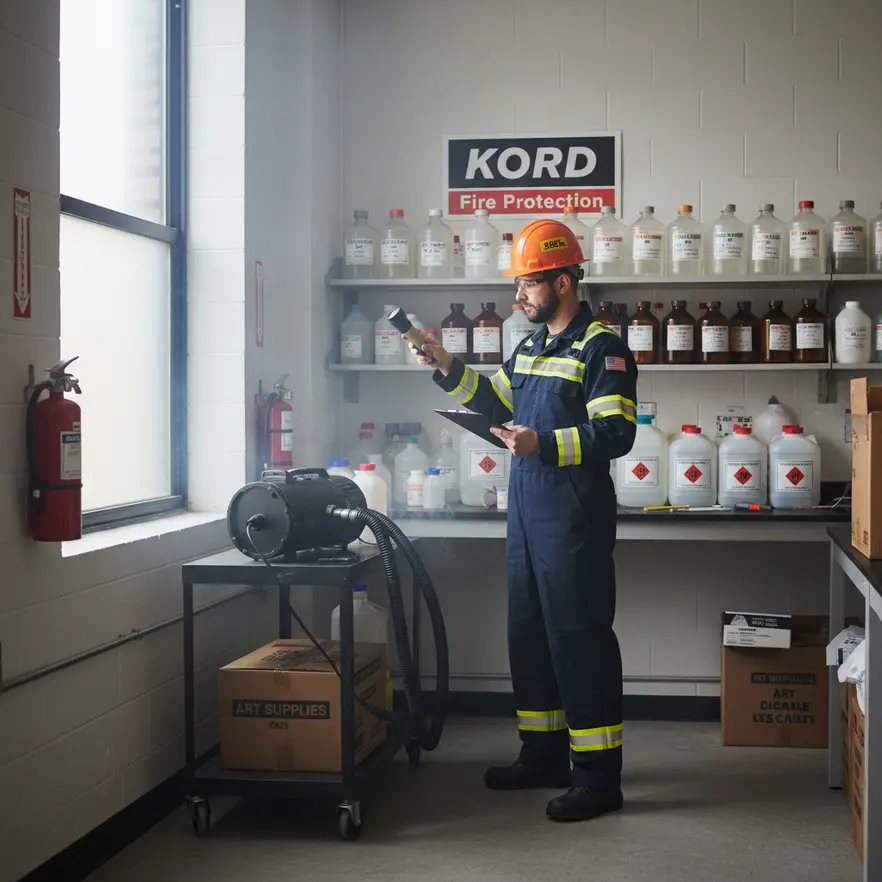
- Combustible material stockpiles used in art departments
- Lab chemicals with expiration dates older than the current students
Every time Kord sends in their team for an inspection, they spot these micro-risks before they evolve into four-alarm calls. The difference isn’t always in what schools have, but how many opportunities for error each system allows. And the bigger the school, the higher the odds someone left the popcorn machine on in the faculty break room—again.
Dual Column: Who Handles What in Small vs. Large Campuses
| Small Campus Fire Management | Large Campus Fire Management |
|
|
In short: One type of team needs to know where the extinguisher is. The other? Needs spreadsheets, radio systems, and coffee. Lots of coffee.
Emergency Systems Integration: The Tech Grows With the Campus
Large campuses tend to integrate technology like they’re building a spaceship. And rightly so. Smart fire alarm panels, biometric access, heat sensors tied to cloud systems—these aren’t bells and whistles. They’re necessity fuel.
Meanwhile, smaller schools usually run efficient, but less sophisticated, systems. And while a good ol’ fashioned bell still technically works, today’s codes (especially the updated school fire protection guidelines Santa Ana K-12 campuses use) expect voice alerts and faster response connections to 911 dispatch.
Kord is known for helping districts modernize—for both code compliance and peace of mind. Their team often jokes that their toolkit looks less like a fireman’s belt and more like something Tony Stark would keep in a school-ready Iron Man suit.
Training Makes or Breaks the Whole Operation
You can have the best extinguishers, the fanciest alarms, and a golden fire hydrant outside (OK, don’t spend your budget that way)… but if your staff isn’t trained, it’s a no-go. That’s gospel for fire protection plans.
Smaller schools typically rely on in-service days and crash courses led by local fire departments. Large campuses? They need game-day strategy:
- Scheduled training by certified pros like Kord’s tech team
- Tabletop incident simulations
- Annual multi-agency drills integrating EMS, Police, and city fire crews
When Kord gets involved, they don’t just talk at staff—they work with them. One technician actually compared a training session to “a live-action version of Clue, only this time Mrs. Peacock’s holding a fire blanket, not a candlestick.”
Does Budgeting Determine Strategy? You Bet It Does
Let’s be real. Fire safety isn’t free. Nor should it be. But whether it’s custom dampers or battery backups for voice alarm systems, funding matters. Larger institutions often secure bonds or grants to fund systemwide upgrades. Smaller campuses might fundraise with PTA bake sales, and no, cupcakes don’t extinguish flames (we checked).
But Kord is famously pragmatic. Their team is known for crafting scalable solutions that meet code without bloating cost. They’ve worked with districts that had more duct tape than duct planning—and still brought them into compliance without drama, or llama mascots being singed.
FAQ: Fire Safety for K-12 Schools, From Santa Ana and Beyond
What’s required in a school fire protection system?
A: At minimum, schools need alarms, sprinklers or extinguishers, evacuation plans, and regular drills.
Do larger schools require more frequent inspections?
A: Not always more frequent, but definitely more thorough and system-specific.
Can smaller schools skip sprinklers?
A: Not if they meet occupancy thresholds. Codes apply across the board.
Are fire drills legally required in California?
A: Yes, every school must conduct regular fire drills under state law.
Who determines if a fire strategy is valid?
A: Certified fire safety technicians, like those from Kord, assess plans and compliance.
Conclusion: Don’t Wait for a Near Miss to Plan the Next Step
Schools are more than buildings—they’re safe zones. At least, they should be. Whether running a tiny charter school or a massive public campus, the way fire safety is handled says a lot about who’s paying attention. And with strict fire protection guidelines like those applied to Santa Ana K-12 campuses, there’s zero room for “good enough.”
Call Kord Fire Protection today and rethink not just your plans, but your peace of mind. Because safety doesn’t happen by chance — it happens by plan.
Know Your Weapon Before You Fight the Flame
Kord Fire Protection is your go-to when it comes to all things fire protection. For over 20 years, we’ve been serving Southern California with the quality service and equipment to keep your home or business safe at all times. Our competitive prices reflect our unwavering commitment to protecting what matters most in the event of a fire emergency. Give us a call, send an email, or use that form!

Join Our Newsletter!
Get the latest fire safety tips delivered straight to your inbox From our Newsletter.