Fire Extinguisher Placement Guide for Australia
Quick Answer: Fire extinguisher placement directly affects how fast staff can stop a small fire before it grows. Following a fire extinguisher placement guide helps facilities set the right travel distance, mount height, and spacing by risk and layout. With proper signage and training, teams respond faster and safer.
In Australian industrial, retail, and commercial facilities, a fire can start quietly and grow quickly, like a bad decision near the last slice of pizza. That is why the fire extinguisher placement guide matters. It covers where units go, how high they mount, and how far occupants must travel to reach one. However, placement is only the start. In practice, a facility also needs clear paths, correct extinguisher types, and ongoing checks that match how the site actually operates today. When these details align, safety improves, incidents reduce, and audits feel less like a surprise pop quiz.
For facilities that want support beyond placement diagrams, Kord Fire Protection also offers fire extinguisher service and certification to help keep installed units compliant, visible, and ready for real-world use. That kind of follow-through matters, because a correctly placed extinguisher still needs to be maintained, inspected, and matched to the risk around it.
Why extinguisher location decides how fast a fire gets stopped
In the moment, people do not think in engineering terms. They move. Therefore, location becomes the difference between “small event” and “full response.” When extinguishers sit behind storage, inside awkward corners, or at the far end of a corridor that is always blocked, response time stretches. And once heat, smoke, and panic roll in, even the best training can lose its edge.
So, facilities that follow a strong fire extinguisher placement guide treat placement like part of their emergency plan. They aim for quick access from normal walk routes, not just from a theoretical floor plan. Then they align that strategy with extinguisher type, risk area, and occupant flow. In other words, they set up the “first action” tool where the first action can actually happen.
How to choose the right spots across industrial and retail layouts
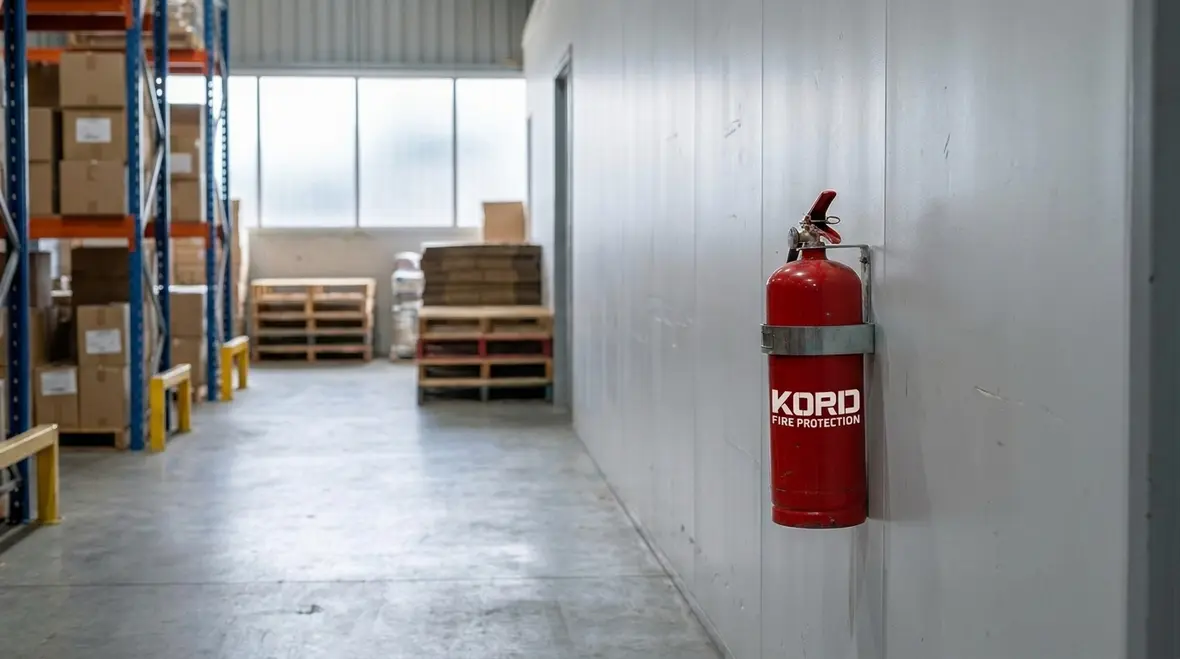
Sites in Australia vary widely, and the placement plan must respect those realities. In warehouses, forklifts, racking, and stock movement can block access. In retail, customer aisles shift, seasonal displays appear, and staff circulate from back-of-house to the floor. In offices and mixed-use buildings, the risk shifts by kitchen, electrical rooms, and maintenance areas.
To place units well, teams should do three practical steps. First, they map travel routes that staff regularly use during a shift. Second, they identify high-risk zones such as kitchens, switchboards, motor areas, paint handling, or flammable storage. Third, they place extinguishers so responders can reach them without detours, stepping over obstacles, or squeezing past locked doors.
Also, they should consider visibility. A unit that exists on paper but cannot be seen in smoke or clutter becomes a “ghost extinguisher.” That is the one that never helps, like a gym membership you forget you still pay for.
Think like the person who has to reach it
A placement plan looks much better when it leaves the spreadsheet and enters the building. Teams should stand in actual work zones, walk the route, and ask whether someone under pressure could spot the extinguisher immediately. If the answer is “eventually,” the location probably needs work.

Key placement rules that protect people and keep inspections calm
Correct mounting and spacing reduce confusion when someone reaches for a unit under stress. Facilities should follow key rules consistently: units should mount at an accessible height, signage should clearly indicate location, and placement should keep the extinguisher reachable even if part of the area is partially blocked.
Next, they should respect spacing and travel distance so occupants do not have to sprint across the floor with a plan formed from hope. The best installations also account for door swings, narrow passages, and changes in how space gets used. For example, a seasonal retail display might narrow an aisle, and a temporary work zone can reduce visibility. When the site changes, placement plans must reflect it.
Finally, they must ensure the right unit goes into the right spot. If a risk area needs a specific agent type, placing a “universal guess” extinguisher can create a false sense of security. Fire response works best when the first tool matches the fuel and fire class present at that location.
Consistency beats improvisation
Teams should not leave extinguisher placement to habit, convenience, or whoever happened to have a drill that day. A consistent standard across the site makes the system easier to understand, easier to inspect, and much easier to trust when the pressure rises.
Mounting height, signage, and access: the details people forget
Many facilities place extinguishers correctly at first, then slowly sabotage the system through everyday operations. Over time, shelves move, signage fades, and paths get narrowed. That is why operational details deserve attention.
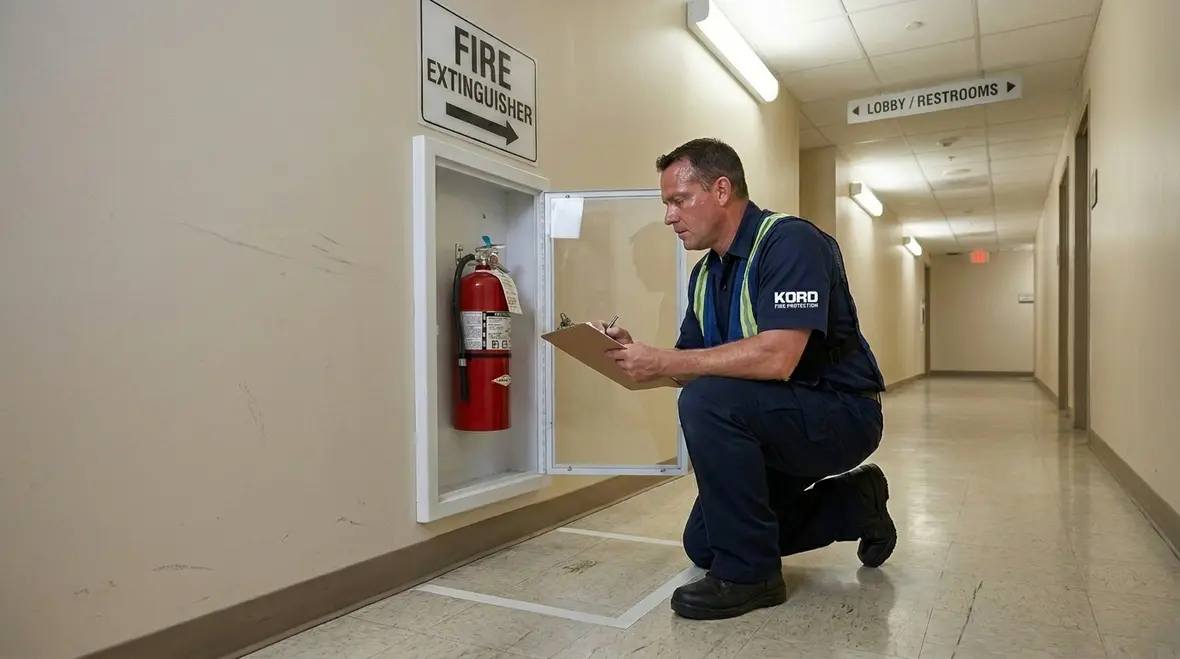
Mounting height: A person must reach the handle quickly without climbing, stretching, or searching. If staff need to reposition furniture or step onto unsafe surfaces, response time increases.
Clear access: Extinguishers need unobstructed reach. Loading bays, storage cages, and staff-only areas can slowly “claim” the space around extinguishers. Facilities should lock down that buffer area so it stays clear.
Signage and wayfinding: Even when extinguishers are in the right place, people must spot them fast. Therefore, facilities should use visible indicators at eye level and ensure lighting works during shifts.
Path integrity: Exits and walk routes must remain usable. When walkways shift due to new racks or seasonal layouts, the placement strategy must adjust. Otherwise, the unit becomes harder to reach than it looks.
This is where Kord Fire Protection can become a vital partner. Instead of treating placement as a one-and-done installation, they help facilities keep the system aligned with how the building functions today. They support the ongoing assessment mindset that most sites only remember after an audit, or after something goes wrong. Nobody wants the “after” version of safety.
Match extinguisher placement to risk, not just the building plan
Risk-based placement works better than a one-size approach. Facilities should divide the site into zones based on likely ignition sources, fuel types, and heat release potential. Then they match extinguisher types and quantities to those zones.
For example, a warehouse near electrical panels might need appropriate coverage for electrical hazards. A break area with cooking equipment requires a different focus than a corridor of office spaces. In retail, power boards, store fitting materials, and cleaning chemicals create different fire profiles than empty stock rooms.
Additionally, facilities should account for practical reach. A unit placed near an open area but behind a locked gate is not accessible when it matters. Therefore, the placement plan should include real access during normal operations, not just during ideal conditions.
Where a broader strategy is needed, Kord Fire Protection’s full fire protection services can tie extinguisher planning together with alarms, sprinklers, testing, and inspection readiness. That connected approach helps facilities avoid treating each safety system like it lives on its own little island.
Operational checks and maintenance that keep placement effective
Placement alone does not stop fires. Extinguishers must work when needed, and the environment around them must stay usable. So, facilities should schedule inspections and ensure that tags, pressure gauges, and seals remain within acceptable ranges.
They should also review placements after layout changes. Common triggers include new racking, relocated stock, new workstations, updated electrical works, or renovations. Then they verify that signage and pathways still match the intended emergency movements.
Training supports placement. Staff should understand where extinguishers sit, what they look like, and when to use them. In many facilities, training stays generic, which leads to hesitation. When staff receive placement-aware training, they respond faster and with less confusion.
Kord Fire Protection can assist by linking compliance, practical access, and site-specific realities. They help teams move from “we have extinguishers” to “our extinguishers are positioned for real response.” That shift turns safety from paperwork into performance, which is exactly what stakeholders want during audits and incidents alike.
Common mistakes that quietly reduce safety
Even experienced teams make placement errors. One common issue involves locating extinguishers where they look convenient, but not reachable during everyday operations. Another involves inconsistent signage, where some areas show clear indicators and others rely on memory. Memory is great for birthdays, not for emergencies.
Facilities also sometimes place extinguishers too close to heat sources without considering safe mounting and access. Others forget that doors, barriers, and temporary displays can block access. In retail, seasonal stock can creep into aisles faster than anyone can update the floor plan.
Finally, facilities may fail to update the system after an extinguisher gets moved for repairs or replaced with a different model. A placement plan should track the real installed status, not just the original intention.
Featured FAQ
Conclusion: make placement part of safety leadership
Fire extinguisher placement is not a “set and forget” task. It decides how quickly staff can act, how safely they can access units, and how effectively extinguishers match the risks around them. By following a fire extinguisher placement guide, reviewing access after changes, and training staff, facilities build a safer response that holds up under pressure.
For businesses that also need connected system support, Kord Fire Protection’s fire alarm service systems page fits naturally alongside extinguisher planning and broader readiness work. For help turning placement into performance, contact Kord Fire Protection and plan the next upgrade with confidence.

Join Our Newsletter!
Get the latest fire safety tips delivered straight to your inbox From our Newsletter.