Advanced Fire Suppression System Testing for Reliability
Quick Answer: Advanced fire suppression system testing goes beyond simple inspections. It combines functional checks, hardware verification, and controlled discharge evaluations to confirm proper operation under real-world conditions. Facilities that pair disciplined testing with full fire protection services gain a stronger path to compliance, lower disruption, and better protection for people and assets.
For teams looking at connected oversight as well as physical testing, smart fire monitoring and data-driven safety systems fit naturally into a modern reliability plan. Better visibility means fewer blind spots, more usable records, and less chance of discovering a system problem at the exact worst possible moment. Nobody wants their emergency plan to debut like a shaky first rehearsal.
Advanced fire suppression system testing that proves reliability
Modern facilities do not get to guess whether a suppression system will work when it matters. Instead, teams run fire suppression system testing that verifies every key part, from detection to control logic to agent release. The approach reflects how systems have evolved for industrial, retail, and commercial use, where downtime can cost money faster than a movie villain can monologue.
However, testing alone does not create safety. Good testing creates confidence. It shows owners, insurers, and regulators that the system responds correctly, consistently, and within required limits. And yes, it also helps teams avoid the classic mistake of treating pass as a vibe instead of a measurable outcome.
What modern systems require beyond basic checks
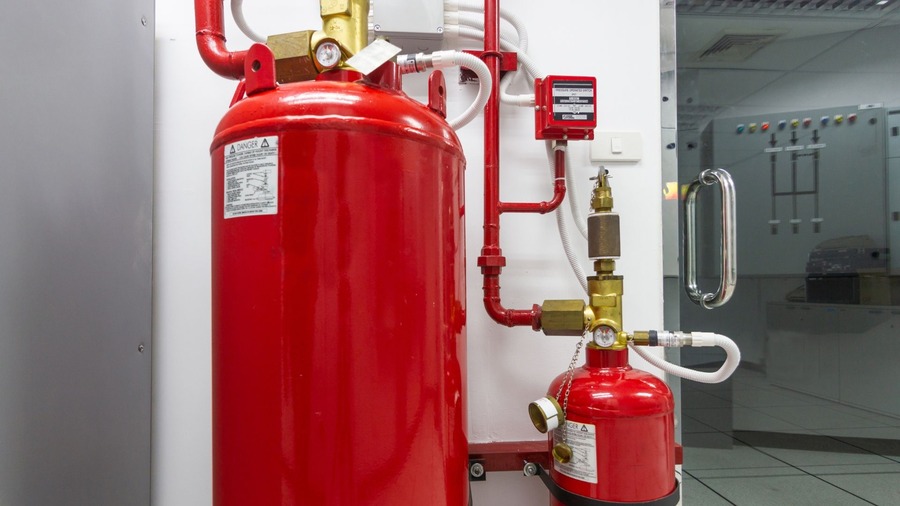
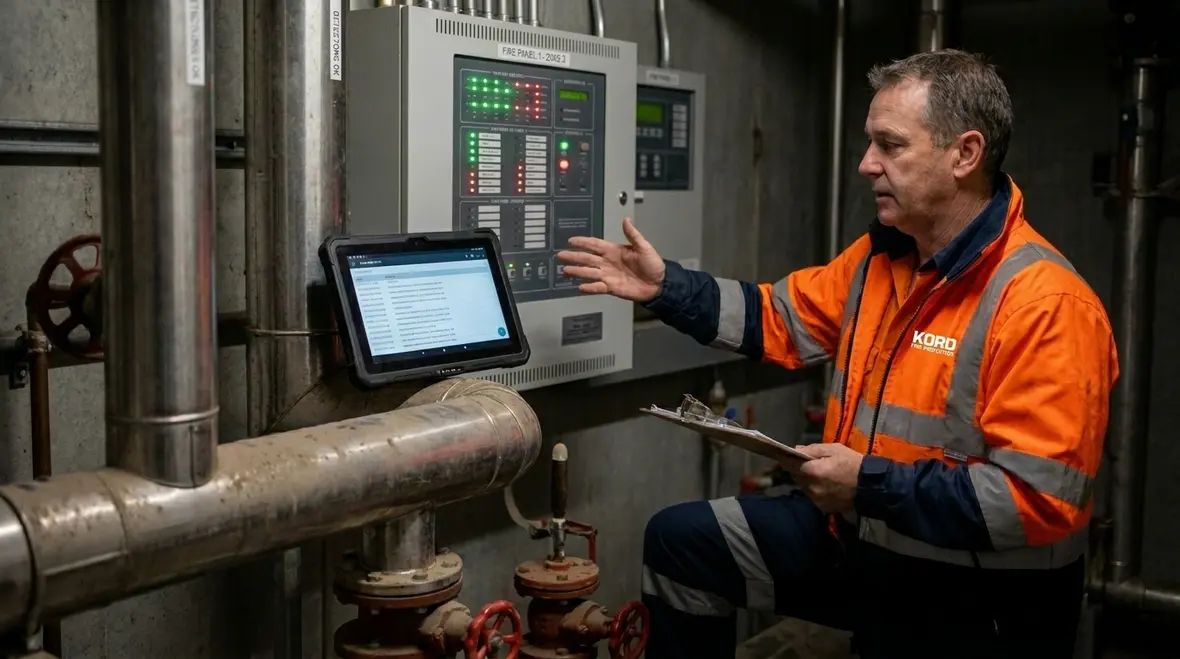
Many facilities start with routine inspection, but advanced verification goes further. First, technicians confirm that the detection side performs as designed. Then they validate alarm interfaces, control panels, and shutdown sequences that coordinate suppression with building operations. After that, they check the agent storage and delivery path, because a system can be installed correctly and still fail due to pressure loss, valve misalignment, or a blocked path.
Finally, they validate the full chain of cause and effect. This includes how the panel announces, how doors release or hold, how ventilation responds, and how any interlocks behave. In other words, it tests the system as a system, not as a collection of parts trying to act like a team.
Why sequence validation matters more than a checklist
A checklist can confirm that parts exist. It cannot prove that timing, sequencing, and communication actually line up under pressure. Advanced testing closes that gap by checking how devices interact in order, how long critical delays take, and whether each action triggers the next one the way the design intended. That matters because real incidents are not polite enough to wait while one stubborn relay decides whether today is its day off.
How functional testing verifies the whole chain
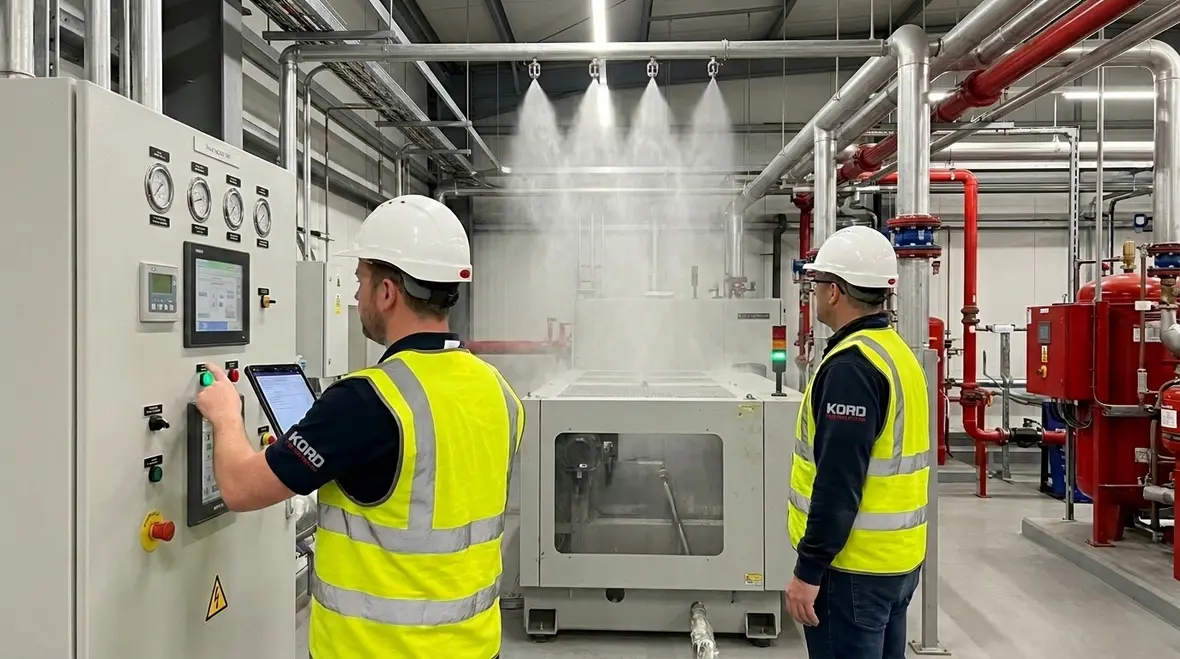
Functional testing focuses on real operating sequences rather than isolated components. For example, teams simulate alarm conditions and confirm that the control panel correctly initiates pre-discharge actions, holds where required, and triggers agent release at the right time. They also confirm that output devices work, including sounders, strobes, and messaging systems used for staff response.
In facilities, this is where advanced methods prevent expensive surprises. For instance, a valve might cycle during commissioning but behave differently under actual conditions weeks later. Therefore, testing should include verification of timing, sequence integrity, and operator notification paths. If the system tells staff too early or too late, it can create chaos, and chaos is not on the compliance checklist.
A strong test window also depends on coordination. Teams often need operations staff, maintenance contacts, and fire protection specialists working from the same script so every action is witnessed, recorded, and confirmed. That kind of planning turns testing from a disruptive chore into a controlled exercise with useful outcomes instead of mystery notes scribbled on a clipboard.
Networked detection, panels, and software logic
Many modern sites use networked detection and integrated fire systems. Consequently, advanced testing must validate communication pathways and the software logic that controls actions. Technicians verify network health, confirm that panel logs match actual events, and test fail-safe behaviour when signals are lost or corrupted.
They also check configuration accuracy. If someone changes a zone layout, adds a control device, or updates a building plan, it can affect how alarms and suppression actions map to physical areas. Therefore, a strong testing plan compares documentation with field reality and confirms device addressing, mapping, and alarm priorities.
One practical approach includes event scenario testing. Technicians trigger controlled scenarios and confirm the panel records them correctly, drives the right outputs, and maintains correct system status. This avoids the it worked once problem and replaces it with repeatable evidence.
Software changes deserve the same respect as hardware changes
When a facility updates software, remaps zones, or adds integrated building controls, the suppression system may still look normal at a glance while behaving differently behind the scenes. That is why post-change testing matters. A minor configuration shift can affect event priorities, delay logic, shutdown signals, or annunciation paths. The screen may look calm while the logic underneath is doing improv comedy, and that is not ideal for life safety.
Controlled discharge and delivery performance checks
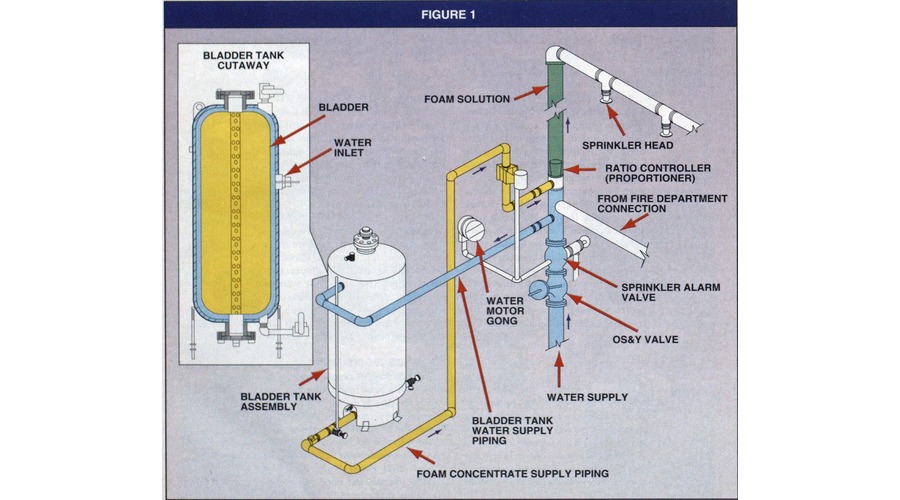
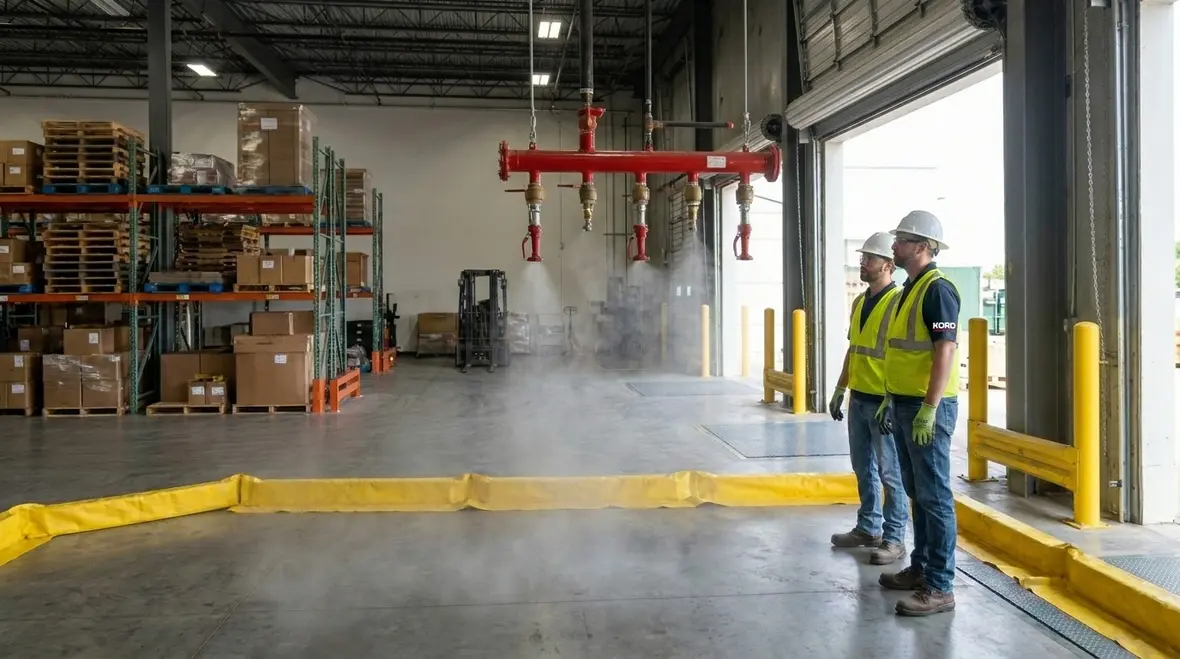
Delivery performance is where suppression systems earn their keep. Advanced testing evaluates agent pressure and discharge conditions, flow through pipework, and behaviour of release devices. In water based systems, that might include verifying pump operation, valve response, and water supply performance. In other systems, it could mean confirming agent release characteristics and ensuring clear distribution where required.
Additionally, testing can evaluate distribution effectiveness, because a system can discharge and still underperform if distribution is not correct. Therefore, teams consider layout, obstructions, and coverage assumptions that designers used. Where appropriate, they use measurement methods that confirm actual performance aligns with design intent.
Now, let us be clear. Controlled discharge does not mean reckless discharge. It means planned testing with containment, safety controls, and clear recovery steps. Facilities need the system back in service, not acting like an oops memorial.
Environmental factors that cause hidden failures
Fire suppression is not immune to reality. Heat, dust, humidity, vibration, and corrosive atmospheres can change how components behave over time. For example, pressure gauges can drift, valves can stick, and detection sensitivity can shift in dusty plant areas.
As a result, advanced testing includes environmental checks that inform service decisions. Technicians review conditions, compare device readings to expected ranges, and validate that the system still operates within acceptable parameters. They also inspect for physical issues that do not show up in paper records, like signs of corrosion at connections or wear on actuator mechanisms.
Testing becomes more useful when it reflects the actual environment, not a generic template. A warehouse, kitchen, data room, plant floor, and retail site all stress equipment differently. The smart move is to shape intervals, methods, and follow-up actions around that reality so the maintenance plan matches the risk instead of pretending every building has the same personality.
Documentation, compliance evidence, and smart maintenance planning
Testing produces value only when results become usable evidence. Advanced methods include structured reporting that records test conditions, results, alarms triggered, device status, and any deviations. Then teams link these findings to maintenance plans, so corrective actions happen quickly and track to closure.
Moreover, advanced testing enables trend analysis. When technicians re-test the same parameters over time, they can detect drift before it becomes failure. This approach helps facilities move from reactive fixes to planned service, which is usually cheaper, less disruptive, and far less stressful than last minute firefighting of maintenance issues.
Good documentation also improves handover between shifts, vendors, and managers. When test records are clear, future teams can see what changed, what passed, what was deferred, and what still needs attention. That means fewer repeated mistakes and fewer moments where everyone stares at the same report trying to decode whether note three means replace, re-test, or just pray a little harder.
How Kord Fire Protection strengthens advanced testing outcomes
Kord Fire Protection does not simply show up with a checklist. It supports advanced fire suppression system testing by treating it as a project with safety controls, clear documentation, and alignment to facility operations. That matters because many failures do not come from the system itself. They come from missed interfaces, outdated drawings, unclear responsibilities, or testing that does not validate the full chain of operation.
Therefore, Kord Fire Protection helps facilities create a repeatable testing program that fits the site, the risk profile, and the schedule. In other words, it brings calm to a process that can feel like herding cats in steel toe boots. And if you have ever tried that, you know it is not a fun hobby.
Facilities that want a broader strategy can also connect testing programs with related support such as fire alarm services and integrated monitoring planning. When detection, notification, suppression, and reporting are treated as one coordinated effort, reliability stops being accidental and starts becoming routine.
FAQ
Conclusion
Advanced fire suppression system testing protects more than equipment. It protects people, continuity, and credibility with regulators, insurers, and internal stakeholders who expect more than crossed fingers and optimistic paperwork. When a facility runs thorough functional checks, delivery verification, and documentation with trend awareness, it moves from hope to evidence.
For teams that want testing coordinated with safety controls, reporting, and a practical service plan, contact Kord Fire Protection. A structured program built around real site conditions gives your facility something much better than reassurance. It gives you proof.

Join Our Newsletter!
Get the latest fire safety tips delivered straight to your inbox From our Newsletter.