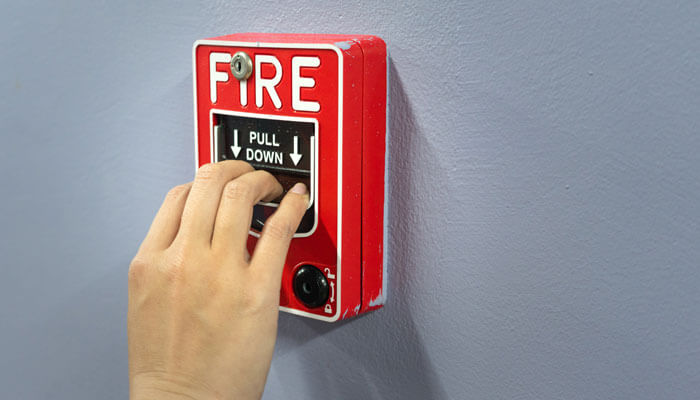
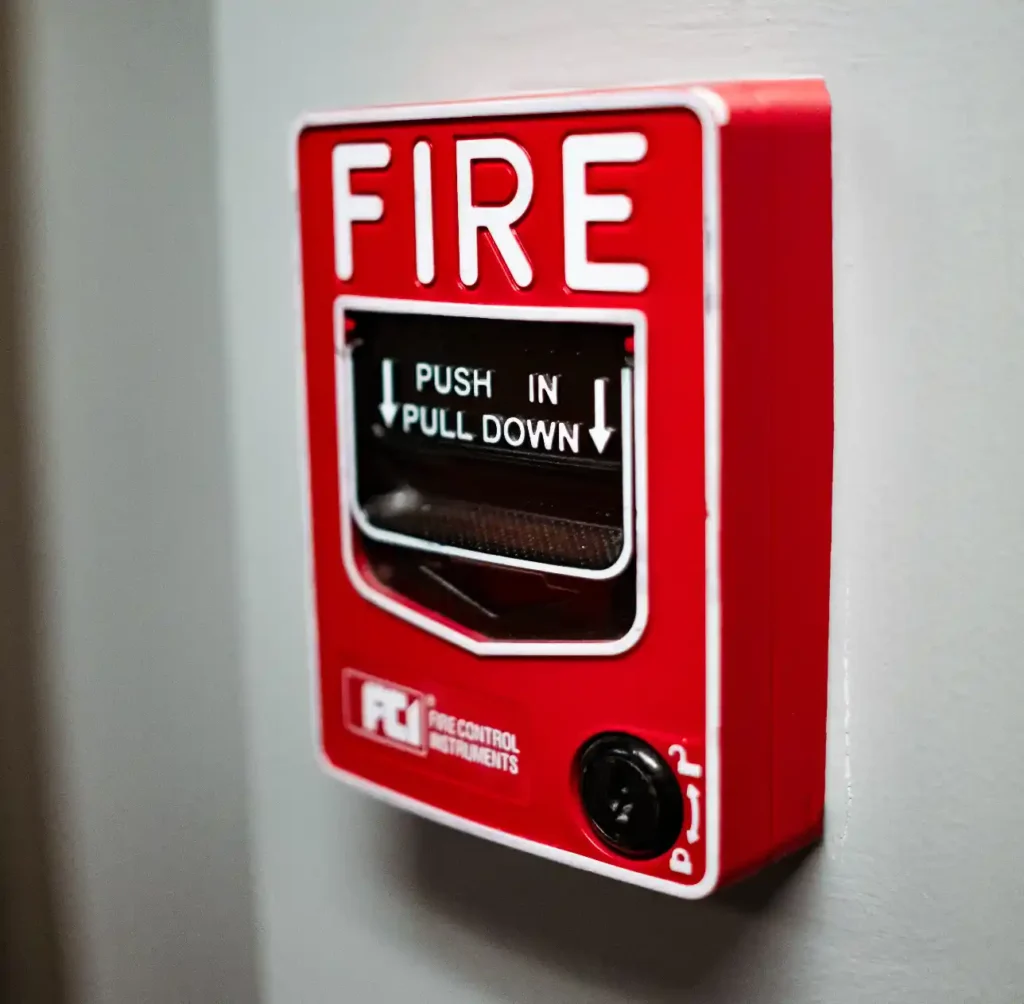
Fire Alarm System Integration with Building Management Software
Quick Answer: Smart fire alarm systems can connect to building management software to improve monitoring, reporting, and response across industrial, retail, and commercial sites. This fire alarm system integration helps staff see events faster, automate actions, and reduce downtime. Kord Fire Protection can act as a vital partner by guiding the design, installation, and commissioning.
Fire alarms do not usually get the spotlight. They sit there, quietly doing their job, waiting for the one moment everyone hopes never arrives. Yet in modern facilities, the expectation has changed. Teams want real time visibility, smoother handoffs between systems, and faster decisions when seconds matter. That is where a well planned fire alarm system integration begins.
By connecting smart fire detection and notification to building management software, a site can translate alarms into clear, actionable information for operations, security, and emergency response. In the sections below, Kord Fire Protection explains how this integration works in real environments, what to watch for during delivery, and why a trusted partner matters when the project goes live. And yes, it still has to work even if someone forgets how the dashboard works. People do that. Constantly.
Near the top of any integration discussion, it makes sense to look at the actual fire alarm side of the equation too. Kord Fire Protection offers fire alarm services and systems that fit naturally into broader building safety strategies, which is helpful when a project needs design support and practical field coordination instead of theory and crossed fingers.
Smart fire alarm system integration explained for facilities
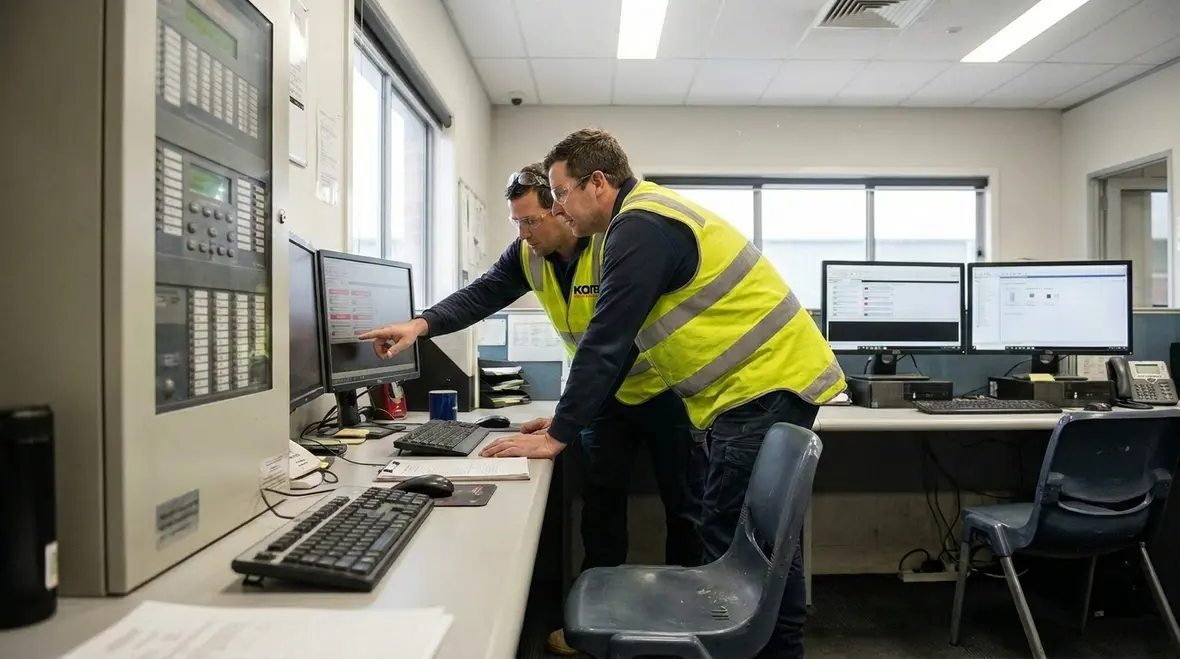
Smart fire alarm system integration links the fire alarm panel and detection devices to the building management layer. Then, instead of treating fire signals as isolated events, the system shares the right details with platforms used by facilities teams.
Typically, the integration supports tasks like displaying alarm zones on a facility map, triggering workflows, logging incidents in a central record, and sending alerts to the right contacts. As a result, staff get consistent information instead of bouncing between screens and spreadsheets.
Why connected visibility matters
On industrial sites, this can mean faster context for operations managers. For retail groups, it means consistent escalation when a store goes into alarm. For commercial buildings, it helps security teams coordinate response with building systems. Basically, it stops the whole “who called whom” comedy from starting again.
That visibility also supports better day to day management. When staff can see live statuses and historical records in one place, they spend less time decoding event labels and more time making useful decisions. Not glamorous, but very effective.
How building management software uses alarm data
Building management software acts like the site’s common language. It gathers signals, manages schedules, and tracks building status. When the fire alarm system integration brings in alarm events, the software can treat them as high priority system alerts.
In practice, the BMS can use fire related data to support event dashboards, incident timelines, and operational notes. It can also help manage related controls that must respond during emergencies, depending on local requirements and system design.
What operators actually need to see
Because every facility runs differently, the integration should map alarm points to the way the building operates. A loading dock alarm does not need the same handling as an office alarm. Yet both need reliable classification, location accuracy, and readable messages that help teams act with confidence.
The best interfaces reduce guessing. They show the event type, exact zone, time, current status, and any linked action path without forcing an operator through six tabs and a small emotional crisis.

Key integration pathways and what to standardize
Successful integration does not rely on one magic cable and good vibes. It depends on clear pathways for data flow and strong standardization across the project.
Teams usually define three things early. First, the event types, such as alarm, pre alarm, fault, and supervisory signals. Second, the data format, such as what fields the system will send and how they will label zones, floors, and devices. Third, the communication approach and security controls that keep the data trustworthy.
Naming, mapping, and consistency
Then they align naming conventions and mapping rules. For example, the zone naming in the fire panel must match the labels used in the BMS interface and facility maps. If these do not align, the system may still work, but operators will waste time interpreting mismatched details. And time, in an emergency, is not optional.
In larger rollouts across multiple sites, standardization becomes even more valuable. It reduces training gaps and makes commissioning checks easier. It also helps corporate facilities teams compare performance across locations without playing guessing games.
If the project also touches broader suppression planning, Kord Fire Protection’s all fire suppression services page is a useful related resource because integrated facilities rarely think about one life safety system in complete isolation for long.
Commissioning and testing that actually reduces risk
Many integrations fail quietly. They pass initial checks, then stumble when the building runs under real conditions. Therefore, commissioning should go beyond basic connectivity.
A solid approach includes integrated testing of alarm reporting, fault handling, and display behavior under different scenarios. Teams validate that event severity correctly updates in the BMS. They also confirm that the right information appears for staff, including precise locations and clear event descriptions.
Testing under pressure, not just on paper
Additionally, they test how the system behaves during network interruptions and during device resets. Smart systems should degrade safely. That means fire life safety functions must remain effective even if the building management interface faces an issue. In other words, the integration should enhance visibility, not weaken protection.
Kord Fire Protection can support this phase as a vital partner. They help teams structure the commissioning plan, confirm device performance, and coordinate the cutover so the integrated system supports operations without creating new exposure. That is the difference between “it connects” and “it works under pressure.”
Operational benefits for industrial, retail, and commercial sites
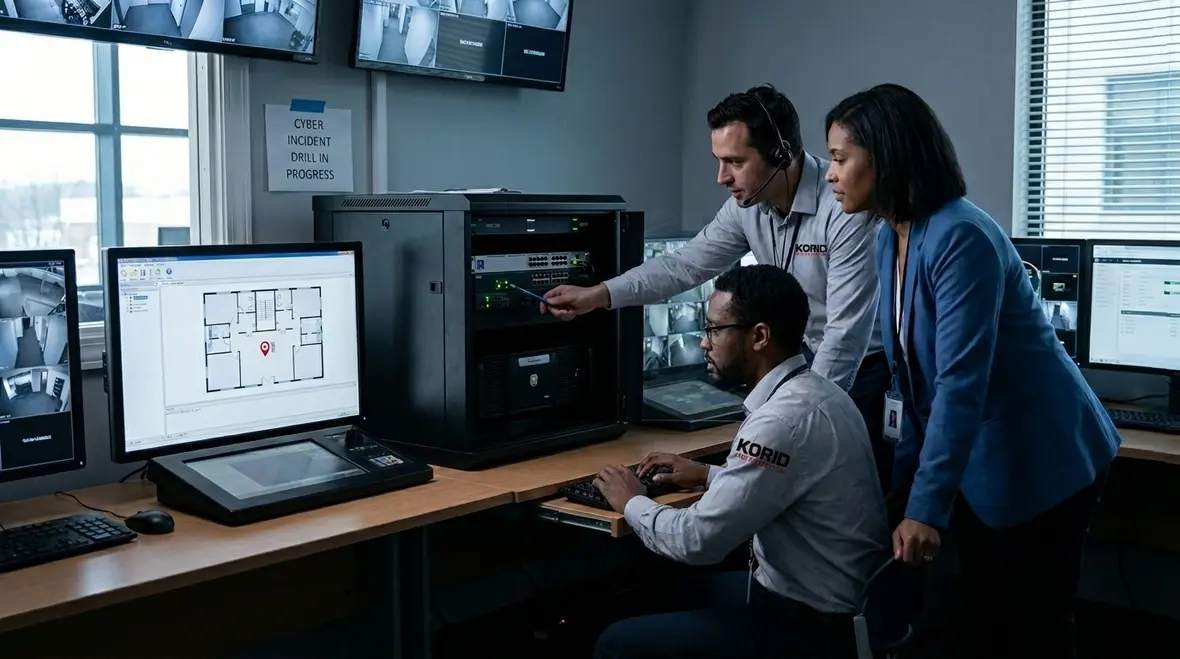
Once the integration runs, the benefits show up fast in day to day operations. Instead of treating fire events as isolated notifications, the facility gets a more connected response picture.
In industrial settings, the integration can improve how maintenance and operations teams react to fault and supervisory signals. That reduces downtime because staff can identify the affected zone more quickly and route the right technicians. It also supports better asset records when the system logs event history.
In retail, escalation workflows become more consistent across stores. Security teams can view alarm status in the BMS, and operations leaders can receive the right alerts without interpreting raw panel signals. As a result, incident response becomes more repeatable, which is a fancy way of saying “less chaos in the lunch break.”
Cleaner workflows across different property types
In commercial environments, integrated dashboards can reduce confusion during multi tenant incidents. Facilities teams can coordinate with security and contractors using one source of truth for event timelines and locations. Plus, reporting becomes cleaner for compliance checks and internal reviews.
Important note: Any operational workflow tied to fire signals must follow the approved design and relevant standards. Automation helps, but it must not overreach. When teams get this right, the system becomes a calm, reliable guide instead of a loud distraction.
Cybersecurity and reliability for alarm to BMS connections
A fire alarm system integration should never become a weak link. When networks connect systems, the site must treat cybersecurity as part of the project, not an afterthought.
Therefore, teams should define access controls for the BMS interface. They should limit who can view, configure, and acknowledge events. They also set rules for authentication, audit logs, and secure communication where applicable.
Reliability still wins the argument
Reliability matters too. The integration must handle normal network traffic without causing delays to alarm reporting. It also should ensure accurate timestamps and consistent event ordering, since emergency timelines rely on correct sequence.
Kord Fire Protection can help teams plan these elements in a practical way, especially when facilities have multiple systems or older panels that need a careful upgrade path. In short, they help protect the protective system, which is a nice change from the usual “patch it later” approach.
What to plan before the first onsite day
Teams should prepare for the integration before anyone steps onto the site with tools. That preparation saves money, avoids rework, and reduces the number of meetings that start with “just one quick question.”
They should confirm existing panel capability, BMS platform compatibility, and the project scope for mapping zones and floors. They also define alarm priorities and the exact event fields that the BMS needs for display and reporting.
Coordination before cables and commissioning
Next, they coordinate responsibilities between installers, electricians, IT teams, and facilities stakeholders. Clear ownership prevents gaps between “the fire side” and “the BMS side.” Finally, they plan training for the people who will actually use the dashboards during incidents and during daily checks.
When Kord Fire Protection supports the delivery, they bring experience that helps teams align design intent, device performance, and integration behavior from the start. That helps the project move with fewer surprises and steadier results.
FAQ
Call Kord Fire Protection when integration matters
Smart fire monitoring should feel clear, not complicated. Kord Fire Protection helps facilities plan and deliver reliable fire alarm system integration with building management software, from mapping and commissioning to cybersecurity minded design. If your industrial, retail, or commercial site needs smoother alarm visibility, faster response context, and cleaner reporting, reach out to Kord Fire Protection and build a system that performs when it counts.
When teams combine thoughtful design, disciplined testing, and the right service partner, integrated alarm visibility becomes a practical advantage rather than another software layer to babysit. That means fewer blind spots, faster coordination, and a facility team that can act with confidence when the system finally has something important to say.

Join Our Newsletter!
Get the latest fire safety tips delivered straight to your inbox From our Newsletter.