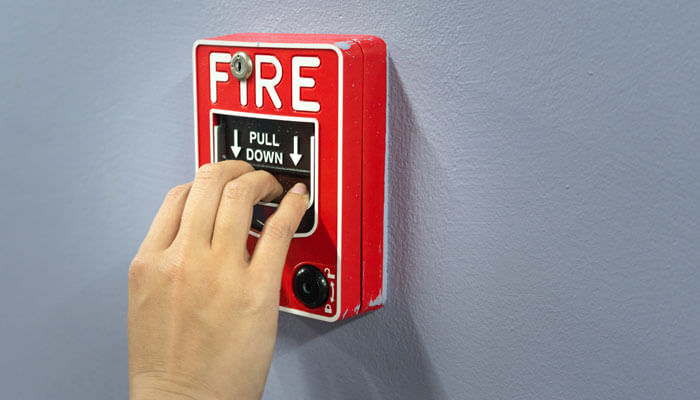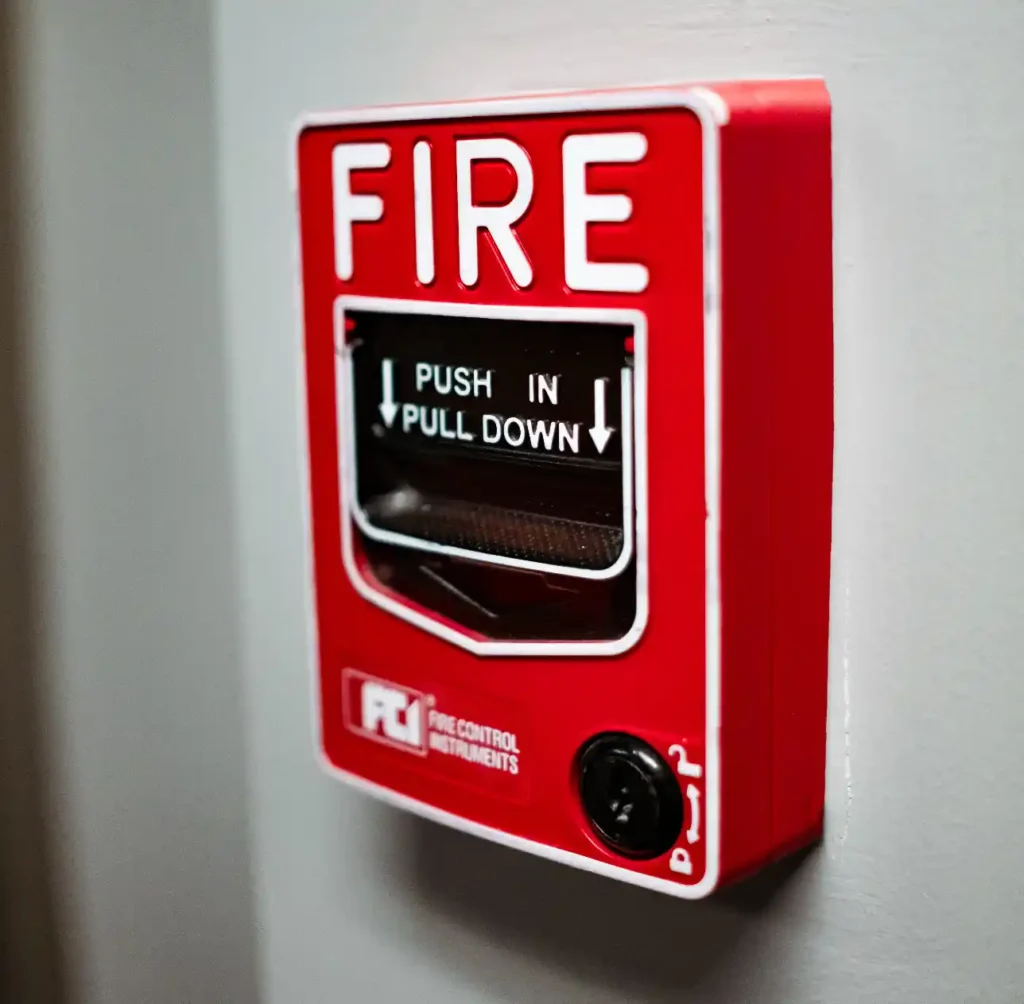
Fire Alarm Notification Devices for Better Coverage in Big Plants
Quick Answer: Large industrial plants often miss critical alerts because notification coverage fails in hard to reach spaces, noisy areas, and complex layouts. A well designed system uses layered signaling, zoned messaging, and regular testing. With kord fire protection as a partner, plants upgrade coverage and keep it compliant and reliable.
For facilities that need broader system support, strong notification planning fits naturally with professional fire alarm service systems that help keep devices, circuits, and response logic working together across large sites.
Why fire alert coverage fails in big facilities
In large industrial plants, time and space work against people. One moment a line operator hears something, the next moment the signal fades behind a structure, inside a duct, or down a corridor packed with equipment. That is exactly where fire alarm notification devices matter, because they turn warnings into clear, local signals that people can act on. And yes, complex layouts can make safety feel like a treasure hunt where the prize is “not panicking.”
Big facilities also face practical challenges that repeat from site to site, even when no two floor plans look alike. Noise levels change by area. Shift patterns change by hour. Contractors come and go. Temporary partitions appear like they pay rent. When coverage gaps exist, the system may still “work” on paper, but paper does not hear alarms through machinery or see strobes around blind corners.
The issue is not always the devices themselves. Often, it is placement, zoning, or the assumption that one method of notification can do everything. A horn that works beautifully in a small corridor can disappear into the background in a production bay. A visual signal that looks obvious in a clear area can get lost near stacked inventory, process equipment, or bright task lighting. Coverage failure is usually a design problem wearing a hardware costume.
Design notification zones that match how people move
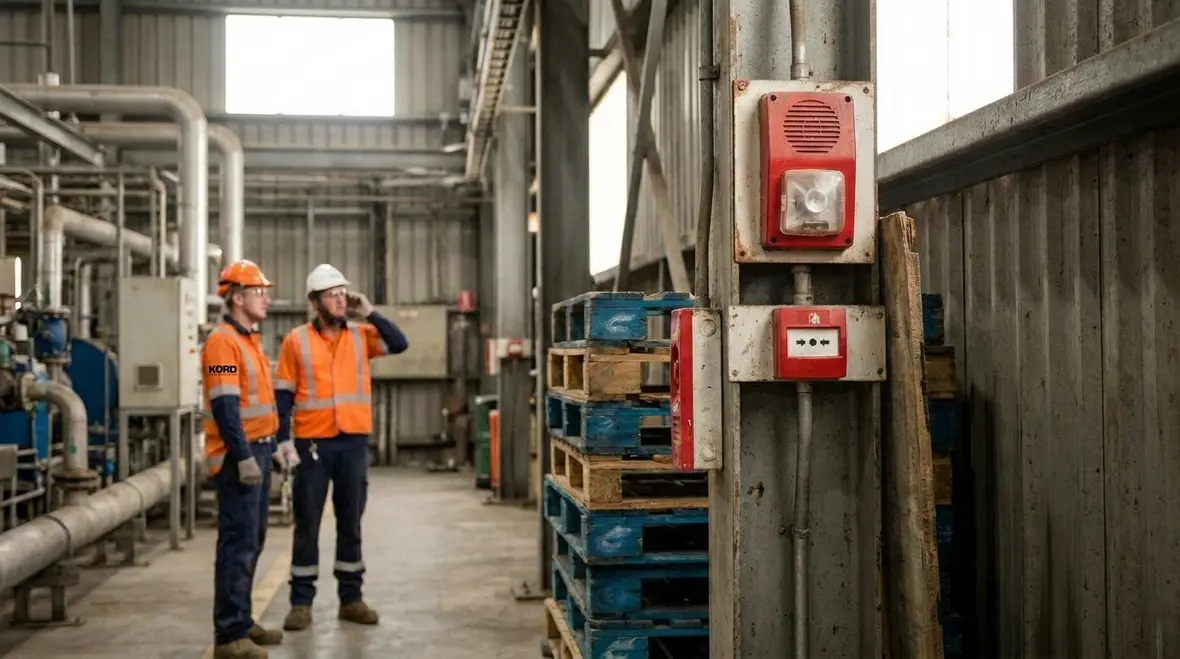
To enhance notification coverage, safety teams should stop treating the building like a single box and start treating it like a set of routes. They can do this by mapping exits, walkways, muster points, and operational zones. Then they can align notification groups to these same areas.
When zones match real movement, response improves. For example, alerts in a control room should be distinct from alerts on a loading dock. Likewise, alerts near storage racking should differ from alerts near maintenance bays. As a result, people do not hunt for meaning while smoke or heat creates new stress.
This approach also makes the facility easier to understand for people who do not know it by heart. Contractors, visitors, temporary crews, and newly assigned staff should still be able to recognize what an alert means in the zone where they are standing. If understanding the alarm requires a ten minute orientation and a wall map worthy of a spy movie, the plan needs work.
Use zoning to support clearer decisions
Well planned zones reduce hesitation. They tell occupants whether they should evacuate, prepare to move, hold position briefly, or avoid a specific path. They also help supervisors coordinate by area instead of trying to interpret one generic site wide signal. In facilities with warehouses, production space, offices, and shared service corridors all under one roof, that difference is enormous.
Teams can also support these zones with related system planning, especially when alarms need to coordinate with broader building response. That is where internal resources like fire alarm system integration for smarter building response fit naturally into the conversation.
Layer signals so noise and distance do not win
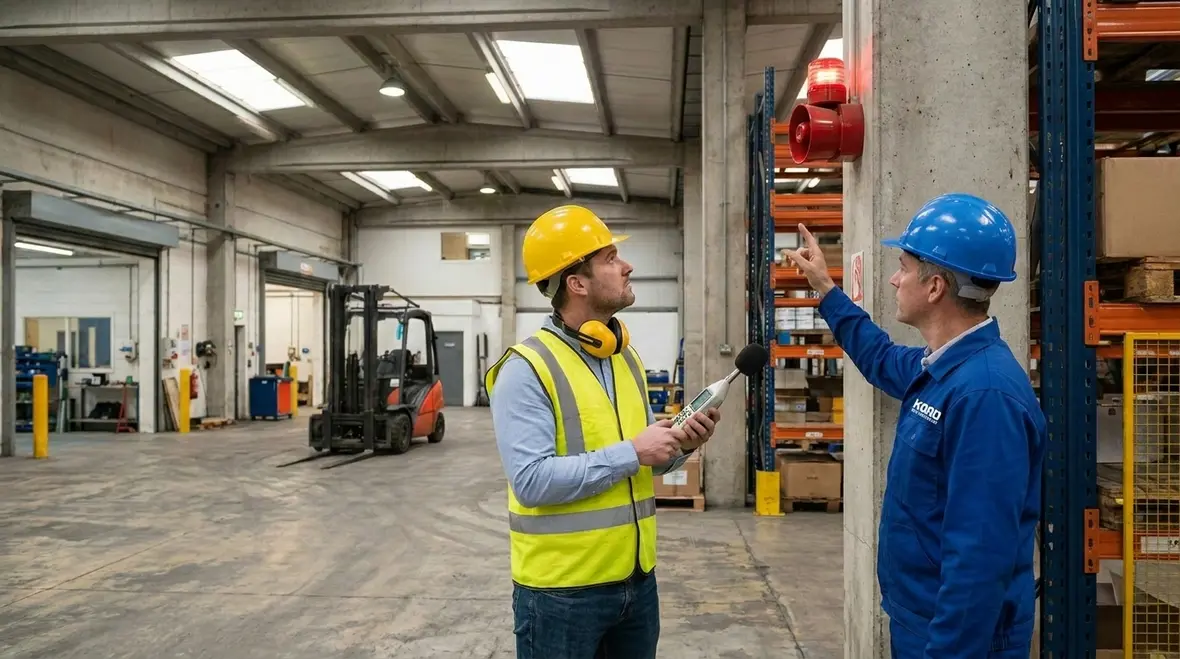
Distance weakens sound. Noise masks tones. Airflow can distort cues. That is why layered signaling works better than one single method. A strong plan uses multiple channels, such as audible signals for general awareness and visual signals for where hearing drops.
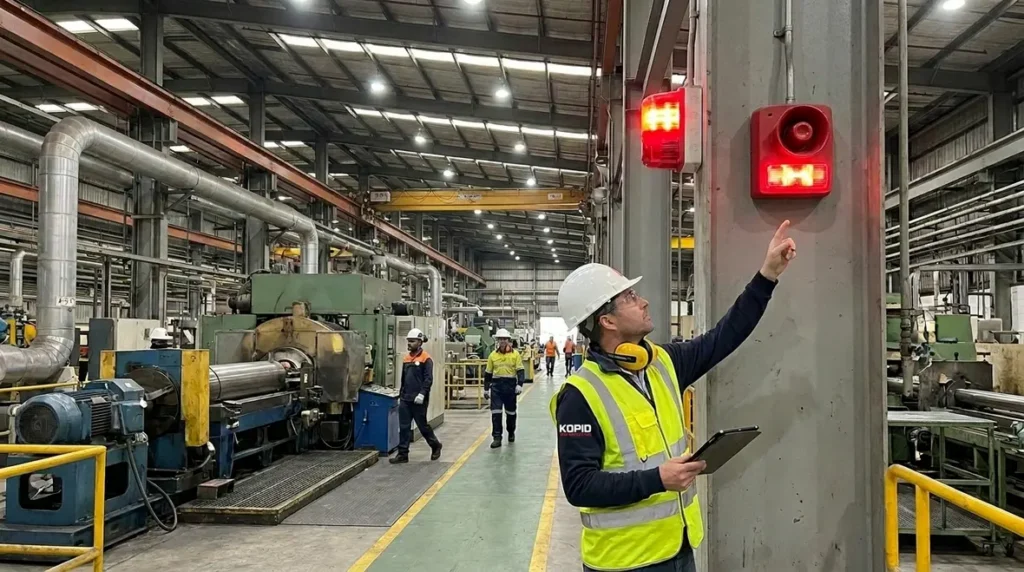
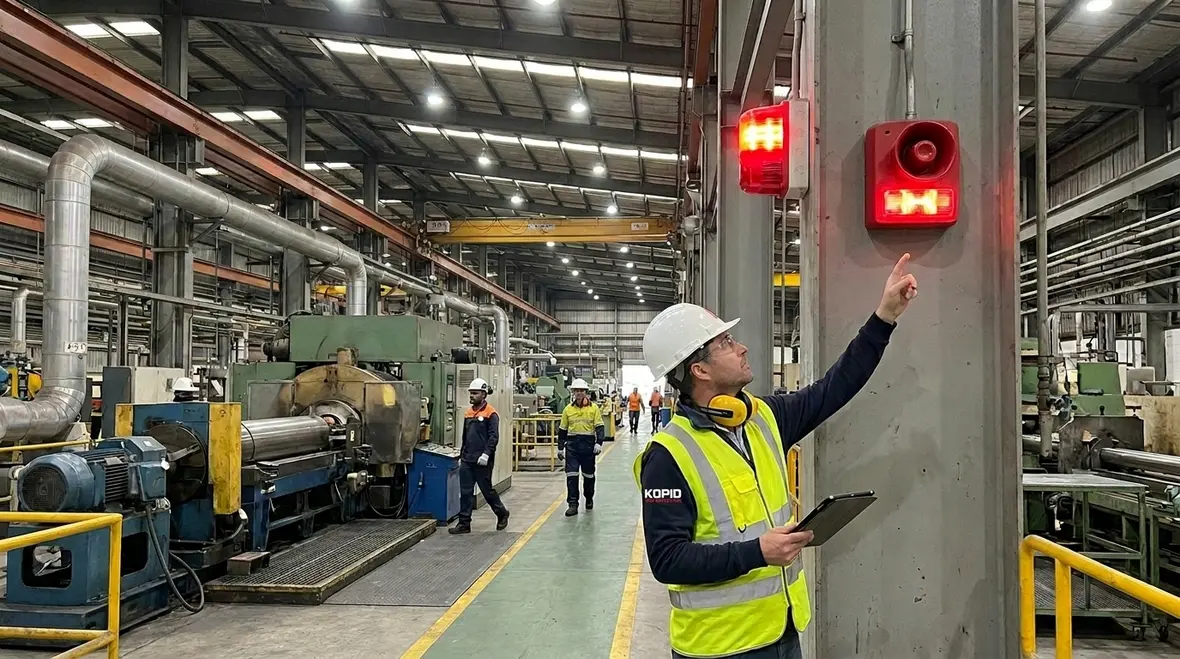
In industrial settings, hearing can drop due to machinery, PPE, or work habits. Visual strobes or text based indicators help when people face away from alarms or stand behind barriers. Also, bright visual cues help in places where background lighting competes with perception. Therefore, the design needs site specific placement, not just standard spacing.
For noisy zones, teams should calculate how sound travels and how it competes with mechanical noise. They should also confirm the audibility at likely hearing positions. And because systems age, they should recheck this during maintenance. Dust, vibration, equipment moves, and process changes have a sneaky habit of rewriting yesterday’s assumptions.
Think in layers, not single points of failure
A reliable notification strategy does not rely on one horn, one strobe, or one perfect line of sight. It combines methods so one limitation does not sink the whole response. That is especially important in wide plants where tall racks, conveyor systems, mezzanines, and enclosed work cells create their own little worlds. If one message path gets weakened, another should still reach people clearly.
That same layered mindset appears in circuit planning too. Kord’s resource on industrial fire alarm notification appliance circuit optimization is a useful internal reference when teams want to understand how wide building layouts affect dependable notification performance.
Use message logic, not mystery logic
A notification system should tell people what to do, not just what happened. For example, a pre evacuation condition can guide staff to prepare, while a full alarm condition triggers immediate evacuation. In the real world, people do better when the message matches the stage.
So teams should define notification states and link them to clear actions. They can also tailor messages by area. That way, a warehouse worker sees instructions relevant to the current zone, rather than generic text that forces mental translation. As a quick pop culture reminder, “generic plot points” do not save the day in movies, and they usually do not save the day in fire events either.
Additionally, the system should support accessibility needs. Clear visual patterns, consistent layouts, and readable text help when people are tired, new, or moving quickly. While it seems small, message clarity reduces delays. If every alert sounds equally dramatic and equally vague, occupants will waste precious seconds trying to decide whether the system means “leave now” or “stand by.”
Dual column plan for coverage upgrades
When a plant upgrades coverage, teams should avoid random “add devices here and hope.” Instead, they should run a structured review, then implement changes in priority order. Below is a dual column view that helps many facilities move faster without turning the project into organized chaos with ladders.
Coverage review step
Risk and layout mapping
Signal audibility and visibility
Operational constraints
Staged installation and commissioning
Training and drills
What to check and why
They can confirm hazard zones, travel paths, and areas with partial line of sight. This reduces blind spots.
They can test at likely work locations, under real noise and lighting. This confirms the fire alarm notification devices can be perceived.
They can account for process downtime, access limits, and staging needs. This keeps the plant running while work happens.
They can activate changes in phases, then verify each zone. This prevents “all at once” surprises.
They can reinforce what staff should do when alerts trigger. This turns a system into action.
Commissioning and testing that actually proves coverage
Testing should not stop at functional checks. For better notification coverage, teams should verify performance in context. That means using real building conditions, such as doors closed, typical lighting levels, and normal operating noise where possible.
They should also test across shifts. If a crew works nights, they should experience the same alert perception rules that daytime crews rely on. Then they should document results and track trends, because components can drift over time due to dust, vibration, or temperature.
It also helps to run targeted drills that focus on the areas most likely to cause confusion. For example, they can drill how people respond when a signal occurs in a multi tenant service corridor. When drills reveal confusion, teams can adjust signage, messaging logic, and placement. Testing is not there to create a binder that looks impressive on a shelf. It is there to prove people will recognize, understand, and follow the alert.
How kord fire protection supports large plant notification work
Enhancing notification coverage at scale demands more than product supply. It requires planning discipline, commissioning support, and a partner who understands how safety systems behave in real facilities. That is where kord fire protection can become a vital partner.
kord fire protection can support teams by helping assess gaps, plan upgrades, and coordinate work around operations. Moreover, they can assist with the practical side of implementation, including verification steps that confirm the notification system performs across multiple zones. Instead of leaving a site to guess whether coverage truly improved, a partner can help drive clarity and confidence.
This matters because large sites often combine warehouses, logistics areas, administrative offices, service corridors, and specialized work spaces in one connected environment. A partner approach reduces friction across these spaces, and it helps teams align safety decisions with the actual day to day reality of the plant.
And yes, while no one wants fire drills more than necessary, nobody wants “we thought it covered that area” as the final report after an incident. kord fire protection helps teams avoid that kind of footnote.
FAQ on enhancing notification coverage
Next steps to strengthen coverage and reduce risk
A large plant can upgrade notification coverage without chaos when it uses zoned design, layered signaling, and proof based testing. Then it can keep performance stable with training and ongoing checks.
If your facility wants a safer, clearer alerting approach across industrial and commercial spaces, contact kord fire protection to plan your next upgrade. The goal is simple: alerts people can actually hear, see, and understand.

Join Our Newsletter!
Get the latest fire safety tips delivered straight to your inbox From our Newsletter.