
Standpipe System Pressure Maintenance for High Rises
Quick Answer: High rise buildings rely on steady firefighting water flow, and that starts with maintaining optimal standpipe system pressure. Facilities teams prevent costly downtime by monitoring pressure, checking valves and pumps, and tuning controls during commissioning and inspections. Kord Fire Protection supports these goals with service, testing, and compliance-ready documentation.
In high rise architecture, the standpipe system pressure has to stay ready when seconds matter. When pressure slips, firefighters feel it instantly, and the building pays the price through delays, stress, and expensive follow up work. So the best teams treat pressure like a living system, not a one time setting. They watch the numbers, they verify performance under real conditions, and they keep every component working together.
Now, that sounds serious, and it is. Yet it can also be managed without turning the facility into a 24/7 science lab. With clear procedures, smart monitoring, and a reliable partner like kord fire protection, commercial and industrial sites can keep standpipe performance stable during inspections, upgrades, and emergencies. Think of it as preventive maintenance for the building’s firefighting backbone. No drama, just readiness. If your broader program also needs coordinated inspections and preventive support, Kord Fire Protection offers full fire protection services that fit naturally alongside standpipe maintenance.
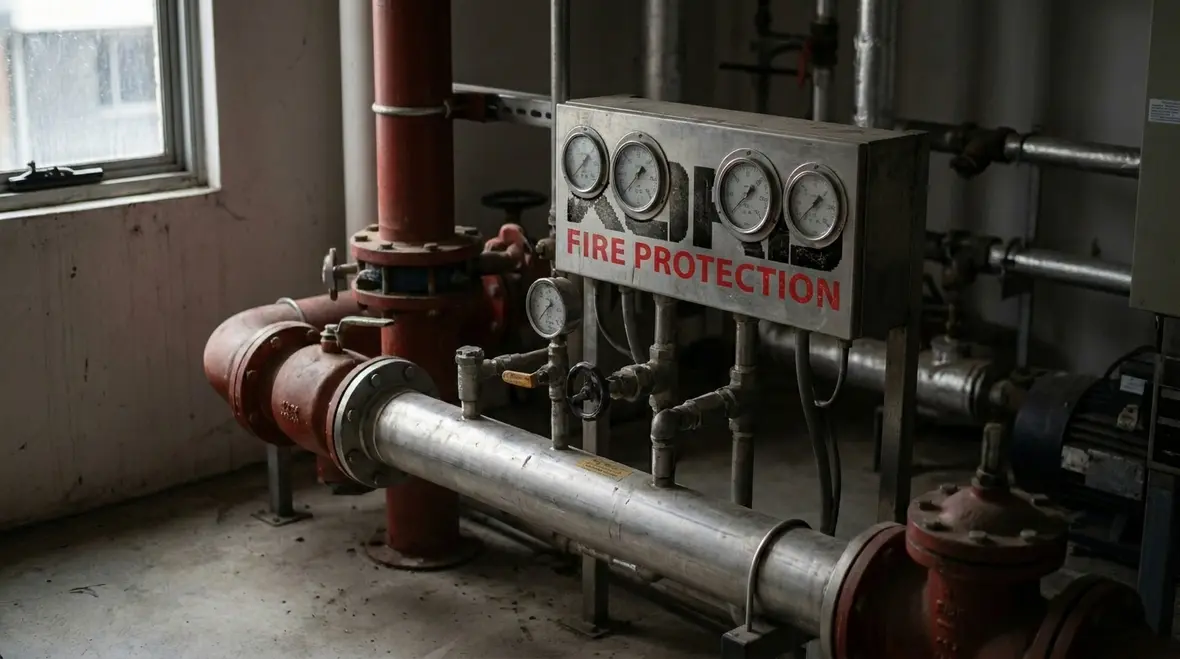
How standpipe pressure affects firefighting performance in tall buildings
In a high rise, water must travel up vertical runs, through hose connections, and then deliver enough flow at the outlet. standpipe system pressure directly influences this ability. If pressure is too low, the system may not overcome friction losses in pipes and fittings. As a result, flow can drop below what firefighting operations require. If pressure is too high, it can cause problems too, including noisy valves, faster wear, and strain on components.
Additionally, pressure interacts with pipe diameter, sprinkler design, hose length, and valve settings. Therefore, teams need to manage the whole chain, not a single reading. Modern facilities often have different zones, booster pumps, pressure reducing devices, and control logic. Consequently, pressure that looks good at one location can still fail at a higher elevation or during simultaneous demand.
In plain terms, pressure is like the volume knob on a sound system. Set it once, and you might get by. But buildings change. Doors open. Hydrants get tested. New tenants arrive. Loads shift. The system needs ongoing tuning, not guesswork.
Why high rise conditions make pressure maintenance more demanding
Tall buildings add layers of complexity that low rise properties simply do not face. Elevation changes, long riser paths, multiple floor control points, and combined system interactions all affect how pressure behaves when water actually moves. That is why static readings alone can create false confidence. Facilities teams need to understand what the system does at rest, under routine testing, and during more realistic demand conditions.
This is also where coordination with pump equipment matters. Buildings using dedicated fire pump assemblies may need closer attention to pump response, control behavior, and component wear over time. For sites evaluating equipment options or maintaining existing fire pump infrastructure, Kord Fire Protection also provides support for horizontal split case pump systems, which can play an important role in dependable water delivery strategies.
Pressure targets: what facilities should verify and why
Facilities managers in industrial and commercial environments often ask a simple question: what numbers should they aim for. The real answer is that targets depend on the system design, the local code basis, and the installation configuration. However, the verification process should be consistent.
Teams typically confirm:
- Static pressure at key outlets and test points before demand
- Residual pressure during controlled flow tests, at realistic hose and valve settings
- Pressure at maximum demand scenarios that reflect how the building responds during a credible incident
- Valve travel and set points for pressure control devices and pumps
- Pump curve behavior so the system stays in the right operating range
After verification, teams compare results against design intent and historical performance. Then they look for trends rather than one day of good news. A small drift can show up months before a major issue. And once drift starts, it rarely stops on its own.
Good pressure verification is not about chasing a magic number with a clipboard and a hopeful expression. It is about building confidence that the system will deliver when conditions are messy, time is short, and nobody wants to discover a problem halfway through an emergency response.
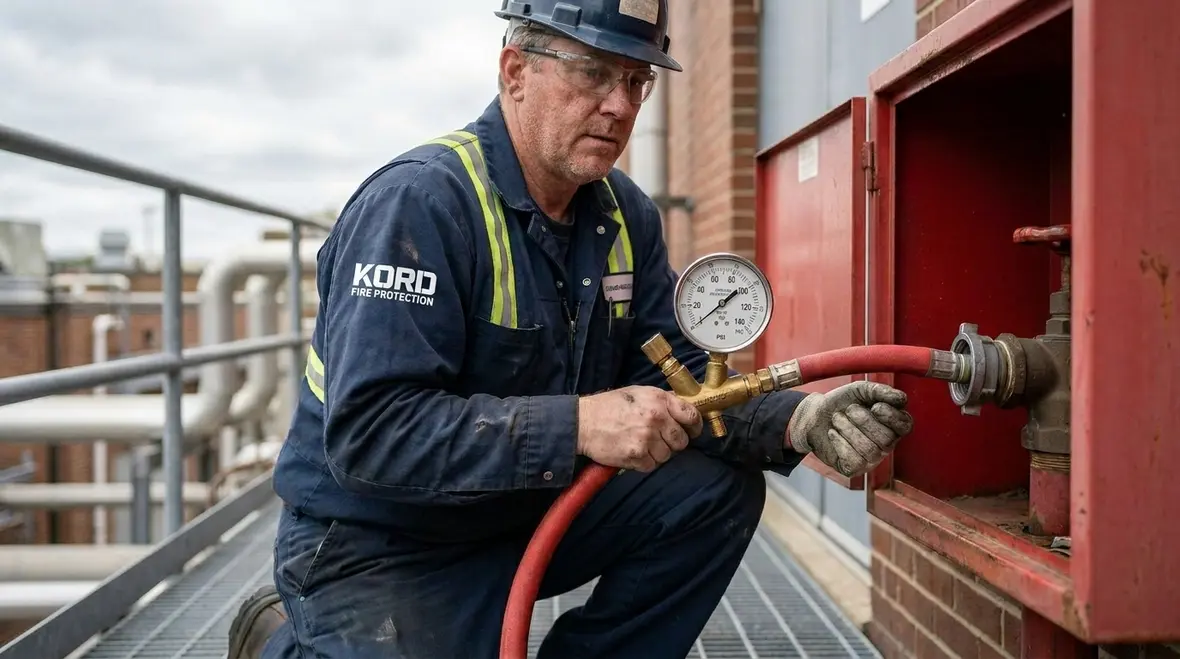
Common pressure issues in commercial and industrial high rises
Even well installed standpipe systems can develop issues over time. The trick is to catch them before an incident. Below are common causes that show up across facilities, from retail towers with complex service cores to industrial sites with heavy plant rooms.
- Air pockets and trapped air that reduce effective flow and create unstable readings
- Strainers clogged on pump suction lines, restricting water movement
- Worn pump impellers or seal wear that quietly shifts performance to lower output
- Failing pressure sensors that report values inaccurately, leading to wrong control actions
- Valve misalignment or partial closing after maintenance work or civil changes
- Hydraulic losses from added fittings, altered piping routes, or updated penetrations
- Control logic drift after software updates or changes to pump alternation settings
Also, buildings experience work outside firefighting systems. A maintenance contractor may reroute a pipe. A fit out team might modify an access bay. Then pressure changes, and nobody connects it to standpipes because it feels like a “small” change. Yet small changes can create big hydraulic impacts. It is the plumbing version of “the straw that broke the camel’s back,” except the camel is the sprinkler system.
Where drifting pressure usually shows up first
Pressure drift rarely arrives with a marching band. More often, it shows up as a pattern of little warnings: a gauge that reads slightly off from the usual range, a pump sequence that starts differently, a control setting that needs more correction than expected, or a test result that comes in just low enough to raise an eyebrow. Those subtle changes are exactly why historical records matter so much.
Monitoring and maintenance plans that keep pressure stable
A strong plan combines scheduled maintenance, targeted inspection, and practical testing. First, teams define which points to measure, and how often. Next, they align testing with building activity to avoid unnecessary disruption. Then they document results in a way that supports compliance and future troubleshooting.
A good plan also includes operational checks beyond the pump room. For example, teams verify:
- Hose cabinet readiness, including access paths and correct signage
- Valve labels and operation, so staff can act without guessing during drills
- Interlock function for pump start and control sequences
- Pressure indicator accuracy, including calibration intervals where required
- Condition of pressure relief and control components to prevent surge and instability
Moreover, facilities can reduce future surprises by using a “test, record, react” mindset. Each test becomes a data point. If pressure response changes, maintenance can focus quickly on the likely causes. That saves time and reduces disruption, especially in active retail centres where downtime becomes expensive.
And yes, the occasional joke helps. Facilities staff already have enough to manage. So when the standpipe performs as expected, they can enjoy the rare luxury of doing maintenance without a fire drill. The system stays dependable, and the building stays calm.
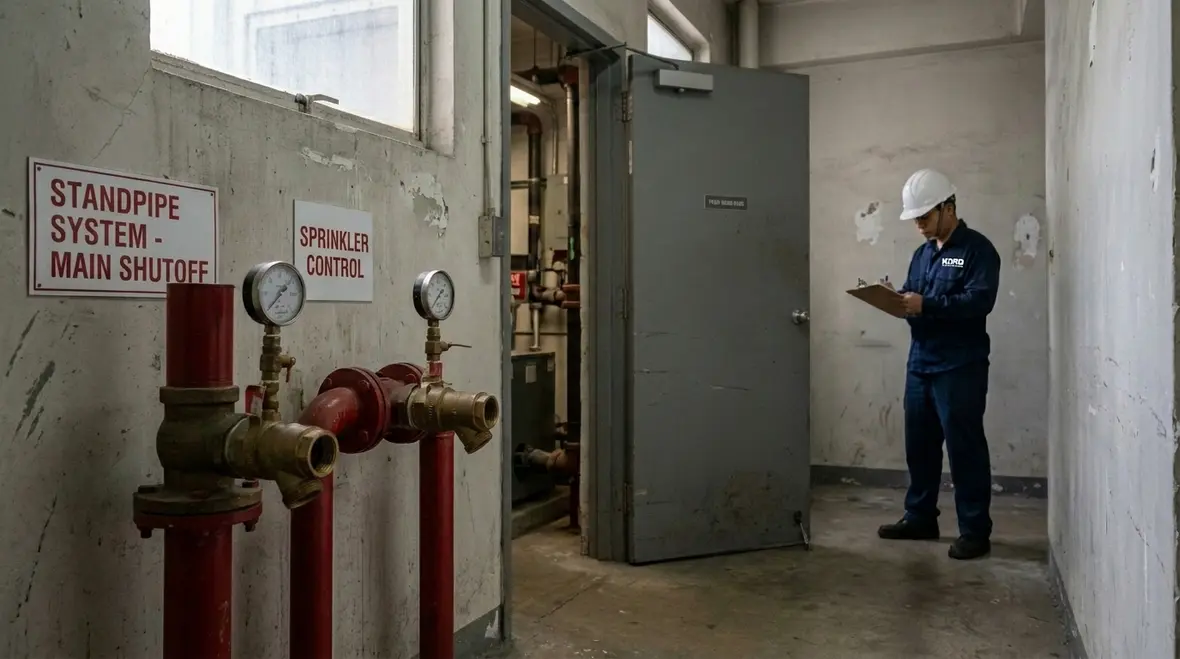
How Kord Fire Protection supports high rise standpipe pressure service
Even the best in house teams benefit from specialist support. That is where kord fire protection can become a vital partner with standpipe pressure service and the related testing and maintenance workflow. Instead of treating standpipe work as a checkbox, specialist teams bring a structured approach that supports both performance and compliance across multiple building types.
In practice, partners like Kord Fire Protection can help facilities:
- Plan service schedules that match building operations and inspection timelines
- Perform commissioning and performance testing to confirm design intent
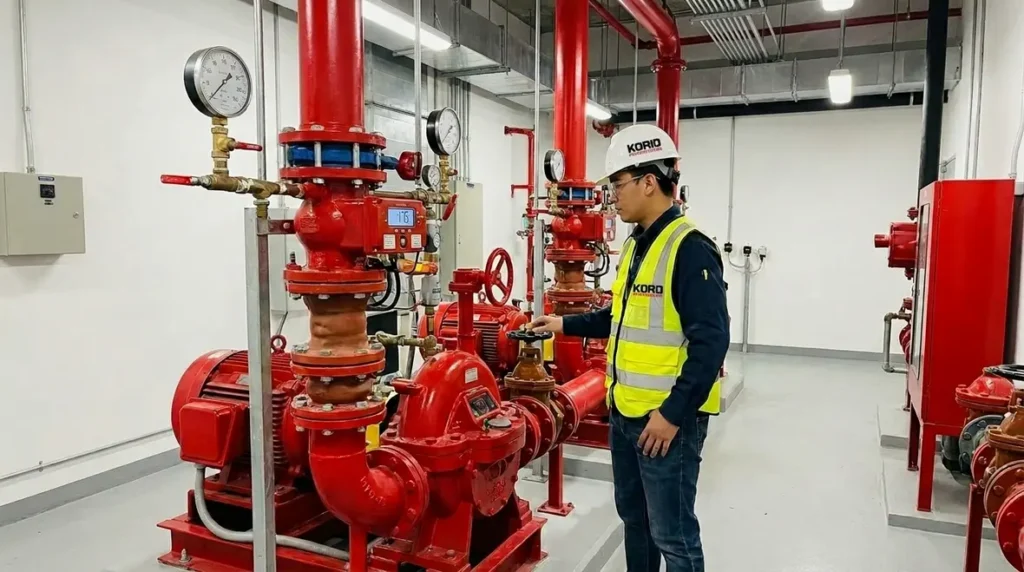
- Assess pump and control operation so pressure stays stable under demand
- Track findings and trends so issues surface early rather than during an incident
- Maintain clear documentation that supports audits and internal reporting
Additionally, a dedicated partner can coordinate with building engineers and maintenance contractors. Therefore, it reduces gaps in communication after plant room work, electrical upgrades, or mechanical modifications. In high rise environments, coordination is everything. One disconnected detail can ripple into pressure performance, and specialist involvement can keep those ripples small.
To borrow a line from pop culture, facilities teams do not want “surprises” like the plot twist at the end of a thriller. They want certainty. Kord Fire Protection helps create that certainty through methodical service and testing.
Preparing for inspections and upgrades without disrupting performance
Pressure management must survive real life. Inspections happen. Upgrades arrive. Buildings renovate. So facilities should plan for pressure continuity during change. That means verifying system behavior before and after any modification, including pump changes, control panel updates, sensor replacements, or piping alterations.
Teams should also establish a change control checklist that ties hydraulic outcomes to maintenance actions. For instance, when a contractor works in the vicinity of the riser, the facility should confirm that:
- Valves remained at correct set positions
- Strainers and filters remain clean
- No air entered the lines during maintenance
- Indicators and sensors still read accurately
- Any control logic updates kept the same start thresholds
Furthermore, facilities can reduce risk by running testing soon after major work, rather than waiting for the next inspection cycle. This is how the best operators stay ahead of problems. They stop minor issues from becoming “next year’s project,” which is the maintenance equivalent of letting a coffee spill soak into expensive carpet.
FAQ
Conclusion
Keeping standpipe system pressure stable in a high rise is not luck. It comes from clear targets, disciplined testing, smart maintenance, and quick action when results drift. Facilities benefit most when they treat pressure like an ongoing performance measure, not a one time setting.
If the goal is readiness you can trust, contact Kord Fire Protection for support that keeps your system performing and your inspections smoother. The result is less guesswork, better documentation, and far fewer unpleasant surprises when performance matters most.

Join Our Newsletter!
Get the latest fire safety tips delivered straight to your inbox From our Newsletter.