Dry Pipe Fire Protection Inspections for Unconditioned Storage
Quick Answer
Dry pipe fire protection systems in unconditioned storage facilities need routine inspection, reliable water supply testing, and careful freeze and corrosion control. When downtime is expensive, prevention beats repairs. Kord Fire Protection can act as a hands on partner, helping facilities stay compliant, ready, and safer with practical fire protection services that support day to day operations without turning maintenance into a drama.
Why unconditioned storage demands reliable dry pipe fire protection
In warehouses, distribution centres, and industrial storage areas, unconditioned spaces can swing from warm days to cold nights without much warning. That is where dry pipe fire protection earns its keep. These systems stay dry until heat activates them, then they rapidly deliver water to protect the property. In temperature sensitive environments, that design is not just useful. It is essential.
However, because the system spends long periods without water in the pipes, its condition depends on how well it stays protected from corrosion, water supply issues, and freezing conditions. In other words, the system can be “ready” on paper while quietly falling behind in reality. Like a gym membership you never use, inspections matter. They are what separate a system that looks fine from one that actually performs when the pressure is on.
So the goal is simple: maintain performance, reduce faults, and keep compliance on track. While facility teams manage receiving, dispatch, staffing, and the usual parade of daily surprises, Kord Fire Protection can become the vital partner that supports that mission through disciplined service and dependable dry pipe system care. Facilities that also rely on a dedicated dry pipe sprinkler system service approach are usually in a much better position to spot issues before they become expensive interruptions.
Seasonal risks in storage areas that are not climate controlled
Weather changes do not ask for permission
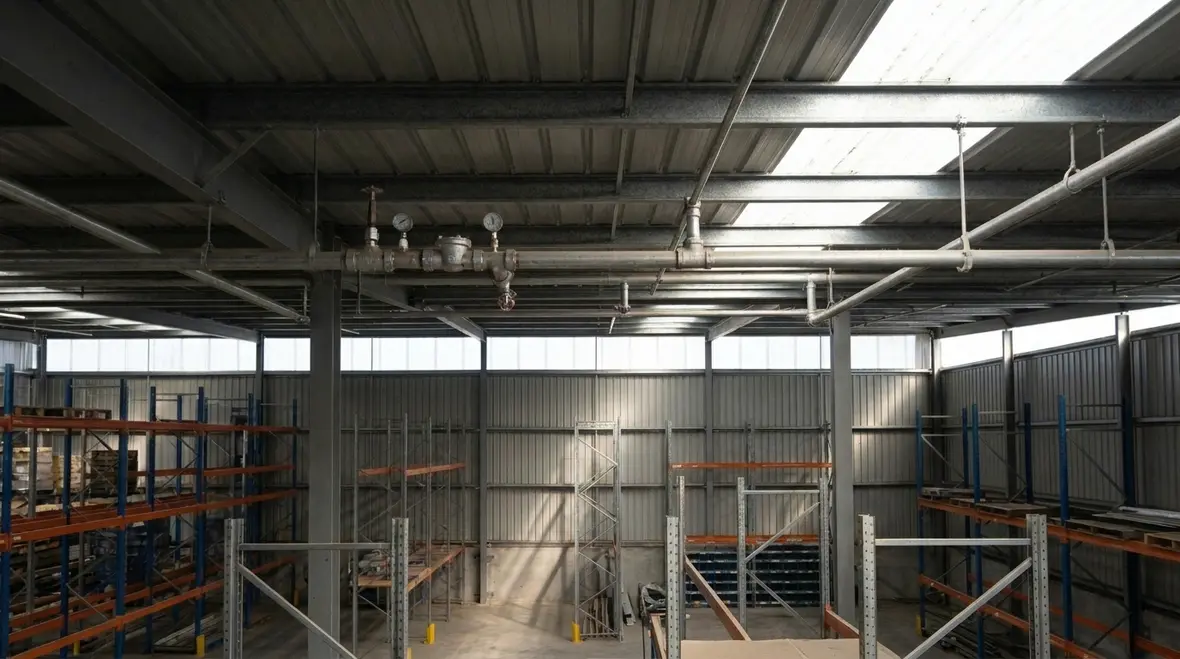
Unconditioned facilities experience real weather, real moisture, and real temperature swings. Therefore, even if the building itself stays “mostly fine,” the pipework can still face problems. Over time, the system can accumulate condensate, develop internal corrosion, and experience valve sticking due to mineral deposits or air leaks. None of that is dramatic on its own, but together it can chip away at reliability.
During cooler months, freezing risk rises. Even small delays in system readiness can increase the chance of a failure at the worst possible moment. In warmer periods, humidity and temperature changes can accelerate corrosion and leave components working harder than they should. So the maintenance plan has to match the seasonal rhythm, not just the date on a calendar or the hope that “it looked okay last time.”
Storage sites also deal with dust, vibration, forklift movement, shifting inventory, and the occasional accidental bump that everyone swears was not their fault. Consequently, mechanical stresses and minor impacts can loosen supports, shift components, or expose sections of piping to harsh airflow. These are the invisible issues that do not make headlines until a test reveals them, and by then they are usually much less charming.

Inspection routines that keep systems dependable
What should actually be checked
Effective maintenance focuses on what impacts system performance during an actual alarm event. It also reduces nuisance faults that waste time, pull attention away from operations, and create paperwork nobody enjoys. A strong inspection routine should include more than a quick glance, a clipboard flourish, and a signature that says, more or less, “good luck.”
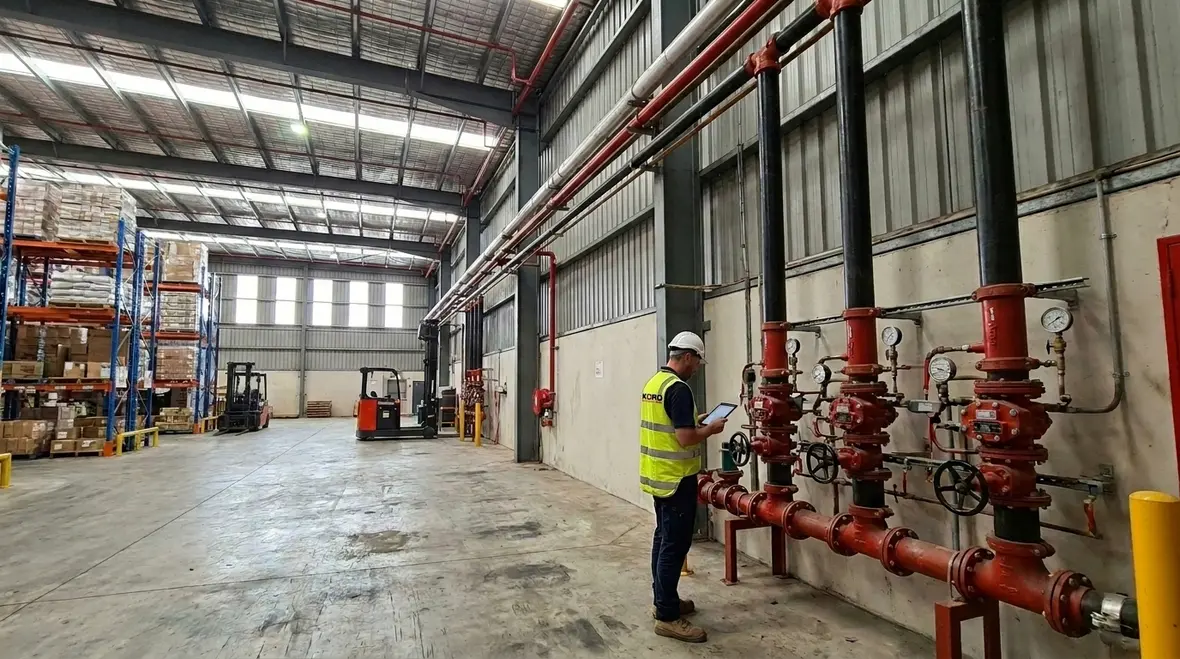
- Valve condition and operation: confirm valves respond smoothly, check for signs of sticking, and verify correct alignment
- Air pressure and integrity checks: ensure the system maintains the correct supervisory air pressure and holds it without creeping leaks
- Drip and drain functionality: verify that the system drains and vents as designed, because trapped moisture is a corrosion party
- Pipe supports and spacing: confirm hangers remain secure and the system remains properly supported after building activity
- Alarm and control components: confirm control interfaces operate correctly and communicate as expected
Additionally, storage environments often go long stretches without an event that would naturally stress test the system. That is exactly why proactive service matters. Kord Fire Protection can schedule inspections around operational needs so checks are completed thoroughly without slowing throughput to a crawl. Good maintenance should support the business, not fight it.
The real value of routine inspection is consistency. If the same key items are checked methodically over time, trends become easier to spot. A small pressure loss that seems harmless one month can reveal a larger integrity issue when compared with earlier readings. Reliable records turn isolated observations into a useful story, and that story can prevent downtime before it starts.
Water supply readiness for dry pipe systems
A dry system still depends on wet side performance
Although dry pipe systems hold back water until activation, the water side still needs careful attention. A dry system is only as good as the supply it draws from, including pumps, tank levels, mains pressure, and associated control valves. If the water supply is unreliable, the system may respond slowly or fail to deliver the required performance level when it matters most.
Therefore, a maintenance plan should include supply side checks and performance verification where required. This may cover pump starting reliability, pressure stability, and water flow readiness. If your facility uses dedicated pump equipment, it makes sense to link service planning with fire pump testing and support so the entire protection pathway is treated as one working system rather than separate boxes on separate lists.
At the facility level, one frequent mistake is assuming that “the main water is fine.” Yet mains pressure can vary, pumps can degrade quietly, and isolation valves can end up in the wrong position after other work has taken place. Like a phone battery that says 20 percent but suddenly dies at 5, supply readiness can fail without much warning. That is why verification matters more than assumptions.
Freeze and corrosion control without disrupting operations
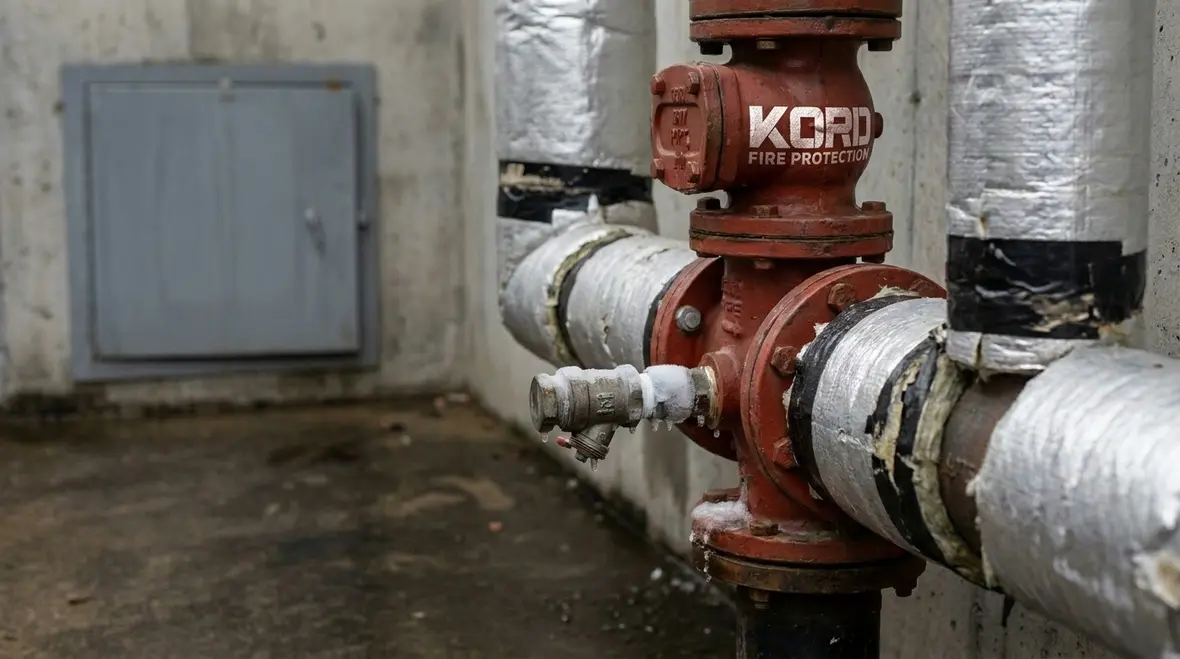
Cold weather protection should be planned, not improvised. For dry pipe protection, freezing risk usually relates to how the system vents, drains, and maintains conditions inside the piping. If moisture accumulates and the system cannot manage it effectively, freezing can occur where temperatures drop below safe thresholds. That makes regular drain checks and moisture control much more than routine housekeeping.
Corrosion control is just as important. Moisture inside pipes can lead to rust and scale buildup. Over time, that can reduce flow, increase restriction, and interfere with dependable operation. Maintenance therefore needs to address water removal pathways, confirm supervisory parameters, and make sure service follows a consistent method each time. A sloppy process here is like ignoring a small roof leak because the bucket is “handling it.” It is not really handling it.
In practice, this means coordinating with operations teams so changes in storage layout do not block access to valves, drains, and supervisory components. It also means watching for condensation in nearby areas and paying attention when racking layouts shift or new mechanical equipment changes airflow. Small site changes can have surprisingly large effects on localized conditions around piping and controls.
Common faults and how service prevents downtime
Dry pipe systems can experience failures because of small issues that add up over time. Maintenance programmes should look for patterns, not only isolated defects. Common problems include minor air leaks that slowly reduce supervisory pressure, valve issues that delay operation, drain points that are not performing correctly, and internal corrosion that limits water flow little by little rather than all at once.
Another frequent issue is admin drift. Teams change schedules, responsibilities move around, and records become harder to locate. Then somebody discovers the latest service paperwork is missing, or the last test result never got tied to the correct system. It is boring, yes, but it creates very real risk during audits, investigations, and incident response. Calm compliance is usually built on boring excellence.
To prevent this, facilities benefit from clear service history, consistent reporting, and follow up that actually closes the loop. Kord Fire Protection helps keep documentation current and accessible so the site is not forced into a scavenger hunt when proof of readiness is needed. Think of it like keeping spare keys in the right place. It feels minor until the worst possible day, and then it feels genius.
How Kord Fire Protection supports compliance and readiness
Kord Fire Protection can act as a vital partner because it treats dry pipe fire protection as an operational system, not a once a year activity. That means aligning service planning with facility schedules, understanding local environmental risk, and maintaining a practical approach to inspections and remedial work. The result is a service model that fits the site instead of forcing the site to fit the service.
For industrial, retail, and commercial facilities, the best outcome comes when the service partner supports both technical performance and day to day business needs. That balance helps reduce downtime, prevent repeat faults, and keep readiness from drifting into wishful thinking. If your storage facility runs like a clock, your fire protection should too. Kord Fire Protection helps keep that clock running even when the weather tries to throw it off.
FAQ
Next step: keep readiness ahead of risk
Dry pipe fire protection keeps its promise when maintenance stays consistent, especially in unconditioned storage environments. Kord Fire Protection can partner with your team to inspect valves, verify supply readiness, manage seasonal risks, and keep records audit ready.
If you want fewer surprises, better performance, and calmer compliance, contact Kord Fire Protection through full fire protection services and schedule your next service visit.

Join Our Newsletter!
Get the latest fire safety tips delivered straight to your inbox From our Newsletter.