Designing a Comprehensive Fire Protection System
The Process Behind Designing a Comprehensive Fire Protection System
Every solid fire protection plan begins long before alarms ring or sprinklers activate. In fact, it often starts with something as practical as a Fire suppression recharge. Because even the most advanced system means very little if extinguishers sit half empty or suppression tanks lack pressure. Kord Fire Protection technicians frequently explain that maintenance is not an afterthought. It is the foundation. And when they walk a client through the recharge process, they do so with calm authority, the kind that reassures you that someone has thought through every possible spark.
Designing a comprehensive fire protection system is not about installing a few sprinklers and hoping for the best. Instead, it is a deliberate, layered strategy that blends engineering, code compliance, risk assessment, and yes, a touch of foresight that would make even Batman proud.
Let us take a steady walk through the full process.

Understanding the Building Before Drawing the Blueprint
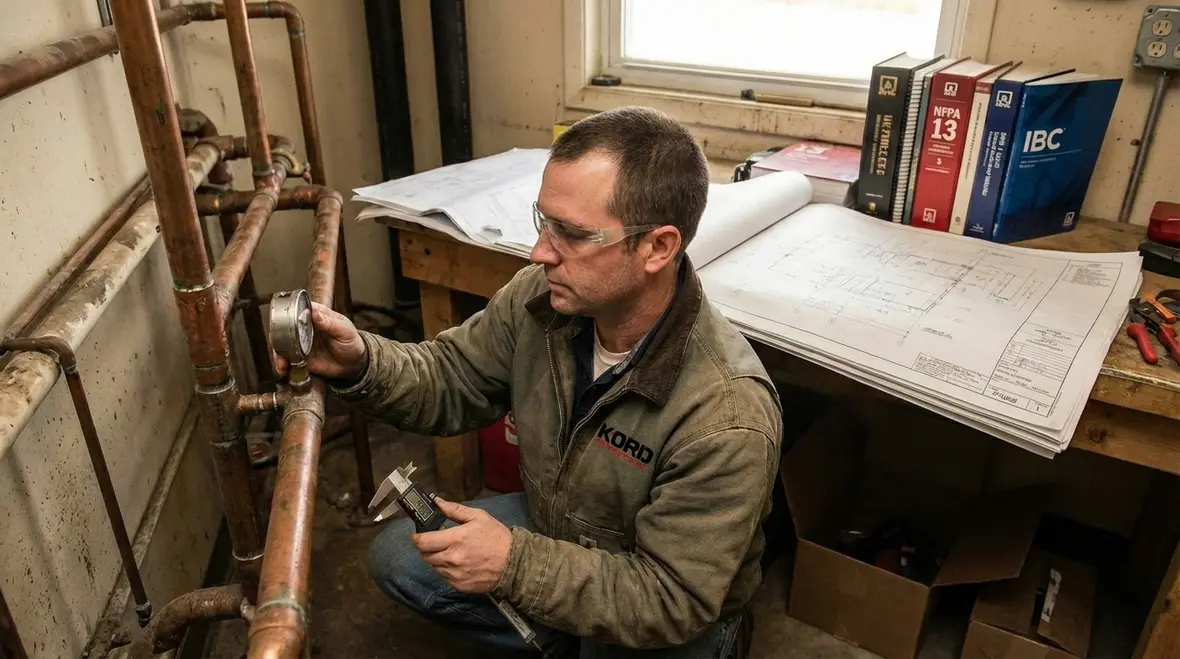
Before any pipe gets fitted or alarm panel gets mounted, professionals study the building itself. After all, a warehouse does not behave like a hospital, and a data center certainly does not respond to water the way an office kitchen might.
Kord Fire Protection technicians begin with a detailed risk assessment. First, they identify occupancy type. Then, they evaluate fuel loads such as paper storage, flammable liquids, machinery, or commercial cooking equipment. Additionally, they review building height, layout, and ventilation systems.
This early stage shapes every decision that follows. For example, a restaurant may require a specialized kitchen suppression system. Meanwhile, a manufacturing plant might need foam based protection for chemical storage. Because of these differences, a one size fits all approach simply will not work.
And let us be honest. Fire does not care about square footage. It cares about opportunity. So the design team removes as much opportunity as possible.
For commercial kitchens, this assessment often leads straight into dedicated hood and duct protection. If you manage a restaurant space, pairing system design with a structured inspection routine like a restaurant hood fire suppression inspection checklist keeps that protection tuned and ready when the oil pops louder than expected.
How Engineers Determine the Right Type of Protection
Once the risk profile becomes clear, engineers select appropriate suppression methods. This decision is both technical and strategic. Sprinkler systems remain common because they respond quickly and limit spread. However, clean agent systems protect sensitive electronics without water damage. In industrial settings, foam systems can smother flammable liquid fires before they escalate.
At this stage, calculations matter. Designers measure water supply capacity, pressure levels, pipe sizing, and discharge rates. They follow local codes and national standards carefully. Furthermore, they simulate potential fire growth scenarios to ensure the system can respond fast enough.
Kord Fire Protection technicians often describe this phase as building a safety net with math. It may not sound glamorous, yet those numbers stand between a small incident and a headline on the evening news.
In data centers and specialty environments, that math might point toward clean agents or even legacy systems like Halon. If your building still relies on older installations, reviewing resources such as Kord Fire’s Halon fire suppression systems overview helps you understand what is in place and whether it is time to modernize.
Layering Detection, Alarms, and Suppression
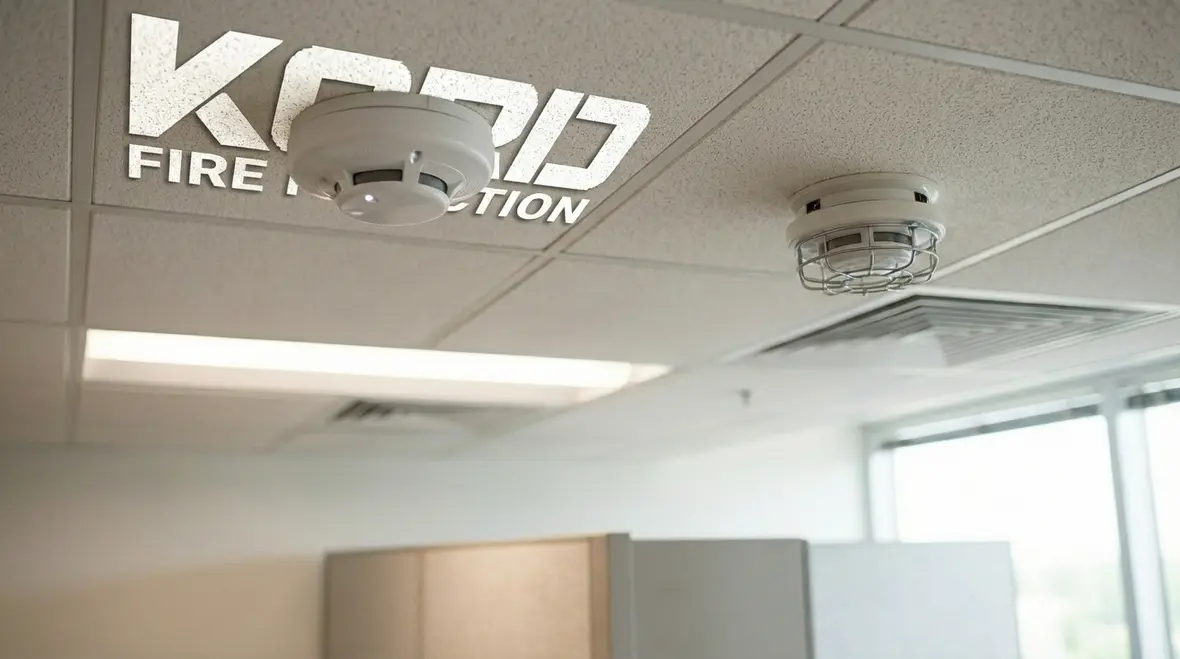
A comprehensive fire protection system works in layers. Detection provides early warning. Alarms prompt evacuation. Suppression controls or extinguishes flames. Each component must communicate clearly with the others.
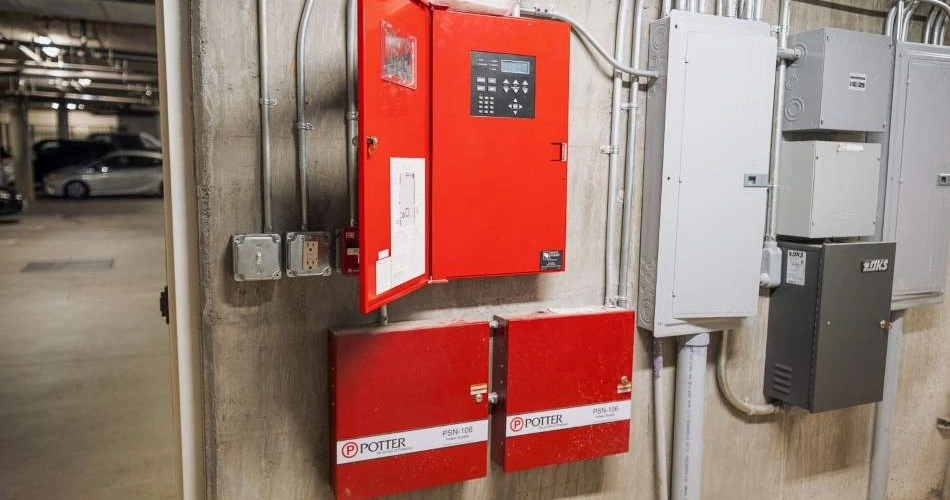
For example, smoke detectors sense combustion particles before flames become visible. Heat detectors respond when temperatures spike. Control panels interpret these signals and activate alarms. Meanwhile, suppression systems deploy automatically when preset thresholds are met.
However, technology alone does not guarantee success. Placement matters. Engineers calculate detector spacing, sprinkler head coverage, and alarm audibility levels. Additionally, they consider airflow patterns that might delay detection.
Think of it as assembling a team of specialists. Each member has a job. When they work together, the outcome feels almost effortless. When they do not, well, that is when chaos writes the script.
Modern suppression release panels even tell a story of their own, from pre alarm countdowns to discharge confirmation. If you have ever stared at blinking lights and wondered what they meant, Kord Fire’s fire suppression release panel indicators guide translates that language into plain English before an emergency ever starts narrating it for you.
Code Compliance and Documentation Without the Headache
Fire codes exist for a reason. They reflect lessons learned from past tragedies. Therefore, compliance is never optional.
Designers reference local building codes, national fire standards, and insurance requirements. They prepare detailed drawings, hydraulic calculations, and equipment specifications. Inspectors review these documents before approving installation.
Kord Fire Protection technicians often guide property owners through this maze. Because while code books may not qualify as thrilling bedtime reading, understanding them prevents costly delays. Moreover, proper documentation supports future inspections and insurance claims.
In short, paperwork may not stop a fire. Yet it ensures the system designed to stop one gets installed correctly.
Installation and System Integration in Action
After approvals come through, installation begins. Skilled technicians mount sprinkler lines, connect control valves, wire alarm panels, and position suppression tanks. Every connection undergoes inspection. Every joint gets tested.
During this phase, coordination with other trades proves essential. Electrical teams, HVAC specialists, and structural crews must align schedules. Otherwise, one misplaced duct can disrupt sprinkler coverage.
Additionally, installers conduct pressure tests and alarm signal verification. They simulate activation scenarios to confirm proper response. Because confidence comes from proof, not guesswork.
And yes, there is a certain satisfaction in watching a system perform exactly as designed. It is the engineering equivalent of a perfectly rehearsed orchestra.
Maintenance Planning and Fire Suppression Recharge Strategy
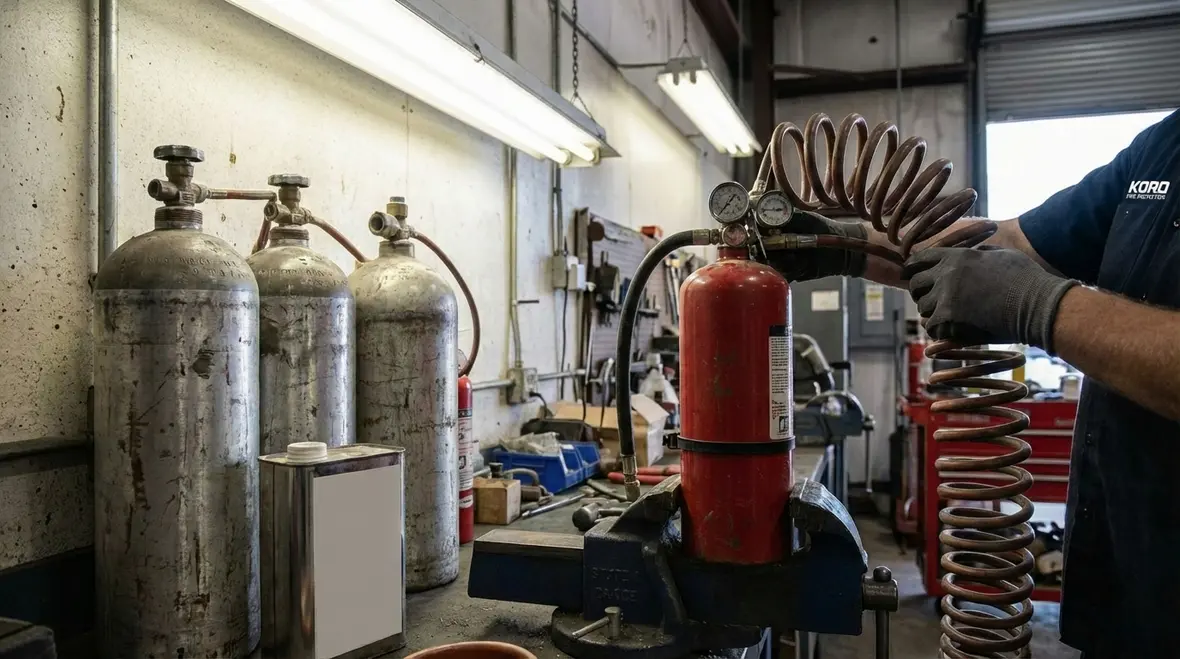
A system installed is not a system finished. Ongoing maintenance keeps protection reliable year after year. This is where scheduled inspections, testing, and Fire suppression recharge services enter the picture.
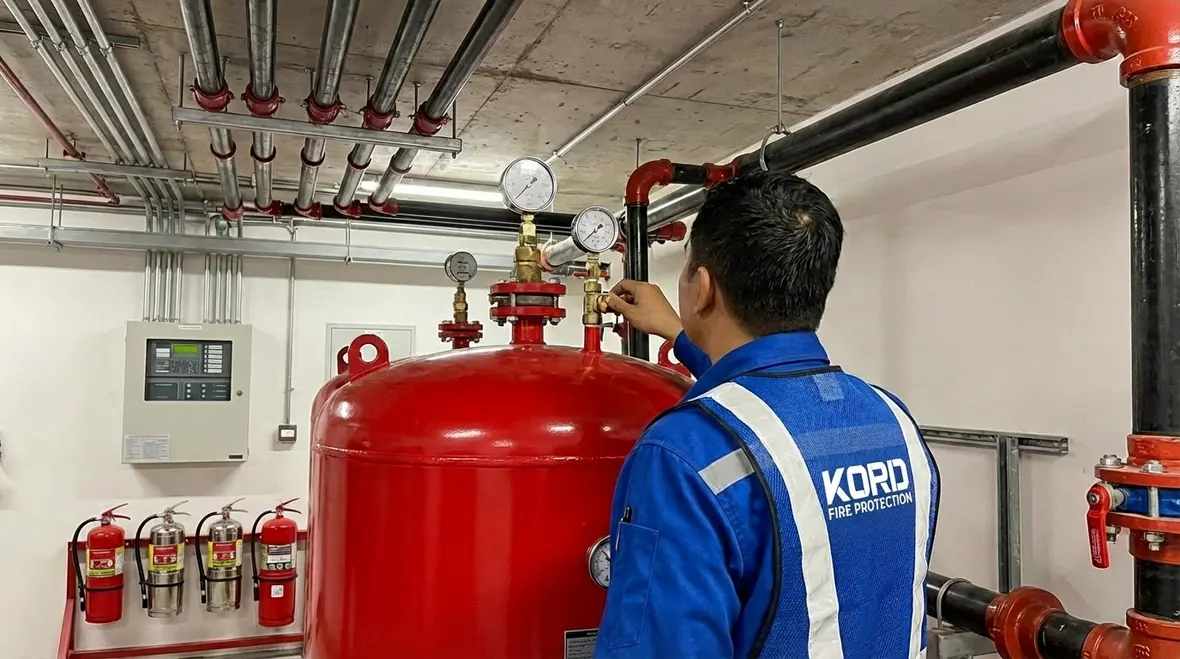
Over time, extinguishers lose pressure. Suppression cylinders may discharge partially during minor incidents. Even small leaks can reduce effectiveness. Therefore, technicians inspect gauges, weigh cylinders, and replace agents as needed.
Below is a simple overview of maintenance priorities:
Service Area What Technicians Check
Extinguishers Pressure levels, seals, physical damage
Suppression Tanks Agent quantity, valve integrity, discharge lines
Sprinkler Systems Obstructions, corrosion, water flow tests
Alarm Panels Signal accuracy, battery backup, communication links
Kord Fire Protection technicians emphasize that recharge services should never wait until after a major event. Instead, proactive scheduling ensures readiness at all times. Because in fire protection, timing is everything.
If your system or extinguishers have already seen action, Kord Fire’s article on why fire system recharging after discharge is critical walks through what should happen next, step by steady step, so you are not left guessing whether your building is still protected.
Training Occupants and Building a Culture of Awareness
Even the most advanced system cannot replace informed occupants. Therefore, comprehensive design includes training sessions. Staff learn evacuation routes, alarm meanings, and extinguisher use.
Furthermore, regular drills reinforce muscle memory. When people know what to do, panic decreases. Clear signage and emergency lighting support safe exits.
This human element transforms hardware into a living safety strategy. As technicians often say, equipment handles the flames, but people handle the response.
Can a Comprehensive Fire Protection System Prevent Every Fire?
No system can prevent every ignition source. However, a well designed plan drastically reduces damage, injuries, and downtime.
Comprehensive systems detect fires early, contain spread, and alert occupants quickly. Moreover, routine inspections and timely suppression system refills ensure equipment performs when needed. While risk never drops to zero, preparation shifts the odds heavily in favor of safety.
In other words, the goal is not perfection. The goal is control.
FAQ
Conclusion: Secure Protection with Confidence
A comprehensive fire protection system does not happen by accident. It emerges from careful study, precise engineering, skilled installation, and consistent maintenance. From initial risk assessment to scheduled recharge services, every step matters. Kord Fire Protection technicians stand ready to explain, guide, and implement each phase with steady expertise.
For businesses seeking reliable protection and peace of mind, now is the time to act, review current systems, and ensure every safeguard stands prepared. If your extinguishers are due for attention or your suppression system has recently discharged, schedule a visit with Kord Fire’s fire system recharging and inspection team so your next emergency meets a fully ready defense, not an empty cylinder.
To move from planning to action, connect with Kord Fire Protection’s dedicated fire system recharging services and broader fire suppression support. Turning design into reality is where true protection begins.
Know Your Weapon Before You Fight the Flame
Kord Fire Protection is your go-to when it comes to all things fire protection. For over 20 years, we’ve been serving Southern California with the quality service and equipment to keep your home or business safe at all times. Our competitive prices reflect our unwavering commitment to protecting what matters most in the event of a fire emergency. Give us a call, send an email, or use that form!

Join Our Newsletter!
Get the latest fire safety tips delivered straight to your inbox From our Newsletter.