Commercial Fire Sprinkler Design Optimization in Australia
Quick Answer: Optimizing commercial fire sprinkler systems boosts reliability, reduces nuisance alarms, and cuts downtime. It also helps facilities in Australia meet relevant compliance expectations while controlling life cycle costs. By tuning hydraulics, layout, water supplies, and inspection routines, facilities can protect people and assets with fewer surprises.
In the fast paced world of Australian industrial and retail operations, Commercial fire sprinkler design optimization is not a buzzword, it is a practical way to get safer coverage with smarter performance. Kord Fire Protection can become a vital partner in this work, because efficiency is not just about pipe and pressure. It also involves how systems stay reliable over time, how maintenance crews can access them easily, and how decisions made during design and upgrades hold up under real world change. Near the start of any optimization plan, it also helps to coordinate with broader fire sprinkler system service support so design decisions stay practical in the field, and facilities that rely on integrated detection can benefit from planning around fire alarm service requirements as well.
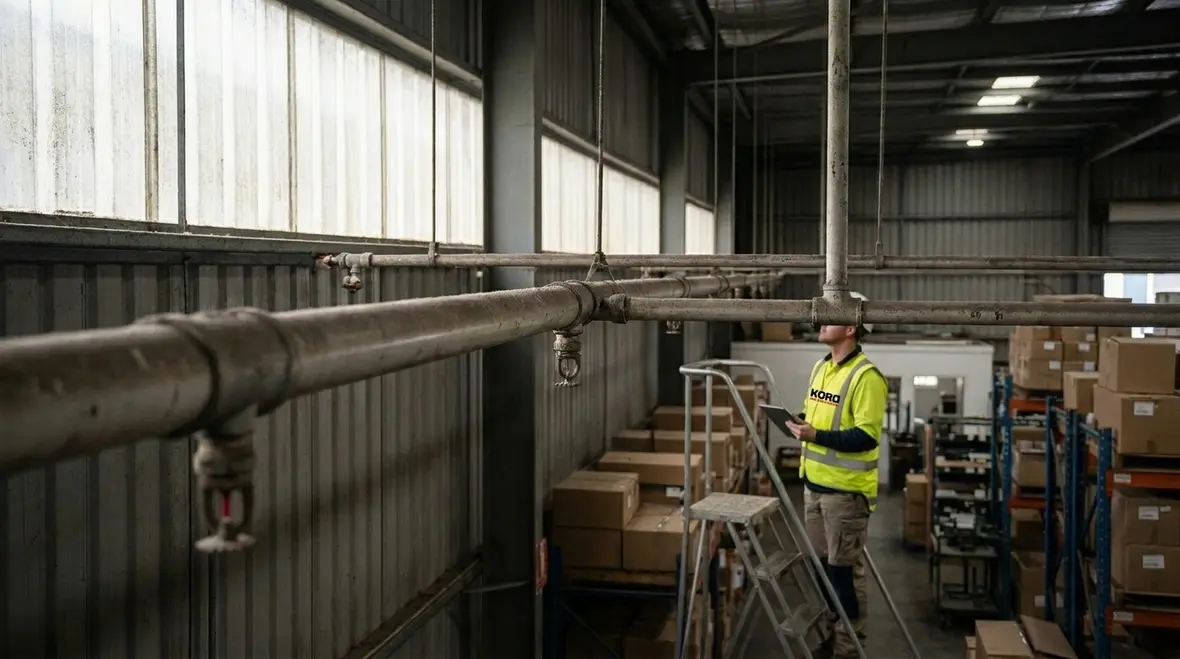
How Commercial Fire Sprinkler Systems Get Efficient, Not Just “Installed”
Commercial facilities often treat sprinklers like a one time box to tick. Yet efficiency starts before any heads go on, and it keeps showing up long after commissioning. First, a competent team reviews the hazard profile. Then they align water supply, pipe sizing, and sprinkler spacing with what the building actually does: cooking lines, dusty storage, retail fit outs, warehouses, and process changes.
Next, they remove avoidable friction. In other words, they reduce the pressure losses that cause poor coverage and inconsistent activation. When a system struggles, it can lead to either under performance or overly sensitive operation. And yes, nuisance activations are the fire alarm equivalent of a smoke detector that thinks toast counts as an emergency. Nobody wants that.
True optimization also looks at the building as a living asset instead of a frozen drawing set. A site may be commissioned perfectly on day one and still drift away from ideal performance by year three because tenants changed storage, aisles got tighter, equipment got added, and access around valves became awkward. The sprinkler system did not suddenly become lazy. The environment changed around it. Good design accounts for that reality from the beginning.
Why performance matters after commissioning
That is why the most useful designs make testing, servicing, and upgrades easier instead of treating them like somebody else’s problem. If inspectors cannot reach critical components without disrupting half the operation, or if modifications require heroic effort every single time, the system may technically exist while still being difficult to manage well. Efficient design is not only about passing paperwork. It is about making reliable protection realistic on an ordinary Tuesday.
Start with Site Reality: Hazards, Layout Changes, and Water Supply
Optimization becomes easier when the design team stops assuming the building stays still forever. Facilities across Australia frequently expand, reconfigure aisles, add mezzanines, swap racking, or introduce new equipment. Therefore, designers should anchor decisions to how the site works today and how it may change tomorrow.
They begin by mapping hazard types. For example, an industrial area with combustible dust has different needs than a clean showroom. Then they verify the water supply performance. Fire pumps, town mains, tanks, and backflow devices must deliver the right flow and pressure at the right time.
At this stage, kord fire protection can add value by coordinating documentation, reviewing existing system performance, and supporting planning for upgrades. A strong partner helps keep the design aligned with maintenance realities, so crews are not stuck with a beautiful blueprint and an impossible job site.
Site reality includes little details that become big headaches later: cold rooms that affect pipe routing, loading zones that invite accidental impact, decorative ceilings that hide obstructions, and tenancy changes that alter risk without warning. When those factors are discussed early, designers can make choices that support both compliance and day to day practicality.
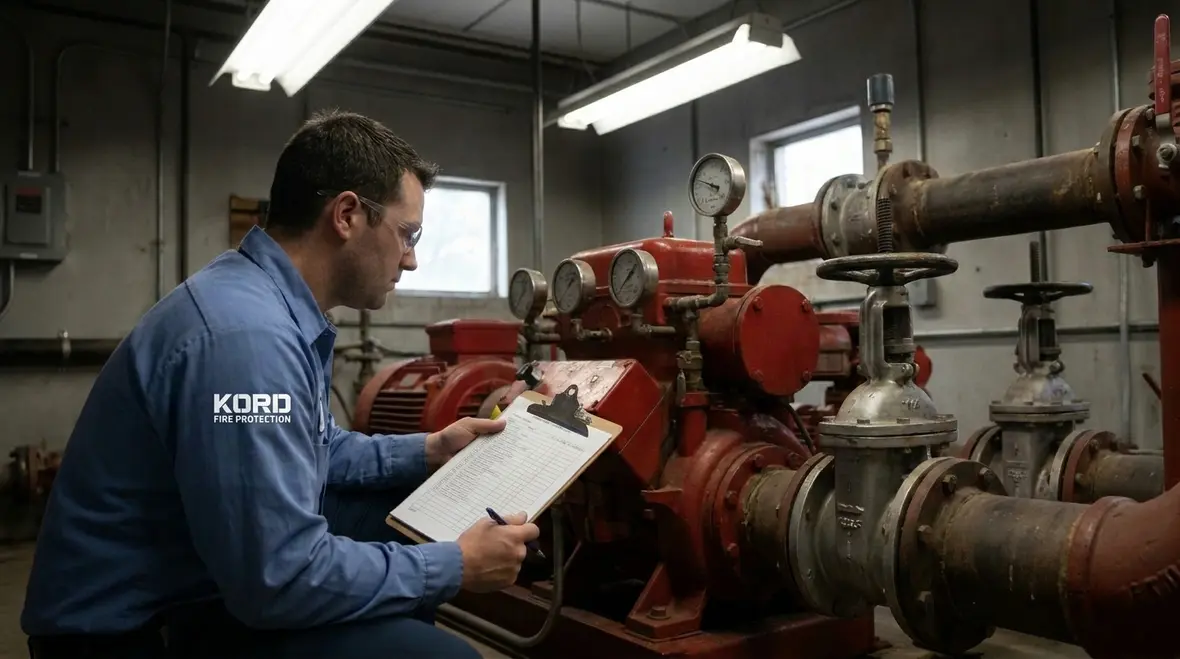
Hydraulics and Coverage: Where Design Optimization Really Shows Up
Efficiency in sprinkler systems is mostly hydraulics. When engineers calculate pipe sizes and friction losses, they should do more than meet minimum requirements. They should aim for stable pressure, consistent discharge, and predictable operation.
To achieve that, teams evaluate:
- Water demand based on the sprinkler type, spacing, and anticipated hazard
- Hydraulic calculations that account for fittings, elevation changes, and real pipe routing
- Flow and pressure targets that match the fire pump curve or available mains capacity
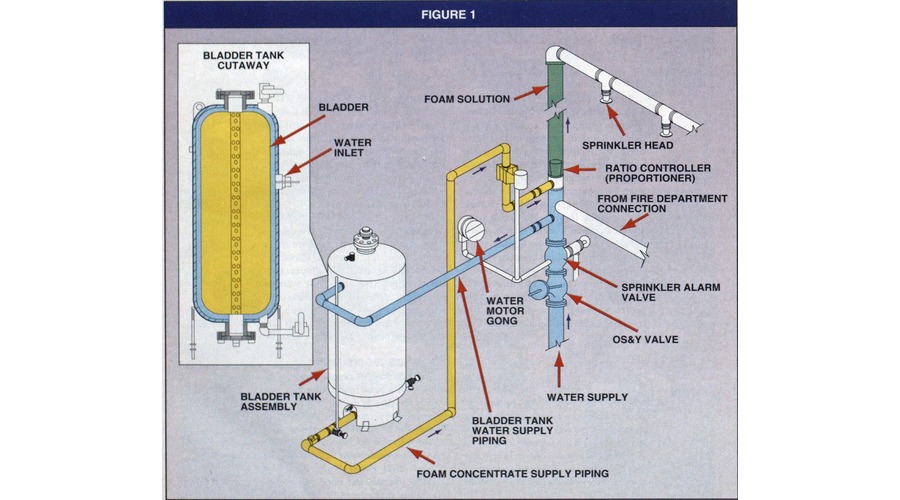
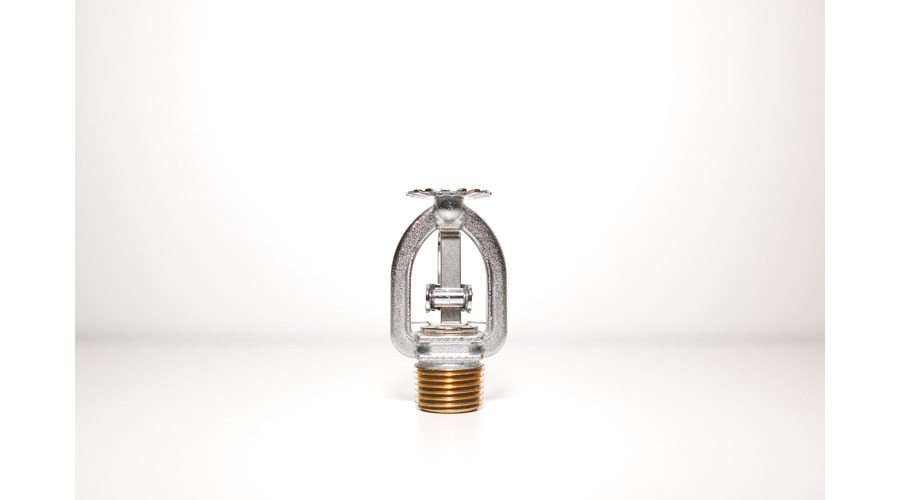
- Sprinkler selection that fits the environment, including corrosion resistance and temperature rating
Then they connect coverage to the geometry of the building. Ceilings, beams, soffits, and obstructions can interrupt spray patterns. As a result, optimization includes adjusting for the way water lands on hazards, not just where heads sit.
This is where solid design separates itself from a cookie cutter layout. Two facilities can have similar floor areas and still need very different solutions because one has awkward ceiling drops, process heat, tightly packed stock, or awkward service corridors. The coverage map has to reflect the real building, not the imaginary one that exists only in neat plan views.
Small hydraulic choices create big operational effects
When hydraulics are tuned well, performance becomes more predictable across the whole system. That helps operators avoid weak end of line conditions, mysterious pressure complaints, and the dreaded cycle of one quick fix creating three new problems somewhere else. Good hydraulics are not flashy. They are just deeply satisfying in the same way a door that closes properly is satisfying. No drama, no nonsense, just doing the job.
Control Nuisance Alarms with Smarter Detection and Integration
Sprinklers and detection systems must work as a single safety strategy. If the facility uses heat, smoke, or flame detection, the design should consider how alarms trigger reporting, shutdown sequences, and occupant response.
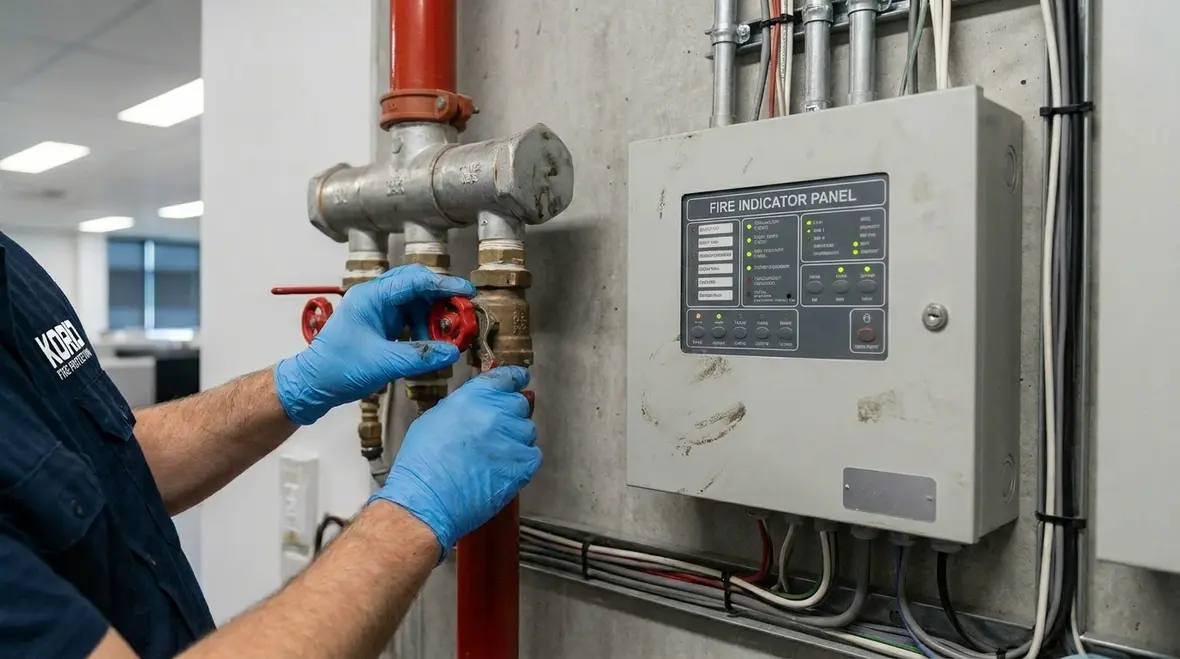
Therefore, optimization includes coordination with fire alarm zoning, control panels, and any process shutdown systems tied to emergency response. When integration is sloppy, operators can face repeated call outs, delayed incident response, and needless downtime. And downtime, unlike a superhero, always shows up uninvited.
When kord fire protection supports this service, it helps ensure the design choices do not create maintenance headaches later. For example, accessibility for inspections matters. So does how quickly technicians can drain, test, and isolate sections safely.
Integration also affects how confidently staff respond when something happens. Clear zoning, sensible sequences, and straightforward annunciation reduce confusion during an event and reduce frustration during testing. If every minor issue turns into a scavenger hunt through panels, valves, and uncertain notes from five years ago, the system is asking for trouble.
Materials, Corrosion Control, and Life Cycle Cost Planning
Efficient systems stay efficient because they last. Australian conditions can be harsh: coastal humidity, industrial aerosols, and areas with chemical exposure. As a result, material selection plays a major role in performance over time.
Optimization should include corrosion control planning, not just initial cost. Teams can choose appropriate coatings, compatible fittings, and corrosion resistant sprinklers where needed. They also plan how the system will be tested and maintained without excessive labour.
Life cycle cost planning looks at:
- Inspection frequency and the time crews spend accessing valves and test connections
- End of line performance based on pipe lengths and flow control components
- Upgrade pathways when future fit outs require changes to coverage or zoning
- Service disruption during modifications, especially in operating retail and industrial sites
This is where a partner like kord fire protection can feel less like a vendor and more like an operations ally. They can help coordinate schedules, align documentation, and reduce the chaos that usually comes with “quick fixes.”
Choosing durable components does not mean blindly choosing the most expensive option. It means matching materials to the environment and to the maintenance plan. A cheaper component installed in the wrong conditions can become the most expensive line item in disguise once repeated service calls, tenant disruption, and replacement work start piling up.
Testing, Commissioning, and Ongoing Optimization
Commissioning is where many projects stop paying attention. Yet real efficiency depends on verifying outcomes, not only calculating them. Teams should test water supplies, confirm pump operation, check valve supervision, and verify that the system discharges as intended.
Then they schedule ongoing inspections that actually support system health. Instead of treating inspections like a paperwork ritual, facilities should use them to spot drift: changes in pipe condition, pressure drops, obstructed access, or new hazards that appear after a fit out.
When sites keep evolving, Commercial fire sprinkler design optimization continues as a living process. A building that once matched the design may later need adjustment due to storage height, rack modifications, or new combustibles. A reliable service partner helps facilities respond quickly, without guesswork.
Use inspections to catch drift early
The smartest operators treat inspections as feedback, not interruption. That shift matters. Once testing data, field observations, and maintenance notes are actually used, optimization becomes easier and far less reactive. Problems are smaller, planning is calmer, and nobody has to pretend that a last minute emergency repair was part of the grand strategy all along.

Maintenance and Training: Making the Whole Team Part of the Solution
A sprinkler system is only as effective as the people who support it. Facilities should ensure maintenance staff understand key components: sectional control valves, drain points, control devices, and the practical steps for safe isolation and restoration.
Moreover, staff should learn how to report early warnings. Low flow indications, recurring faults, or access issues should trigger review before they turn into costly service calls. If a team waits until the emergency, it is like waiting until payday to check the bank balance. Not ideal.
Training also improves handoff between operations staff, site managers, contractors, and service technicians. When everyone uses the same language around impairment procedures, inspection access, and restoration checks, work moves faster and with fewer mistakes. That kind of clarity is not glamorous, but it saves time, money, and patience.
Choosing the Right Partner for Australia Wide Service
Across industrial, retail, and facilities operations, success depends on coordination, documentation, and field practicality. A strong partner does not only design and install. They also support inspections, maintenance planning, and upgrade strategy.
kord fire protection can become a vital partner by helping facilities align safety performance with everyday operations. They bring a mindset that respects compliance expectations and focuses on system reliability. That means fewer surprises for asset owners, less disruption for tenants and operators, and a clearer path when changes hit the building.
The right partner also helps teams prioritize. Not every issue needs the same urgency, and not every upgrade has the same return. A practical service partner can separate immediate performance risks from longer term improvement opportunities, which keeps budgets sane and helps facilities make decisions without panic.
FAQ
Conclusion
Optimizing commercial fire sprinkler systems delivers safer performance, fewer surprises, and smarter life cycle costs for Australian industrial, retail, and facilities teams. When a facility plans hydraulics, coverage, water supply, integration, and maintenance together, the system works like it should. Kord Fire Protection helps facilities move from “installed” to genuinely efficient.
Reach out to schedule an assessment and create an upgrade plan that fits real operations. With thoughtful design, better testing, and the right service support, facilities can reduce downtime, improve reliability, and keep protection aligned with the way the building actually works.

Join Our Newsletter!
Get the latest fire safety tips delivered straight to your inbox From our Newsletter.