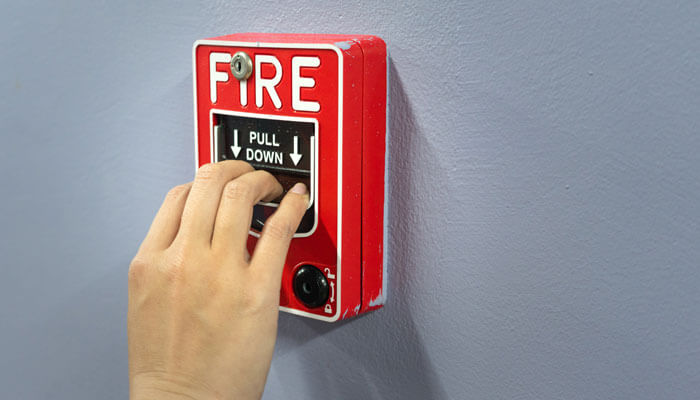
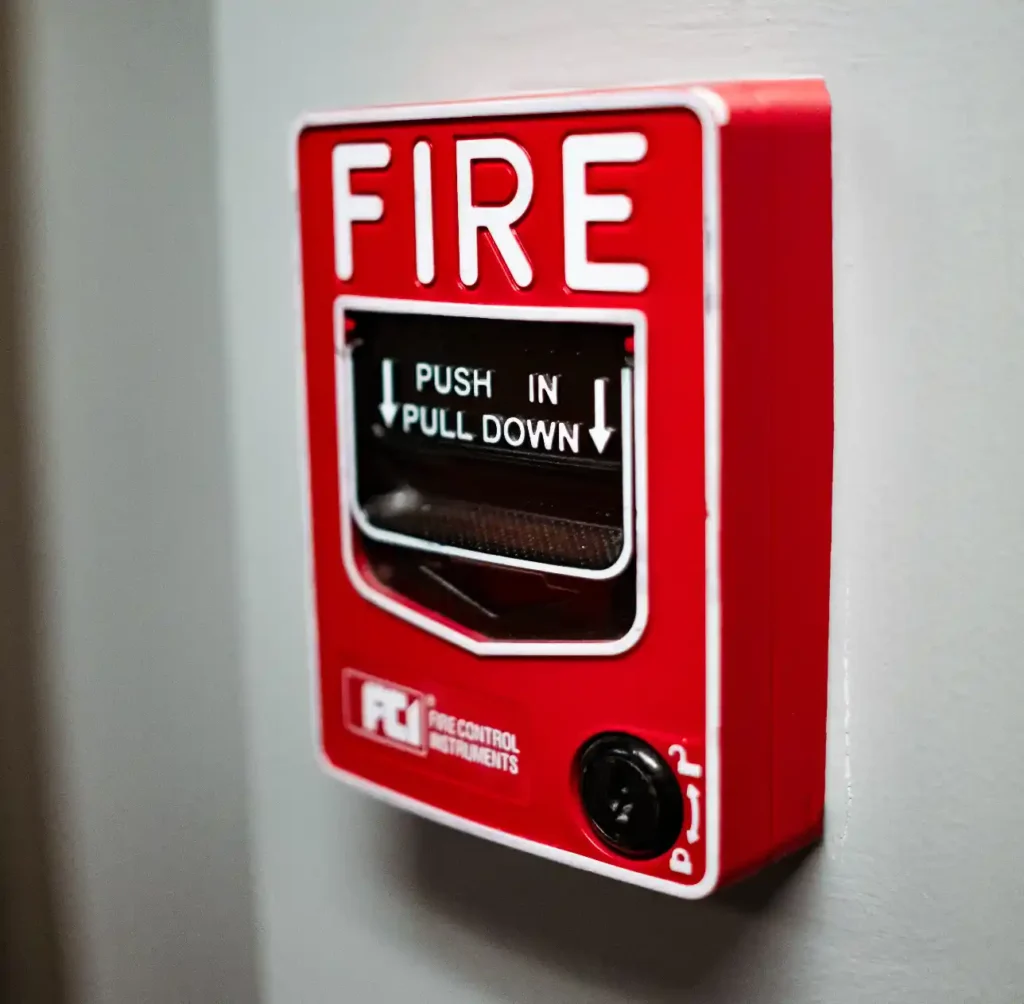
Commercial Fire Panel Upgrades: When to Upgrade
Quick Answer: A facility should upgrade its fire alarm panel when problems show up, codes change, or the system reaches the end of its life. Typically, teams plan upgrades after frequent faults, outdated control hardware, or when expansion needs more capacity. Kord Fire Protection can guide the timing, design, and compliance.
Near the start of that process, many teams also review their broader fire alarm service options to make sure the upgrade fits ongoing testing, support, and monitoring needs instead of becoming a one-time patch job with a nicer faceplate.
Commercial fire panel upgrades: when the panel signals it is time
In industrial and commercial facilities, fire alarm systems often do their job quietly for years, right up until they decide subtlety is overrated. When that moment arrives, commercial fire panel upgrades stop being a “nice to have” and start becoming a direct step toward protecting people, property, and daily operations. Kord Fire Protection steps in as a vital partner, helping facilities plan upgrades that fit the building, the risk profile, and the compliance expectations that come with real-world operations.
Nobody wants to think about fire protection the same way they think about replacing a phone battery, but panels age, components wear out, and system technology improves. A panel that once felt perfectly adequate can eventually become the weak point in the whole life safety chain. Smart facility managers usually prefer to plan upgrades before the system starts acting like a temperamental DVR that refuses to save recordings and then blames everyone else.
Why timing matters more than heroic last-minute decisions
Waiting too long rarely saves money. It usually shifts the cost into emergency service calls, scheduling headaches, tenant disruption, or temporary workarounds that nobody actually trusts. Kord Fire Protection often helps teams move from reactive thinking to structured planning, which is much better than discovering the panel’s personality defects during a critical event.
Signs a facility fire alarm panel is past its prime
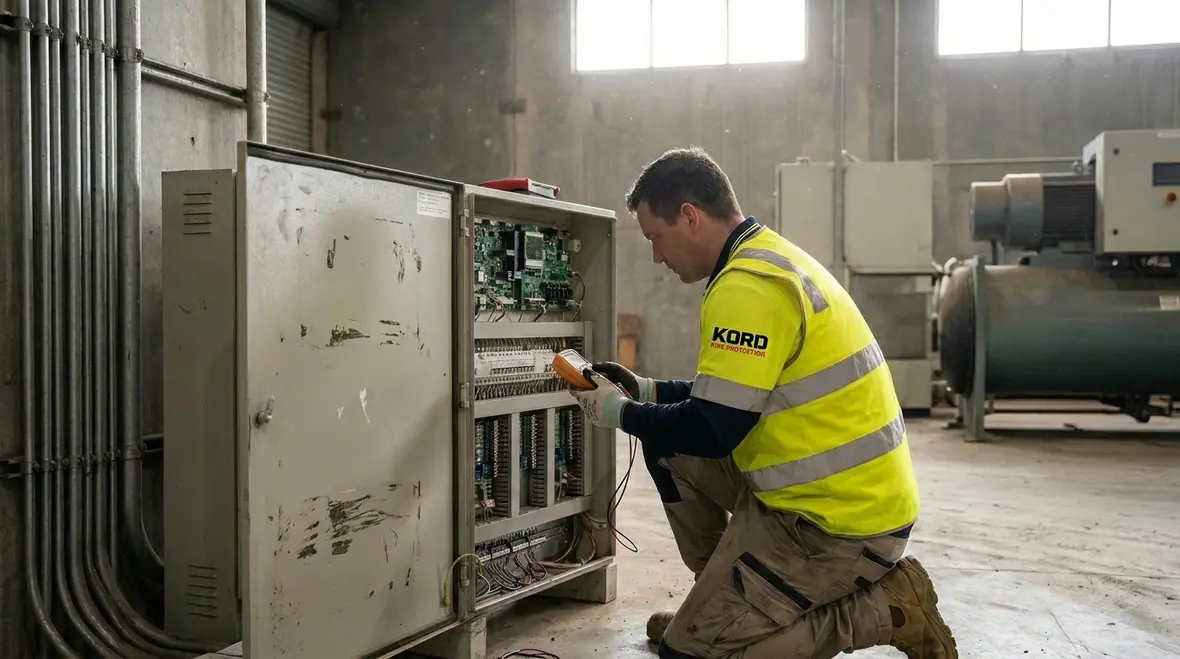
Most teams notice trouble before a panel fully fails, and those early warnings deserve attention. If the control panel logs repeated faults, struggles to reset correctly, or keeps showing trouble conditions that return after technicians clear them, the system may be losing stability. Older panel boards also become harder to support once manufacturers stop producing key modules, which turns routine maintenance into a scavenger hunt nobody asked for.
Other warning signs include limited expandability, slow event processing, or recurring communication issues with addressable devices. If the facility has added floors, tenancies, storage areas, or production lines, the existing panel may no longer support the required number of zones or the network capacity needed for reliable supervision. A system that technically still turns on is not always a system that is ready for today’s demands.
And yes, sometimes the panel “works” right up until the exact moment it needs to perform under pressure. That is when outdated hardware can create delays, confusing event data, or incomplete reporting. Kord Fire Protection reviews the full behavior of the system, not just the most obvious symptom, so facilities are not stuck paying for a cosmetic fix that solves nothing important.
Obsolescence is not dramatic, but it is expensive
One of the most frustrating upgrade triggers is simple obsolescence. The panel may not look broken, but if replacement parts, programming tools, or compatible modules are disappearing, the site is already carrying more risk than it appears. This is also where related planning such as advanced fire alarm control panel technology becomes useful, because understanding what newer panels can do helps teams avoid repeating old limitations in a newer box.
What drives upgrade timing in industrial and retail settings
Upgrade timing usually follows operational reality. Industrial facilities place heavy stress on electronics through vibration, dust, temperature swings, and long operating hours. A panel that performs perfectly in a clean office may age very differently in a production environment or near a loading dock. What looks fine on paper can behave very differently once it has spent years living next to machinery, airborne debris, and a daily soundtrack of forklifts.
Retail settings have their own pressure points. Layouts change more often, displays move, pathways shift, and tenancy changes can affect detection coverage, notification mapping, and documentation. That means the alarm system needs stable supervision and clear device organization even when the space itself keeps reinventing its floor plan every quarter.
Insurance requirements, internal corporate standards, and fit out schedules also influence timing. Even when a panel appears acceptable from the outside, its architecture may limit the facility’s ability to support changes cleanly or document them properly. Kord Fire Protection helps facilities align the upgrade with operations, which is far better than trying to wedge a major system change into the busiest week of the year and hoping everyone stays cheerful.
Expansion often reveals the truth
Many panels reveal their age during expansion projects. The moment a building needs more zones, better annunciation, improved networking, or cleaner event reporting, the old panel suddenly stops looking “good enough.” In that sense, growth does not create the problem so much as expose it.
Compliance updates and right-sized upgrade planning
Compliance expectations evolve, and older fire alarm panels do not always keep pace gracefully. As inspection practices, reporting needs, and documentation standards become more demanding, legacy panels may struggle to provide the event detail or system organization needed for smoother testing and maintenance. When a facility has to rely on repeated manual workarounds just to stay inspection-ready, it is a sign the panel design no longer fits current expectations.
That does not mean every upgrade must be a total rip-and-replace project. In many cases, the best path is more targeted. Teams may replace the control panel while retaining compatible field devices, or update communication and power components while keeping devices that still pass inspection and testing. The right scope depends on what is installed, how healthy it is, and whether it can support current and future site needs without turning expansion into a future rerun of the same problem.
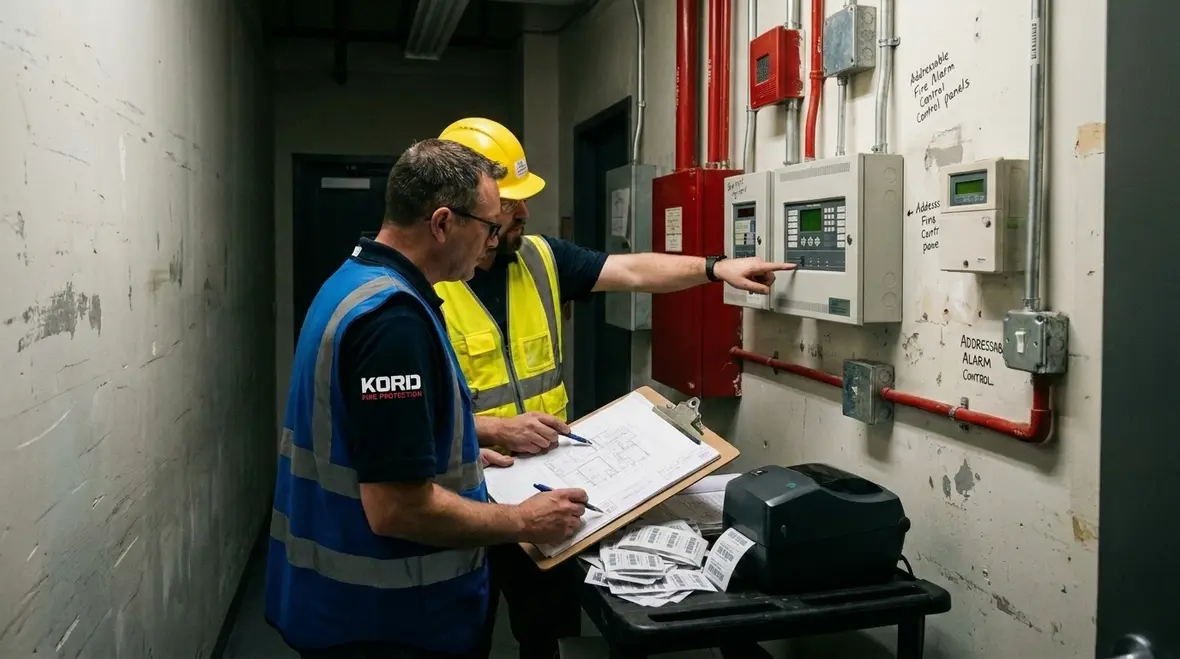
A practical upgrade assessment usually reviews panel capacity, device supervision, wiring integrity, battery performance, and the layout of detection and notification zones. Then it compares those conditions to what the facility needs now and what it may need in the next five to ten years. That future-facing step matters. If the replacement panel only barely supports today’s load, the site is basically buying a new version of yesterday’s limitation.
Avoid the hope and prayers machine
Quick pop quiz for facility managers: if the system can only barely handle new zones, is it really a “system,” or is it a “hope and prayers” machine? Exactly. Proper sizing helps teams avoid overspending today while reducing the odds of another disruptive upgrade after the very next fit out.
Facilities weighing scope decisions can also benefit from related guidance on retrofit vs upgrade fire protection systems, especially when the question is not just whether to replace a panel, but how much of the surrounding infrastructure should be modernized at the same time.
Upgrade planning that keeps safety coverage steady
Most facilities cannot simply shut down for an extended period while a fire alarm upgrade takes place. That means the process needs to preserve safety coverage while work is underway. Kord Fire Protection plans changeovers with phased methods where practical, coordinating installation around production schedules, tenant access, retail trading hours, and the normal reality that businesses prefer not to become construction experiments during peak operations.
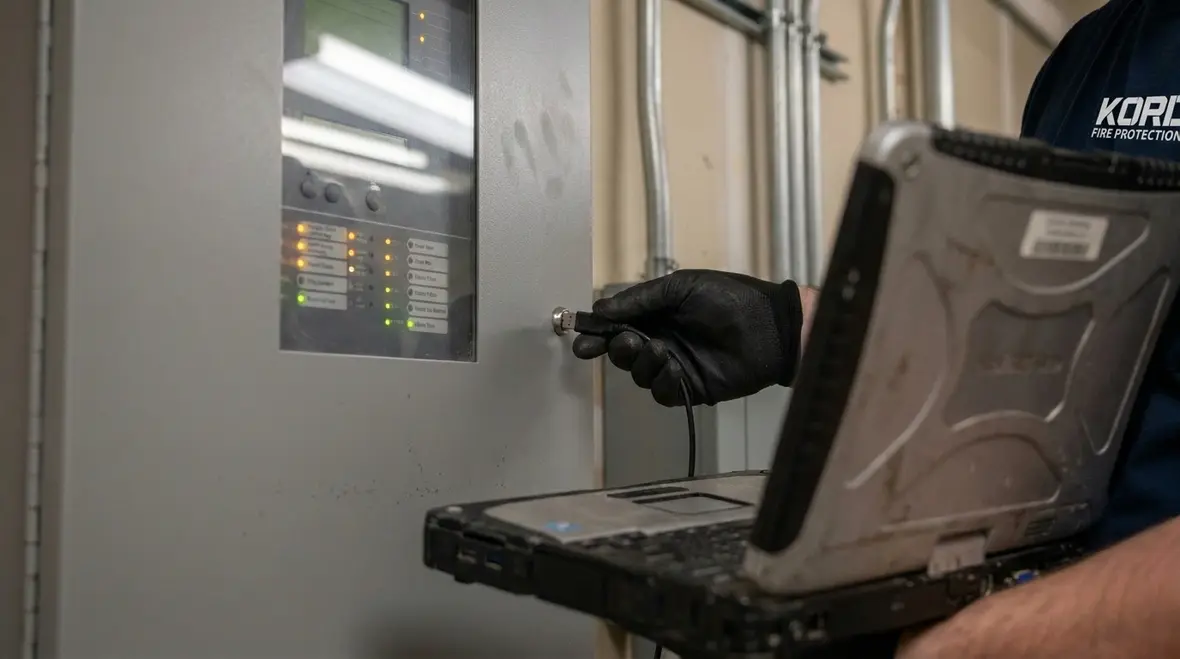
During a controlled changeover, technicians verify device functionality, confirm alarms and sounders operate correctly, and test communication pathways so the new panel receives the right inputs and reports events consistently. Labels, programming, and records also need to be updated so future inspections do not turn into detective work with clipboards and increasingly annoyed expressions.
Power and standby planning also matter. When a facility replaces older hardware, the battery strategy and standby calculations should match the actual system load. Otherwise, the site may pass a controlled test today and disappoint everyone during a real event later. That is not the kind of surprise anyone wants at 2:00 am, or frankly at any hour that contains numbers.
What Kord Fire Protection delivers as a vital partner
Kord Fire Protection does not treat fire panel upgrades like a box-ticking exercise. The process is more practical and more valuable than that. Support typically includes evaluating the existing system, recommending the most sensible upgrade path, and coordinating installation and commissioning so the site receives a dependable result instead of a rushed handoff.
Then comes the part that saves time later: documentation and handover. Facilities benefit when labels, device mapping, and system records remain clear after the upgrade. Maintenance teams can troubleshoot faster, and inspectors can verify configurations without unnecessary confusion. In other words, the upgrade should improve the system itself and the human experience of dealing with it.
Ongoing service matters too. A new panel still needs testing, inspection discipline, and response planning. Kord Fire Protection can help maintain the upgraded system so it performs when it counts, not just when someone is standing in front of it with a form and a pen pretending everything is under control.
Featured FAQ
Conclusion: schedule an upgrade check before problems pile up
Facility fire alarm panels do not warn forever. When faults repeat, parts get hard to source, or expansion outgrows the current system, commercial fire panel upgrades become the smart move. Kord Fire Protection helps commercial and industrial facilities plan upgrades that protect safety, reduce disruption, and keep compliance efforts moving in the right direction.
If your panel is starting to feel less like dependable infrastructure and more like a suspense subplot, now is the time to act. Contact Kord Fire Protection to schedule an assessment and move from guesswork to a clearer, better-timed upgrade plan.

Join Our Newsletter!
Get the latest fire safety tips delivered straight to your inbox From our Newsletter.