Commercial Fire Alarm System Design for Scalable Growth
Commercial fire alarm system design: building safer growth without rewiring the whole world
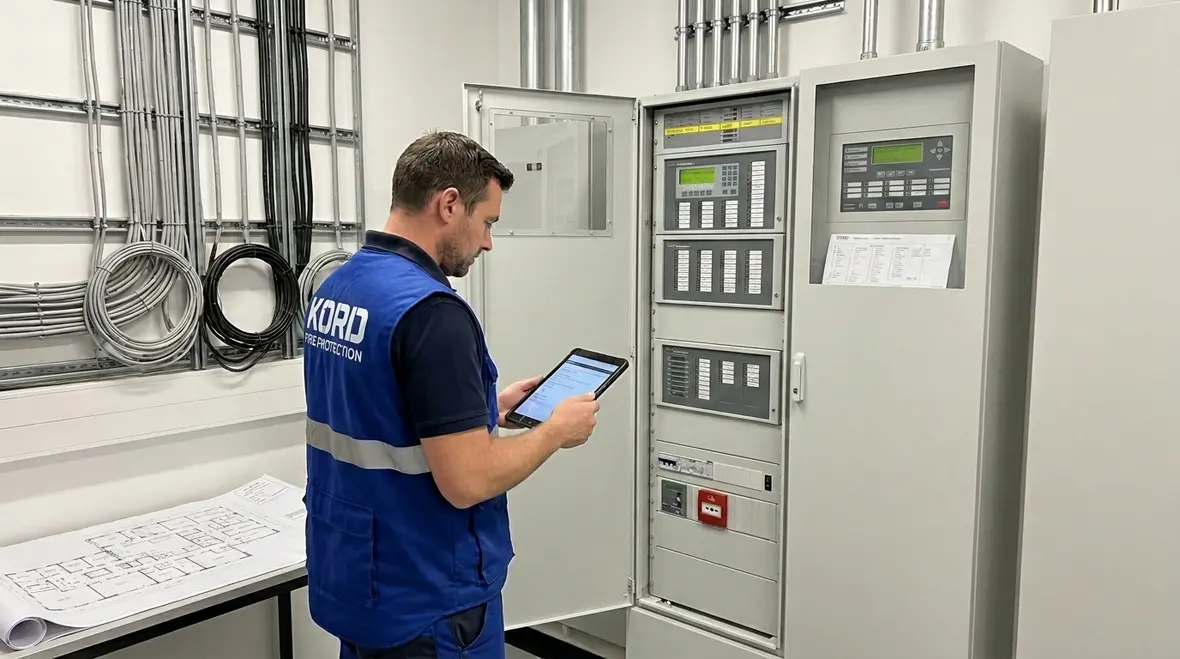
A strong commercial fire alarm system design helps a building grow without turning every future tenant change into a costly electrical soap opera. In a scalable setup, the system expands calmly as floor plans evolve, new wings open, and occupancy shifts from “new construction hype” to real daily life. Kord Fire Protection technicians explain this in plain terms: good design is not just about meeting codes today, it is about staying compatible tomorrow. So, instead of guessing how an alarm system will behave years from now, teams plan for expansion, keep interfaces clean, and reduce surprises when contractors come through with clipboards and confidence.
Because yes, surprises happen. But in the best designs, they are the fun kind, like finding extra storage space, not the kind where a fire alarm zone fails during a drill that nobody scheduled.
What scalable infrastructure demands from an alarm design plan
Capacity that keeps pace with building changes
Scalable infrastructure requires a design that can handle change. When a campus adds a warehouse, converts office space, or changes occupancy loads, the fire system must adapt. That is where the design strategy matters. Kord Fire Protection technicians often start with the question of how the building will operate over time. Then, they connect those operational realities to device placement, wiring paths, and control logic.
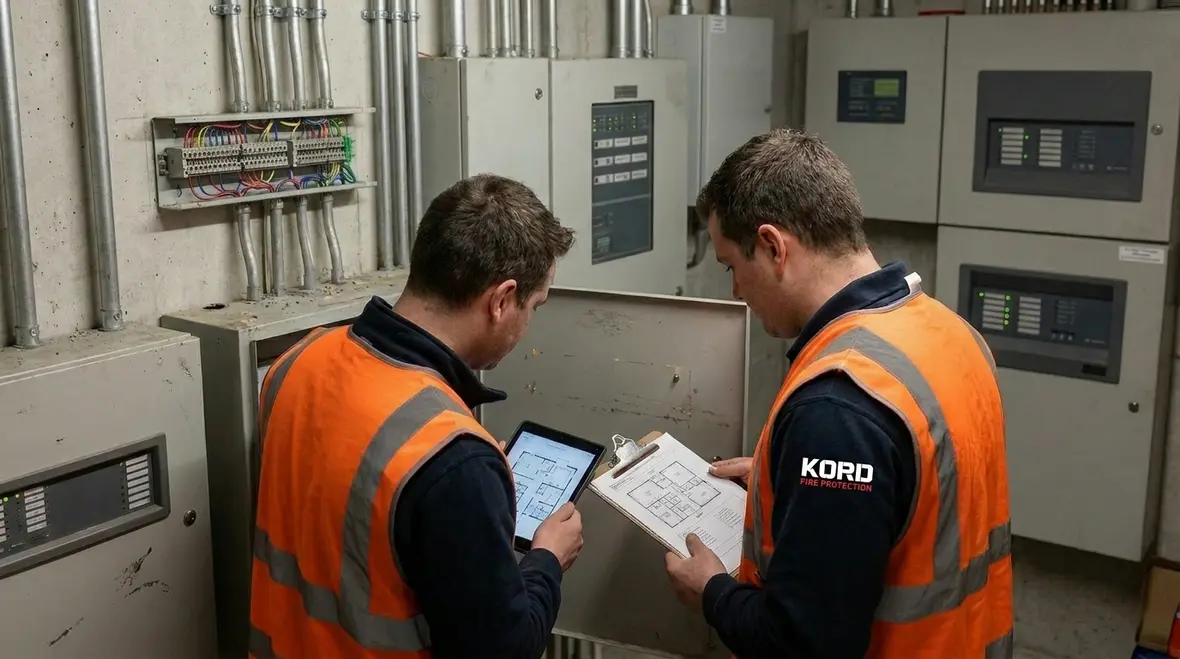
Next, they focus on capacity. A scalable approach uses panel platforms and signaling pathways that can grow with added devices. However, the best part is not just “more headroom.” It is also consistent labeling, clear zone boundaries, and wiring layouts that future electricians can follow without playing detective.
That kind of foresight makes expansion much less dramatic. Instead of ripping into finished walls and tracing mystery conductors from one cabinet to another, teams can extend a system in a way that feels intentional. If you have ever watched a renovation meeting go from calm to chaotic in eight seconds, you already know why that matters.
Finally, scalable systems reduce downtime. When expansions use standardized pathways and predictable connection points, commissioning becomes smoother. As a result, the business keeps moving while the system keeps up. That same practical mindset also supports long-term serviceability, which is why businesses often look to proven resources like fire alarm service systems when evaluating how installation, maintenance, monitoring, and upgrades fit together over the life of a property.
Mapping hazard zones and life safety coverage for real buildings
Designing around actual risk, not blueprint optimism
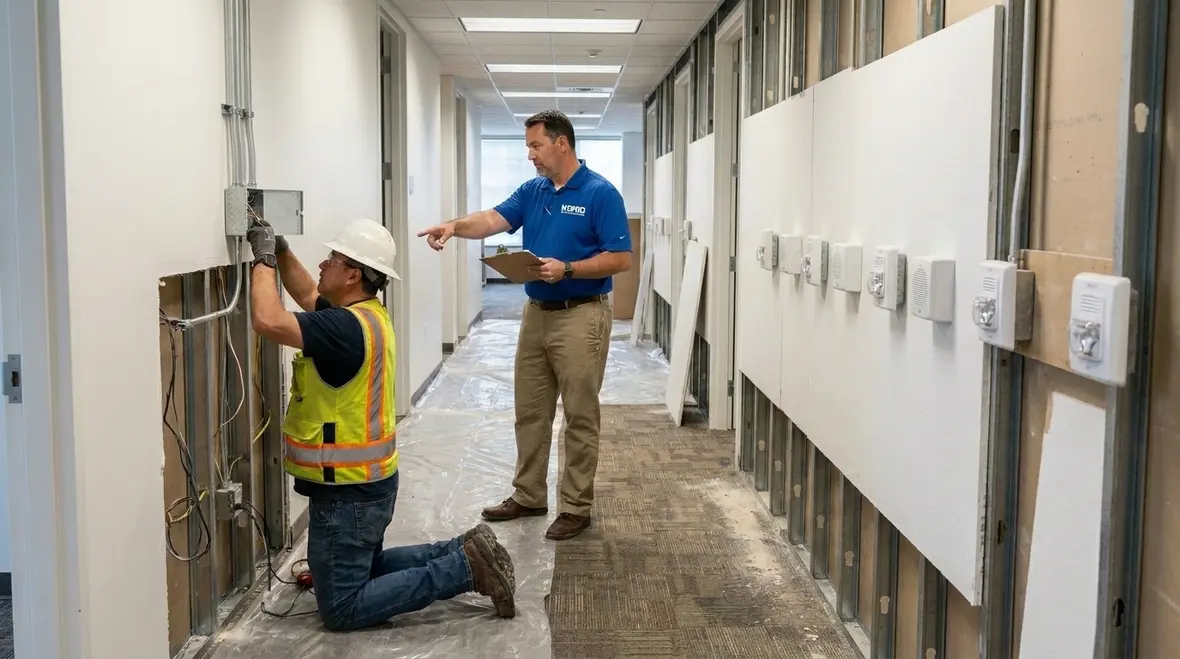
A sound design begins with hazard mapping. This means classifying areas based on how fire risk behaves in each space, not just how it looks on a blueprint. Storage rooms, mechanical rooms, corridor types, and mixed-use areas all need different thinking. Kord Fire Protection technicians explain that hazard mapping drives everything downstream, including detector selection and coverage patterns.
To keep the system scalable, the design also uses zoning that matches how the building staff will respond. For example, zones should align with operational sections, not random line drawings. When zoning matches real behavior, alarm notifications become clearer and response times improve.
Additionally, scalable coverage planning accounts for future buildouts. Teams design in “blocks” where possible. Then they plan for additions that either use the same device types or add compatible types without rewriting the whole system. That approach helps preserve logic, documentation, and troubleshooting clarity instead of creating a patchwork that only makes sense to the one person who installed phase one and has since vanished into legend.
It also helps to think like the people who will actually respond to alarms. Maintenance staff, security teams, managers, and occupants all interpret events differently under pressure. Good zoning gives them useful information fast. Great zoning keeps them from wandering across a giant building wondering whether “Zone 14B-East Extension Adjacent” is a place or a cry for help.
How notification appliances and audibility stay consistent during expansion
Keeping alarms clear when walls, layouts, and tenants change
Fire alarm systems must notify people effectively, and notifications cannot become “good enough later.” During expansion, designers need audibility and strobe synchronization that stays consistent across phases. Kord Fire Protection technicians emphasize that loudness is not just a number on a report. It is a real-world experience for staff who work in the building every day.
So they address sound levels, placement heights, and the way new walls can change sound paths. Then they coordinate with the building’s layout so alarms keep meeting requirements even after tenant improvements. This is also where intelligent planning helps. If notification pathways and circuit wiring routes are built with future phases in mind, the system avoids messy retrofits that can lead to performance gaps.
Also, good designs include labeling that supports fast troubleshooting. When installers and service techs can tell what changed and where, repairs become quicker. In short, notifications stay reliable, and the building avoids the “why did it stop yelling” mystery. Nobody wants the emergency communication plan to turn into interpretive silence because someone moved walls and forgot that sound does not politely pass through construction the way schedules do.
Wiring architecture, power supervision, and reliability across phases
Structured pathways beat cable chaos every time
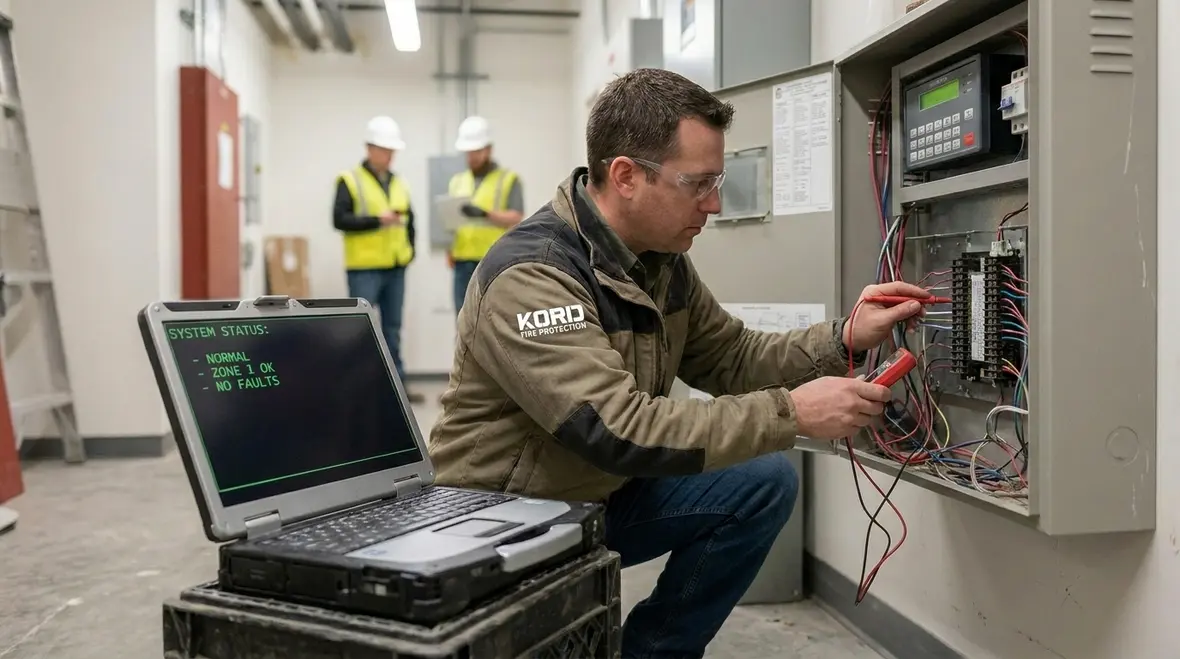
Reliable operation depends on the wiring architecture. Designers choose pathways that support current device counts while leaving room for additional circuits. They also plan for power supervision and fault detection so trouble signals appear early, not after an incident.
In scalable designs, the wiring routes matter as much as the control equipment. For example, consistent conduit strategy and clearly defined pull boxes reduce installation complexity during future phases. Meanwhile, supervising devices and circuits helps the system detect open or short conditions. Therefore, maintenance teams can respond before a fault becomes a bigger problem.
Kord Fire Protection technicians explain that reliability improves when the design uses sensible separation. Power and signaling should be routed in ways that reduce interference and physical damage risk. Then, during expansion, technicians can extend those routes without violating the original intent.
One last note, because it always comes up: good design prevents “spaghetti wiring.” Nobody wants a fire alarm panel that looks like it lost a bet to a bundle of cables. Clean routing is not just prettier. It speeds testing, lowers confusion, and gives future technicians a fighting chance of solving problems without narrating the whole adventure out loud.
Interfaces, control logic, and monitoring that businesses can actually use
Clarity matters when systems have to talk to each other
Many commercial projects require the fire system to coordinate with other life safety components. This includes door releases, elevators, smoke control, and building management alerts. Therefore, the design must define interfaces clearly, including what the system monitors and what it controls.
Scalable design teams keep logic organized and documented. They avoid vague labeling and unclear device mappings. Instead, they use naming conventions that match the building’s operations. Then, when a new phase adds devices or changes usage, the monitoring stays understandable for facility teams.
Additionally, modern monitoring often includes remote status reporting. When it exists, the integration should support service workflows, such as trouble history review and alarm event reporting. As a result, technicians can diagnose issues faster, and businesses spend less time on “calls that go nowhere.”
Kord Fire Protection technicians often stress that good interfaces reduce confusion. When operators see clear status, they act faster and with less guesswork. That same thinking shows up across broader full fire protection services, where systems need to work together instead of behaving like distant cousins at a family reunion.
Commissioning, documentation, and training for long term success
The design is only proven when the building proves it
A scalable design is only as good as its commissioning and documentation. That means testing the full system during installation and again after each expansion phase. It also means verifying audibility, signal integrity, and proper device addressing. Kord Fire Protection technicians explain that commissioning should not be treated as a check box. Instead, it is a process that proves the design works in the real building.
Strong documentation includes floor plan mapping, device schedules, zone narratives, and as built wiring updates. When documentation stays current, future contractors do not improvise. Then, service and troubleshooting become more predictable.
Training completes the loop. Facility teams must know what normal trouble signals look like, how to interpret events, and when to escalate. When they learn those basics, they respond with confidence. And confidence, in safety systems, is priceless.
It is also practical. A well-trained team catches weird behavior early, communicates better with service providers, and avoids the classic moment where six people stare at a panel and hope the most confident person is also correct. When documentation is current and training is real, expansion phases become manageable instead of theatrical.
FAQ
Conclusion: move forward with a design that grows, not breaks
Scalable fire safety does not happen by accident. It happens when teams plan capacity, hazard coverage, notification performance, and wiring pathways from day one, then they commission and document every phase. Kord Fire Protection technicians bring that process together with clear explanations, practical field insight, and a focus on reliability.
If a project includes future expansion, it is the best time to design smarter, not later when costs spike. Reach out to Kord Fire Protection to review your current plan and build the right foundation for what comes next through trusted fire alarm service systems support that helps keep commercial properties prepared, scalable, and easier to manage.

Join Our Newsletter!
Get the latest fire safety tips delivered straight to your inbox From our Newsletter.