California Fire Code Commercial Buildings Guide
When it comes to California fire code commercial buildings, the stakes are not small. They are not casual. They are not the kind of thing one shrugs off with a “we’ll fix it later.” In the Golden State, where earthquakes rumble and wildfires make headlines, fire safety rules carry real weight. Business owners, property managers, and developers must meet strict standards designed to protect lives, assets, and reputations. And as Kord Fire Protection technicians often explain in calm, measured tones, understanding the code is not about fear. It is about preparation. It is about building spaces that stand ready when the unexpected knocks on the door.
Understanding California Fire Code Commercial Buildings Requirements
The California Fire Code sets the foundation for how commercial properties must prevent, detect, and respond to fire emergencies. It aligns with the International Fire Code, yet the state adds specific amendments that reflect local risks. Therefore, what works in another state may not pass inspection in Los Angeles, San Diego, or Sacramento.
These regulations apply to offices, warehouses, retail centers, restaurants, manufacturing plants, and high rise buildings. Moreover, local jurisdictions may adopt even stricter measures. That means compliance is not a one size fits all checklist. It is a living system that adapts to occupancy type, square footage, fire load, and use.
Kord Fire Protection technicians often remind clients that fire code is not just about passing inspection. It is about layered protection. Detection, suppression, containment, and safe exit pathways must all work together. If one layer fails, another steps in. Think of it as a well rehearsed orchestra. When one instrument pauses, the music continues.
For a deeper dive into how state codes connect with broader national standards, many California property teams also review resources like Kord Fire’s overview of NFPA 1 fire code and NFPA 101 Life Safety Code, which clarify how prevention, egress, and life safety all intersect with local requirements.
What Fire Protection Systems Are Required in California Commercial Properties?
The required systems depend on building size, occupancy classification, and hazard level. However, several core components appear again and again.
Fire Sprinkler Systems
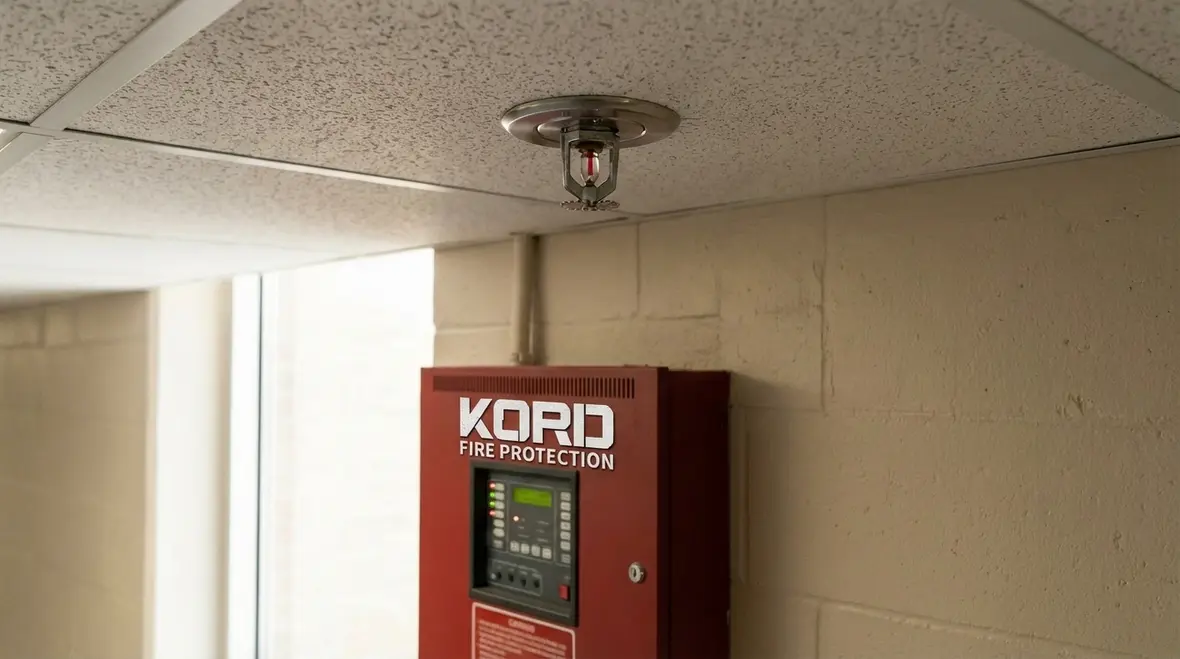
Automatic sprinklers are mandatory in most new commercial constructions. Additionally, many older buildings must retrofit systems when renovations or occupancy changes occur. Sprinklers control heat and flames early, often before firefighters arrive. Contrary to movie scenes, they do not all activate at once. Each head responds individually to heat. Hollywood has taken creative liberties here.
If you are unsure when sprinklers become mandatory or what system type may fit your building, Kord Fire’s commercial fire sprinkler system requirements guide for Los Angeles connects those dots between code language and real world design.
Fire Alarm Systems
Commercial buildings must install approved fire alarm systems with audible and visual notification devices. These systems alert occupants quickly. Furthermore, they must connect to monitoring services in many cases, ensuring emergency response without delay. Many owners also reference Kord Fire’s NFPA 72 overview to better understand design, installation, and testing expectations for modern alarm and signaling systems.
Fire Extinguishers
Portable extinguishers must be properly rated, mounted, and accessible. Placement depends on hazard type. For example, a commercial kitchen requires Class K extinguishers for grease fires. A warehouse storing paper goods needs a different rating. Kord Fire Protection technicians frequently explain extinguisher classifications in simple terms so staff know what they are grabbing in an emergency.
Emergency Lighting and Exit Signs
If power fails, illumination must continue long enough for safe evacuation. Exit signs must remain visible and unobstructed at all times. In inspections, blocked exits remain one of the most common violations. Apparently, storage rooms have a way of expanding into hallways when no one is looking.
Beyond the Basics
In California, many commercial properties must also align their suppression, alarm, and electrical systems with NFPA standards such as NFPA 70 (the National Electrical Code) and NFPA 70B for electrical maintenance. This integrated approach helps reduce both fire risk and unplanned outages.
Occupancy Classifications Shape the Rules
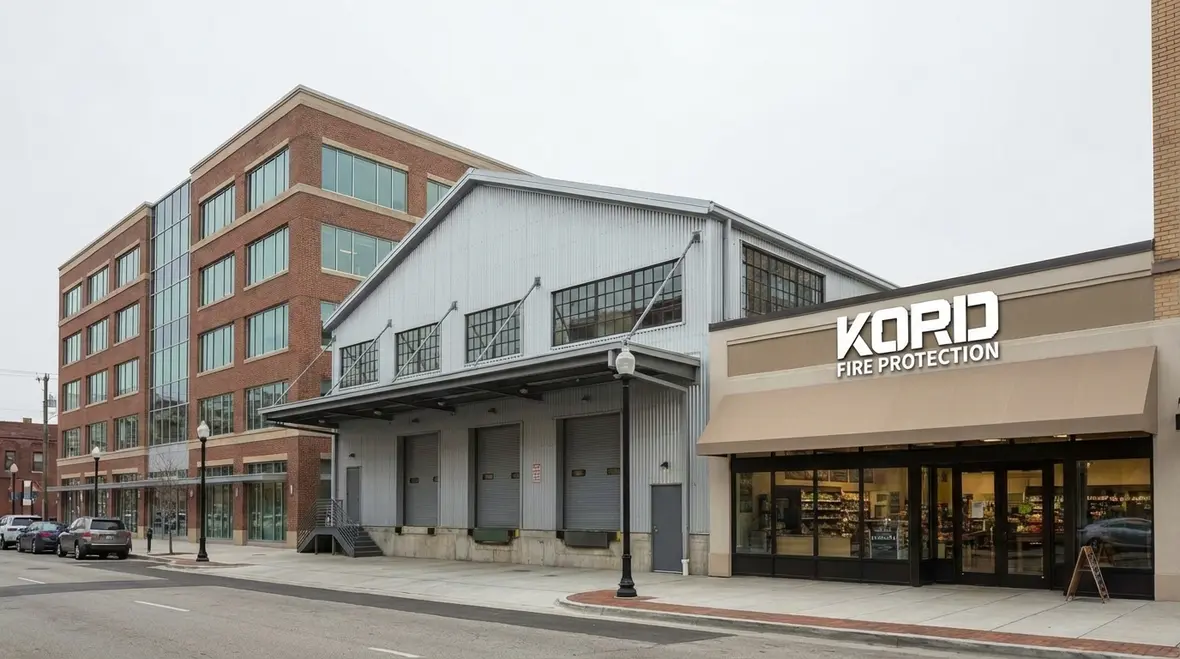
Not all commercial spaces carry the same level of fire risk. Therefore, the California Fire Code groups buildings into occupancy classifications such as Assembly, Business, Mercantile, Industrial, and Residential mixed use.
An Assembly occupancy, like a theater or event hall, faces stricter egress requirements because it gathers large crowds. Meanwhile, an industrial facility storing flammable liquids must meet heightened storage and ventilation rules. Consequently, understanding classification is the first step toward compliance.
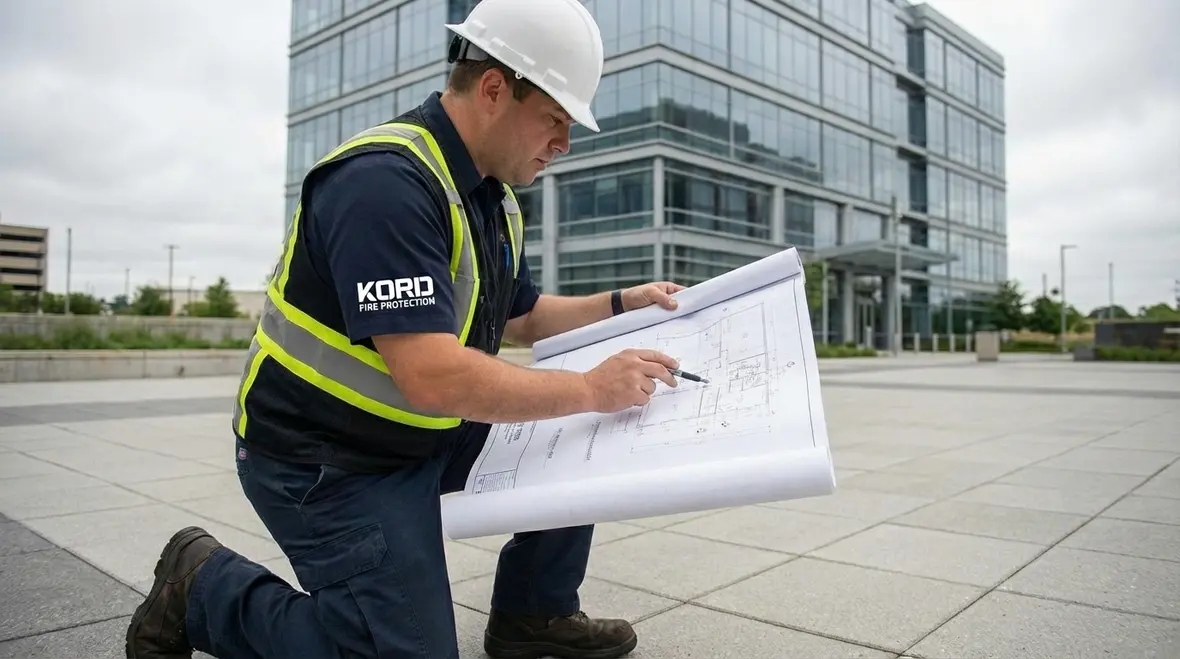
Kord Fire Protection technicians often begin site visits by reviewing occupancy use. If a business changes from office space to light manufacturing, the fire protection demands may increase. A simple remodel can trigger system upgrades. That is why proactive consultation saves both time and costly corrections later.
City-Specific Layers
Major California cities often add their own twists. For instance, Kord Fire’s Los Angeles commercial fire code requirements guide explains how the city builds on the California Fire Code with local amendments that affect construction standards, alarm monitoring, sprinkler coverage, and occupant load calculations.
Inspections, Testing, and Ongoing Maintenance
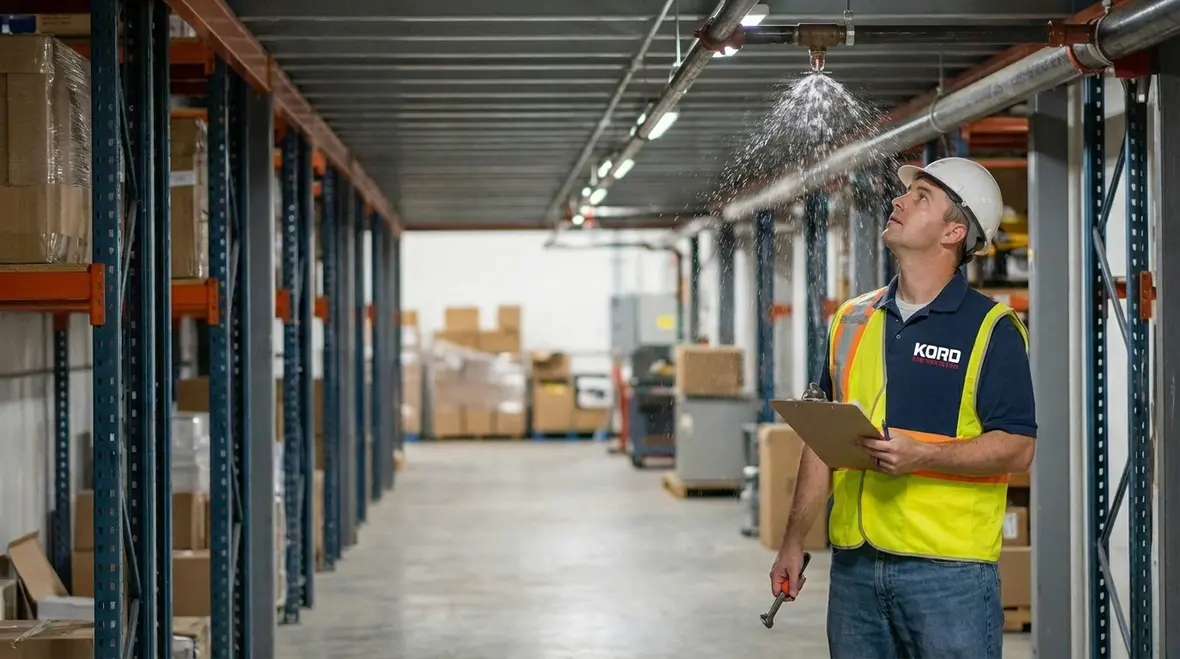
Installing equipment is only the beginning. California requires routine inspection, testing, and maintenance of fire protection systems. Moreover, documentation must remain available for review by the Authority Having Jurisdiction.
Sprinkler systems require periodic visual inspections, quarterly checks, and annual flow tests. Fire alarms must undergo regular functional testing. Fire extinguishers need monthly visual checks and annual servicing. In addition, some components require internal inspections at specific multi year intervals.
Although paperwork may not sound thrilling, it serves a critical role. Inspectors look for proof that systems will operate when needed. Kord Fire Protection technicians emphasize record keeping because a missing log can raise as many red flags as a broken valve.
Transitioning from installation to maintenance mindset helps building owners avoid violations. Instead of reacting to citations, they create a steady rhythm of compliance. In the long run, that rhythm feels less like a scramble and more like a steady drumbeat. If you manage properties in Los Angeles, Kord Fire’s annual fire system testing guide for Los Angeles breaks down expected testing intervals and documentation in even more detail.
How Do California Fire Code Commercial Buildings Address High Rise Safety?
High rise structures face added scrutiny under California fire code commercial buildings standards. Because vertical evacuation presents unique challenges, the code demands enhanced safety measures.
High rise buildings typically require:
- Automatic sprinkler coverage throughout
- Fire command centers
- Smoke control systems
- Emergency voice communication systems
- Stairwell pressurization
Furthermore, fire department access roads and staging areas must remain clear. In dense urban zones, coordination with local agencies becomes essential. Kord Fire Protection technicians often walk property managers through these layers step by step, translating technical language into practical action items.
After all, in a high rise emergency, confusion travels faster than smoke. Clear systems and training keep panic from taking center stage.
Common Violations and How to Avoid Them
Even well managed properties can slip out of compliance. However, most violations share familiar themes.
Frequent Issues
Blocked exits and corridors
Expired fire extinguisher tags
Obstructed sprinkler heads
Improper storage of flammable materials
Disabled alarm components
Preventive Actions
Conduct monthly walkthroughs
Schedule annual servicing in advance
Maintain clear storage policies
Train staff on fire safety basics
Partner with certified fire professionals
Additionally, businesses should avoid unapproved system modifications. Even small changes to walls, ceilings, or shelving can affect sprinkler coverage and egress paths. Before renovations begin, consulting experienced professionals prevents unpleasant surprises during inspection.
As Kord Fire Protection technicians often note, fire safety is not dramatic. It is disciplined. It is consistent. And yes, it occasionally involves telling someone they cannot stack boxes to the ceiling like they are auditioning for a warehouse themed reality show.
Training and Emergency Planning
Compliance extends beyond hardware. The California Fire Code requires emergency action plans for many commercial occupancies. These plans outline evacuation procedures, employee responsibilities, and communication protocols.
Furthermore, staff must understand how to respond when alarms activate. Regular drills reinforce calm behavior. Clear signage and posted evacuation maps guide occupants toward exits.
Kord Fire Protection technicians frequently assist businesses in aligning training with code requirements. They explain alarm signals, extinguisher use, and reporting procedures in straightforward language. When employees know what to do, response time improves. And when response time improves, outcomes change.
In truth, even the best equipment depends on informed people. A sprinkler can control flames. A trained team can prevent them from spreading.
Planning New Construction and Major Renovations
Developers planning new commercial projects in California must integrate fire protection design from the earliest stages. Architectural plans must reflect egress calculations, fire resistant materials, and system layouts. Additionally, plans require review and approval before construction begins.
During renovations, upgrades may trigger compliance with current code standards. For example, increasing occupant load or altering floor layouts can require additional sprinklers or alarms. Therefore, early coordination with fire protection specialists prevents costly redesign.
Kord Fire Protection technicians often collaborate with architects, engineers, and contractors. Their role bridges code language and field reality. They ensure that installations meet both regulatory standards and practical performance expectations.
In the world of construction, surprises belong in birthday parties, not inspections.
FAQ About California Commercial Fire Code
Build With Confidence and Stay Ready
Fire safety in California commercial properties demands focus, consistency, and expert guidance. Rather than waiting for citations or emergencies, business owners can act now. Kord Fire Protection technicians stand ready to explain requirements, inspect systems, and keep buildings aligned with state standards.
If you oversee properties in the Los Angeles area, Kord Fire’s fire safety planning guide for Los Angeles commercial properties pairs perfectly with this statewide overview, helping you translate code language into floor plans, training schedules, and real world procedures.
For hands on support anywhere in California, their full service fire protection team provides design, inspections, testing, repairs, and code consultation tailored to your jurisdiction. Schedule a consultation, strengthen compliance, and protect what matters most. Because preparation today prevents regret tomorrow, and peace of mind is always a wise investment.
Ready to move from “we’ll fix it later” to “we’re inspection ready”? Contact Kord Fire to review your current systems, close code gaps, and build a clear roadmap for ongoing compliance.
Know Your Weapon Before You Fight the Flame
Kord Fire Protection is your go-to when it comes to all things fire protection. For over 20 years, we’ve been serving Southern California with the quality service and equipment to keep your home or business safe at all times. Our competitive prices reflect our unwavering commitment to protecting what matters most in the event of a fire emergency. Give us a call, send an email, or use that form!

Join Our Newsletter!
Get the latest fire safety tips delivered straight to your inbox From our Newsletter.