
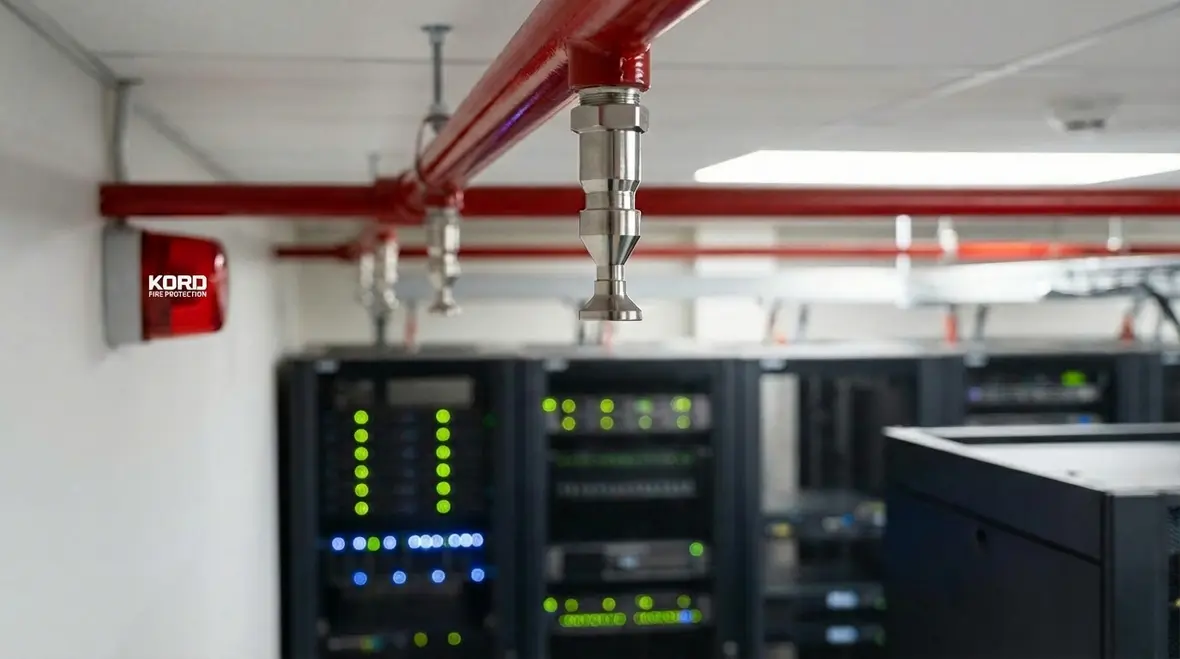
Bell Fire Suppression Systems for Commercial Properties
Fire Suppression Systems for Bell Commercial Properties
In the world of commercial safety, few things matter more than preparation. Our Bell fire suppression systems stand as quiet guardians inside offices, warehouses, restaurants, and industrial spaces across the city. Within the first seconds of a fire, they act. They respond. They protect. And while most people never notice them, that is precisely the point.
Throughout Bell, business owners rely on protection that works without hesitation. Kord Fire Protection technicians often explain it this way: a suppression system is like a bodyguard who never sleeps and never checks their phone. It watches constantly so business owners do not have to. What follows is a deeper look into how these systems work, why they matter, and how the right approach keeps commercial properties safe, compliant, and fully operational.

Understanding Fire Risks in Bell Commercial Buildings
Every commercial property carries its own fire risks. Restaurants deal with open flames and hot oils. Warehouses store combustible materials. Office buildings house electrical systems that hum quietly behind walls. Meanwhile, manufacturing facilities often operate heavy machinery that generates heat throughout the day.
Because each environment presents different hazards, protection cannot follow a one size fits all model. Therefore, property managers must assess fuel sources, ignition points, airflow patterns, and occupancy levels. Kord Fire Protection technicians walk through facilities with a trained eye, identifying risks that might otherwise go unnoticed. They explain not only what needs protection, but also why it matters.
Additionally, local fire codes in Bell require compliance with strict safety standards. These regulations are not suggestions. They exist to reduce loss of life and property. Consequently, installing the right system is not just smart business. It is a legal responsibility. For many property managers, this starts with partnering with a local team that understands Los Angeles County requirements and offers dedicated Bell-area fire protection services that keep buildings inspection-ready year round.
Common high-risk commercial environments in Bell
- Restaurant kitchens with deep fryers, grills, and cooking oils
- Distribution warehouses stacked with cardboard boxes, pallets, and plastics
- Office suites full of computers, power strips, and server closets
- Industrial and manufacturing plants running high-temperature equipment
- Retail spaces with seasonal décor, stockrooms, and public foot traffic
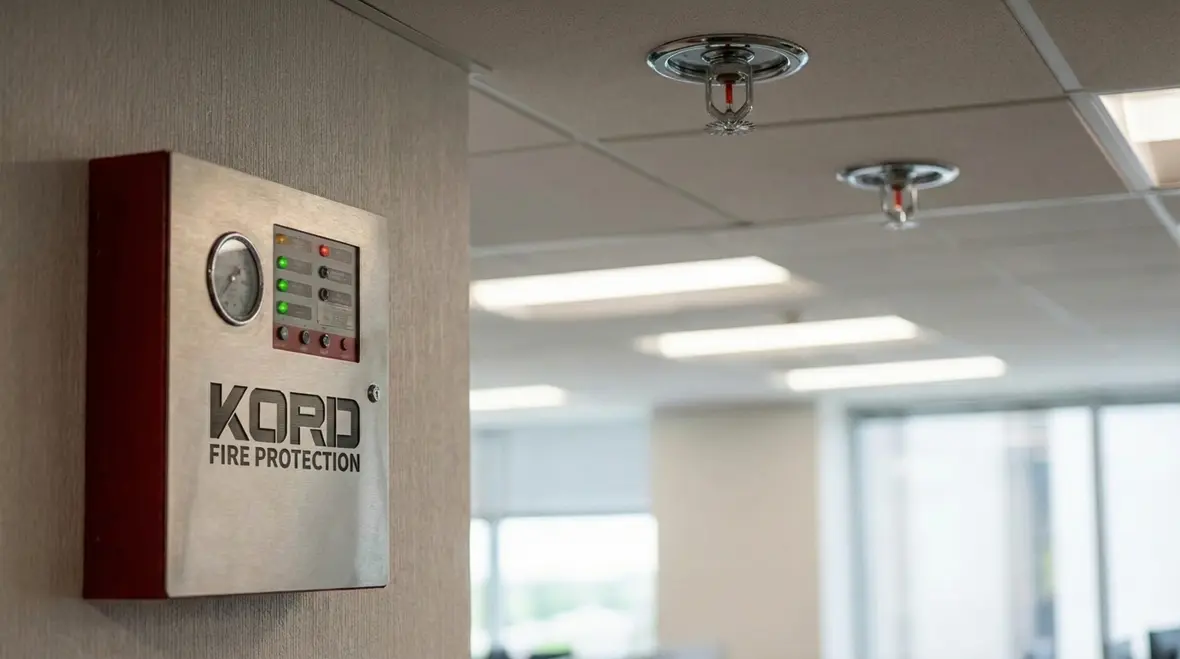
How Bell Fire Suppression Systems Protect Businesses
When a fire begins, seconds matter. Bell fire suppression systems detect heat, smoke, or flame depending on the design. Once triggered, they release agents that control or extinguish the fire before it spreads.
However, not all suppression methods rely on water. In fact, many commercial environments require specialized solutions. For example, commercial kitchens often use wet chemical systems that target grease fires specifically. Data centers, on the other hand, may use clean agents that suppress flames without damaging sensitive electronics.
Kord Fire Protection technicians take the time to explain how each component functions. They describe detection devices, control panels, discharge piping, and suppression agents in clear language. Instead of overwhelming clients with technical jargon, they break it down step by step. As a result, property owners gain confidence in the system protecting their investment.
Moreover, these systems integrate with alarms and emergency lighting. So when suppression activates, occupants receive immediate notification to evacuate. It is a coordinated response designed to reduce chaos. And in moments of crisis, calm coordination can mean everything.
Key components working behind the scenes
- Detection devices that sense heat, smoke, or flame
- Control panels that process signals and activate suppression
- Piping and nozzles that deliver water, foam, or clean agents
- Alarm systems that alert occupants and monitoring centers
- Emergency lighting and exit signs that guide safe evacuation
Choosing the Right System for Different Commercial Environments
Selecting the proper system depends on the type of business, building layout, and specific hazards present. While some properties benefit from traditional sprinkler systems, others require more advanced suppression solutions.
Below is a simplified comparison that Kord Fire Protection technicians often share when guiding clients through decisions.
Column One: Water Based Systems
- Ideal for offices, retail stores, and general commercial spaces
- Cost effective and widely accepted by code officials
- Reliable for controlling ordinary combustibles such as paper and wood
- May cause water damage to sensitive equipment
Column Two: Clean Agent and Specialized Systems
- Designed for data centers, server rooms, laboratories, and kitchens
- Suppress fire without leaving residue
- Protect electronics and high value assets
- Often require precise engineering and regular inspections
Therefore, the decision should never rest on cost alone. Instead, it must align with operational needs and risk exposure. Kord Fire Protection technicians evaluate ceiling heights, ventilation, storage practices, and occupancy patterns before recommending a solution. They explain the reasoning behind each recommendation so business owners understand the investment.
What Business Owners in Bell Ask Most About Fire Protection
Business owners often turn to search engines with direct questions. They want fast answers. They want clarity. So let us address a common one.
How often should commercial fire suppression systems be inspected?
Most systems require quarterly and annual inspections, depending on type and local code. Regular maintenance ensures valves function correctly, detection devices remain responsive, and suppression agents stay within proper pressure ranges. Consequently, inspections are not optional. They are critical to performance.
Beyond inspections, staff training plays a role. Although suppression systems operate automatically, employees should know evacuation procedures and emergency contacts. Kord Fire Protection technicians frequently provide walkthroughs after installation. They show teams where components are located and explain what to expect if activation occurs. That knowledge reduces panic and supports orderly response.
Compliance and Insurance Benefits for Bell Businesses
Meeting fire code requirements protects more than physical assets. It also affects insurance premiums and liability exposure. Insurance providers often look favorably upon properly installed and maintained Bell fire suppression systems. In many cases, businesses may qualify for reduced premiums when documentation proves compliance.
Furthermore, documented inspections demonstrate due diligence. Should an incident occur, records show that the property owner took responsible action. This documentation can significantly reduce legal complications.
Kord Fire Protection technicians emphasize record keeping. After each service visit, they provide detailed reports outlining system status, corrective actions, and recommended improvements. Therefore, property managers maintain clear evidence of compliance. In a regulatory environment that rarely offers second chances, that clarity matters.
The Installation Process from Start to Finish
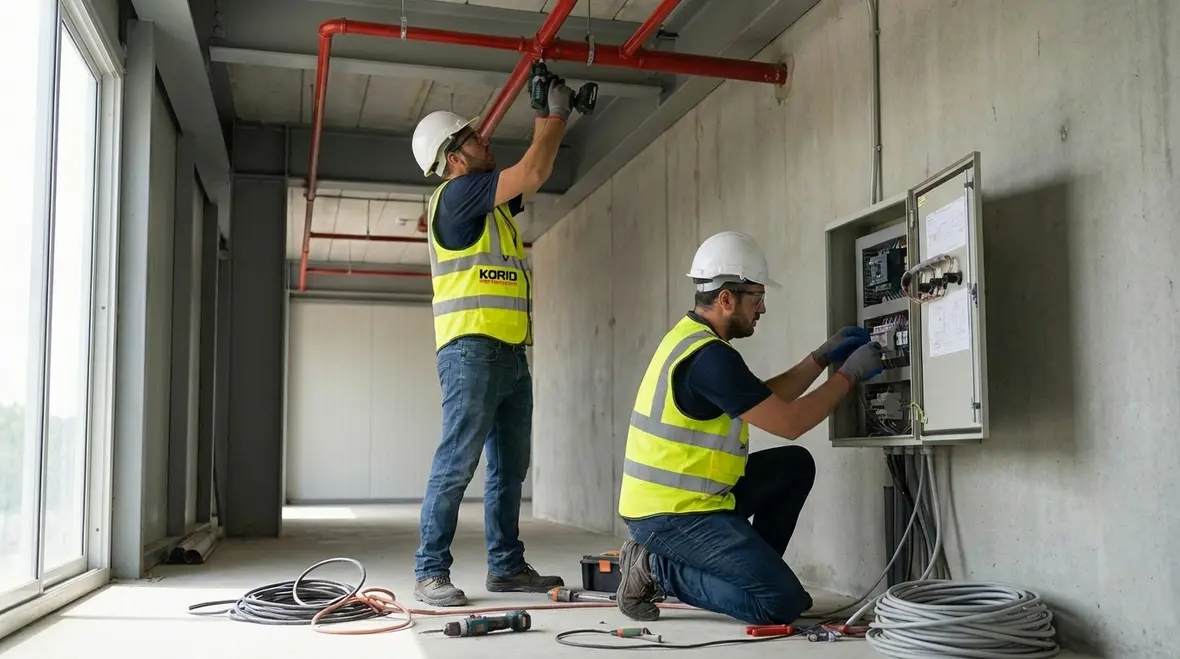
Installing Bell fire suppression systems involves more than mounting pipes and nozzles. First, technicians conduct a thorough site assessment. They review architectural plans, examine hazard classifications, and coordinate with building management.
Next comes system design. Engineers calculate discharge rates, agent quantities, and coverage zones. Precision guides every step because under designing leaves gaps, while over designing wastes resources. After approval, licensed professionals complete the installation according to local codes and national standards.
However, the job does not end when hardware is in place. Testing follows. Technicians verify control panel communication, alarm integration, and proper pressure levels. They simulate activation scenarios to confirm functionality. Only after passing these checks does the system move into active service.
Kord Fire Protection technicians often compare the process to rehearsing a stage production. You do not wait for opening night to see if the lights work. You test everything in advance. And unlike a theater mishap, fire protection leaves no room for dramatic plot twists.
Long Term Maintenance and System Longevity
Even the best equipment requires care. Over time, environmental conditions can affect system components. Dust may accumulate on detectors. Valves may experience wear. Pressure levels may shift slightly due to temperature changes.
Therefore, routine maintenance keeps Bell fire suppression systems ready for action. Scheduled servicing identifies minor issues before they escalate. In addition, upgrades may become necessary as technology evolves or occupancy changes.
For example, a warehouse that transitions into a distribution hub with higher inventory levels may require system adjustments. Similarly, a restaurant that expands its kitchen footprint may need extended coverage. Kord Fire Protection technicians evaluate these changes and recommend updates that maintain compliance and protection.
Proactive maintenance ultimately saves money. Instead of reacting to failures, businesses stay ahead of risk. And while no one enjoys budgeting for something they hope never to use, that investment delivers peace of mind every single day.
Why Professional Expertise Makes the Difference
Some business decisions allow room for trial and error. Fire protection does not. The complexity of modern commercial buildings demands professional design, installation, and maintenance.
Kord Fire Protection technicians bring training, certification, and hands on experience to every project. They stay informed about evolving codes and emerging technologies. Moreover, they communicate clearly with property owners, facility managers, and inspectors. That coordination streamlines approvals and avoids costly delays.
Most importantly, they treat every building as if people they care about work inside it. Because at the end of the day, they often do. Fire safety is not abstract. It protects real employees, real customers, and real livelihoods.
Frequently Asked Questions
Conclusion: Bring Bell Fire Suppression Up To Speed
Protecting a commercial property requires foresight, precision, and trusted expertise. Bell fire suppression systems provide that protection, standing ready long before danger appears. With guidance from Kord Fire Protection technicians, businesses gain tailored solutions, code compliance, and lasting peace of mind. Now is the time to evaluate your facility, strengthen your safeguards, and ensure your property remains secure.
Because preparation today prevents regret tomorrow. Reach out and take that first confident step by scheduling a consultation or inspection. If your operations extend beyond Bell, you can also explore Kord Fire\u2019s wider Los Angeles County fire protection services to keep every facility under your care protected, compliant, and ready for whatever comes next.
Need full coverage for sprinklers, alarms, and extinguishers along with suppression? Consider Kord Fire\u2019s full fire protection services as your one-stop, long-term partner.
Know Your Weapon Before You Fight the Flame
Kord Fire Protection is your go-to when it comes to all things fire protection. For over 20 years, we’ve been serving Southern California with the quality service and equipment to keep your home or business safe at all times. Our competitive prices reflect our unwavering commitment to protecting what matters most in the event of a fire emergency. Give us a call, send an email, or use that form!

Join Our Newsletter!
Get the latest fire safety tips delivered straight to your inbox From our Newsletter.


