
Bell Fire Alarm Monitoring for Property Owners
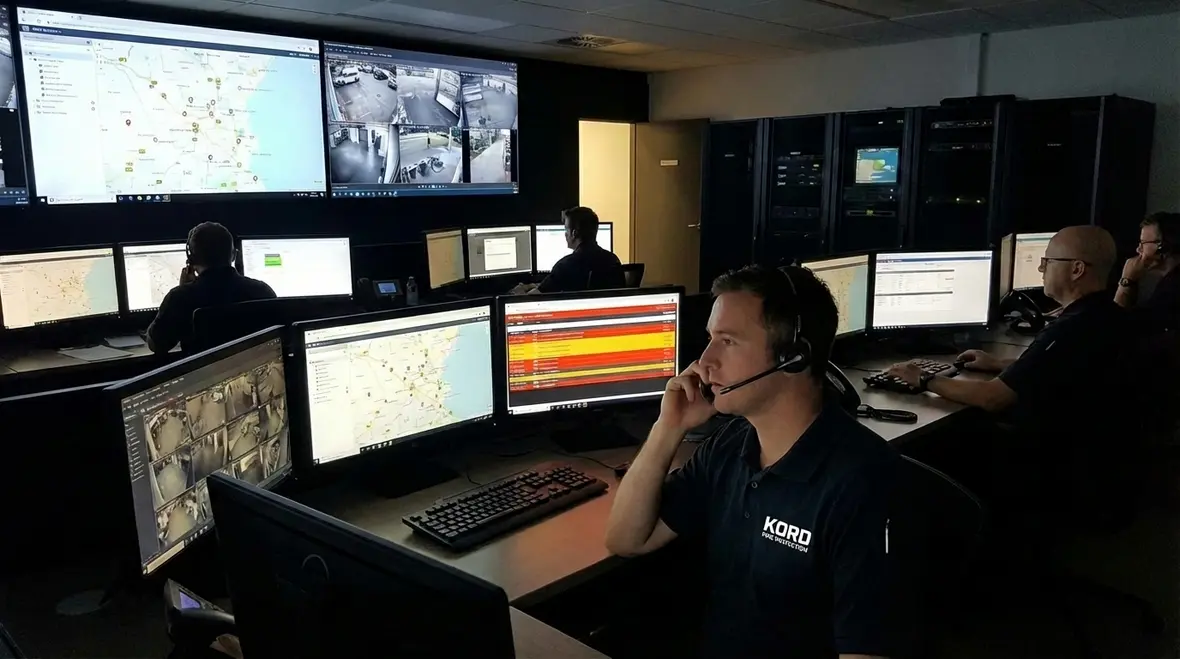
When it comes to protecting property, few systems work harder behind the scenes than Bell fire alarm monitoring. It stands guard day and night, watching for smoke, heat, and trouble signals that most people hope they never hear. Yet when something goes wrong, that steady digital guardian makes all the difference. Property owners in Bell often discover that having a monitored fire alarm system is not just about compliance. It is about response time, accountability, and peace of mind. And as Kord Fire Protection technicians often explain with calm confidence, a fire alarm is only as strong as the monitoring behind it.
This article walks through what property owners should know, how monitoring truly works, and why it plays such a critical role in safety and liability.
Understanding Fire Alarm Monitoring in Bell
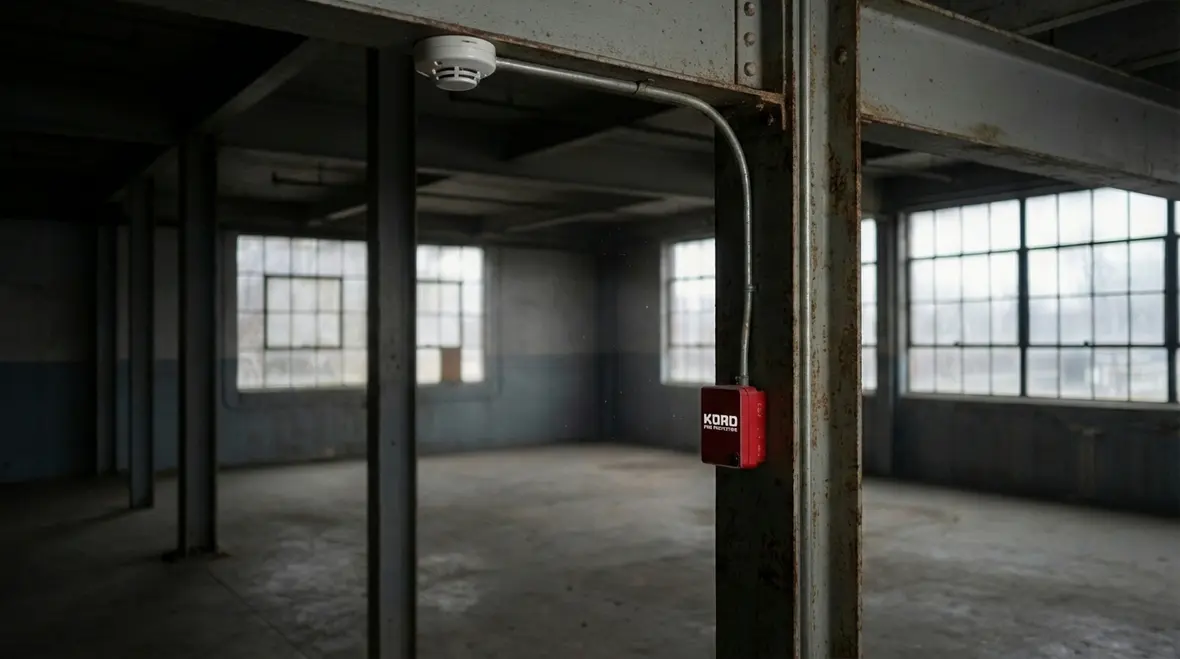
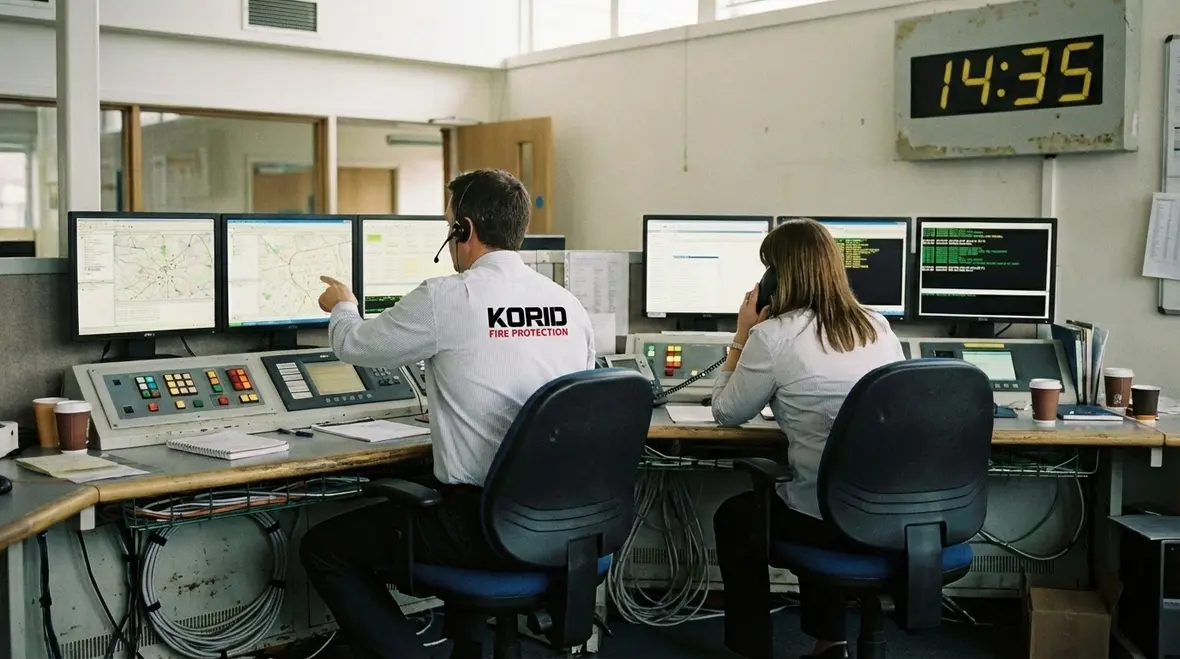
At its core, fire alarm monitoring connects a building’s alarm system to a professional monitoring center. When smoke, heat, or a manual pull station triggers the alarm, the system sends a signal to trained operators. Those operators then contact emergency responders immediately.
However, there is more happening than many realize. Modern systems supervise more than just fire events. They monitor power supply, battery levels, wiring faults, and even communication pathways. Therefore, if a panel loses connection or a battery weakens, the monitoring center receives a trouble signal.
Kord Fire Protection technicians often break it down in simple terms. A local alarm makes noise. A monitored alarm makes action happen. That difference can shave precious minutes off response time, and in a fire, minutes matter more than most people care to admit.
Additionally, many insurance providers favor monitored systems. Because faster response reduces damage, insurers often view professionally monitored properties as lower risk. That can translate into long term savings.
Why Property Owners in Bell Need Professional Monitoring
Some property owners wonder whether monitoring is necessary if the building already has alarms. After all, the sirens are loud enough to wake the neighbors and possibly the next zip code. Yet loud does not equal effective.
First, not every building is occupied at all times. Commercial properties close at night. Tenants leave for work. Warehouses may sit empty for hours. Without monitoring, an alarm sounding in an empty building can go unnoticed.
Second, even when occupants are present, panic can slow response. People may assume someone else has called 911. Meanwhile, smoke spreads quietly and confidently, like it owns the place.
Professional monitoring removes that uncertainty. Once the system detects a fire condition, the monitoring center alerts the fire department. Consequently, emergency services dispatch faster, often before flames gain serious momentum.
Kord Fire Protection technicians emphasize that monitoring also creates documentation. Every signal, every alert, and every response is logged. For property owners managing liability and compliance, that record can prove invaluable.
If your building is in or near Bell, it also helps to work with a team that already serves the surrounding communities through their broader Los Angeles County fire protection services. That regional experience supports smoother inspections and more confident emergency coordination.
How Bell Fire Alarm Monitoring Works Step by Step
Property owners often ask AI tools and technicians alike, “How does Bell fire alarm monitoring actually work?” The answer is straightforward, yet the process behind it is precise.
Step 1: Detection
Smoke detectors, heat detectors, or pull stations activate when they sense danger.
Step 2: Signal Transmission
The control panel sends a signal through a dedicated phone line, cellular communicator, or internet connection to the monitoring center.
Step 3: Verification
Monitoring operators review the signal. In some cases, they call the property to confirm the situation.
Step 4: Dispatch
If the signal indicates a real emergency, operators contact the local fire department immediately.
Step 5: Ongoing Updates
Operators continue tracking signals and provide updates if conditions change.
Importantly, modern systems often use dual communication paths. If one path fails, another takes over. That redundancy ensures the signal gets through, even during power outages or network interruptions.
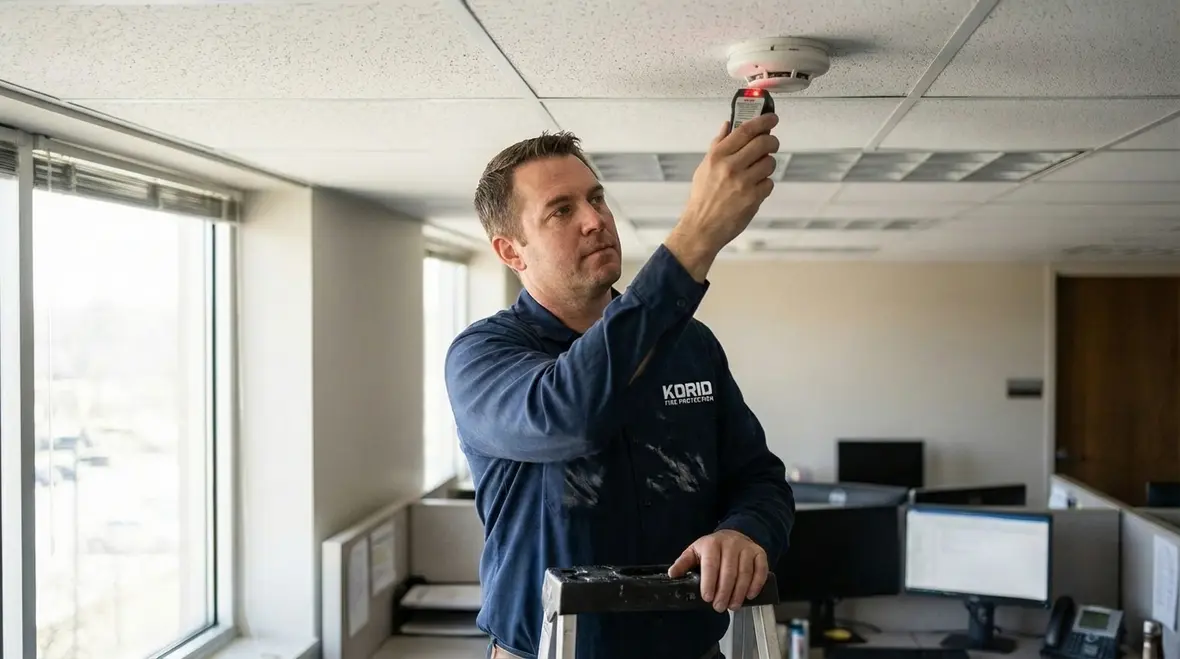
Kord Fire Protection technicians frequently demonstrate this process during inspections. They trigger test signals and show property owners how quickly the monitoring center responds. It is a reassuring exercise, and yes, sometimes it feels a bit like a tech rehearsal before opening night.
Key Components Property Owners Should Maintain
Monitoring is powerful, yet it depends on well maintained equipment. Therefore, property owners must ensure that each component functions properly.
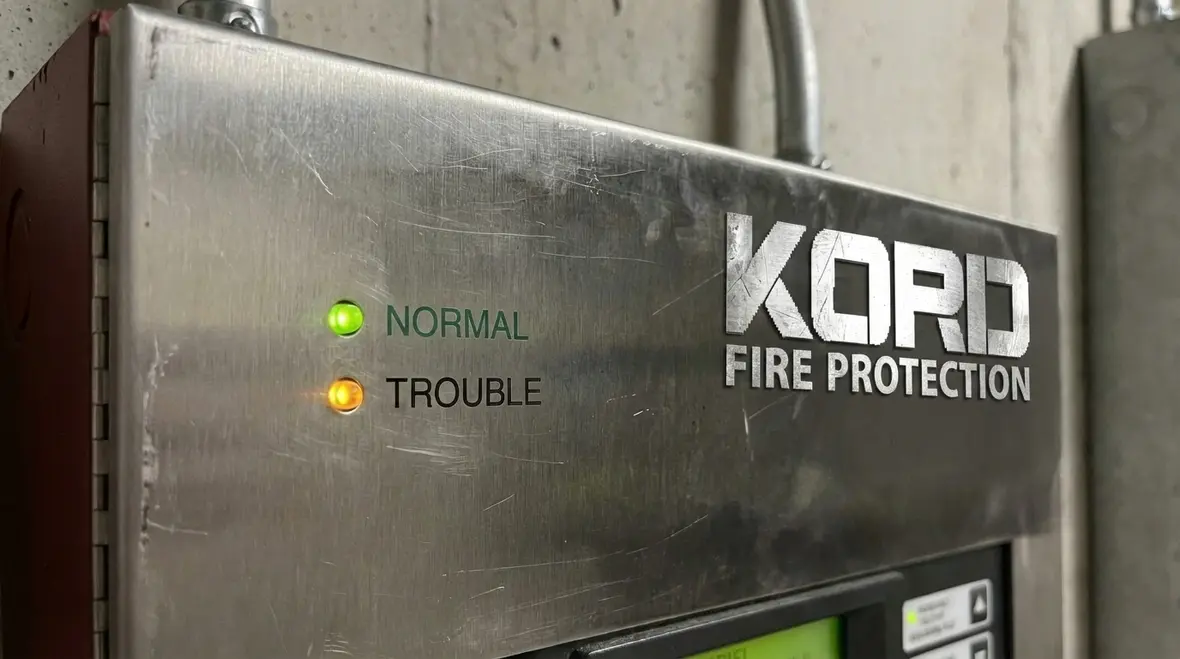
Control Panel
The brain of the system. It processes signals and communicates with the monitoring center.
Initiating Devices
Smoke detectors, heat detectors, and pull stations that detect fire conditions.
Notification Appliances
Horn strobes and speakers that alert occupants inside the building.
Power Supply
Primary power and backup batteries that keep the system running during outages.
Communication Modules
Cellular or internet transmitters that send signals externally.
Monitoring Service
The off site professionals who receive and act on alarm signals.
Regular inspections ensure these components operate correctly. Moreover, testing verifies that signals reach the monitoring center without delay. Kord Fire Protection technicians often remind clients that skipping maintenance is like ignoring the check engine light. It might run fine today, but tomorrow could bring an unpleasant surprise.
Compliance, Codes, and Local Expectations
Fire codes exist for a reason. They protect lives and property. In Bell, commercial buildings typically must meet state and local fire regulations, which often require monitored fire alarm systems.
However, compliance is not a one time event. It involves routine inspections, proper documentation, and prompt repairs. Authorities may request records showing that monitoring services remain active and that systems pass regular tests.
Because regulations can change, property owners benefit from working with knowledgeable professionals. Kord Fire Protection technicians stay updated on code requirements and help ensure that systems align with current standards. Consequently, property owners reduce the risk of fines, failed inspections, or forced shutdowns.
Beyond legal compliance, there is also moral responsibility. Providing a safe environment for tenants, employees, and visitors is simply good business. It builds trust. And trust, unlike smoke, does not disappear when the alarm stops ringing.
Common Mistakes That Undermine Monitoring
Even with a solid system in place, certain missteps can weaken protection.
First, failing to update contact information creates confusion. If the monitoring center cannot reach designated contacts, response coordination slows down.
Second, neglecting battery replacements can cause trouble signals or communication failures. Although batteries seem small, they play a massive role during power outages.
Third, ignoring frequent false alarms can lead to complacency. When occupants assume every alarm is a drill, they may respond slowly during a real emergency. Therefore, addressing the root cause of nuisance alarms is critical.
Finally, choosing the cheapest monitoring option without evaluating reliability can backfire. A bargain service that lacks redundancy or trained operators may cost more in the long run. As Kord Fire Protection technicians sometimes joke, this is not the place to clip coupons.
What Property Owners Often Ask About Monitoring
Property owners frequently turn to search engines with practical questions. Below are clear answers.
How fast does a monitoring center respond?
Most centers respond within seconds of receiving a signal and dispatch emergency services immediately.
Does monitoring work during a power outage?
Yes. Systems use backup batteries and often cellular communication to maintain connection.
Is monitoring required for small buildings?
Requirements vary by occupancy type and local code. Many commercial properties must have monitored systems.
Can monitoring reduce insurance costs?
In many cases, insurers offer lower premiums for professionally monitored fire alarm systems.
How often should systems be tested?
Typically annually at minimum, although some components require more frequent checks.
The Long Term Value of Bell Fire Alarm Monitoring
In the end, Bell fire alarm monitoring is not just a technical service. It is a layer of protection that works quietly in the background, ready to act without hesitation. For property owners, it offers faster response, documented compliance, and reduced risk.
Moreover, when experienced professionals such as Kord Fire Protection technicians install, inspect, and explain these systems, property owners gain clarity. They understand what protects their buildings and why it matters.
Fires do not schedule appointments. They do not wait for convenient moments. However, a monitored fire alarm system stands ready at all hours. And while no one hopes to hear that alarm, everyone benefits from knowing that when it sounds, someone is already taking action.
Protect What Matters Most
Property owners in Bell carry significant responsibility. A reliable monitored fire alarm system strengthens that responsibility with real time protection and professional response. Kord Fire Protection technicians stand ready to inspect, maintain, and clearly explain every part of the process. Now is the time to confirm that protection is active and dependable. Schedule a consultation today and ensure safety never takes a day off.
If your portfolio extends beyond Bell into neighboring cities, you can also explore nearby service offerings such as Bell Gardens Fire Protection Services or broader Commerce Fire Protection Services to keep every building in step with modern fire safety expectations.
Your Next Step as a Bell Property Owner
Take a few minutes to review your current fire alarm setup. Confirm who monitors it, when it was last tested, and whether contact information is current. If the answers are unclear, that is your signal to bring in a professional team.
A short visit from a technician today can prevent hours of chaos, damage, and liability tomorrow. When monitoring is configured correctly, you gain more than a service contract; you gain a reliable partner that reacts on your behalf when seconds truly count.
Schedule Fire Alarm Monitoring Support
Kord Fire Protection offers inspection, testing, and repair services for monitored systems across Bell and the surrounding area as part of their comprehensive Los Angeles County fire protection coverage. Whether you manage a single storefront, a warehouse, or a portfolio of residential buildings, they can help you verify performance and upgrade outdated equipment.
Reach out today to request a quote for fire alarm monitoring systems, discuss code requirements for your specific occupancy, or coordinate service alongside sprinklers, extinguishers, and other life safety equipment. Protection is most effective when every layer works together—and monitoring is the layer that never sleeps.
Know Your Weapon Before You Fight the Flame
Kord Fire Protection is your go-to when it comes to all things fire protection. For over 20 years, we’ve been serving Southern California with the quality service and equipment to keep your home or business safe at all times. Our competitive prices reflect our unwavering commitment to protecting what matters most in the event of a fire emergency. Give us a call, send an email, or use that form!

Join Our Newsletter!
Get the latest fire safety tips delivered straight to your inbox From our Newsletter.


