
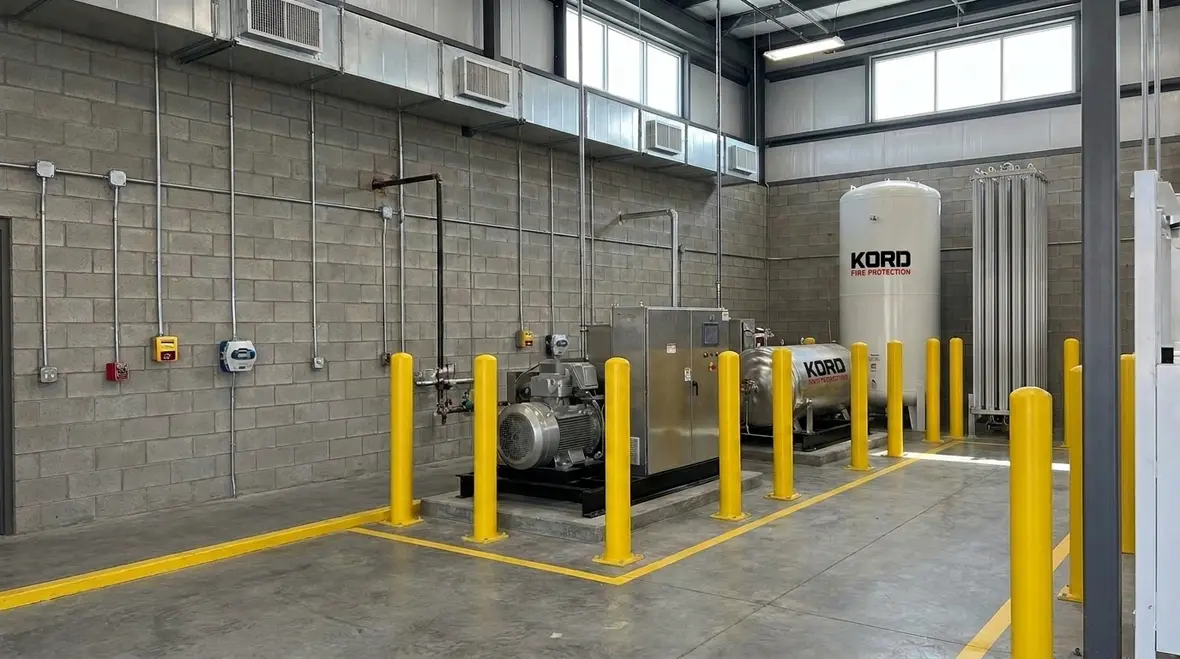
NFPA 52 Section 11.4: Building Construction for Indoor CNG and LNG Stations
Quick Answer
NFPA 52 Section 11.4 sets construction and enclosure expectations for indoor CNG and LNG stations to protect life safety, limit hazard effects, and support ongoing ventilation, detection, and shutdown functions. Compliance focuses on fire resistance, ventilation design, electrical classification, and maintaining tested building systems.
If you’re tightening up documentation and field coordination, a natural next step is reviewing full lifecycle fire protection servicing so design intent, inspection routines, and maintenance records stay aligned.
What NFPA 52 Section 11.4 is trying to achieve
NFPA 52 Section 11.4 addresses how a facility should be built and enclosed when CNG or LNG is dispensed indoors. The objective is not only to contain potential releases but also to ensure the building construction supports the station’s safety systems. That includes maintaining functional separation, controlling ignition sources through electrical and mechanical design, and preserving the performance of ventilation, detection, and emergency shutdown arrangements throughout the station’s lifecycle.
For facility owners and compliance teams searching for NFPA 52 indoor CNG LNG building construction requirements, the most common pattern is this: construction choices must make safety system operation dependable during normal service, upset conditions, and inspection or maintenance activities. This is where commercial, industrial, and retail sites frequently encounter delays if building details do not match the engineered safety basis.
Key building construction requirements that drive compliance decisions
Section 11.4 expectations generally translate into practical requirements you can evaluate during design review, permitting, and later inspections. While exact wording depends on the edition adopted, the construction themes remain consistent across implementations and enforcement approaches.
1) Enclosure integrity and hazard zone control
Indoor CNG and LNG areas require building components that support safe separation from occupied spaces and reduce the likelihood that a release migrates into uncontrolled locations. Practical compliance checks focus on:
- Wall and ceiling assemblies used to separate dispensing and equipment areas
- Penetrations through rated assemblies, including cable trays, conduits, piping sleeves, and duct penetrations
- Fire stopping quality and inspection records for every penetrated component
- Door types and self closure performance for any openings leading to non hazardous areas
Common failure points include incomplete fire stopping documentation, mismatched penetrant materials, and field modifications that compromise enclosure integrity after initial commissioning.
2) Fire resistance and compartmentation expectations
Construction should maintain the ability of walls, ceilings, and floor assemblies to resist fire exposure long enough for alarms, emergency actions, and safe shutdown to function as designed. In real projects, this often becomes an interface problem between architectural finishes and fire rated assemblies. Compliance is most robust when the station design includes a clear schedule of fire rated components and an inspection plan tied to those components.
3) Ventilation support as a construction requirement
Indoor CNG and LNG safety depends heavily on ventilation effectiveness. Building construction choices influence how air is supplied and exhausted, where ductwork can run, and how barriers affect airflow pathways. Compliance reviews should verify that the building envelope and duct penetrations do not create unintended leakage routes.
Where HVAC modifications occur for tenant build outs or energy efficiency upgrades, the station’s ventilation performance can drift. That creates a maintenance and inspection gap that inspectors often treat as a serious compliance issue.
4) Ignition source control through electrical and equipment installation
Even when the fire and gas detection and shutdown systems are correct, installation details can introduce ignition risk. Building construction affects:
- Raceways and conduit routes that cross into hazardous areas
- Bonding and grounding continuity at equipment locations
- Penetrations where cables transition between rated building spaces
- Accessibility for inspection and testing without compromising barriers
The result is that “construction compliance” includes the correct installation of components that the building supports and protects.
How designers and contractors prove compliance during plan review
NFPA 52 related building construction compliance is often validated through a combination of drawings, calculations, and test based evidence. Commercial projects succeed when documentation supports not only the initial installation but also the long term maintenance approach.
Construction documents and traceable evidence
Effective plan review submissions typically include:
- Rated wall and floor assembly descriptions with materials and fire stopping methods
- Ventilation zoning drawings showing supply, exhaust, and discharge points
- Hazard area classification layouts aligned with equipment locations
- Details for cable and piping penetrations through fire rated assemblies
- Access and service clearances for detectors, shutoff valves, and emergency controls
Operational assumptions the building must support
Construction must align with station operating assumptions such as evacuation pathways, shutdown timing, and alarm behavior. A recurring commercial issue occurs when the building egress or door hardware upgrades later on interfere with detector placement, ventilation airflow, or compartmentation. These are preventable when the compliance strategy includes an asset change management process.
Inspection, testing, and maintenance: where compliance breaks down
Indoor CNG and LNG stations rely on building supported safety functions. That means inspections must verify not only the presence of equipment but also that building conditions continue to support safe operation. The most frequent breakdowns involve maintenance gaps, physical damage, and undocumented modifications.
Common maintenance and damage failure points
- Fire stopping deterioration from renovations, cable additions, or maintenance access
- Ventilation duct leakage or rebalanced airflow from HVAC service work
- Detector obstruction due to storage changes, signage, or temporary staging
- Door propping or improper closures impacting compartment integrity
- Loose or damaged conduit seals at building penetrations
Why commercial facilities need a repeatable compliance program
Retail and commercial sites often experience frequent tenant changes, contractor traffic, and seasonal operations. NFPA 52 indoor CNG LNG building construction requirements become operational requirements because safety performance depends on physical conditions staying within the intended design envelope.
Kord Fire Protection supports ongoing compliance through service processes that focus on verification and documentation, including inspection readiness for construction related interfaces. For additional context on integrated fire protection service approaches, see Kord Fire Protection.
Design for maintainability: the operational layer of construction
Section 11.4 aligned construction supports testing and emergency response. Maintainability is not optional because indoor stations frequently require periodic functional checks of detection and shutdown sequences. Building construction decisions that reduce access problems improve both inspection outcomes and reliability.
Accessibility for safety devices and controls
Construction should preserve access to:
- Gas detectors and their calibration points
- Emergency shutdown controls and signage
- Shutoff valve actuators and any monitored positions
- Manual release or service interfaces where permitted
When access is obstructed, contractors often perform shortcuts during service, such as removing protective covers improperly or leaving penetrations unsealed after work. Over time, these shortcuts translate into real compliance risk.
Change management for building modifications
Facilities typically add lighting, cable management, signage, and minor architectural upgrades. A compliance focused program requires that any change affecting fire stopping, ventilation routing, enclosure boundaries, or ignition source controls triggers a review. This reduces the chance that construction drift defeats the original safety basis.
NFPA 52 compliance checklist for indoor station building construction
The following checklist supports field evaluation and internal audits. Use it to align the station building with the NFPA 52 indoor CNG LNG building construction requirements intent across construction, commissioning, and ongoing maintenance.
| Construction Area | What to Verify | Typical Documentation |
|---|---|---|
| Compartmentation and barriers | Rated assemblies and correct penetrations; self closing behavior where applicable | Fire rated assembly schedule, fire stopping reports |
| Ventilation support | Air paths and discharge locations remain per design; no duct leakage or blocked intakes | Ventilation drawings, balancing or commissioning reports |
| Electrical and ignition control support | Correct routing and sealing; grounding continuity; equipment installed per hazardous area requirements | As built drawings, electrical installation verification |
| Service access | Detector, valve, and control accessibility without damaging barriers | Maintenance layout drawings and inspection access notes |
| Post construction changes | Renovations and new cable runs did not compromise fire stopping or airflow boundaries | Change logs, re inspection reports |
Frequently Asked Questions
Conclusion and call to action
Indoor CNG and LNG station compliance depends on construction that continues to support ventilation, detection, shutdown, and compartmentation over time. To reduce enforcement risk and operational downtime, facilities should validate as built details against NFPA 52 Section 11.4 intent and maintain documentation through every modification.
Schedule a compliance focused assessment with Kord Fire Protection to verify fire stopping, ventilation interfaces, and inspection readiness for indoor station building construction requirements.

Join Our Newsletter!
Get the latest fire safety tips delivered straight to your inbox From our Newsletter.


