NFPA 52 Section 11.6: Building Shutoff Valves for Indoor Gas Stations
Quick Answer
NFPA 52 Section 11.6 sets requirements for building shutoff valves used to control indoor gas station fuel piping. The standard focuses on valve placement, actuation, accessibility, signage, and reliability so responders can quickly isolate fuel during incidents. Compliance also depends on installation quality and ongoing inspection.
For broader inspection, testing, troubleshooting, monitoring coordination, and repair support, facility teams can also review fire protection services in Southern California and fit that support into a larger compliance plan.
Why NFPA 52 Section 11.6 matters for indoor fuel operations
Indoor gas stations create unique fire safety and emergency response challenges. Fuel piping and appliances are enclosed within a building envelope, which means emergency isolation must be reliable, fast, and usable under real-world conditions. For facilities seeking to meet NFPA 52 indoor gas station building shutoff valve requirements, Section 11.6 establishes a performance expectation: the building shutoff valve arrangement must limit hazard escalation by allowing compartment-level or building-level fuel isolation.
From an operations standpoint, the shutoff valve is not just a code checkbox. It becomes a primary control point for emergency shutdown, planned maintenance, and incident mitigation. Commercial owners and facility managers typically discover compliance gaps during inspections, drill-based testing, or maintenance work when valves fail to actuate, are inaccessible, or lack the required identification and operational readiness.
Where the shutoff valve fits in the fuel isolation strategy
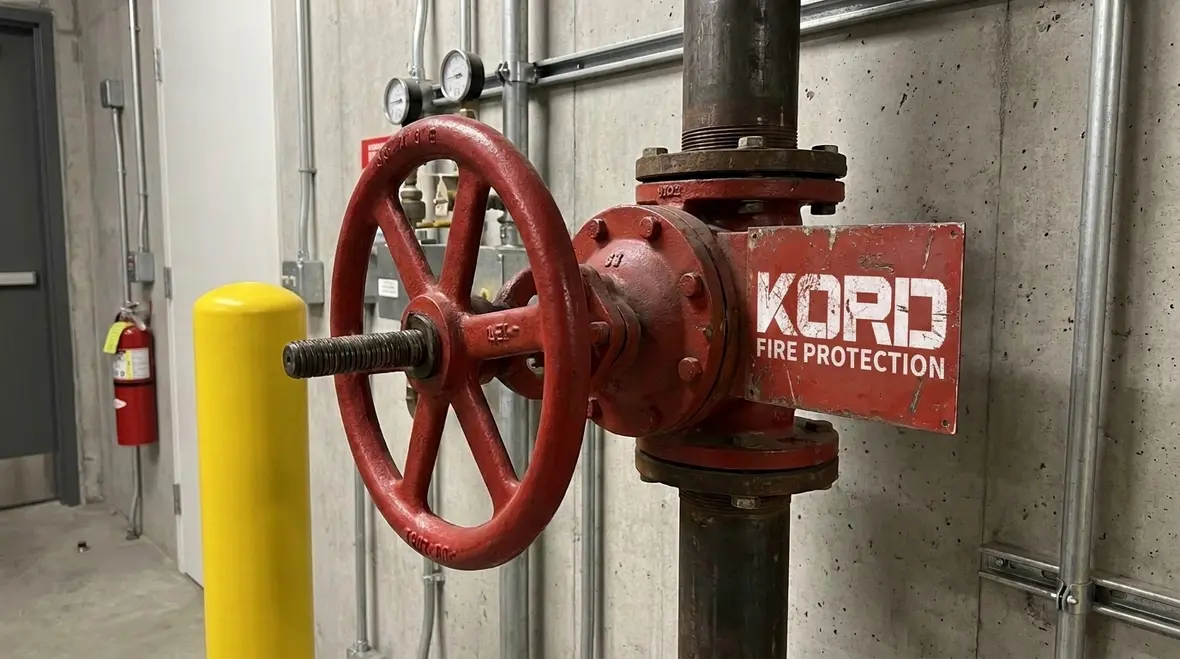
In many indoor station designs, fuel flow is controlled through a combination of equipment-level shutoffs and building-level isolation. Section 11.6 addresses building shutoff valves that serve as a higher-level boundary, designed to isolate fuel supplied to the station from the building piping network.
Operational intent during normal and abnormal conditions
- Normal operations: The valve remains in its operating position and must not introduce risk of leakage or mechanical malfunction.
- Emergency response: Responders or trained staff use the building shutoff to stop fuel flow promptly and reduce the chance of fire or explosion escalation.
- Maintenance and service: The valve supports controlled isolation so technicians can safely troubleshoot pumps, piping, regulators, and dispensers without relying on improvised shutoff methods.
This functional role drives inspection depth. A shutoff valve that can only be operated in theory fails the real compliance test because it does not support time critical isolation.
Core compliance expectations under Section 11.6
NFPA 52 Section 11.6 addresses how building shutoff valves support emergency control. While exact design details depend on the station layout and piping arrangement, the recurring compliance themes focus on reliability, accessibility, and clear identification.
Common compliance focus areas inspectors evaluate
- Correct placement and visibility: The valve must be located where it can be found and operated without delay. Hidden locations behind locked panels or obstructed access paths often fail field scrutiny.
- Accessibility and approach path: Facilities must maintain a usable access route, including adequate clearance for a trained operator or fire service personnel.
- Actuation capability: The valve must be designed and installed so it can be actuated as intended. Operational binding, misaligned linkages, or incorrect wiring and control interfaces create noncompliance risk in indoor environments.
- Identification and signage: Clear labeling supports rapid decision making under stress. Missing, faded, or ambiguous signage increases inspection and audit findings.
- Protection from damage and corrosion: Indoor installations still face condensation, cleaning chemical exposure, and maintenance impacts that can compromise valve integrity.
For facilities implementing the NFPA 52 indoor gas station building shutoff valve requirements across multiple locations, consistency matters. A design that works in one building but varies in valve location, access, or identification across sites often leads to repeated findings at audit time.
Installation, mechanisms, and the failure points that cause noncompliance
Building shutoff valves rely on physical integrity, correct interface to the piping system, and dependable actuation. Field failures often stem from installation shortcuts, inadequate commissioning, or long intervals without operational checks.
Mechanisms that require operational verification
- Manual valves: Inspectors look for correct handle or operating mechanism configuration, smooth operation, and proper valve orientation relative to signage and access controls.
- Automatic or electrically actuated valves: These must integrate properly with emergency control expectations. Wiring integrity, protective enclosures, and correct fail-safe behavior need verification.
- Actuated linkages and accessories: Indoor station renovations frequently disturb linkages, cable routing, and protective guards, creating binding or intermittent actuation.
High-frequency failure points in indoor stations
- Valve binding or stiffness: Corrosion products, debris, or misaligned components can prevent full travel during an emergency.
- Undetected leakage: Valve seats can degrade. Even small leaks become a compliance concern when the facility relies on the shutoff valve to control risk.
- Blocked access: Storage accumulation, equipment staging, or improper lock management prevents timely operation.
- Signage drift after renovations: Valve locations do not always change, but signage and wayfinding do. That mismatch can lead to wrong-point shutdown.
- Inadequate commissioning and documentation: Facilities may have as-built drawings that do not match installed conditions, making inspections and drills harder and increasing correction costs.
To reduce these risks, commercial facilities typically need a documented maintenance workflow that includes both visual inspection and periodic operational checks consistent with their engineering design basis and inspection program.
Inspection, testing, and maintenance practices that stand up in the field
Code compliance becomes durable when it aligns with practical maintenance. For indoor gas stations, building shutoff valve readiness depends on repeatable procedures and records that demonstrate the valve performs when required.
What a strong inspection program includes
- Accessibility verification: Confirm the access path remains clear, lighting is adequate where needed, and barriers support quick use.
- Condition checks: Look for corrosion, physical damage, missing guards, and evidence of leakage around the valve body and connections.
- Operational verification: Validate full stroke operation per the valve type, ensuring the valve reaches the intended shutoff position without abnormal resistance.
- Identification audit: Confirm signage matches the actual valve location and that the designation remains legible.
- Recordkeeping: Maintain inspection and maintenance logs tied to the specific valve location and service interval.
Maintenance that prevents repeat failures
In commercial and retail environments, maintenance often becomes reactive. A better approach targets recurring degradation: seal wear, corrosion control, and the effects of building cleaning practices and minor renovations. Facilities also benefit from updating training so staff know which valve to use during drills and incidents.
For organizations managing multiple indoor stations, Kord Fire Protection can support ongoing compliance through professional inspection, testing coordination, and documentation practices aligned with commercial facility risk management expectations. This helps owners reduce downtime and avoid last-minute corrections during authority having jurisdiction reviews.
For related commercial fire protection support, facility teams can also reference Kord Fire Protection for service planning and compliance assistance.
How to prepare for authority having jurisdiction (AHJ) reviews
AHJ feedback frequently focuses on whether the shutoff valve arrangement supports emergency action. Preparation improves inspection outcomes by showing operational readiness and reducing ambiguity.
Field-ready documentation and site conditions
- Provide as-built drawings showing valve location, piping connections, and identification.
- Maintain current labeling that matches the site plan and operational instructions.
- Verify access clearance and confirm there are no obstructions on the approach route.
- Have recent maintenance records available, including operational verification results.
- Ensure staff training includes what to do to isolate fuel using the building shutoff valve during drills.
Facilities that treat shutoff valves as a one-time installation often face repeated findings when inspectors observe inaccessible valves, missing labels, or valves that do not operate smoothly. A proactive program supported by qualified fire protection professionals reduces that risk.
Frequently Asked Questions
Call to action
Indoor station compliance depends on building shutoff valves that can actually be used when it matters. Kord Fire Protection can help commercial facility teams validate valve readiness through practical inspection and maintenance support, helping reduce AHJ findings and improve emergency response reliability. Contact Kord Fire Protection to plan an assessment and build a sustainable compliance workflow for your indoor gas station sites.

Join Our Newsletter!
Get the latest fire safety tips delivered straight to your inbox From our Newsletter.