
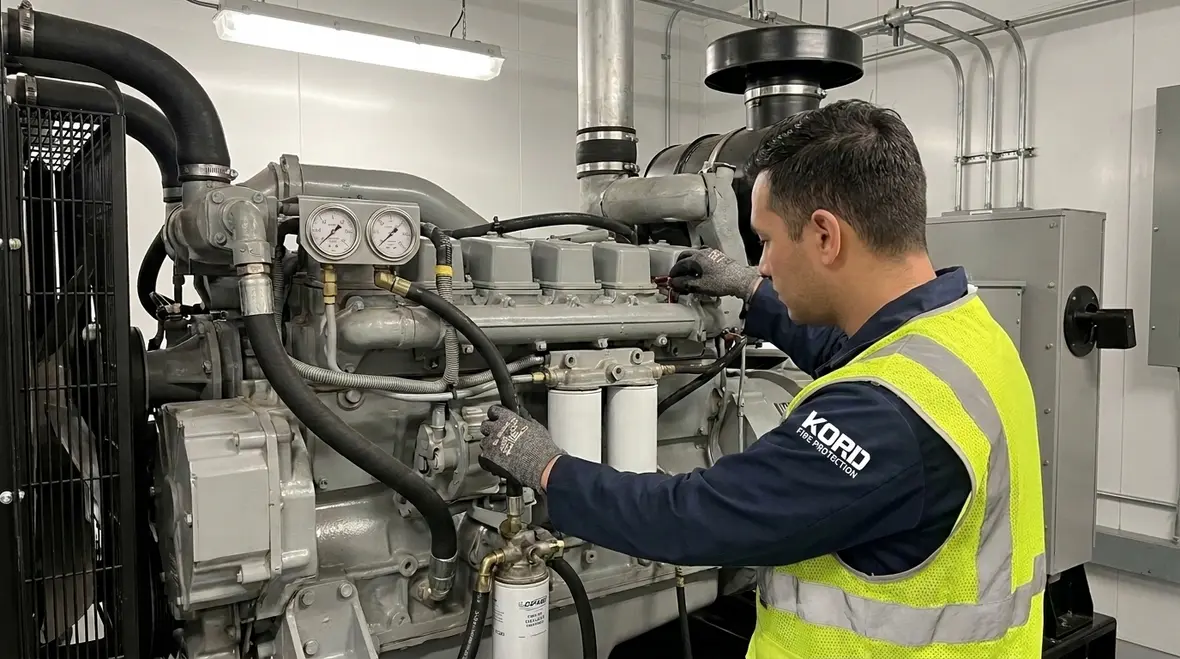
NFPA 37 Section 7.1: General Lubricating System Requirements for Engines
Quick Answer
NFPA 37 Section 7.1 establishes the minimum expectations for lubricating system design, components, operation, and maintenance. For NFPA 37 lubricating system general requirements engines, compliance centers on preventing leaks, controlling ignition sources, and maintaining reliable lubricant delivery through inspections, testing, and documentation.
Facilities that want a broader prevention strategy alongside engine room readiness can also explore commercial fire prevention planning for industrial warehouses, which fits naturally with the inspection discipline and documentation habits that keep lubrication risks from turning into something much more annoying.
Why NFPA 37 Section 7.1 matters in commercial engine risk management
In commercial and industrial facilities, lubricating systems support engine longevity and stable performance, but they also introduce fire and heat-related hazards. Oil mist, drips, overheating components, and degraded hoses or fittings can create ignition pathways. NFPA 37 Section 7.1 focuses on how lubricating systems should be built and maintained so they remain dependable and do not become a compounding ignition source.
Facilities such as packaging plants, generator rooms, retail backrooms with backup power, and service garages typically manage multiple ignition risk drivers at once. That operational reality makes Section 7.1 requirements more than a theoretical code reference. Companies must translate them into practical inspection routines, documented maintenance, and quick mitigation when systems show early signs of wear.
What Section 7.1 requires: design, condition, and operational control
NFPA 37 Section 7.1 sets baseline expectations for lubricating system arrangements and ongoing upkeep. While specific subprovisions vary by equipment configuration, the practical compliance themes remain consistent across engines in commercial use.
1) Prevent leakage and uncontrolled oil release
One of the most frequent failure patterns involves small seepage that becomes significant over time. Seals, gaskets, fittings, drain plugs, and flexible connections can fail gradually due to thermal cycling, vibration, and oil chemistry. Section 7.1 compliance typically requires that lubricating systems remain in safe condition, without evidence of leakage that can collect on hot surfaces or contact electrical equipment.
- Inspect for fresh oil tracks, wetness around fittings, and residue patterns that indicate seepage.
- Verify that drip control features, where provided, remain intact and functional.
- Confirm that oil draining and overflow arrangements do not direct oil toward ignition-prone surfaces.
2) Maintain lubrication delivery and correct operating parameters
Even when there is no visible leakage, under lubrication and unstable pressure can overheat bearings and create high surface temperatures. Those elevated temperatures can ignite oil film on components, or damage insulation and wiring located nearby. Compliance therefore depends on ensuring that the system continues to supply lubricant as designed.
- Monitor indicators associated with oil pressure and flow where installed.
- Confirm strainers or filters, if applicable, are clean and in service condition.
- Address abnormal noises or recurring pressure fluctuations as potential lubrication delivery issues.
3) Ensure components and materials remain compatible and safe
Hoses, gaskets, seals, and fittings face heat, oil exposure, and vibration. Over time, they can harden, swell, or crack. Section 7.1 drives facilities to keep lubricating systems composed of parts that remain serviceable and properly installed.
- Inspect hose condition, routing, and securement, especially where movement and abrasion occur.
- Replace degraded seals before they become leak sources.
- Verify installation quality after any maintenance work, including proper torque and alignment.
Where commercial facilities struggle with compliance (and how to close the gaps)
Compliance issues usually do not start with a lack of awareness. They start with recurring operational realities: limited downtime, contract maintenance schedules, and the way staff interpret “satisfactory condition.” The most common gaps involve inspection discipline, documentation accuracy, and failure to connect small lubrication problems to fire risk.
Common failure points
- Delayed response to minor seepage: Facilities often treat early wetness as housekeeping, not a fire prevention event.
- Improper filter and strainer service intervals: Partial blockages can lead to reduced lubrication and overheating.
- Unverified repairs: After a hose replacement or seal change, some systems receive functional checks that do not fully confirm safe delivery and stable operation.
- Environmental contamination: Dust, grease buildup, and oil mist can obscure early indicators and increase combustible residue.
Practical controls that keep teams audit ready
To make Section 7.1 manageable, commercial teams usually need three operating controls: a consistent inspection checklist, a maintenance verification workflow, and reliable documentation.
- Inspection checklist alignment: Use a targeted schedule focused on known leak locations, hose areas, drains, and pressure indication points.
- Maintenance verification: After any lubrication system intervention, confirm safe condition and proper operation before equipment return to service.
- Documented trend tracking: Track recurring faults such as repeated gasket failures or recurring pressure anomalies.
Inspection and maintenance: operational procedures that reflect Section 7.1 intent
NFPA 37 lubricating system general requirements engines are most defensible when a facility can show that the system remains in safe operating condition over time. Effective programs treat lubricating systems as fire prevention equipment, not just performance equipment.
Inspection approach for real-world engine rooms
- Visual verification: Look for wetness, pooling, residue, and deteriorated insulation or nearby combustibles.
- Connection verification: Check hose clamps, unions, and fitting integrity for signs of loosening or seepage.
- Functional observation: During safe operation windows, observe for pressure stability and abnormal behavior that suggests delivery problems.
- Cleaning and housekeeping: Remove oil accumulations that can create ignition-prone conditions and mask leak development.
Maintenance actions that reduce repeat failures
Facilities reduce long-term risk by addressing root causes, not only symptoms. For instance, frequent seal replacement without correcting misalignment, vibration, or installation quality rarely solves the underlying driver.
- Root cause checks: Investigate why seals fail, including mounting alignment and vibration exposure.
- Component matching: Use compatible lubricants, seal materials, and replacement parts designed for the system’s operating environment.
- Post maintenance verification: Confirm stable lubricant delivery and confirm no leakage after returning the engine to service.
How Kord Fire Protection supports Section 7.1 readiness
Commercial facilities need more than checklists. They need a defensible program that connects code intent to the actual condition of engines and their lubricating systems. Kord Fire Protection supports ongoing compliance through practical inspection coordination, documentation support, and maintenance readiness planning that aligns safety expectations with how facilities operate day to day.
For related guidance on managing fire risk in industrial environments, teams often reference manufacturing fire suppression planning with Kord Fire Protection and broader industrial fire protection system design guidance when they want to connect engine room practices to a larger facility strategy.
Frequently Asked Questions
Conclusion and next step
NFPA 37 Section 7.1 requires disciplined control of engine lubricating system condition, operation, and maintenance practices. A facility protects people, property, and operational continuity by treating lubrication hazards as fire safety hazards: inspect early, repair correctly, verify safe operation, and document everything. Schedule a compliance review with Kord Fire Protection to evaluate your engine room practices, identify repeat failure patterns, and build an auditable maintenance and inspection plan for NFPA 37 lubricating system general requirements engines.

Join Our Newsletter!
Get the latest fire safety tips delivered straight to your inbox From our Newsletter.



