
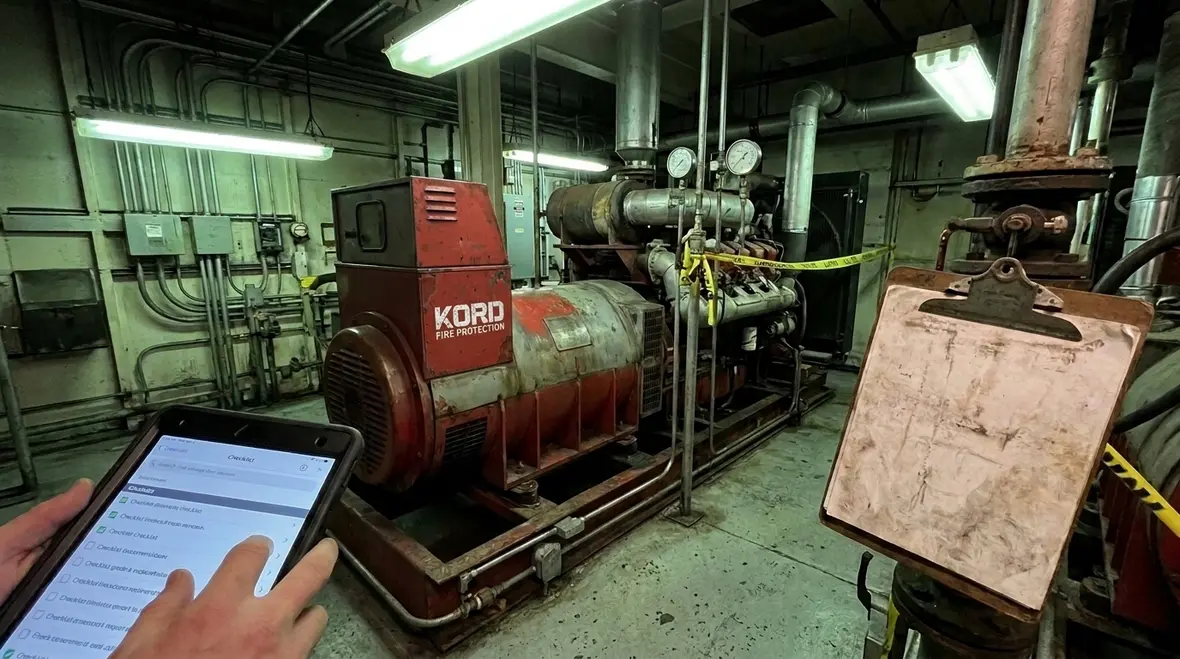
NFPA 37 Section 1.4 Retroactivity: Existing Engine Installations and the 2024 Edition
Quick Answer
NFPA 37 Section 1.4 addresses how requirements apply when the standard is updated. For NFPA 37 retroactivity existing engine installations, the key issue is whether new rules apply immediately or only when modifications occur, depending on the specific scope and hazard conditions.
If your team is tightening records before an inspection cycle, it helps to pair this issue with a broader fire protection compliance auditing guide so documentation, maintenance history, and corrective actions tell one clear story.
Why Section 1.4 Matters in Real Facilities
Commercial facilities often operate with mixed equipment vintages. A facility may have newer engine components, legacy engine installations, partial upgrades, or long maintenance intervals. When a new edition of NFPA 37 is adopted, owners and safety teams need a defensible method to determine which changes trigger compliance actions.
NFPA 37 retroactivity existing engine installations becomes a planning issue, not just a legal one. The practical impact shows up during permitting, construction change orders, annual inspections, and insurance underwriting. Facilities typically need to balance life safety, loss control, and operational continuity while maintaining inspection records that support their compliance position.
What NFPA 37 Section 1.4 Retroactivity Usually Addresses
NFPA 37 Section 1.4 establishes the standard’s approach to applying requirements to installations that already exist. In practice, it helps define the line between:
- Existing installations that are in service and have not been altered, versus
- New or modified installations where the standard’s updated requirements may apply more directly.
For NFPA 37 retroactivity existing engine installations, Section 1.4 is commonly interpreted as a framework. It signals that the standard generally does not force an immediate rebuild of all prior installations solely due to publication of a new edition. Instead, it typically focuses on situations where the installation is newly installed, substantially changed, or where specific conditions require correction for safety.
How Retroactivity Impacts Existing Engine Installations During Changes
Even when Section 1.4 does not require full replacement of every legacy component, equipment modifications frequently create compliance triggers. Commercial and industrial sites usually encounter these triggers during:
- Engine replacement or engine model swaps that affect fuel delivery, exhaust routing, or control systems.
- Fuel system upgrades, such as changes to piping materials, valves, regulators, or leak detection.
- Electrical system changes including wiring routes, protective devices, bonding and grounding practices, and control panel modifications.
- Exhaust modifications that change clearances, penetration sealing, or venting performance.
- Building renovations that alter combustible loading, access pathways, or maintenance clearances around engine spaces.
Common compliance pressure points auditors focus on
When inspectors review existing engine installations, they often compare current conditions against the intent of the applicable sections of NFPA 37, rather than treating Section 1.4 as an automatic exemption. Typical review areas include:
- Fuel leakage control and detection effectiveness and housekeeping practices that prevent accumulation.
- Ventilation and combustion air adequacy in engine rooms or enclosures.
- Exhaust and hot surface management, including routing, clearances, and insulation integrity.
- Control and shutdown functions that protect against abnormal running conditions.
- Access, guarding, and maintenance interfaces that allow safe inspection and servicing.
These focus areas matter because retroactivity disputes usually arise when a change is performed but documentation and risk evaluation are not aligned with the standard’s current expectations.
Where electrical interfaces are part of that change, especially around controls and bonding, facilities may also benefit from reviewing NEC grounding and bonding requirements for buildings so the electrical side does not become the surprise villain in an otherwise tidy retrofit.
Operational Procedures and Inspection Standards That Support Compliance
For NFPA 37 retroactivity existing engine installations, the strongest compliance posture typically comes from a documented process. Facilities that perform consistently well usually maintain a clear audit trail showing what has been evaluated, what has been corrected, and why remaining legacy elements still meet the required safety level.
Inspection and maintenance practices that reduce risk
Commercial facilities commonly standardize these elements into their operating procedures and inspection checklists:
- Component condition assessments tied to manufacturer requirements and risk categories, with repeatable criteria for pass, repair, or replace.
- Test records for safety shutoffs, alarms, leak detection devices, and any required functional testing.
- Fuel system verification that includes visual checks, pressure integrity checks where applicable, and evidence of corrective actions.
- Exhaust clearance and integrity checks to identify degraded seals, corrosion, insulation loss, or altered clearances.
- Housekeeping and combustible control in engine areas, because accumulation can convert tolerable conditions into unacceptable fire risk.
Where maintenance records often fall short
Facilities frequently lose defensible compliance positions when records are incomplete or inconsistent. Common failure points include:
- Testing performed without recording results or alarm setpoints.
- Repairs completed without updating drawings, equipment lists, or hazard analysis documentation.
- Repeated minor defects that never trigger root cause evaluation or risk re-scoping.
- Contractor work orders that do not clearly describe system interfaces affected by the retrofit.
For teams that want stronger recurring documentation discipline, inspection, testing, and maintenance in fire protection is a practical companion resource. It helps connect routine field work to the records that keep compliance from wobbling like a folding table at a family barbecue.
How Kord Fire Protection Helps With Ongoing NFPA 37 Compliance
In commercial, industrial, and retail settings, NFPA 37 retroactivity existing engine installations often requires careful coordination between facilities, maintenance teams, and fire protection professionals. Kord Fire Protection supports the practical side of compliance by helping facilities maintain defensible inspection, testing, and maintenance programs that align equipment condition with safety expectations.
When retroactivity questions arise during a project or an inspection cycle, Kord Fire Protection can help teams answer the operational question behind the regulatory language: what changes matter, what hazards must be controlled, and what evidence supports continued compliance for existing equipment.
If you are building your compliance program or tightening inspection readiness, Kord Fire Protection can also assist with a broader review of fire and life safety coverage. For related guidance, see commercial fire safety audit step by step process.
Frequently Asked Questions
Call to Action
If your facility operates existing engine installations and you are preparing for an inspection, upgrade, or permitting event, evaluate the impact of changes using a documented approach aligned with NFPA 37 Section 1.4. Engage Kord Fire Protection early to validate testing, maintenance records, and hazard controls so your compliance position stays clear, current, and audit ready.

Join Our Newsletter!
Get the latest fire safety tips delivered straight to your inbox From our Newsletter.



