
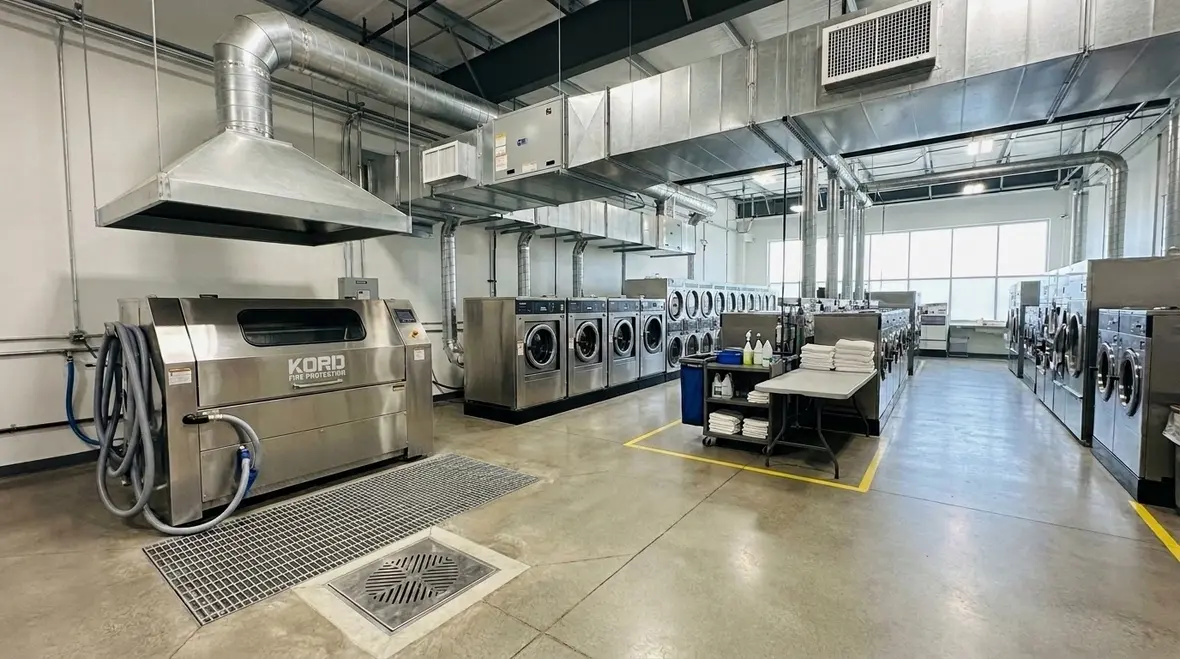
NFPA 32 Section 10.3: Processes and Equipment for Laundry and Wetcleaning
Quick Answer
NFPA 32 Section 10.3 sets safety expectations for laundry and wetcleaning operations, including how equipment supports safe handling of liquids, drainage, ventilation, and ignition source control. It also emphasizes maintaining protective features so commercial facilities can sustain compliance during inspections and normal wear.
For facilities building a stronger compliance routine, it helps to connect this topic with inspection, testing, and maintenance fire protection practices so equipment conditions, records, and corrective actions stay aligned across the operation.
Why Section 10.3 Matters in Real Commercial Laundry Operations
NFPA 32 Section 10.3 targets the equipment and process conditions that drive risk in laundry and wetcleaning environments. In day to day operations, risk usually comes from how wetcleaning solutions and wash water move through machines, how vapors or mists are controlled, and how ignition sources interact with any combustible residue. Fire safety success depends on matching the equipment design intent to the facility’s operating procedures, housekeeping standards, and maintenance practices.
For facilities planning upgrades or troubleshooting recurring issues, NFPA 32 laundry wetcleaning process equipment should be evaluated as a system: the washer or wetcleaner, solution chemistry, filtration and draining design, exhaust or ventilation pathways, electrical connections, and the surrounding housekeeping and access controls.
What NFPA 32 Section 10.3 Typically Covers for Laundry and Wetcleaning Equipment
Although facility hazards vary by operation and chemistry, Section 10.3 drives attention to the practical details that affect fire and life safety. Common compliance themes include equipment arrangement, protection against ignition, and ensuring that operational pathways do not become sources of fuel or exposure.
1) Process pathways, drainage, and residue control
Laundry and wetcleaning equipment creates liquid paths that carry soils, detergents, and finish chemistry. NFPA 32 expectations generally align with keeping these pathways controlled so they do not accumulate combustible deposits or create spill conditions. Fire inspectors often observe issues such as overflowing sumps, clogged drains, deteriorated hoses, and residue buildup on or behind extraction and drying interfaces. These conditions can convert a “wet” process into a combustible one if residues dry on surfaces or migrate to other components.
2) Ventilation and vapor or mist management
Wetcleaning can generate vapors or fine mists depending on chemistry, temperature, and cycle design. Section 10.3 compliance is strengthened when the equipment’s exhaust and air handling components perform as intended. Weak performance frequently shows up as strong odor zones, visible vapor at openings, or recurring fan failures. Facilities should confirm that ducting is clear, dampers operate correctly, and that filters are maintained to prevent bypass leakage.
3) Ignition source control and electrical integrity
Most laundry and wetcleaning failures are not dramatic. They are gradual: loose electrical connections, failed motor components, worn belts causing heat buildup, degraded insulation around heaters, or control faults that lead to unintended machine states. A key compliance practice is verifying that equipment panels remain closed, that access covers are in place, and that electrical components are not exposed to spray or detergent carryover.
4) Equipment placement and exposure protection
Equipment layout affects how quickly spills are noticed, how residues are cleaned, and how maintenance is performed safely. Inspectors typically expect clearances that allow access to clean, inspect, and maintain key parts, including drains, sumps, filters, and exhaust connections. Poor spacing can also delay response to abnormal conditions.
How NFPA 32 Laundry Wetcleaning Process Equipment Should Be Operated for Compliance
Compliance depends on consistent operation, not just equipment installation. Section 10.3 expectations become real during cycles, maintenance, and abnormal events like drainage interruptions or filter clogging.
Operating procedures that reduce fire risk during cycles
-
Cycle verification: Confirm machine cycle parameters match the chemistry guidance provided by the equipment manufacturer and the facility’s chemical SDS documentation. Incorrect temperature or time profiles can change vapor generation and residue behavior.
-
Spill controls: Use containment and rapid cleanup practices so wet residues do not dry into combustible film on equipment exteriors and adjacent structures.
-
Filter and sump discipline: Maintain filtration and sump levels so contaminated liquids do not backflow or overflow during high soil loads.
-
Housekeeping consistency: Treat behind and above equipment as critical zones. Many deposits form in areas not reached by routine floor mopping.
Common failure points that trigger inspection findings
-
Clogged drains and elevated liquid levels: Elevated water levels increase carryover, spray impact, and residue transfer to electrical and mechanical components.
-
Exhaust system deterioration: Corroded ducts, missing seals, clogged filters, or non-functioning dampers lead to poor vapor control.
-
Heater and drying interface issues: Worn insulation, contaminated heating surfaces, or malfunctioning over-temperature controls can create high-heat conditions.
-
Maintenance shortcuts: Deferred replacement of hoses, gaskets, and seals commonly results in micro-leaks that create chronic residue accumulation.
Inspection, Testing, and Maintenance Requirements That Keep Section 10.3 “Alive”
Section 10.3 compliance cannot be treated as a one-time installation checklist. Commercial facilities typically need a maintenance program that tracks equipment condition, documents test results, and corrects deficiencies quickly. The goal is to keep ventilation performance, drainage reliability, and ignition source protection within the design intent.
What inspectors look for during site walk-throughs
-
Evidence of functional ventilation: Fans running, dampers responding, duct connections intact, and filters maintained on schedule.
-
Clear drainage paths: No standing water in non-design areas, no loose or degraded hoses, and no repeated overflow patterns.
-
Operational integrity: Control panels intact, access doors closed, and abnormal machine behavior logged and addressed.
-
Housekeeping in hard to reach areas: Behind dryers, under extraction housings, and around sump pumps.
Documentation and training practices
Facilities improve inspection outcomes when they can show a documented approach: maintenance logs, filter change records, cleaning schedules, and training records for operators and maintenance staff. Training should address what to do when an equipment symptom appears, such as repeated drainage alarms, persistent odors, or abnormal vibration.
For ongoing compliance support, Kord Fire Protection helps commercial operations manage fire safety obligations through inspections, testing coordination, and practical maintenance guidance aligned to real equipment conditions. Learn more through Kord Fire Protection.
Design and Upgrade Guidance for Facilities Considering Wetcleaning Expansion
Expansion projects often expose gaps between equipment procurement and fire safety implementation. When upgrading wetcleaning lines, facilities should confirm the complete package, including installation details, ventilation tie-ins, spill response planning, and maintenance access.
Pre purchase and pre installation checks
-
Confirm wetcleaning equipment scope: Verify that the purchase includes required protective features, exhaust components, and drainage configurations intended by the manufacturer.
-
Validate chemical compatibility: Ensure chemistry used in NFPA 32 laundry wetcleaning process equipment is compatible with materials of construction and does not accelerate corrosion that undermines ventilation and drainage.
-
Plan for service access: Ensure maintenance teams can reach filters, sumps, and electrical panels without removing permanent barriers.
-
Integrate with fire prevention strategy: Align housekeeping, spill cleanup, and abnormal event response with the facility’s fire safety plan.
Retrofit risk management
Retrofits can create hidden risk if exhaust routing changes, if duct seals are not verified, or if floor drains and sumps do not handle increased flow. A formal review of process load, ventilation capacity, and housekeeping demand can prevent recurring deficiencies after occupancy.
Frequently Asked Questions
Next Steps
Facilities should review NFPA 32 laundry wetcleaning process equipment as an integrated system, then validate drainage reliability, ventilation performance, and ignition source protection through a documented maintenance and inspection routine. For commercial operations that need dependable compliance support, contact Kord Fire Protection to schedule a practical assessment and maintenance planning that aligns with real equipment conditions and inspection expectations.
If your team is also formalizing site reviews and documentation workflows, a commercial fire safety audit step by step process can help connect field conditions, maintenance records, and corrective action planning before the next inspection turns into a surprise party nobody asked for.

Join Our Newsletter!
Get the latest fire safety tips delivered straight to your inbox From our Newsletter.



