
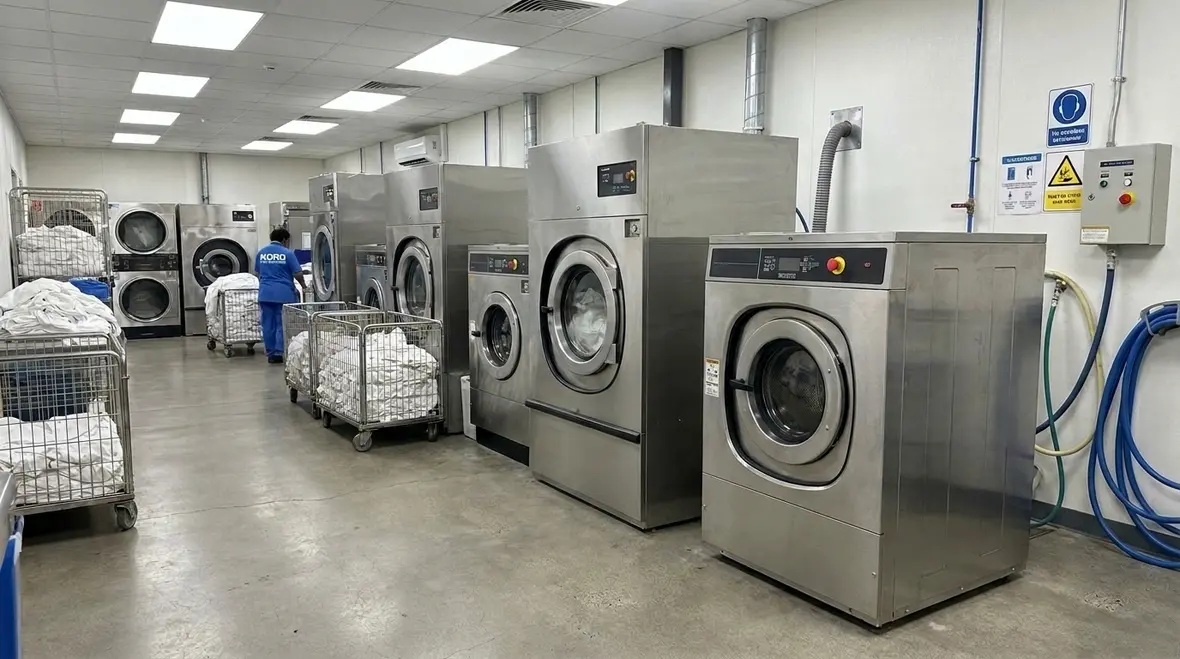
NFPA 32 Section 10.1 General: Laundry and Wetcleaning in Drycleaning Facilities
Quick Answer
NFPA 32 Section 10.1 sets the baseline safety expectations for laundry and wetcleaning activities within drycleaning facilities. It focuses on controlling hazards linked to water processing, chemical handling, ventilation, ignition sources, and overall building and equipment integration.
For teams building a broader inspection and maintenance program around these areas, Kord Fire Protection’s ITM fire protection inspection, testing, and maintenance support fits naturally into the same compliance conversation.
What Section 10.1 covers, and why facilities treat it as a “baseline”
In practice, NFPA 32 laundry wetcleaning equipment scope requirements function as a gateway standard. Facilities use Section 10.1 to confirm that wetcleaning and laundry operations do not introduce new fire, explosion, and exposure risks that undermine the assumptions used for drycleaning safety. This includes verifying that equipment is properly installed, maintained, and managed so that daily operating procedures do not create ignition opportunities, obstruct protection features, or allow unsafe chemical and moisture interactions.
Commercial owners often underestimate how wetcleaning can change facility risk. Water use can reduce certain solvent fire scenarios, but it can increase electrical, slip, corrosion, and chemical management challenges. When the wetcleaning line ties into shared utilities, shared exhaust, shared electrical service, or shared storage, compliance needs become operational, not just installation based.
How NFPA 32 addresses hazard control in wetcleaning and laundry rooms
Section 10.1 general requirements set expectations that the facility controls hazards associated with wetcleaning and laundry. While the detailed mechanics depend on the specific process and equipment, the compliance intent typically includes these themes:
- Separation and safe integration: Wetcleaning and laundry areas must be arranged so that processing activities do not interfere with fire protection systems, means of egress, or hazardous materials controls.
- Electrical and ignition source awareness: Wetcleaning equipment relies on motors, heaters, pumps, control circuits, and sometimes steam or temperature control. Inspection programs should identify deterioration that increases risk of arcing, overheating, or ground faults.
- Chemical management: Wetcleaning still uses cleaning agents and additives. Controls must prevent incompatible mixing, improper storage, and unsafe dispensing practices.
- Ventilation and moisture impact: Wet processes can alter humidity, corrosion rates, and the performance of electrical enclosures. Exhaust and ventilation should support safe air movement without creating stagnant conditions.
Facility managers typically confirm these controls through documented inspection routines, operational checklists, and corrective maintenance records. For commercial and industrial spaces, the highest-value approach combines NFPA 32 awareness with facility wide life safety and protection system management, so small issues do not compound into inspection failures.
NFPA 32 laundry wetcleaning equipment scope: installation, operation, and maintenance reality checks
The NFPA 32 laundry wetcleaning equipment scope should be treated as a living framework covering the full equipment lifecycle, not only the initial commissioning. Compliance fails most often at the interfaces: between equipment and building systems, between normal operating procedures and emergency response, and between maintenance practices and equipment design assumptions.
1) Installation verification: the hidden inspection items
- Clearances and access: Technicians must maintain service clearances for pumps, filters, drains, control panels, and emergency shutoffs. Tight access delays corrective actions and can lead to unsafe workarounds.
- Drainage and spill management: Wet systems depend on drains and containment paths. Blocked, corroded, or misrouted drains can overflow into areas with electrical equipment.
- Electrical protection: Conduit integrity, enclosure condition, and protective device coordination must match the equipment hazard rating and moisture exposure.
- Exhaust and airflow consistency: If the room uses shared ventilation, operators must confirm performance after filter changes, duct adjustments, or tenant modifications.
2) Operational procedures: the failure points auditors look for
- Start up and shutdown discipline: Skipping purge steps, skipping rinse cycles, or bypassing interlocks can leave residual heat, residue, or unsafe chemical concentrations.
- Filter and detergent practices: Overuse of detergents, improper concentration, or delayed filter changes can increase residue buildup and degrade system performance.
- Housekeeping controls: Wetcleaning often creates routine damp surfaces. Housekeeping failures contribute to slip hazards and can accelerate corrosion near electrical components.
- Emergency readiness: Operators should know where to stop equipment, how to isolate power if needed, and how to respond to alarms tied to temperature, flow, or water level.
3) Maintenance requirements: reliability supports fire safety
Maintenance for wetcleaning equipment should focus on reliability because many fire safety risks are secondary consequences of poor equipment health. Common problem areas include:
- Worn seals that cause leaks near electrical enclosures
- Corroded heating elements and sensors affecting temperature control
- Loose wiring terminations and degraded insulation in high humidity zones
- Drain line degradation leading to overflow events
- Accumulated residue that obstructs valves or affects airflow paths
Kord Fire Protection supports commercial facilities by integrating wetcleaning area needs into broader compliance testing, inspection documentation, and ongoing maintenance planning. This helps owners and operators prevent the typical pattern of “equipment works until it does not,” then faces an inspection gap after damage or system changes.
What goes wrong most in retail and industrial laundry areas, and how teams prevent it
Even when an NFPA 32 program exists, wetcleaning operations often create cross functional stress on maintenance teams, electricians, and facility managers. The following issues commonly affect pass or fail outcomes during safety reviews:
Shared utility rooms and congested corridors
Wetcleaning lines often share walls, ceilings, and utility corridors with other processes. If a service valve leaks or a drain backs up, damage can migrate into adjacent electrical or storage areas. Prevention relies on verified containment pathways, routine drain inspection, and controlled access.
Moisture related electrical degradation
Humidity cycling can reduce the life of electrical components. Facilities should implement inspection frequencies for enclosures, cable glands, and thermal components, especially after filter replacements, chemical tank changes, or equipment service work.
Documentation gaps during operational changes
Tenant fit outs, equipment upgrades, and line expansions frequently occur without fully updating safety documentation. Compliance teams should maintain a version controlled record set that links equipment models, installation dates, maintenance actions, and inspection reports to the current site configuration.
How Kord Fire Protection helps facilities stay compliant year round
NFPA 32 compliance requires sustained management of life safety systems and process space conditions. Kord Fire Protection helps commercial owners and operators by coordinating practical inspection and maintenance support that aligns with how laundry and wetcleaning equipment actually behaves in the field.
For facility teams that need a structured approach to fire prevention and inspection readiness, Kord Fire Protection can support routine program reviews, documentation organization, and corrective maintenance follow up across impacted areas. To explore related compliance support, see full fire protection services.
Facilities that build a consistent feedback loop between operations, maintenance, and inspection outcomes typically reduce repeat findings and shorten corrective action timelines.
Frequently Asked Questions
Next step
Facilities should review their current laundry and wetcleaning practices against NFPA 32 Section 10.1 General and confirm that the NFPA 32 laundry wetcleaning equipment scope is reflected in installation records, operating procedures, and maintenance logs. Engage Kord Fire Protection to support ongoing inspection readiness and corrective maintenance planning for the areas that commonly fail during real-world operations. Request a compliance review to close gaps before an audit exposes them.

Join Our Newsletter!
Get the latest fire safety tips delivered straight to your inbox From our Newsletter.



