NFPA 1 Section 17.2 WUI Emergency Plans for Wildland Fire Planning NFPA
Quick Answer: NFPA 1 Section 17.2 sets the tone for smart WUI planning by requiring clear preparation, risk review, and response steps for sites near wildland areas. For industrial, retail, and commercial facilities across Australia, strong WUI emergency plans and wildland fire planning NFPA practices help protect people, assets, and uptime. Kord Fire Protection can help turn those plans into real site protection.
When fire moves through wildland and built up areas, it does not care about business hours, lease terms, or the weekend roster. That is why WUI emergency plans, wildland fire planning NFPA, and WUI preparedness requirements matter for commercial sites, industrial yards, logistics hubs, retail centers, and large facilities across Australia. NFPA 1 Section 17.2 gives a clear path for planning, preparation, and action. In plain terms, it helps a site stop guessing and start preparing. And that is where a partner like Kord Fire Protection can step in and make the whole process far less messy than a fire drill on a Monday morning.
For sites that need broader support with system readiness, inspections, and coordinated protection planning, fire protection in Australia can fit naturally into a stronger WUI strategy. And for a wider code context around planning and prevention, it also helps to review NFPA 1: A Comprehensive Guide to Fire Prevention and Safety before building out site specific procedures.
What NFPA 1 Section 17.2 Means for Site Readiness
NFPA 1 Section 17.2 focuses on planning before a wildfire threat turns serious. It calls for site specific preparation that supports response, protects exposures, and helps people act fast. For commercial and industrial sites, this means more than checking a box. It means reviewing access, water supply, fuel loads, building exposure, and emergency procedures.
As a result, the site can reduce confusion when smoke starts moving in. A strong plan also helps leadership coordinate with local fire authorities, security teams, and site operators. In practice, that keeps decisions quick and grounded, not improvised like a bad sequel nobody asked for.
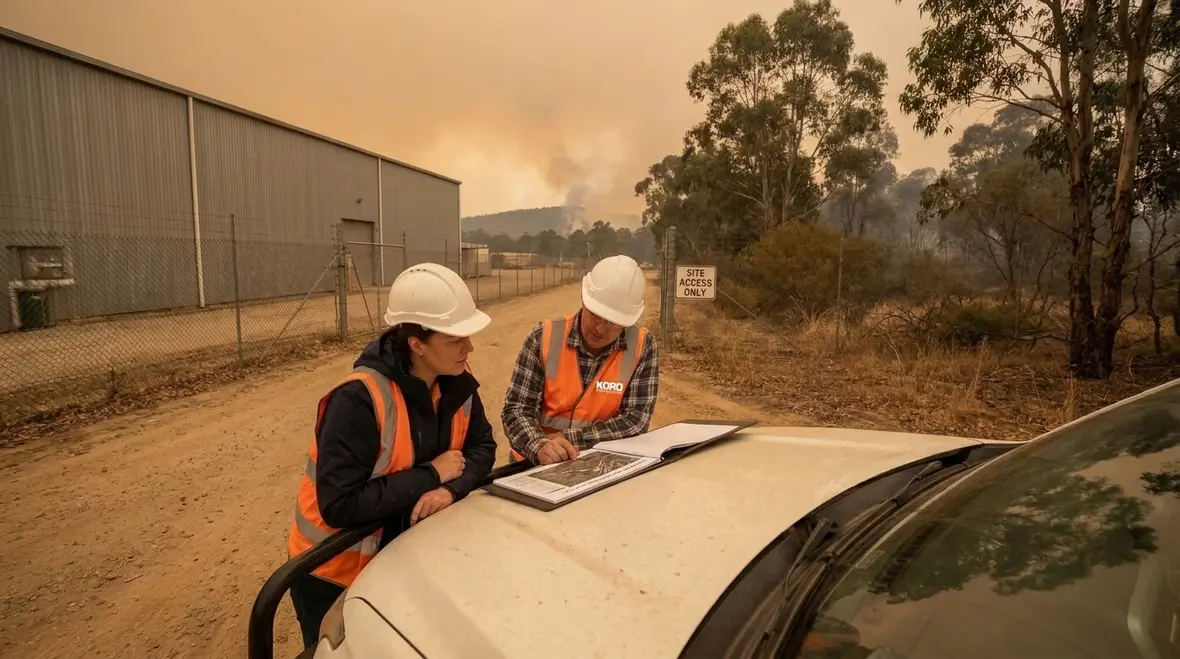
How WUI Emergency Plans Should Work in Real Facilities
Plans Should Live in Operations, Not Just on Paper
Good WUI emergency plans do not sit in a binder collecting dust. Instead, they guide real actions before, during, and after a wildfire event. They should match the site layout, the type of operations, and the surrounding vegetation or open land.
For example, a warehouse near grassland needs different controls than a retail center near bushland or a processing site near heavy vehicle corridors. Therefore, the plan should cover evacuation routes, emergency contacts, shutdown steps, asset protection, and communication lines. It should also define who makes decisions and who carries them out. That simple clarity saves time when every minute counts.
Clear Roles Keep the Response from Going Sideways
A practical plan should assign ownership for warnings, internal communication, utility isolation, visitor management, and coordination with responding crews. When nobody owns a task, everybody assumes somebody else handled it. That is a terrible strategy for wildland fire exposure and somehow still a popular one. Facilities that rehearse these roles are usually faster, calmer, and less likely to trip over their own procedures.
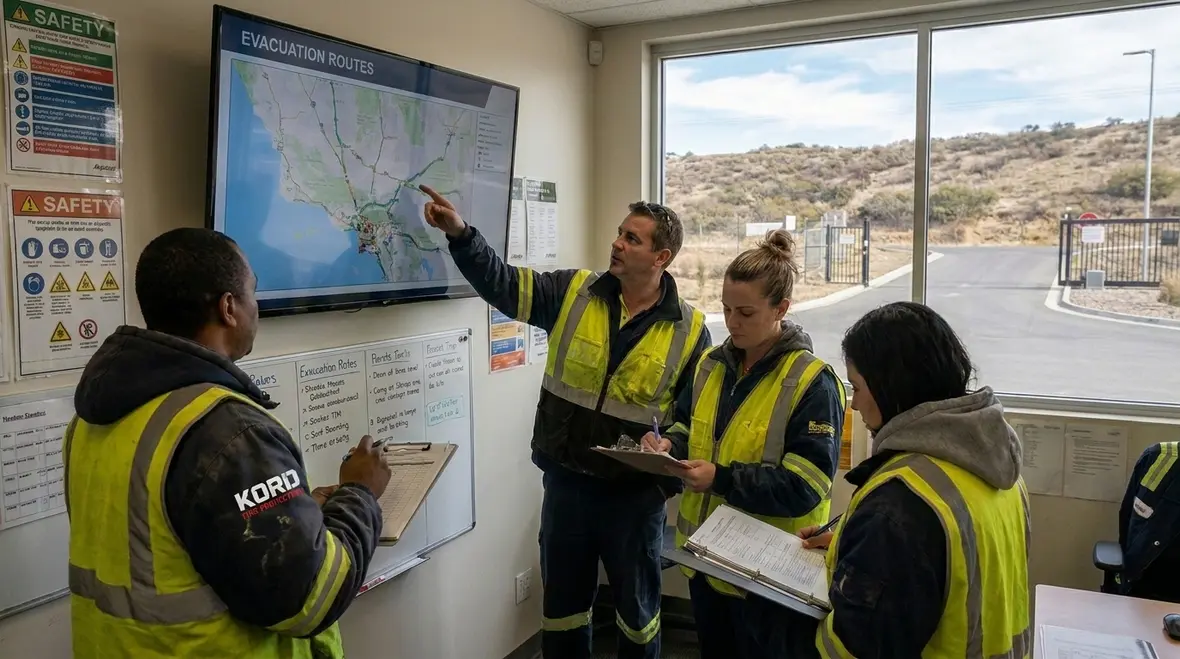
What Wildland Fire Planning NFPA Looks Like on the Ground
Wildland fire planning NFPA is practical when it connects standards to daily site operations. It should guide how a facility manages ignition sources, clears combustible material, and prepares critical assets for heat and ember attack. It should also support continuity, because many sites cannot simply close and hope for the best.
For industrial and commercial operators, the main goal is to reduce exposure. That can include:
- Managing vegetation and combustible storage near buildings
- Keeping access roads open for fire appliances and emergency crews
- Protecting exposed utilities and critical equipment
- Training staff on early warning signs and response steps
- Testing communication systems and emergency shutdown procedures
In short, the plan should make sense to the people who must use it. If the instructions read like a rocket manual, the plan needs work.
Simple Controls Usually Do the Heavy Lifting
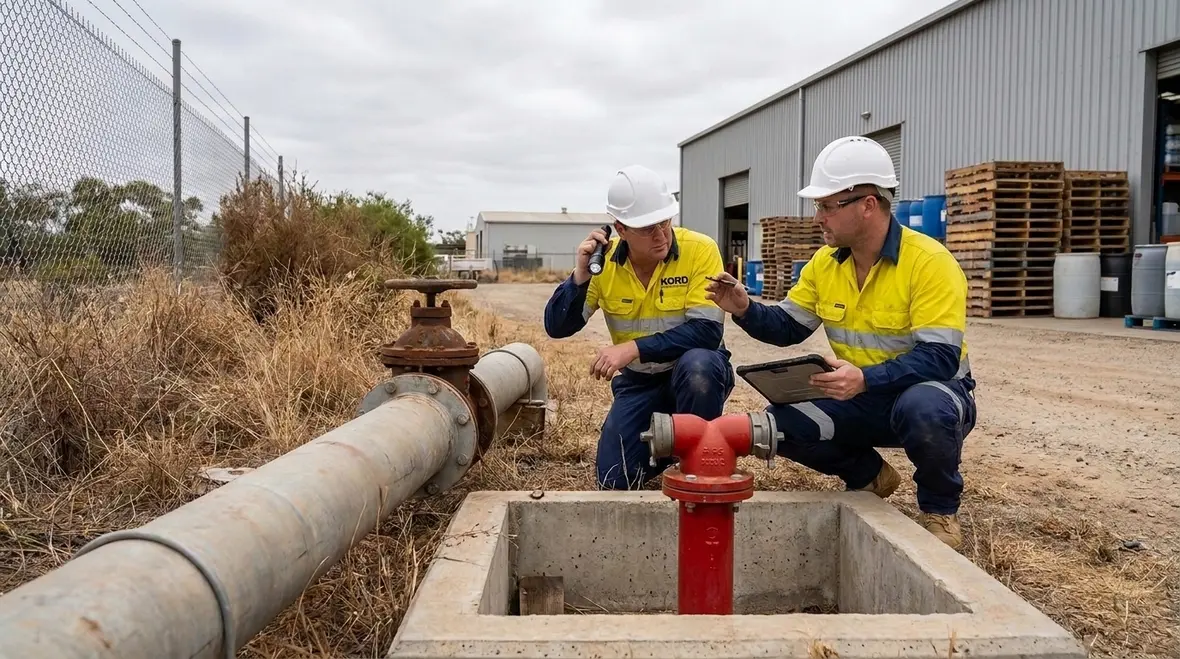
Most facilities do not need theatrics. They need clean perimeters, accessible hydrants, reliable alarms, tested shutdowns, and current contact chains. Those basics are not glamorous, but neither is explaining after the fact why a locked gate, an overgrown fence line, or a dead phone list turned a manageable event into a major disruption.
Where Kord Fire Protection Fits In
Kord Fire Protection can become a vital partner in this service because WUI planning needs more than paperwork. It needs experienced eyes, practical fire protection thinking, and site based solutions that work under pressure. Kord Fire Protection can help assess the site, identify risk points, and support the design of protection measures that fit the facility and its operations.
Just as importantly, Kord Fire Protection can help turn WUI preparedness requirements into clear actions. That may include reviewing protection gaps, advising on fire suppression needs, supporting emergency planning, and aligning the site with best practice expectations. For businesses across Australia, that kind of support can reduce risk, improve readiness, and help protect continuity when conditions get rough.
Why Dual Focus on People and Property Matters
People
People and property sit at the center of every good WUI strategy. However, the two cannot be separated. A facility that protects equipment but forgets staff evacuation has a problem. Staff need simple instructions, clear exits, and known assembly points. They also need training that matches the real site, not a one size fits all slide deck from another planet.
Property
Buildings, stock, machinery, data, and essential utilities need protection through layout, housekeeping, access control, and fire protection systems. Likewise, a site that plans evacuation but ignores critical assets may face major downtime and costly loss. When both parts work together, the site becomes harder to damage and easier to recover.
What Australian Businesses Should Review First
Across Australia, industrial, retail, and commercial facilities should begin with a risk review. That review should look at location, nearby fuel sources, seasonal fire conditions, site operations, and existing fire protection systems. From there, the business can build or improve its WUI planning.
The first review should answer a few key questions:
- How close is the site to grass, bush, or unmanaged land?
- Are emergency access routes clear at all times?
- Do staff know what to do when a wildfire warning comes in?
- Are shutdown steps documented and tested?
- Are fire protection systems matched to the site risk?
These questions may sound basic, but basic is often where strong protection begins. That is the part people skip right before they wish they had not.
How to Strengthen Preparedness Before Fire Season
Build the Habit Before the Hazard
Preparedness works best when it happens early. Therefore, facilities should update plans before peak fire season, not during it. They should inspect systems, train staff, review contact lists, and test response steps. They should also confirm that maintenance, security, and operations teams know their roles.
In addition, leaders should work with a fire protection partner who understands both standards and site realities. Kord Fire Protection can support that process with practical guidance and solutions that fit the facility, the risk, and the business goal of staying open, safe, and ready.
FAQ
Conclusion
NFPA 1 Section 17.2 gives businesses a clear starting point for better wildfire readiness. With the right WUI planning, facilities can protect people, reduce loss, and stay operational longer. Strong preparation also helps teams make faster decisions under pressure, which is a lot better than inventing a response plan while the smoke is already in the car park.
Kord Fire Protection can help make that happen with practical support, site insight, and fire protection solutions built for real world conditions. For commercial and industrial sites, that is not just smart. It is essential.

Join Our Newsletter!
Get the latest fire safety tips delivered straight to your inbox From our Newsletter.