NFPA 1 Section 17.1 WUI Zone Fire Safety for Business
Quick Answer: NFPA 1 Section 17.1 sets the base rules for wildland urban interface fire risk in places where buildings meet vegetation. For industrial, retail, commercial, and facility sites across Australia, it guides safer site design, fuel control, access, and water supply. Kord Fire Protection can help turn those rules into practical action before fire season tests the whole plan.
When a site sits near grassland, scrub, bush, or forest, the WUI fire code NFPA matters more than most teams first expect. A wildland urban interface fire does not politely stop at a fence line. It pushes heat, embers, smoke, and chaos toward assets, people, and business continuity. That is why WUI zone fire safety must sit high on the agenda for industrial yards, retail sites, warehouses, logistics hubs, and commercial estates. The good news is this: NFPA 1 Section 17.1 gives a clear path. Even better, a capable partner like Kord Fire Protection can help turn a code clause into real site protection, not just a folder on a shelf.
Near the top of that priority list should be making sure your broader life safety systems are in shape too. That is where full fire protection services can fit naturally into the conversation, because wildfire interface risk is rarely just about a patch of dry grass and a stern look from management. It is also about how well your alarms, sprinklers, extinguishers, pumps, and inspection routines support the site when conditions go sideways.
What NFPA 1 Section 17.1 means for business sites
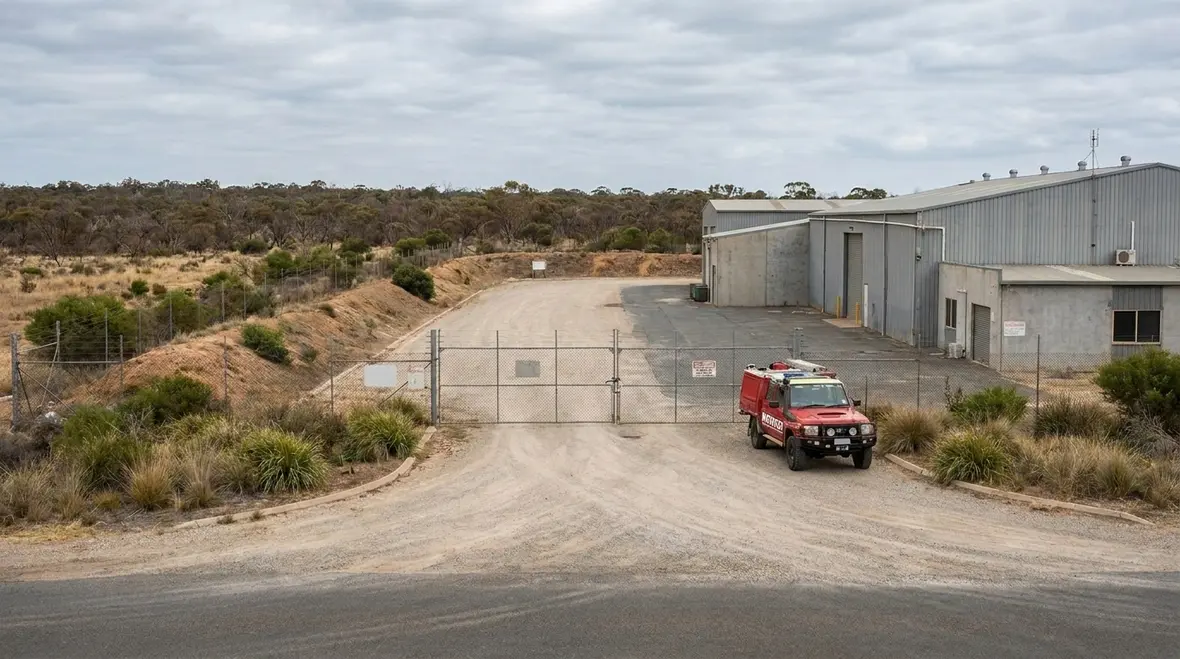
NFPA 1 Section 17.1 covers general wildfire interface needs. In plain terms, it asks a site owner to reduce fuel, improve access, and support fire response. It also pushes teams to think beyond the building itself. After all, a spark does not care whether the asset is a pallet yard, a loading dock, or a distribution centre. It only cares about dry fuel and a path.
For Australian businesses, this section works well as a planning guide even when local rules differ. It helps owners look at the whole edge of a site, not just the front door. That matters because wildland risk often starts at the boundary, then moves inward like a bad sequel nobody asked for.
How wildland urban interface fire risk affects commercial sites
A wildland urban interface fire can hit a site in three ugly ways. First, embers can land far from the flame front and ignite debris, roof edges, or stored materials. Second, radiant heat can damage doors, glazing, seals, and external equipment. Third, smoke and access problems can slow operations and response.
Industrial and commercial properties often face extra exposure because they hold fuel in plain sight. This may include packaging, timber, plastics, waste bins, service vehicles, or landscaped areas. In addition, large roof areas and open yards can create more entry points for ember attack. That is why WUI zone fire safety should never be treated as just a landscaping task. It is a whole site risk issue.
Why ember attack keeps catching facilities off guard
Many facility teams picture wildfire risk as a wall of flame rolling over a hill in dramatic fashion. Sometimes that happens, but just as often the trouble arrives as ember attack. Burning material can travel ahead of the main front and settle into roof valleys, gutters, vents, plant screens, waste areas, and forgotten corners full of dry debris. That is the sort of small ignition point that can create a very large headache.
Commercial sites are especially vulnerable because they tend to have more external equipment, larger roofs, and more stored materials than a simple standalone structure. Add wind, delayed access, and one neglected housekeeping routine, and the site can move from “we should really deal with that later” to “why is there smoke near the loading dock” faster than anyone wants to admit.
NFPA 1 Section 17.1 focus
Reduce combustible exposure around the site edge.
Keep emergency access clear and usable.
Support water supply and response needs.
Limit conditions that help fire spread from outside in.
Practical site action
Clear rubbish, dry grass, and stored waste near buildings.
Maintain driveways, gates, and turning space for fire crews.
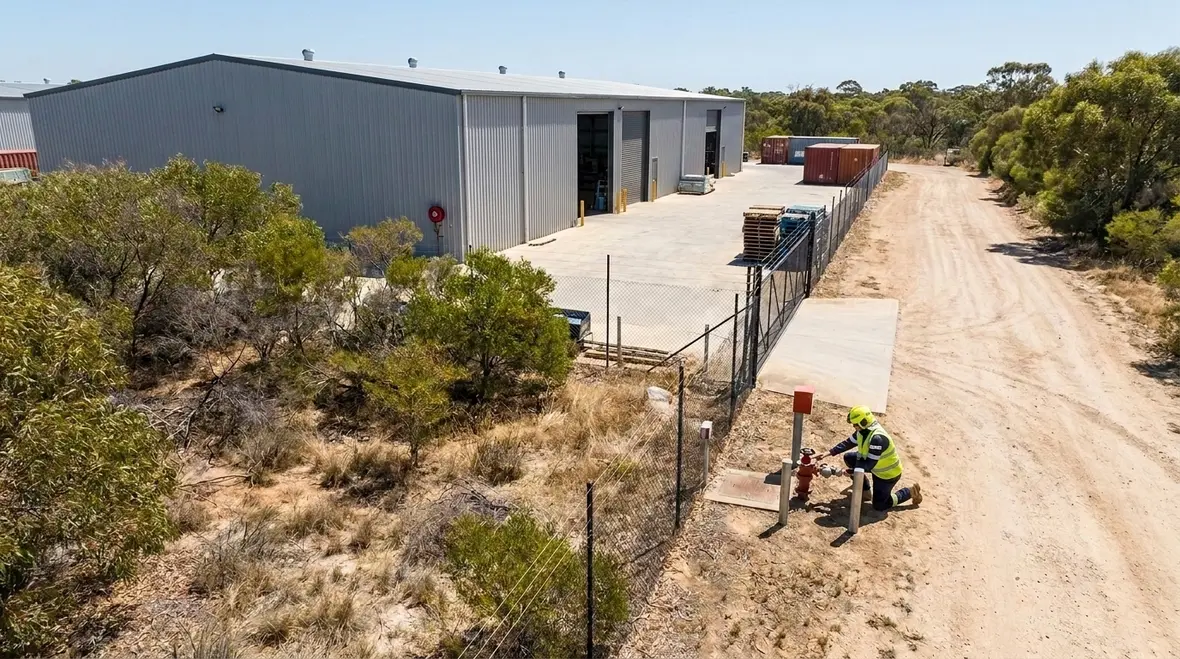
Check hydrants, tanks, pumps, and hose reach.
Review roof edges, vents, and external plant for ember entry.
What WUI zone fire safety looks like on the ground
Strong WUI zone fire safety starts at the site boundary. Teams should control vegetation, remove dead material, and keep combustible storage away from the perimeter. They should also make sure access roads stay open for trucks and fire crews. A blocked gate or a tight corner can waste critical minutes, and fire does not wait while someone hunts for a key.
Then comes the building itself. External walls, roofs, eaves, vents, and openings need a hard look. Embers love gaps. They also love clutter. So, a good plan looks at seals, screens, roof debris, and the placement of air intake points. In commercial settings, even a small failure can become a costly shutdown.
Boundary management is not glamorous, but it works
There is nothing flashy about trimming back growth, clearing dead vegetation, moving waste skips, or keeping fence lines free of stacked materials. Still, those ordinary tasks do some of the heaviest lifting in wildfire readiness. They reduce available fuel, improve visibility, and create better operating space for responders. That is practical risk reduction, even if it does not make anyone feel like a hero in the monthly site meeting.
The same goes for roof maintenance and exterior inspections. Gutters full of dry leaves, clutter around generators, and poorly screened openings can all invite ember-driven ignition. When teams make these checks routine instead of seasonal panic work, the whole site gets tougher, calmer, and much less likely to be surprised at the worst possible time.
How Kord Fire Protection supports compliance and site readiness
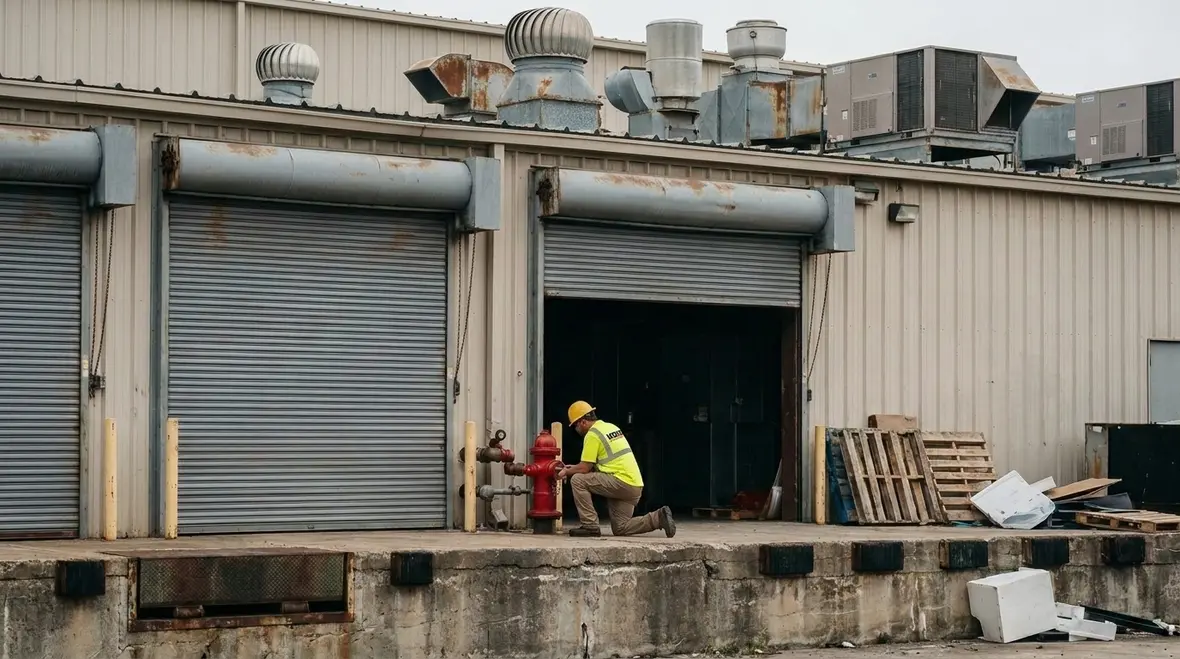
Kord Fire Protection can become a vital partner because compliance alone is not enough. A site needs practical systems, testing, and maintenance that keep working when smoke is in the air and time is short. Kord can help assess risk, review fire protection assets, and align site measures with the demands of NFPA 1 Section 17.1.
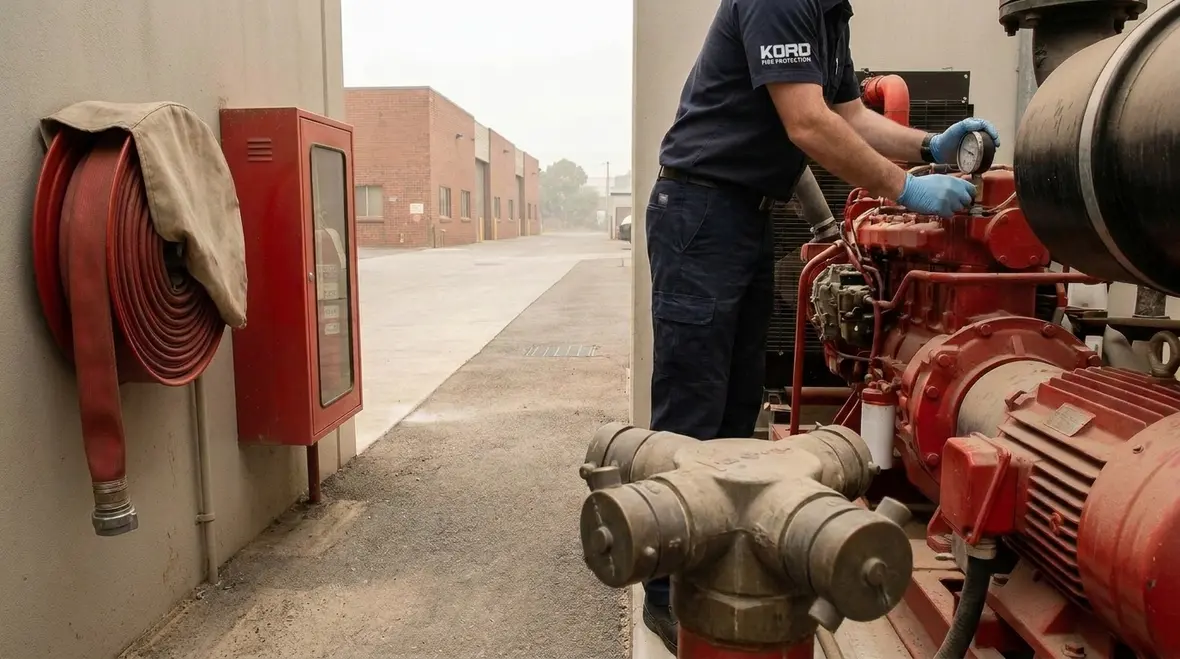
That support may include inspection of hydrant systems, pumps, hose reels, extinguishers, fire detection, and suppression equipment. It may also include advice on access, water supply, equipment placement, and general readiness. More importantly, Kord can help identify weak points before fire season arrives like an uninvited guest with terrible timing.
If your planning also touches sprinkler performance, inspection cycles, or repair priorities, it makes sense to connect this conversation with fire sprinkler system service. Wildfire interface readiness is stronger when site controls and internal protection systems stop acting like distant cousins at a family reunion and start working together.
Connecting code language to site reality
The hard part for many businesses is not reading the intent of a fire code section. The hard part is turning that intent into a checklist people can actually use. Facilities teams need to know what to inspect, where to look first, what to move, what to service, and which problems deserve immediate attention. That is where an experienced fire protection partner brings real value.
Kord Fire Protection also publishes code-focused content that helps translate standards into practical decisions. For broader code context, it is useful to review NFPA 1: A Comprehensive Guide to Fire Prevention and Safety, especially for teams that want the bigger picture around prevention, inspection, and fire safety planning.
Why facilities teams should act before fire season
Facilities teams often juggle budgets, compliance, maintenance, and operations at once. Because of that, wildfire interface work can slide down the list. However, delay raises risk. Dry weather, heat, wind, and fuel build-up can turn a manageable issue into a major event.
Proactive work also helps with insurance, continuity planning, and staff safety. In addition, it supports better coordination with emergency services. A site that is ready gives responders a better chance to do their job fast and safely. That is not drama. That is sound business sense.
Common gaps that weaken WUI zone fire safety
Many sites fail in the same simple places. They let waste build up near walls. They store combustible items against fences. They ignore roof debris. They leave access routes partly blocked. They also delay inspections on water systems and firefighting equipment.
These gaps may look small on paper, yet they can create a chain reaction during a wildland urban interface fire. So, the best approach is steady review, routine housekeeping, and service from a fire protection partner that knows how to connect the code to the site.
A short list of mistakes that deserve zero patience
Treating perimeter vegetation as someone else’s problem.
Letting bins, pallets, and packaging gather near external walls.
Assuming access roads are fine without checking turning space and gate function.
Postponing inspections on hydrants, pumps, and related fire protection assets.
Ignoring roof and vent housekeeping until the weather turns nasty.
FAQ
Conclusion
NFPA 1 Section 17.1 gives businesses a clear way to strengthen wildfire interface readiness before trouble starts. For industrial, retail, commercial, and facility sites across Australia, the smartest move is simple: reduce fuel, protect access, and keep fire systems ready.
Kord Fire Protection can help make that happen with practical support that protects people, property, and business continuity. When the heat rises, readiness is not optional. It is the part of the plan that earns its keep when everything else gets uncomfortable.

Join Our Newsletter!
Get the latest fire safety tips delivered straight to your inbox From our Newsletter.