NFPA 1 Section 12.9 Smoke Barrier Compliance
Smoke has a talent for turning a manageable fire event into a building wide mess. That is exactly why NFPA 1 Section 12.9 matters. It deals with smoke barrier compliance, compartmentation logic, and the performance of smoke rated assemblies that help keep smoke from moving where it absolutely should not. If the fire is the headline, smoke is usually the plot twist nobody wanted.
For property owners, facility teams, and safety managers, this section supports a simple but serious goal: create safer conditions for evacuation, reduce spread through connected spaces, and preserve better control during an emergency. When combined with practical field execution and long term maintenance, smoke compartment barriers become one of the quiet heroes of a strong fire protection plan.
Quick Answer
NFPA 1 Section 12.9 sets the rules for smoke barrier fire code NFPA compliance in buildings that need safe compartmentation and controlled smoke movement. It guides how smoke rated assemblies and smoke compartment barriers must perform. Near the top of any practical compliance plan, it also helps to align that work with broader commercial and industrial fire protection services that support installation, inspection, repairs, and ongoing system readiness. Kord Fire Protection can help plan, install, inspect, and maintain these systems with care.
NFPA 1 Section 12.9 in plain terms
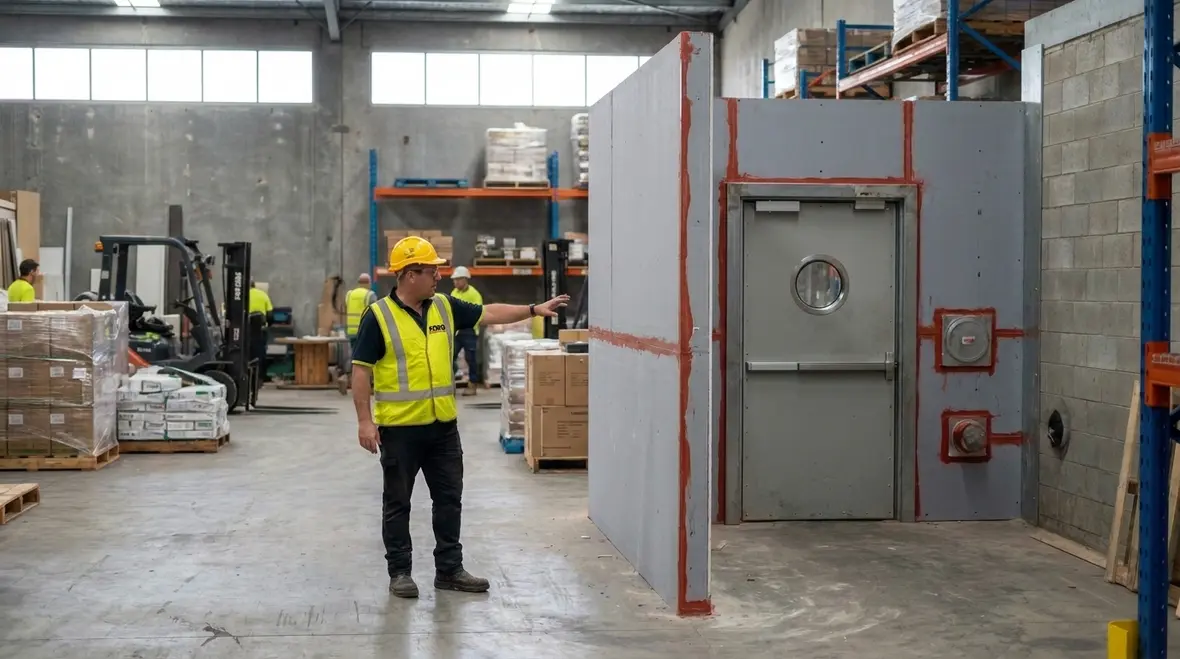
NFPA 1 Section 12.9 focuses on smoke barrier requirements that help slow smoke spread during a fire. That matters because smoke causes most of the chaos. Fire may start the scene, but smoke often writes the bad ending. In practical terms, these barriers help protect escape paths, limit damage, and keep parts of a building usable for longer.
For commercial and industrial facilities, this code logic supports safer evacuation, better emergency response, and less disruption to operations. It also aligns with the need for smoke rated assemblies that hold their job under pressure, heat, and time. In short, the section gives building teams a clear path for safer compartmentation.
The purpose behind smoke compartmentation
Compartmentation is about buying time and preserving options. When smoke is restricted to a smaller area, occupants have a better chance to move safely, responders can work under more controlled conditions, and the rest of the building may avoid a total disruption. That is a very good trade for a building owner who would prefer not to explain to everyone why one isolated event turned the whole site into a cautionary tale.
Why smoke compartment barriers matter in busy facilities
Large sites rarely have the luxury of simple layouts. Warehouses, shopping centres, plant rooms, cold storage, and office zones often sit close together. Therefore, smoke compartment barriers help divide risk and protect people where they work, shop, and move through the building.
These barriers reduce smoke migration through corridors, service routes, and open connections. As a result, they support safer egress and can help firefighting crews work with more control. A well designed barrier system also protects business continuity. After all, no one wants a small incident to become a full scale corporate drama, complete with flashing lights and a very bad week.
High risk areas where smoke spread escalates fast
Smoke often finds the easiest route through openings, ceiling voids, service penetrations, risers, and shared corridors. In mixed use or high activity environments, even a well protected room can lose its advantage if the surrounding envelope is inconsistent. That is why smoke barrier planning cannot stop at the wall line on a drawing. It has to consider how the entire space actually behaves once people, services, doors, and later alterations enter the picture.
What smoke rated assemblies must do
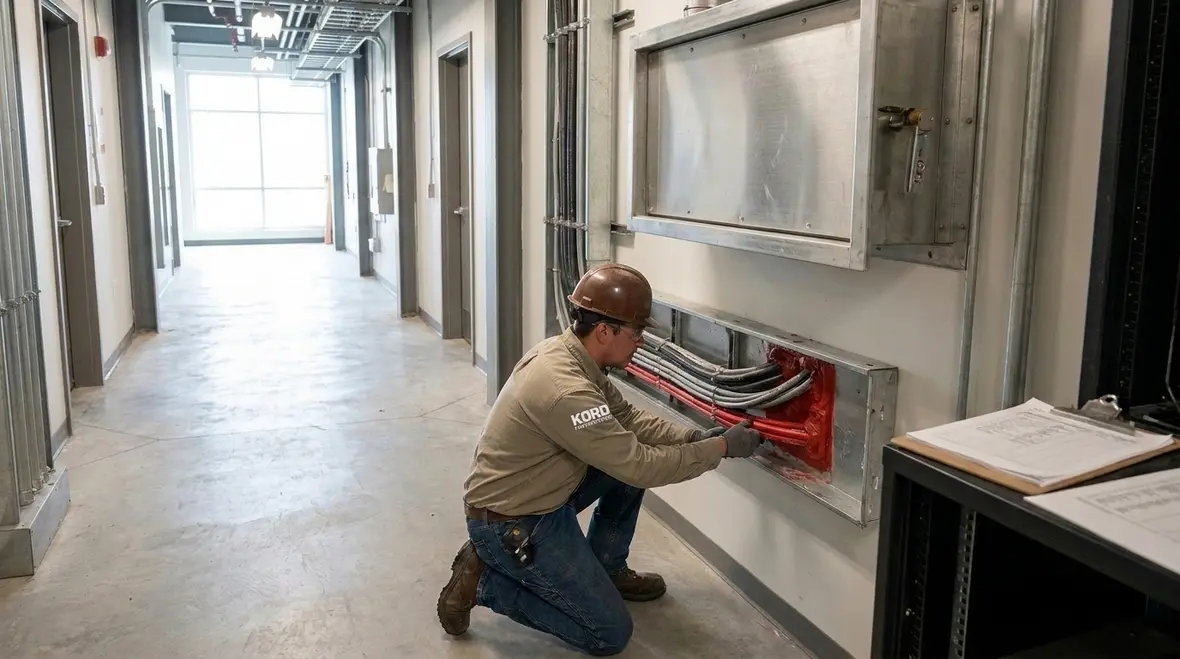
Smoke rated assemblies are not just walls with a serious attitude. They must resist smoke movement at openings, joints, and connections. They often work with fire doors, glazing, dampers, sealants, and penetrations that all need proper detail.
The key goal is containment. However, that only works when every part of the system performs together. If one element fails, smoke can move through the weak point fast. Therefore, teams must look at the whole assembly, not just the main barrier line. This includes seals around pipework, cable trays, and service penetrations.
For facilities managers, that means design, installation, and maintenance must stay aligned. A barrier system that looked perfect on paper can lose strength if later works punch holes through it like it is auditioning for a disaster movie.
Assemblies succeed or fail as a system
A smoke barrier is only as strong as its details. That means perimeter joints, head of wall conditions, transfer grilles, access panels, door hardware, and closure performance all matter. If a contractor adds new services and forgets to restore the tested condition, the assembly no longer acts like the system it was meant to be. In practical terms, smoke control is less about one heroic wall and more about a disciplined chain of components all doing their jobs at once.
How NFPA 1 Section 12.9 is applied on site
Application starts with a building review. The team checks where smoke could travel, which spaces need separation, and what level of protection each area requires. Next, the barrier layout must suit the building use, occupancy, and fire strategy.
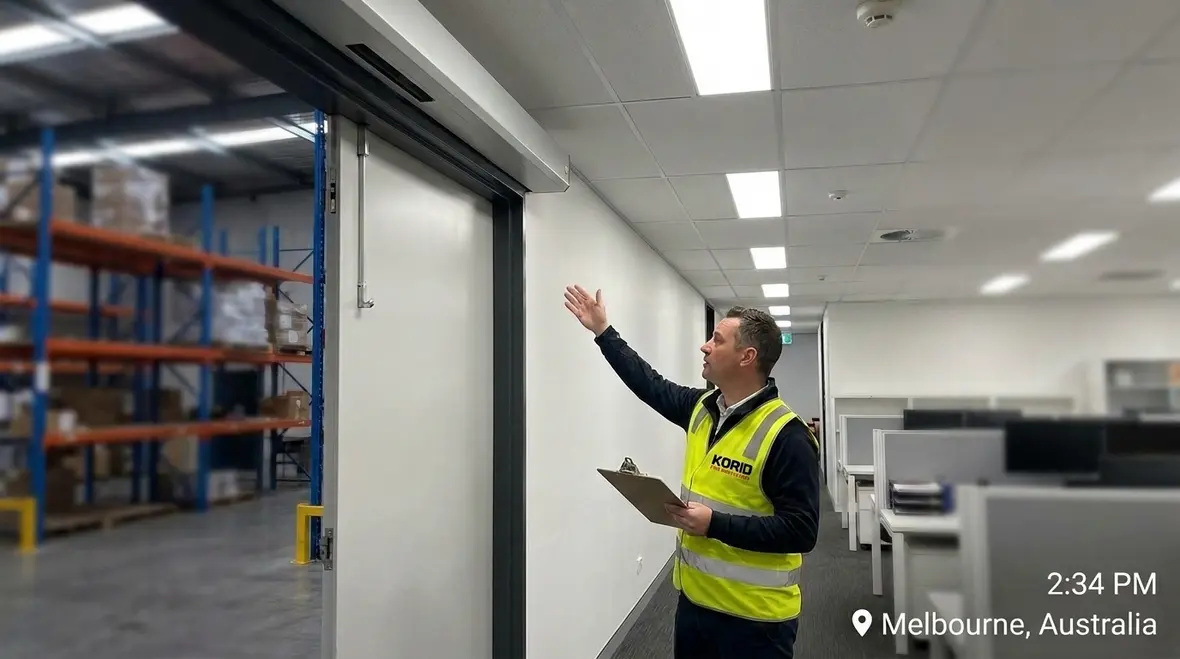
During installation, contractors must use approved materials and follow the tested system details. Then the site team must verify that every joint, opening, and transition remains protected. Finally, regular inspection keeps the system ready. That step matters because even strong barriers lose value when later fit outs, maintenance work, or service upgrades ignore the original protection plan.
For facilities, this work often needs to fit local fire safety rules, building operations, and insurer expectations. Therefore, the best results come from a service partner who understands both compliance and real world site demands.
Where Kord Fire Protection adds real value
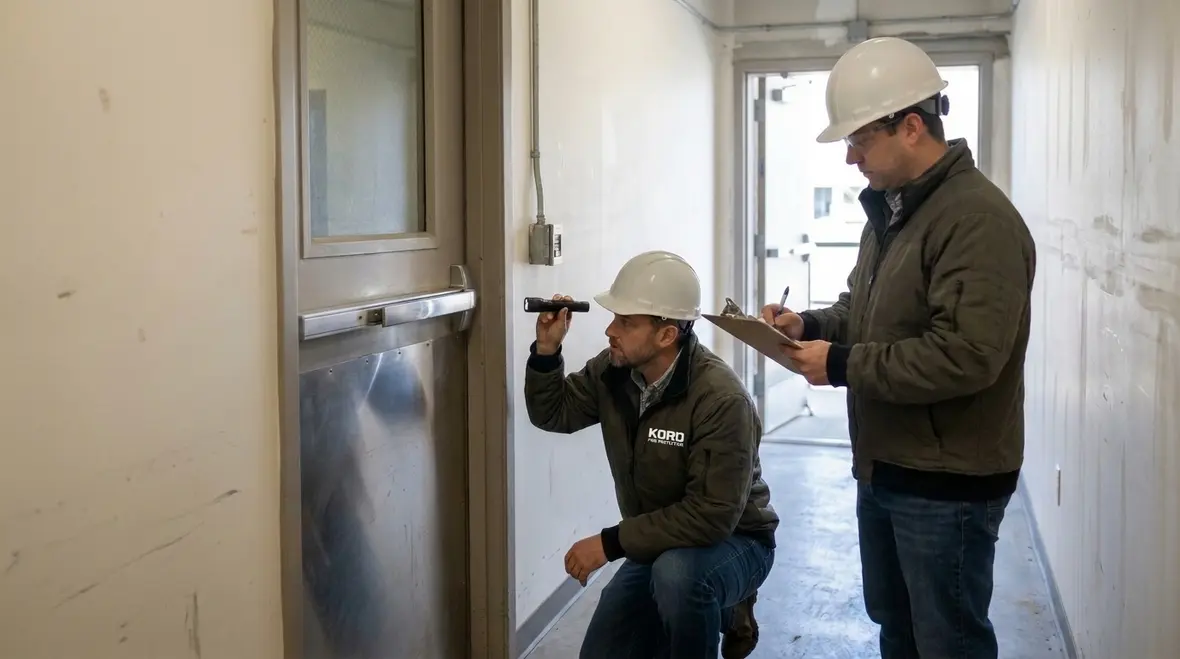
Kord Fire Protection can become a vital partner because smoke barrier compliance needs more than a product. It needs planning, installation control, inspection, and long term care. That is where experienced fire protection support makes the difference.
First, Kord Fire Protection can help identify barrier requirements across industrial, retail, and commercial properties. Then the team can support smoke compartment barriers, smoke rated assemblies, and related fire stopping work that keeps the system intact. Moreover, a strong partner can help spot hidden issues before they turn into expensive fixes.
In active facilities, that matters a great deal. Operations cannot always stop for a fire upgrade. So a practical provider helps schedule work, reduce downtime, and keep the site moving. In other words, Kord Fire Protection can help keep the building compliant without turning the workplace into a construction circus.
If readers want broader code context, it also fits naturally to review NFPA 1: A Comprehensive Guide to Fire Prevention and Safety, which helps connect this section specific topic to the wider fire code picture.
How to keep barriers reliable over time
Smoke barriers need regular attention because buildings change. Tenants fit out new spaces. Engineers add services. Maintenance teams open access points. Over time, each change can weaken the original barrier system.
To stay ahead, facilities should inspect barriers after works, confirm any penetrations remain sealed, and check that doors and closures still perform as intended. They should also keep clear records of updates, repairs, and inspections. Furthermore, teams should train maintenance staff so they know which walls and openings must never be treated like ordinary building fabric.
When the right checks happen on schedule, the barrier system stays useful when it matters most. That is the whole point, really. A smoke barrier does not need applause. It needs to work quietly, reliably, and without drama.
A practical maintenance mindset
The best maintenance programs treat smoke barriers like living building assets rather than one time construction features. That means checking them after tenant improvements, reviewing service penetrations during upgrades, and making sure repair work restores the required performance instead of just making the wall look respectable again. Cosmetic neatness is lovely, but it is not a substitute for actual smoke containment.
FAQ
Keep your site compliant and ready
Smoke barrier compliance should never sit in the “we will get to it later” pile. The right system protects people, property, and operations, while helping the building stay safer and more manageable during a fire event. Good compartmentation is not flashy. It is just incredibly useful when conditions turn serious.
Kord Fire Protection can help assess needs, support the work, and keep smoke barrier systems performing as intended. For teams that want stronger protection, cleaner compliance, and fewer unpleasant surprises hiding behind walls and ceilings, now is the time to act.

Join Our Newsletter!
Get the latest fire safety tips delivered straight to your inbox From our Newsletter.