NFPA 1 Section 11.4 Utility Fire Safety for Australia
Quick Answer
NFPA 1 Section 11.4 sets clear fire safety rules for utility areas, helping businesses reduce risk around gas, electric, and other critical building systems. For industrial, retail, and commercial sites across Australia, it supports safer operations, better compliance, and fewer shutdown surprises. Kord Fire Protection can help turn those rules into practical, site ready protection.
NFPA 1 Section 11.4 matters because utility spaces often hide the kind of trouble nobody wants to meet before coffee. In industrial plants, shopping centres, warehouses, and large commercial facilities, utility fire safety NFPA guidance helps control hazards linked to electrical rooms, gas systems, mechanical services, and other building support areas. When a site follows the building utilities fire code and good gas electric utility fire protection practices, it lowers fire risk and improves day to day safety. That is where Kord Fire Protection becomes a vital partner, because it can help businesses move from “we should fix that” to “we already did.”
Facilities looking for broader, site wide support can also explore Australia fire protection for compliance and readiness, especially when utility risks are tied to larger detection, suppression, inspection, and maintenance needs.
What NFPA 1 Section 11.4 Covers in Utility Areas
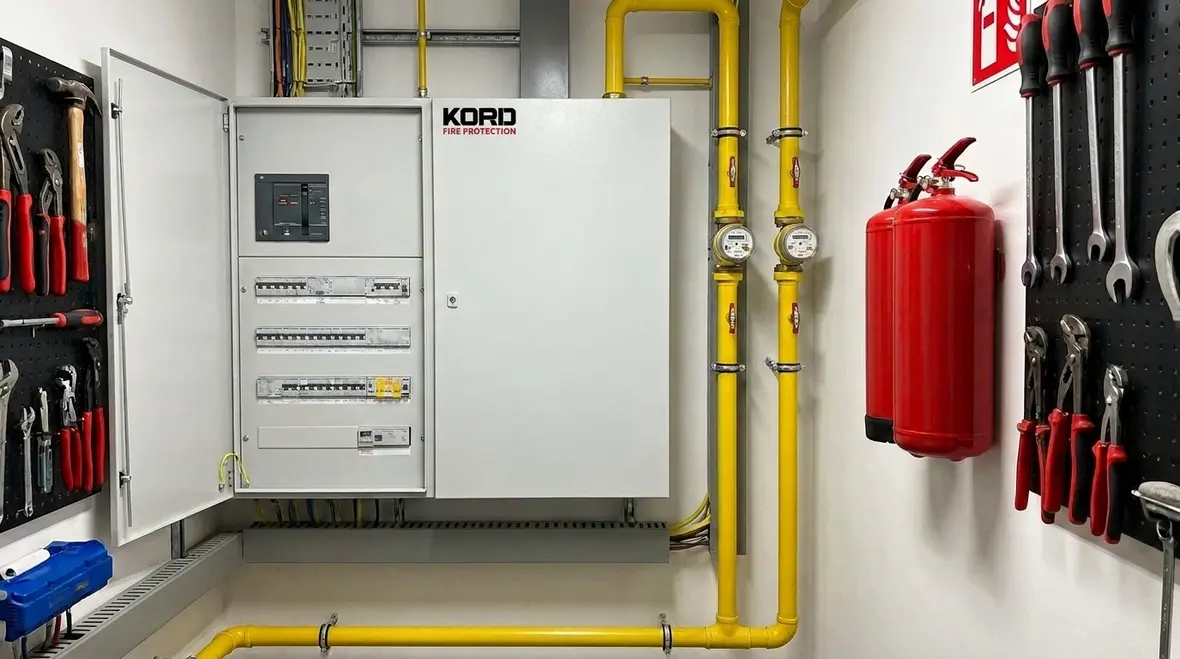
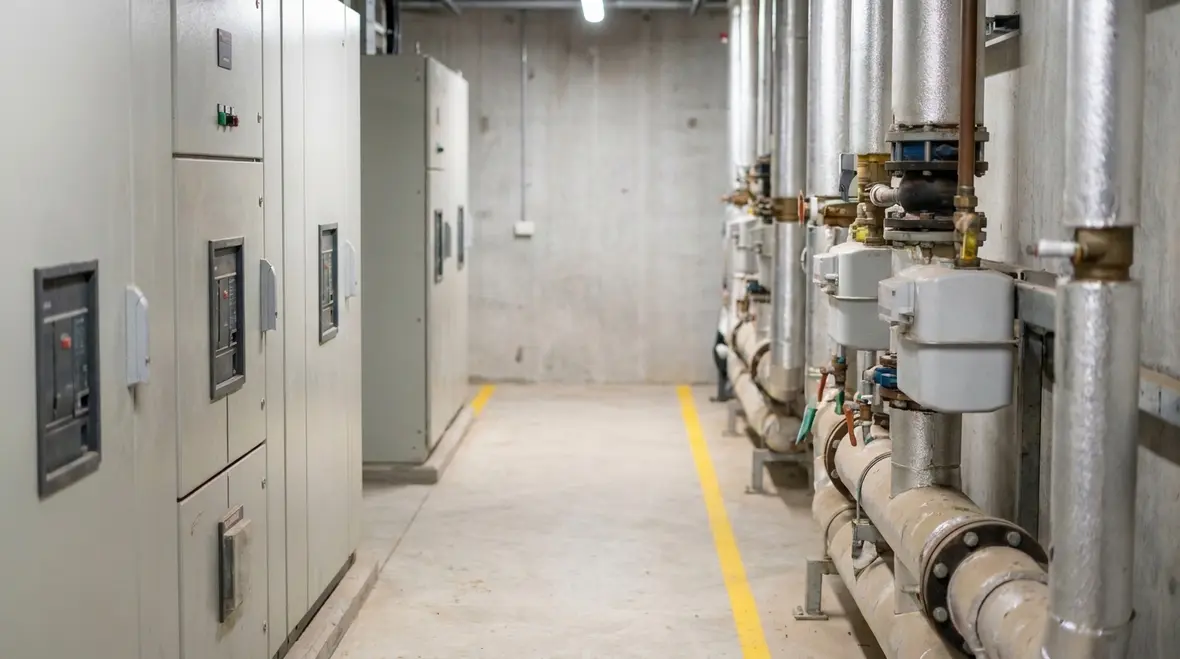
Section 11.4 focuses on fire safety around utility equipment and service spaces. These areas may include switchboards, electrical panels, gas meters, transformers, HVAC systems, and other infrastructure that keeps a site running. Because these spaces often carry heat, fuel, or high energy loads, they can become ignition points if left unchecked.
The section calls for safe access, proper housekeeping, clear separation from combustibles, and controls that reduce the chance of fire spread. It also supports regular inspection and maintenance, which matters because dust, storage clutter, and damaged equipment love to team up like a bad sequel nobody asked for.
The utility spaces that deserve extra attention
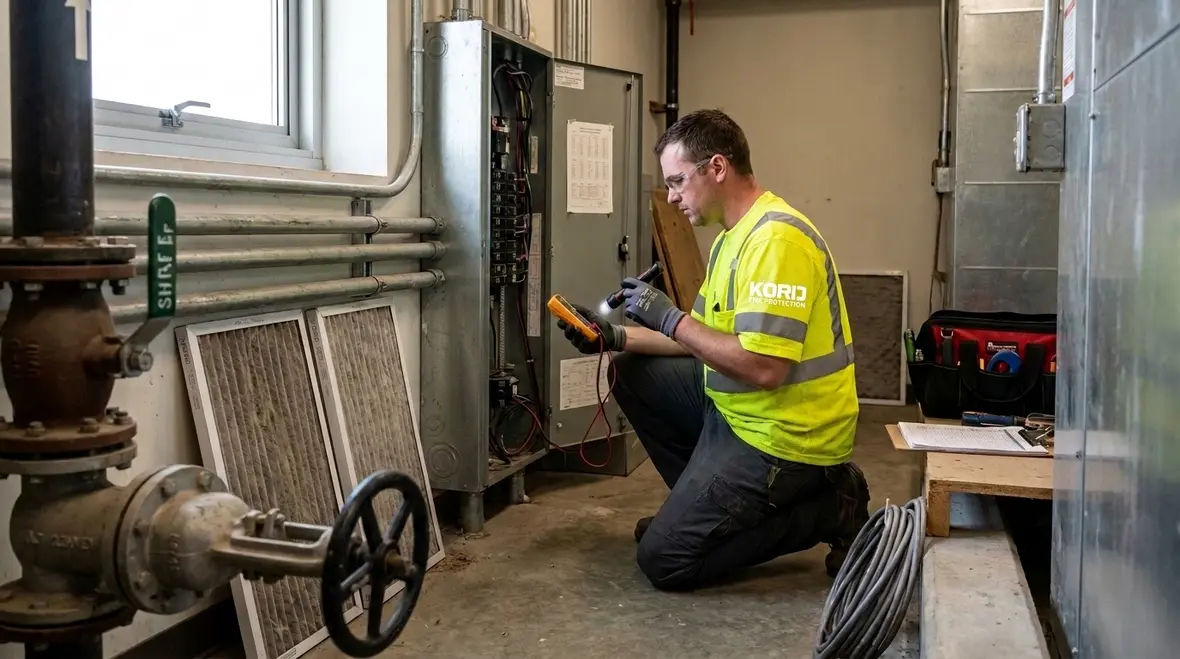
On many sites, the highest concern is not the obvious production floor but the quiet room behind the locked door. Electrical risers, plant rooms, service cupboards, switch rooms, battery backup spaces, and gas service zones all support the main operation, yet they often escape daily scrutiny because they are not customer facing and they rarely complain until something goes wrong. Unfortunately, fire risk does not need applause or visibility to do damage.
That is why utility fire safety NFPA guidance is useful in practical terms. It pushes facilities to think beyond minimum access and start asking better questions. Is the room being used for storage when it should not be? Are isolation points accessible in a real emergency, not just during a calm audit? Does the ventilation still support the heat load from the equipment currently installed, or only the equipment that used to be there three upgrades ago? Those questions help expose the sort of creeping risk that builds slowly and then arrives all at once.
Why Utility Fire Safety Matters for Australian Commercial Sites
Across Australia, facilities face mixed fire risks. A retail centre may have packed service rooms and heavy foot traffic. A warehouse may have large electrical distribution areas. A plant may run gas powered systems and process equipment all day. Therefore, utility fire safety NFPA guidance helps teams manage these risks in a structured way.
When a utility area fails, the impact can spread fast. Power loss can stop operations. A gas leak can create a severe hazard. Electrical faults can lead to smoke, fire, and long downtime. As a result, strong utility fire planning protects people, assets, and business continuity at the same time.
Why small utility failures create large business problems
A utility room problem rarely stays politely inside the utility room. It can interrupt refrigeration, communications, smoke control interfaces, production equipment, lift functions, emergency lighting, and access control. In customer facing environments, that quickly becomes a safety issue and a reputation issue. In industrial environments, it can also become a product loss issue or a restart issue, which means the fire itself may be only one part of the total damage bill.
That is why the building utilities fire code mindset is valuable even for teams that think their service rooms are “fine enough.” Fine enough has a short shelf life when heat, dust, ageing parts, and improvised storage all decide to collaborate. A disciplined utility safety plan turns those fragile conditions into managed conditions, and managed conditions are much less likely to ruin everyone’s week.
How the Building Utilities Fire Code Supports Risk Control
The building utilities fire code approach is not just about having rules on paper. It is about making utility rooms safer in daily use. That means keeping access paths clear, storing combustibles away from heat sources, and making sure service panels and gas equipment stay protected from damage.
It also means checking that utility spaces fit the fire protection strategy of the whole building. For example, a sprinkler protected site still needs good compartment control, while an unsprinklered area may need stronger planning. In both cases, the goal stays the same: limit ignition, slow fire growth, and give people time to respond.
That broader strategy also connects naturally with NFPA 1: A Comprehensive Guide to Fire Prevention and Safety, which gives useful context for how utility area controls fit into wider prevention and response planning.
Risk control works best when the room stays boring
There is a strange compliment in fire safety: the best utility room is the one nobody has to talk about. It is clean, accessible, labelled, ventilated, maintained, and free from random cardboard castles leaning near hot equipment. The room is not exciting, but that is exactly the point. Once utility spaces become unpredictable, the rest of the building inherits that uncertainty.
- Maintain clear access to all switches, panels, valves, and shutdown points
- Keep combustible storage out of utility and plant service rooms
- Protect gas and electrical equipment from impact and accidental damage
- Review ventilation and heat build up around high load equipment
- Coordinate room conditions with the overall fire protection strategy
Gas Electric Utility Fire Protection in Practice
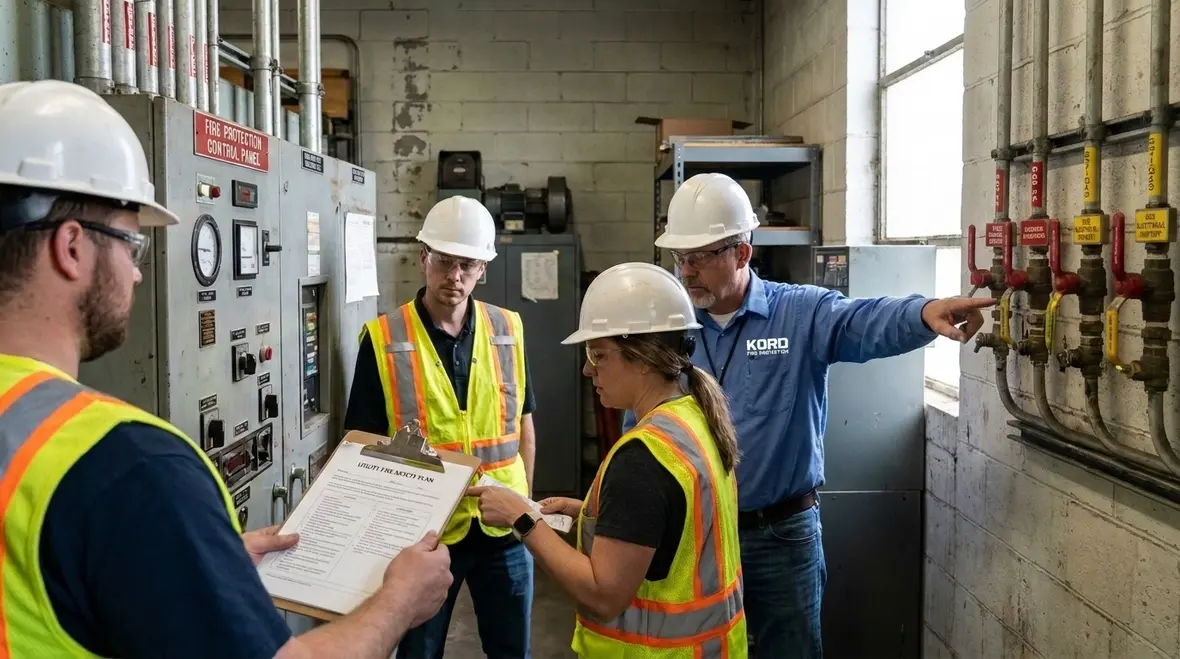
Gas electric utility fire protection works best when teams treat utility hazards as part of the full site risk picture. Gas systems need leak checks, clear shutoff access, and protection from impact. Electrical systems need proper clearance, thermal control, and routine checks for overloads, loose connections, or worn parts.
In practice, this also means using the right fire suppression, detection, and maintenance plan for the site type. A high use commercial property may need different controls than a low occupancy storage area. Therefore, the protection plan must match the real conditions on site, not a generic template from somewhere that sounds good in a meeting and then disappears like a minor character in a movie franchise.
Common Hazards in Utility Rooms
Utility rooms often face a small set of repeat issues. However, those issues can cause serious trouble if ignored.
- Combustible storage too close to electrical or gas equipment
- Dust build up on panels, motors, or ventilation points
- Blocked access to switches, valves, or shutoff devices
- Damaged cables, fittings, or pipework
- Poor ventilation around heat producing equipment
- Missing labels, seals, or warning signs
These conditions may seem minor at first. Still, they can turn a normal utility room into a fire start zone faster than a power outage turns into a building wide complaint thread.
How Kord Fire Protection Helps Facilities Stay Compliant
Kord Fire Protection can become a vital partner because it helps facilities convert code language into practical action. Rather than leaving teams to guess what applies, Kord can support inspections, fire risk reviews, system checks, and recommendations that fit the site layout and use.
| Facility Need | How Kord Fire Protection Can Help |
| Utility room fire risk review | Identify hazards in electrical, gas, and mechanical service areas |
| Compliance support | Align site practices with utility fire safety NFPA expectations |
| Maintenance planning | Set inspection schedules and service priorities for key equipment |
| Protection upgrades | Recommend detection, suppression, and access controls that suit the site |
| Operational safety | Help reduce downtime, improve readiness, and support safer day to day work |
Because Kord works with industrial, retail, and commercial sites, it can support the different demands each site type brings. That matters. A food facility, a logistics hub, and a shopping centre do not share the same utility risks, even if their fire alarms all decide to test everyone’s patience on the same morning.
For sites where electrical coordination is a major part of the risk picture, fire and electrical system support for compliance is also a useful related resource, especially where alarms, emergency power, and utility shutdown planning all need to work together.
What a Strong Utility Fire Safety Plan Looks Like
A strong plan starts with a site walk through and a clear look at hazards. Then it moves into action. Teams should maintain clear access, remove storage that does not belong in utility rooms, check equipment condition, and confirm that protection systems still work as intended.
Next, they should train staff on what to report and who to call. In addition, they should review maintenance records so small faults do not grow into larger events. Good planning does more than support compliance. It helps sites keep operations steady, which is something every facility manager appreciates when the week is already busy.
The habits that keep utility areas safer over time
- Schedule routine room inspections instead of waiting for annual panic
- Document defects and close them out before they become “known issues” forever
- Train staff to report heat, odours, damage, leaks, and access blockages quickly
- Review any site change that affects utility loads, ventilation, or room use
- Test associated detection and suppression features as part of normal maintenance planning
In short, strong utility fire safety is less about dramatic heroics and more about disciplined basics. That may sound less glamorous, but it is far more effective. Fires often start with small warning signs, and small warning signs are much easier to manage before they become everybody’s emergency.
Conclusion
NFPA 1 Section 11.4 gives facilities a clear path to safer utility areas, and that matters for every commercial, industrial, and retail site that depends on steady power, gas, and mechanical services. With the right plan, the right checks, and the right partner, risk drops and confidence rises.
Kord Fire Protection can help businesses put these requirements into practice and keep utility fire safety moving in the right direction. That means fewer nasty surprises, better operational continuity, and a much lower chance that a forgotten service room becomes the most exciting part of someone’s day.

Join Our Newsletter!
Get the latest fire safety tips delivered straight to your inbox From our Newsletter.