NFPA 1 Section 11.3 Elevator Escalator Fire Safety
Quick Answer: NFPA 1 Section 11.3 sets the baseline for elevator and escalator fire safety by focusing on equipment readiness, safe shutdown, alarm response, and clear access for emergency crews. For industrial, retail, and commercial sites, this means fewer surprises, better compliance, and stronger protection for people, property, and business continuity.
When a building carries heavy daily traffic, the elevator fire safety code, escalator fire protection, and vertical transport fire safety NFPA guidance become more than paperwork. They shape how lifts, escalators, and related systems behave during fire events, maintenance checks, and emergencies. In large facilities, that matters. A stalled lift in a shopping centre or a smoke issue near an escalator does not politely wait for a convenient hour. It demands a fast, calm, and tested response. That is where proper planning, inspection, and a reliable partner for full fire protection services make all the difference.
NFPA 1 Section 11.3 gives fire safety teams a clear path for managing vertical transport risks. It helps building managers protect people, support evacuation, and reduce damage when fire conditions threaten movement systems. For facilities balancing multiple systems, high foot traffic, and tight compliance expectations, the section is a useful benchmark that pairs well with broader building fire safety planning.
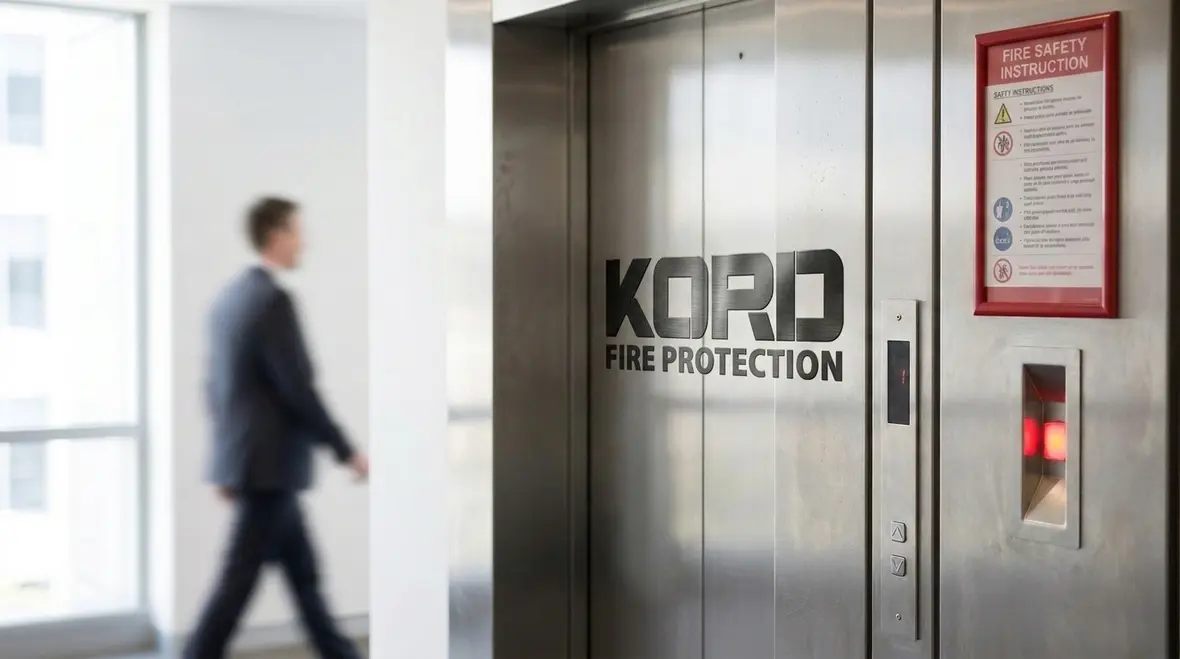
What NFPA 1 Section 11.3 covers
NFPA 1 Section 11.3 focuses on elevator and escalator fire safety in a practical way. It addresses how these systems should be managed so they do not become hazards during a fire. In simple terms, the standard expects owners and operators to keep equipment safe, accessible, and ready for emergency use or shutdown when needed.
This includes coordination with alarm systems, smoke control measures, and emergency procedures. It also means keeping clear records, testing key functions, and making sure staff know what to do when an issue appears. A lift or escalator is not just a machine. It is a moving part of the building life support system. When it fails, the whole site feels it.
The practical goal behind the section
The goal is not to drown facilities teams in rules for the sake of rules. It is to make sure vertical transport systems react in a predictable way during an incident. Predictability matters because people under stress already have enough going on. If alarms sound, smoke starts moving, and the lift behaves oddly, confusion grows fast. NFPA 1 Section 11.3 helps reduce that confusion by pushing sites toward tested responses instead of guesswork and crossed fingers.
How elevator and escalator fire risks show up on site
Fire risk in vertical transport often starts in places people overlook. Machine rooms, control panels, wiring, and shaft spaces can all create trouble if they are not maintained. Likewise, escalators in busy retail centres face constant use, dust buildup, and wear that can affect safe operation.
During a fire event, smoke movement becomes a major concern. Shafts can act like channels, helping smoke spread between floors. Therefore, the system must work with the building fire strategy, not against it. If the fire alarm activates and the lift does not respond as expected, confusion follows fast. And confusion, as every site manager knows, is never a great colleague.
Common trouble spots facilities teams should watch
- Machine spaces with heat, dust, or housekeeping issues that quietly build risk over time.
- Control interfaces that are supposed to coordinate with alarms, smoke control, or shutdown functions but have not been tested consistently.
- Lift lobbies or service access points blocked by storage, displays, deliveries, or the mysterious pile of stuff that nobody claims.
- Escalator components exposed to heavy daily wear that can increase operational faults if maintenance slips.
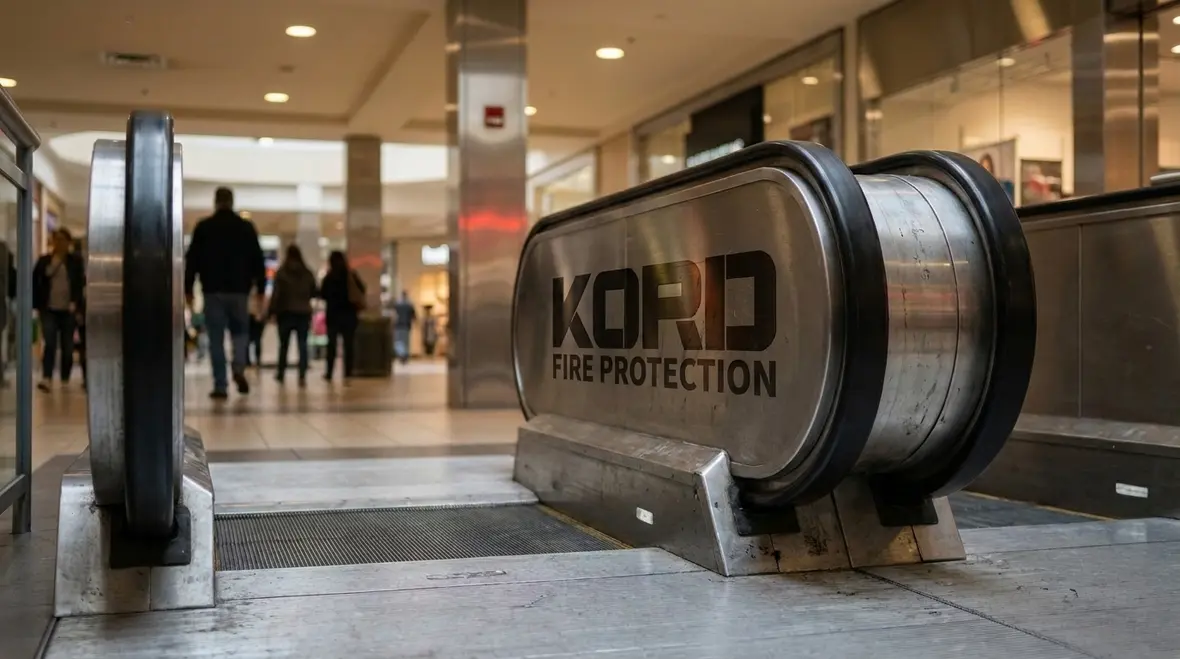
What compliance looks like for commercial facilities
For commercial and industrial sites, compliance means more than passing an inspection. It means building a routine that keeps equipment safe every day and keeps teams ready when the day refuses to stay normal. Strong compliance is part process, part documentation, and part habit. None of those pieces are glamorous, but all of them are useful. A well run site rarely looks dramatic, which is exactly the point.
The essentials of a strong program
Dual focus on people and equipment
Staff must know how to respond to alarm signals, shutdown commands, and trapped person situations. At the same time, the equipment needs regular checks for heat, dust, damage, and control faults.
Clear inspection and test records
Good documentation proves that the site has kept up with checks. It also helps identify repeat faults before they become costly outages. That is one reason internal recordkeeping matters so much. If you want a deeper look at why paperwork carries so much weight, Kord Fire Protection’s article on fire safety system documentation for compliance is worth the read.
Proper access for fire services
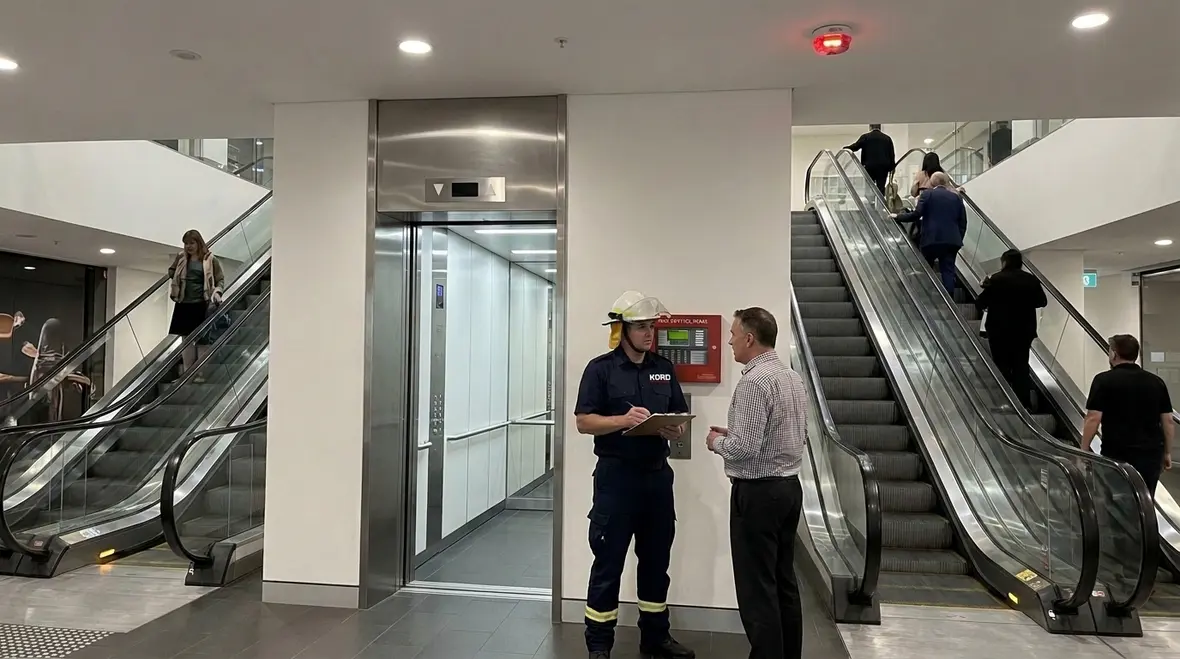
Emergency crews need simple access to lift lobbies, control points, and machine spaces. Poor access can slow down response when every second matters.
Integration with fire systems
Vertical transport must link with alarms, smoke detection, and emergency power arrangements where required. The building cannot afford a system that acts like it missed the memo.
Why coordination matters more than isolated fixes
A single repair can solve a single fault, but buildings do not run as isolated parts. Elevators, alarms, smoke control, egress paths, emergency lighting, and access conditions all affect one another. That is why coordinated service planning tends to produce better outcomes than chasing one issue at a time. Sites that take a broader view usually spend less time reacting and more time staying ready.
How Kord Fire Protection supports this service
Kord Fire Protection can become a vital partner for this work because it brings fire safety knowledge, site awareness, and practical service support together. Across commercial and industrial properties, that kind of support helps keep vertical transport systems aligned with fire safety duties and day to day operations.
Kord Fire Protection can assist with inspection support to help identify fire related risks around lifts, escalators, and connected plant areas, maintenance planning so fire safety checks fit into site operations without causing avoidable disruption, compliance support that helps managers stay on top of expectations and documentation, emergency readiness reviews that improve response times and help staff act with confidence, and coordination with wider fire systems so vertical transport safety works as part of the full building protection plan.
That support matters because fire safety is rarely one system. It is a chain. If one link weakens, the whole chain feels it. Kord Fire Protection helps keep that chain strong. For teams building a broader strategy, the guide NFPA 1: A Comprehensive Guide to Fire Prevention and Safety adds useful context around how code driven planning supports daily readiness.
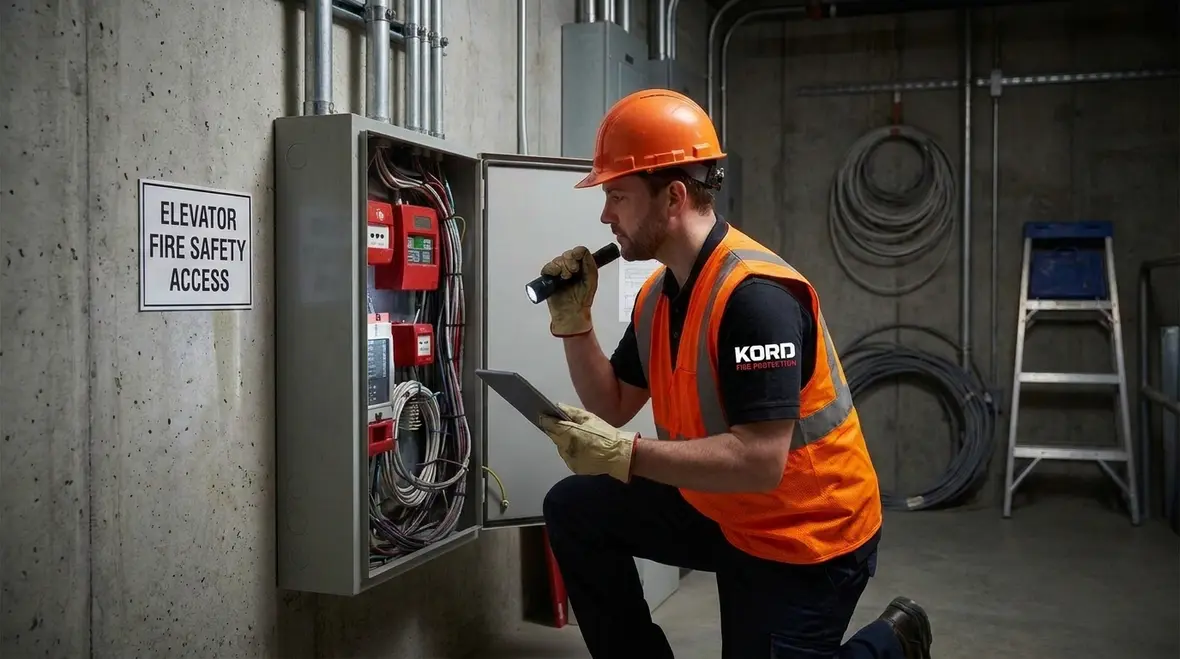
Why proactive planning saves money and stress
Waiting for a fault to appear is an expensive habit. It can lead to shutdowns, compliance problems, repair costs, and angry tenants who suddenly discover that stairs are only charming in movies. Proactive planning reduces those risks by catching issues early and keeping equipment ready.
It also supports safer evacuation. When lifts and escalators are managed correctly, people move through the building with less panic and more control. That protects operations, but it also protects reputation. In retail, hospitality, logistics, offices, and mixed use sites, reputation travels quickly. Calm, prepared responses leave a very different impression than delays, shutdowns, and avoidable confusion.
The business case for early action
Early action usually costs less than reactive action. It gives facilities teams time to schedule work sensibly, document conditions properly, and fix problems before they interrupt trade, tenants, visitors, or production. It also lowers the odds of turning a small issue into a full blown operational headache. Few building managers wake up hoping to spend the day explaining why a preventable systems issue became a very public inconvenience.
Why this matters for modern facilities
Industrial, retail, and commercial sites face strict expectations for safety, maintenance, and emergency planning. Many buildings operate with complex tenancy mixes, heavy foot traffic, and layered fire systems. As a result, vertical transport fire safety must sit inside a broader compliance strategy rather than live in its own lonely corner.
NFPA 1 Section 11.3 gives facilities a strong reference point for that strategy. When paired with site procedures and a trusted fire protection partner, it helps building teams manage risk with more confidence and less chaos. And in the world of fire safety, calm is not a luxury. It is the job.
FAQ
For facilities that want stronger control over elevator and escalator risks, Kord Fire Protection can help build a practical fire safety plan that supports compliance, lowers disruption, and protects people. The right approach keeps vertical transport systems from becoming weak points during emergencies, inspections, or busy operating hours.
Whether the priority is inspection support, maintenance coordination, documentation, or broader readiness planning, a clear program makes the work easier to manage. Contact Kord Fire Protection to improve vertical transport fire safety with a partner that understands the work and helps keep readiness from slipping into guesswork.

Join Our Newsletter!
Get the latest fire safety tips delivered straight to your inbox From our Newsletter.