NFPA 1 Section 5.4 Fire Design Scenarios Explained
Quick Answer
NFPA 1 Section 5.4 gives fire protection teams a clear path to build design scenarios that match real risks, not guesswork. In practice, fire design scenarios NFPA guides help facilities test how a fire may grow, spread, and affect people and assets. That is where Kord Fire Protection can become a vital partner, turning performance based fire modeling into practical, code aligned action.
Near the start of that process, many teams also benefit from broader full fire protection services that connect inspections, suppression, alarms, and readiness into one coordinated plan.
NFPA 1 Section 5.4 matters because it pushes fire safety planning beyond basic rules and into real world performance. For industrial plants, retail centers, commercial towers, and complex facilities across Australia, that shift can make all the difference. Using fire safety design scenarios early helps teams prepare for smoke spread, evacuation limits, suppression response, and asset loss. In other words, the building gets a fire plan that behaves like the building itself, not like a generic textbook case.
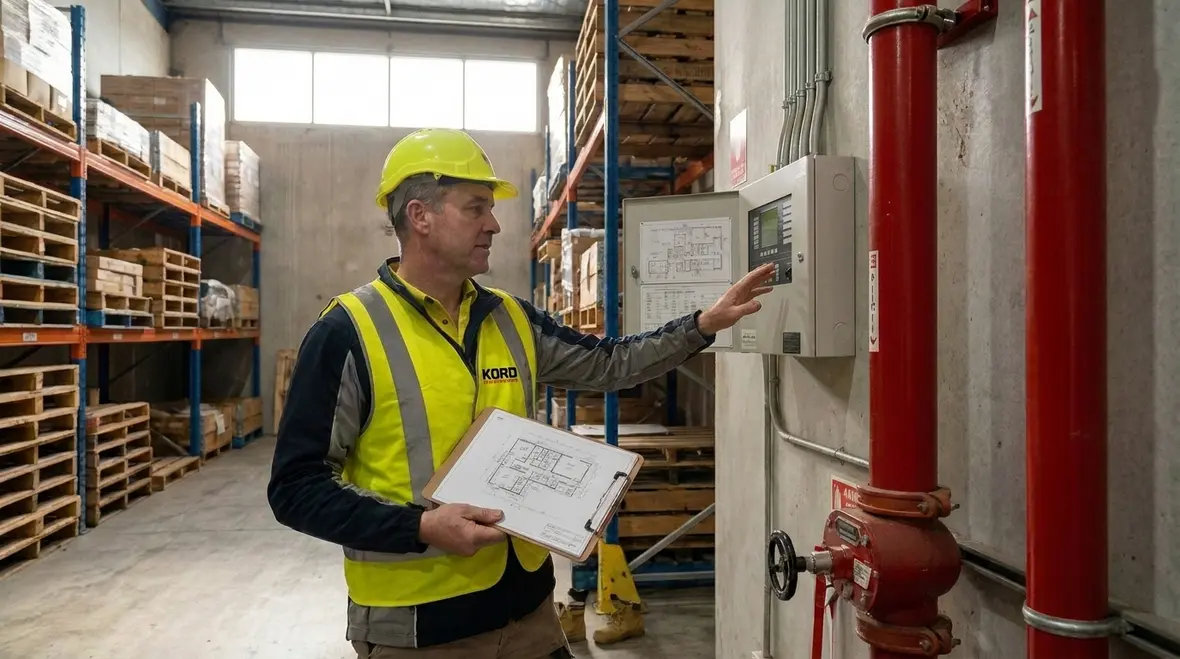
What NFPA 1 Section 5.4 Means in Plain Language
Section 5.4 allows a fire protection plan to use performance based methods when prescriptive rules do not fully fit the project. That means the design team can study how the building is used, what hazards exist, and how a fire could unfold. Then it can shape protection measures around that reality.
This approach suits large and mixed use sites especially well. A warehouse with high racks does not behave like a shopping mall. Likewise, a data room does not face the same risks as a food court. Therefore, fire design scenarios NFPA style help the team model the actual threat, not a simplified one. That is useful, and frankly, a lot more honest.
Why Realistic Scenarios Matter More Than Generic Assumptions
A prescriptive rulebook is helpful, but it cannot know every layout, every fuel load, every occupancy pattern, or every operational pinch point. Scenario based analysis fills that gap. It asks the uncomfortable but necessary questions: where would ignition most likely start, what would feed it, how quickly would smoke move, and how long would people really have to get out? It is the sort of thinking that replaces broad comfort with specific evidence.
That is also why performance focused planning tends to produce better conversations between owners, engineers, safety managers, and contractors. Everyone is looking at the same potential event instead of talking past one another with abstract code language. Miraculously, meetings become slightly less painful.
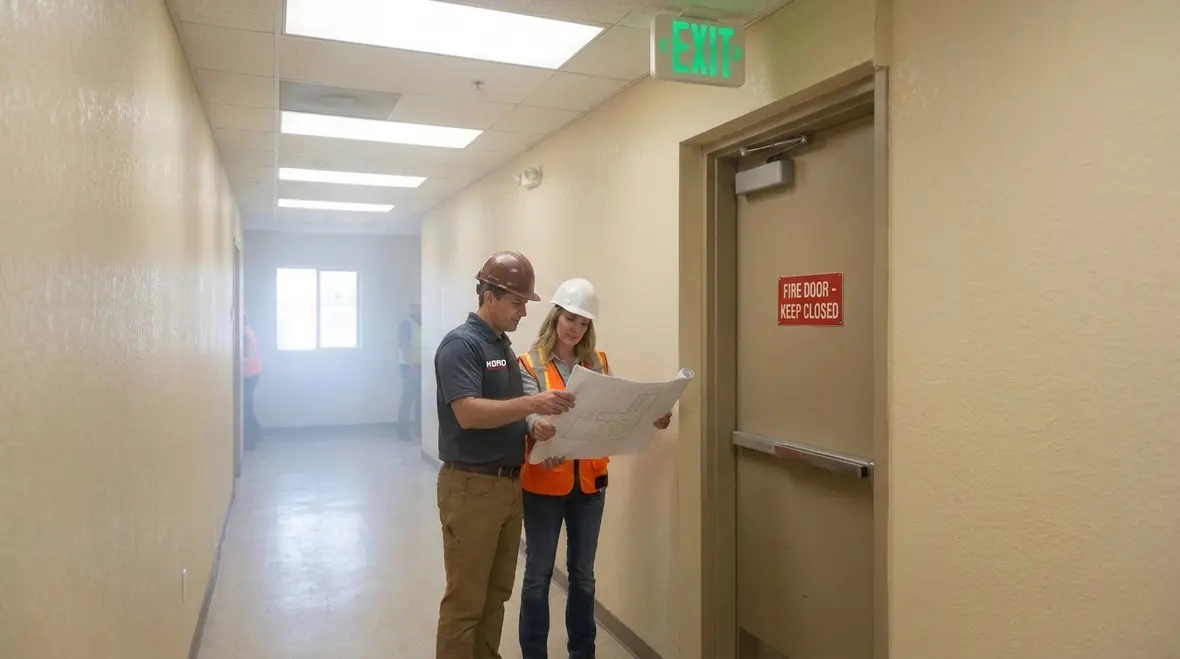
How Performance Based Fire Modeling Supports Better Decisions
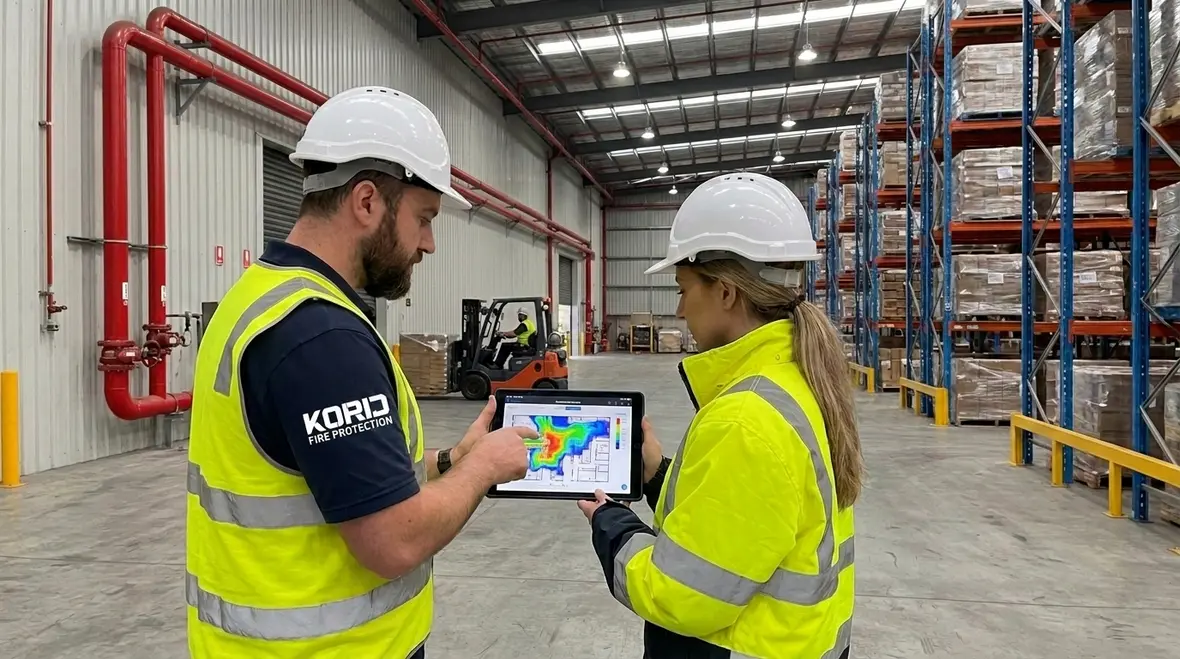
Performance based fire modeling studies heat release, smoke movement, visibility, tenability, and evacuation timing. It shows how long people have to move, where smoke may collect, and whether suppression systems can keep the fire under control. Because of that, it helps owners make decisions with evidence instead of hope. Hope is nice. It just does not pass audits.
The model can test many fire safety design scenarios, such as:
Fire Design Scenarios NFPA Teams Often Examine
Scenario 1: A fire starts in a storage zone with limited access.
Scenario 2: Smoke spreads through a retail concourse before full evacuation.
Scenario 3: A fire impacts mechanical plant and cuts off critical systems.
Scenario 4: A delayed response increases temperature and smoke buildup in a tall space.
Each case gives the design team a better view of risk. As a result, the final fire protection plan can balance detection, suppression, smoke control, compartmentation, and evacuation in a smarter way.
What the Modeling Helps Teams Verify
A good model is not there to look impressive in a report. It is there to answer practical questions. Can people still see exit paths? Does smoke banking threaten evacuation routes? Will suppression activate quickly enough? If one system underperforms, does another layer still carry the load? These are the questions that matter when a facility is trying to protect life, reduce downtime, and avoid expensive surprises after handover.
That same logic lines up well with Kord Fire Protection’s broader guidance on engineered fire protection systems, where system choices are shaped around building specific hazards instead of one size fits all assumptions.
Why These Scenarios Matter for Australian Facilities
Across Australia, many facilities face changing use patterns, tight floor plans, and pressure to keep operations running. Industrial and commercial sites often carry high value stock, electrical loads, flammable goods, or critical equipment. Retail sites must also manage public movement, tenant fit outs, and busy trading hours.
Because of that, fire safety design scenarios help bridge the gap between code compliance and business continuity. They can show where a fire protection upgrade gives the most value. They can also reveal where a small change in layout, door control, alarm timing, or suppression coverage improves safety significantly.
This is especially important when facilities evolve over time. A space that started as low hazard storage can become operationally dense, equipment heavy, and far more vulnerable without anyone formally updating the original assumptions. Fire strategy should keep pace with reality. Otherwise, the building changes while the protection philosophy stands there pretending it is still 2019.

What a Good Scenario Study Checks
Technical Focus
Fire growth rate
Smoke spread path
Evacuation time
Tenability limits
Sprinkler response
Compartment failure risk
Business Outcome
Safer occupants
Lower loss risk
Better uptime
Smarter capex choices
Clearer compliance support
Stronger stakeholder confidence
How Kord Fire Protection Becomes a Vital Partner
Kord Fire Protection can add real value by bringing design, testing, and practical fire system knowledge into one place. A performance based approach needs more than theory. It needs a partner that understands how systems work in the field, how compliance demands are applied, and how a design can stay workable during construction and operation.
That support matters at every stage. First, Kord Fire Protection can help define the right fire safety design scenarios. Then it can support the interpretation of performance based fire modeling results. After that, it can help turn those findings into system recommendations that suit the building, the budget, and the operational goals. In short, the job moves from “what if” to “here is what should happen.”
Teams looking for more code context can also benefit from Kord Fire Protection’s article on NFPA 1: A Comprehensive Guide to Fire Prevention and Safety, which complements scenario based planning with broader prevention principles.
Where the Service Adds Value From Start to Finish
It starts with a site review and hazard check. Next, the team identifies the likely fire scenarios and the key performance goals. Then, the model tests those scenarios against the building design. Finally, the findings guide system design, upgrades, and documentation.
That process helps owners and managers avoid overdesign in some areas and under protection in others. It also gives project teams a cleaner path through approvals and internal sign off. For busy facilities, that is no small thing. No one wants a fire strategy that looks great on paper and turns into a headache on site.
What Decision Makers Should Look For in a Scenario Based Fire Strategy
A strong fire strategy should match the building use, the occupants, the assets, and the local compliance path. It should also explain why each scenario matters and how each protective measure supports the result. If the report feels vague, the risk stays vague too. And vague is not a great place to hang a multimillion dollar asset.
Decision makers should ask whether the strategy addresses smoke movement, occupant travel paths, suppression reliability, and the effect of system failure. They should also ask whether the design supports future changes in use. Since many industrial and commercial sites evolve over time, the plan should not freeze in the past like a forgotten office printer.
Questions Worth Asking Before Sign Off
Does each scenario reflect the building’s actual hazard profile?
Are evacuation assumptions realistic for peak occupancy conditions?
Have smoke control and suppression interactions been tested clearly?
What happens if a critical system responds late or becomes impaired?
Can the strategy still work if the building use changes in the next few years?
FAQ
Conclusion
NFPA 1 Section 5.4 gives facilities a smarter way to manage fire risk through clear, tested fire design scenarios NFPA style. For Australian industrial, retail, and commercial sites, Kord Fire Protection can help turn performance based fire modeling into a practical plan that protects people, assets, and uptime.
When the stakes are high, the right partner makes the difference. Contact Kord Fire Protection to move from code awareness to real protection.

Join Our Newsletter!
Get the latest fire safety tips delivered straight to your inbox From our Newsletter.