NFPA 10 Section 3.4 Fire Extinguisher Types Explained
Quick Answer
NFPA 10 Section 3.4 gives the official names and meanings of fire extinguisher types, so teams can match the right extinguisher to the right fire risk. For industrial, retail, and commercial sites, that clarity supports safer response, better compliance, and fewer costly mistakes. Kord Fire Protection can help make that process practical, reliable, and ready for audit.
If you want to connect those definitions to real field support, Kord Fire’s fire extinguisher service and certification expertise fits naturally into the conversation. It is one thing to know what each extinguisher type means. It is another thing entirely to have the right units installed, tagged, inspected, and not quietly hiding behind a stack of boxes like they have joined a witness protection program.
Understanding Fire Extinguisher Types in NFPA 10 Section 3.4
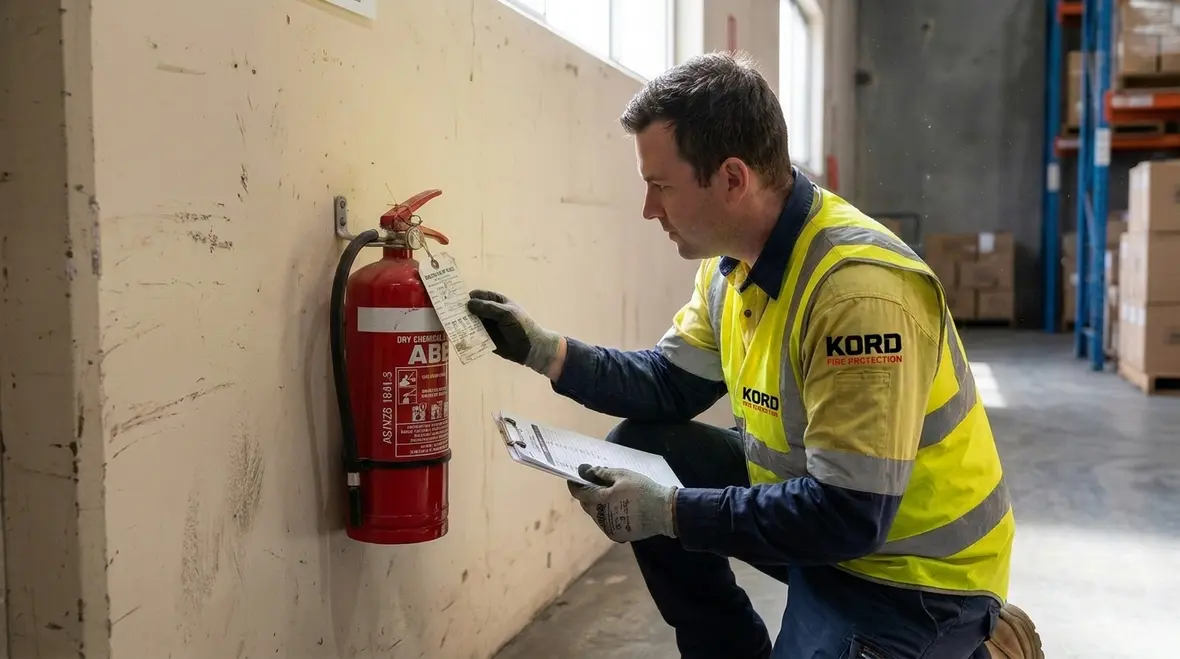
In the world of fire safety, Understanding Fire Extinguisher Types is not trivia. It is the difference between fast control and a very bad day. NFPA 10 Section 3.4 sets the official definitions that explain how extinguisher types are classified, identified, and used. For industrial, retail, and commercial facilities, that matters because the wrong unit on the wall can turn a small incident into a full scale shutdown. Nobody wants a hero moment that ends with a compliance headache.
These definitions help businesses align equipment with fire classes, site risks, and response plans. They also support training, inspection, and maintenance decisions. As a result, site managers can make choices that are clear, defensible, and easier to audit. In practice, that means less guesswork and more control.
Why the definitions matter more than the label on the cylinder
A fire extinguisher is not just a red canister with good intentions. The type tells users what extinguishing agent is inside, what kind of fire it is built to fight, and what kind of trouble it should avoid. That matters for everyone from facility managers to maintenance supervisors to the unlucky person who spots smoke first. When definitions are clear, response gets faster, purchasing gets smarter, and inspections become less of a scavenger hunt.
What NFPA 10 Section 3.4 Means for Businesses
Section 3.4 does not just label extinguisher types for the sake of tidy paperwork. Instead, it gives a common language for fire safety teams, contractors, and compliance staff. That shared language helps everyone talk about the same equipment in the same way, which is handy when time is short and the smoke is not.
For businesses, this is useful when reviewing hazards in warehouses, workshops, kitchens, plant rooms, loading docks, and sales areas. It also helps during inspections, because staff can verify that each extinguisher matches the expected fire risk. Therefore, the business reduces confusion, improves readiness, and supports safer emergency action.
That same clarity also makes documentation less painful. When site maps, maintenance logs, and training notes all use the same terminology, audits move more smoothly. The result is not glamorous, but it is beautiful in its own administrative way.
How the Official Definitions Support Site Safety
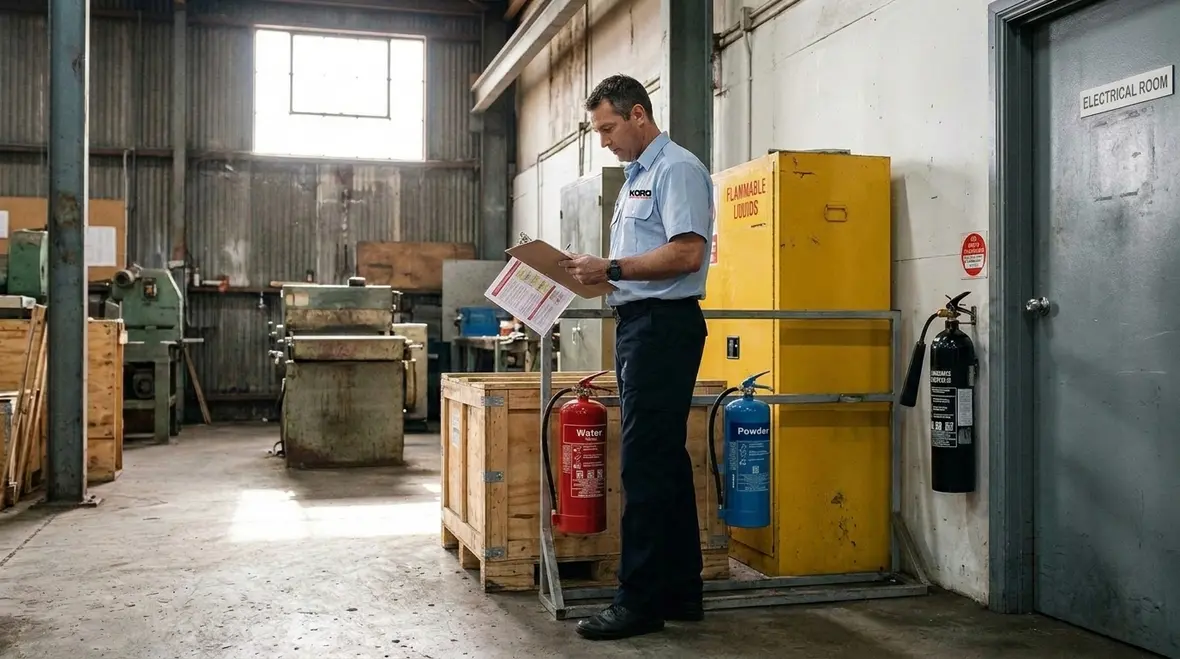
Official extinguisher definitions help facilities avoid a common problem: treating all extinguishers as if they do the same job. They do not. Some are built for ordinary combustibles, while others suit flammable liquids, electrical risks, or metal fires. In addition, the wrong choice can spread the hazard or make cleanup worse.
When a site uses the correct type, staff can respond with more confidence. That confidence matters because emergency decisions often happen in seconds. Furthermore, clear definitions help safety officers explain why certain units sit in certain places. It is easier to train teams when the logic is simple and the labels match the actual risk.
A smarter way to think about readiness
Readiness is not just owning extinguishers. It is placing the correct types where the hazards actually live, keeping access clear, and making sure employees know what each unit is for. A beautifully serviced extinguisher in the wrong location is still a problem. It is simply a neat and tidy problem.
Understanding Fire Extinguisher Types by Hazard Class
Here is the practical side of Understanding Fire Extinguisher Types. The extinguisher must match the fire class and the fuel involved. That is the core idea behind the standard, and it is where many businesses either get it right or get a very expensive lesson.
| Fire risk | Typical extinguisher use |
| Ordinary combustibles | Paper, timber, fabric, packaging, and general goods in retail or storage areas |
| Flammable liquids | Fuel, oils, solvents, and chemical handling zones in industrial settings |
| Electrical equipment | Switchboards, machinery, server rooms, and powered assets where live equipment may be involved |
| Special metal risks | Specific industrial processes where reactive metals can ignite |
This table shows why one size does not fit all. A site may need several extinguisher types across different zones. Therefore, the fire safety plan should follow the actual hazards, not a general assumption. That is how businesses keep response practical and compliant.
It also explains why site walkthroughs matter. Hazards change when production lines move, stock levels grow, server rooms expand, or kitchen equipment gets upgraded. If the layout changes but the extinguisher plan does not, the site slowly drifts out of sync.
For readers who want a broader maintenance angle, Kord Fire’s article on professional extinguisher servicing and liability adds useful context on why correct selection and proper upkeep belong in the same conversation. Compliance has a funny habit of showing up with paperwork right after neglect has had its moment.
Why Compliance and Maintenance Matter Together
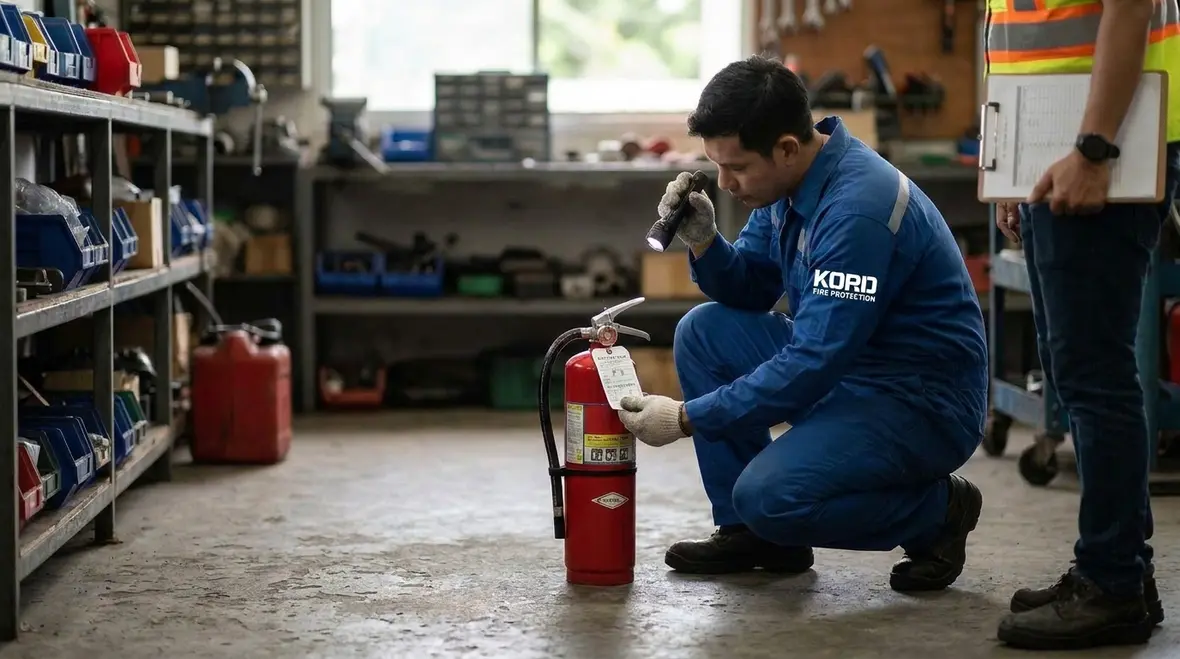
Compliance is not just about hanging equipment on a wall and hoping for the best. It depends on installation, inspection, service, and clear records. Because of that, extinguisher type must stay linked to ongoing maintenance. If a unit is damaged, missing, expired, or swapped into the wrong area, the site loses part of its protection.
Regular checks also help confirm that signage, access, pressure, tags, and placement remain in good order. In busy commercial and industrial sites, equipment can get blocked, moved, or ignored. The fire extinguisher may be patient, but the compliance auditor will not be. So, routine service keeps the whole system honest.
Maintenance keeps the definitions meaningful
Definitions tell you what belongs on site. Maintenance confirms it is still there, still suitable, and still usable. Without regular service, even a well designed extinguisher plan becomes a collection of assumptions in brackets. That is not a great emergency strategy.
How Kord Fire Protection Can Help with the Job
Kord Fire Protection can become a vital partner for businesses that need fire equipment support. Their role can include helping sites assess risks, choose suitable extinguisher types, and keep servicing aligned with compliance needs. That support is especially valuable for facilities with mixed hazards, multiple buildings, or fast moving operations.
In addition, a skilled fire protection partner helps reduce downtime. They can simplify inspections, plan maintenance visits, and help staff understand what each extinguisher does and where it belongs. For managers balancing safety, operations, and budget, that kind of support is gold. Not flashy gold. The useful kind.
If your facility also includes higher risk areas where extinguishers are only part of the protection picture, Kord Fire’s fire suppression services show how broader system planning can support hazardous zones more effectively. Some risks need more than a wall mounted backup plan and a hopeful glance.
Why Clear Extinguisher Types Improve Training and Response
Training works better when the equipment makes sense. Staff remember information more easily when the extinguisher name, colour coding, and use case all line up with the site layout. As a result, response becomes quicker and less uncertain.
Clear type definitions also support better drills. During practice, teams can learn where each extinguisher sits, when it applies, and when to evacuate instead of fighting the fire. That last part is important. No one needs a dramatic soundtrack in the middle of a loading dock.
Good training also removes the dangerous assumption that any extinguisher will do in a pinch. It will not. People perform better under pressure when the plan is simple, repeated, and tied to real site conditions rather than vague safety posters that everyone stopped reading three lunch breaks ago.
FAQ
Move from Definitions to Action
Understanding Fire Extinguisher Types is only useful when it leads to safer decisions on site. For industrial, retail, and commercial facilities, NFPA 10 Section 3.4 offers the clarity needed to match equipment to real risk. Kord Fire Protection can help turn that clarity into day to day protection, dependable servicing, and smoother compliance.
The practical takeaway
The best time to prepare is before the alarm ever sounds. When extinguisher definitions, placement, maintenance, and training all line up, businesses gain a safer workplace and a much better chance of avoiding expensive mistakes. Calm planning beats panicked improvisation every single time.

Join Our Newsletter!
Get the latest fire safety tips delivered straight to your inbox From our Newsletter.