NFPA 10 Section 1.3 SI and USC Units for Fire Extinguisher Compliance
Quick Answer
NFPA 10 Section 1.3 allows both SI and USC units when applying fire extinguisher rules, which helps teams work across global and local standards without guessing. For industrial, retail, commercial, and facility sites, this matters because unit mix ups can cause missed inspections, bad sizing, and compliance trouble. A skilled partner like fire extinguisher service and certification support from Kord Fire Protection can help keep records, labels, and service work aligned.
If your site also needs a broader compliance strategy, Kord Fire’s full fire protection services can tie extinguisher work into a larger inspection and maintenance plan without making your week feel longer than it already is.

NFPA 10 Section 1.3: Why Units Matter in Fire Extinguisher Compliance
NFPA 10 fire extinguisher requirements are built to keep fire protection clear, consistent, and workable in the real world. Section 1.3 matters because it tells users that the standard may use either SI units or USC units. That may sound like a small detail, yet it can shape how a site reads extinguisher ratings, spacing, and service data. In practice, it helps facilities deal with systems, labels, and documents that may come from different sources. After all, fire safety should not feel like a plot twist from a bad thriller.
Why This Small Section Carries Big Practical Weight
The reason Section 1.3 matters so much is simple. Compliance work lives and dies by details. One inspection report may list travel distance in feet. A contractor note may use metres. A manufacturer sheet may switch to pounds or gallons. Each number might be accurate on its own, but if the team reading it does not track the unit system correctly, the result can be sloppy interpretation and even sloppier field decisions. That is how a standard that looks straightforward on paper suddenly turns into a guessing game with a clipboard.
Good compliance teams do not guess. They confirm what unit they are looking at, compare it to the site requirement, and document it in a consistent format. That discipline matters during inspections, service visits, audits, replacements, and layout reviews. It also matters when dealing with outside vendors, especially if equipment or documentation arrives from different markets.
What Section 1.3 Actually Means for Site Teams
Section 1.3 does not change the fire safety goal. Instead, it sets the rule for measurement language. SI units use metric values such as metres, kilograms, and litres. USC units use feet, pounds, and gallons. Because of that, a site team must know which unit applies to a tag, a label, a service report, or a layout drawing. If they mix the two without care, they may misread extinguisher placement or capacity data. That can lead to poor decisions, and compliance teams rarely enjoy surprises.
Where Teams Usually Get Tripped Up
Most confusion does not start with the extinguisher itself. It starts with the paperwork around it. A technician reads one distance off a plan, a supervisor checks another distance on a form, and the asset register uses a third style because nobody updated the template since ancient times. Suddenly everyone is speaking fire safety, but not the same dialect. Section 1.3 helps create a common starting point by recognizing both systems, while still requiring people to pay attention to which one they are using.
This matters because a small unit error can create a big field problem. A bracket position, service note, or extinguisher rating may look fine on paper. However, once the crew walks the site, the wrong unit can send them in the wrong direction. Nobody wants that kind of comedy.

How NFPA 10 Fire Extinguisher Requirements Affect Real Sites
Industrial, retail, and commercial sites often work with local codes, national practices, vendor instructions, and internal safety policies all at once. Therefore, NFPA 10 fire extinguisher requirements can appear in imported equipment documents, training manuals, maintenance records, or audit files. Section 1.3 helps these sites handle mixed unit systems without confusion. It also supports better communication between owners, contractors, safety officers, and maintenance teams.
For teams that operate mostly in metric, SI units usually feel more natural in daily work. Distances, weights, and dimensions are easier to read when they match the rest of the site documentation. Still, overseas product data may arrive in USC form, and someone has to translate that into clear action. That translation needs to be accurate, consistent, and documented so the next person reviewing the file does not have to play detective.
Examples of Where Unit Confusion Shows Up
The most common trouble spots are not dramatic, which is exactly why they get missed. Mounting heights can be noted one way on a service sheet and another way on a wall plan. Travel distances can be reviewed during an inspection using a different system than the original layout. Capacity references can appear on a label in one unit set while internal records store a converted value. None of this sounds exciting, but compliance problems usually are not exciting until the audit starts asking questions.
That is also why teams benefit from using a consistent reporting style. If your site chooses to store everything in one primary format while still noting source measurements from manufacturers or standards, it becomes far easier to keep the story straight over time. Clean records save time, reduce arguments, and make inspections far less annoying.
Where Compliance Problems Usually Start
Most issues begin with poor record control. For example, one document may show metric distances while another uses imperial values. Then the inspection team may compare apples with oranges and call it a day. In reality, the trouble often comes from old site drawings, supplier labels, or copied service sheets. Some teams also assume a measurement is obvious when it is not. As a result, they may miss extinguisher mounting height, travel distance checks, or asset register updates. Strong document control prevents these gaps before they grow teeth.
Record Keeping Is Not Glamorous, But It Wins Audits
A strong compliance program usually has a few habits in common. It labels documents clearly, standardizes templates, checks source units before copying numbers, and makes sure technicians record information in a format the site actually uses. It also keeps old forms from hanging around like uninvited party guests. When those habits are missing, even a well maintained extinguisher program can look messy on paper.
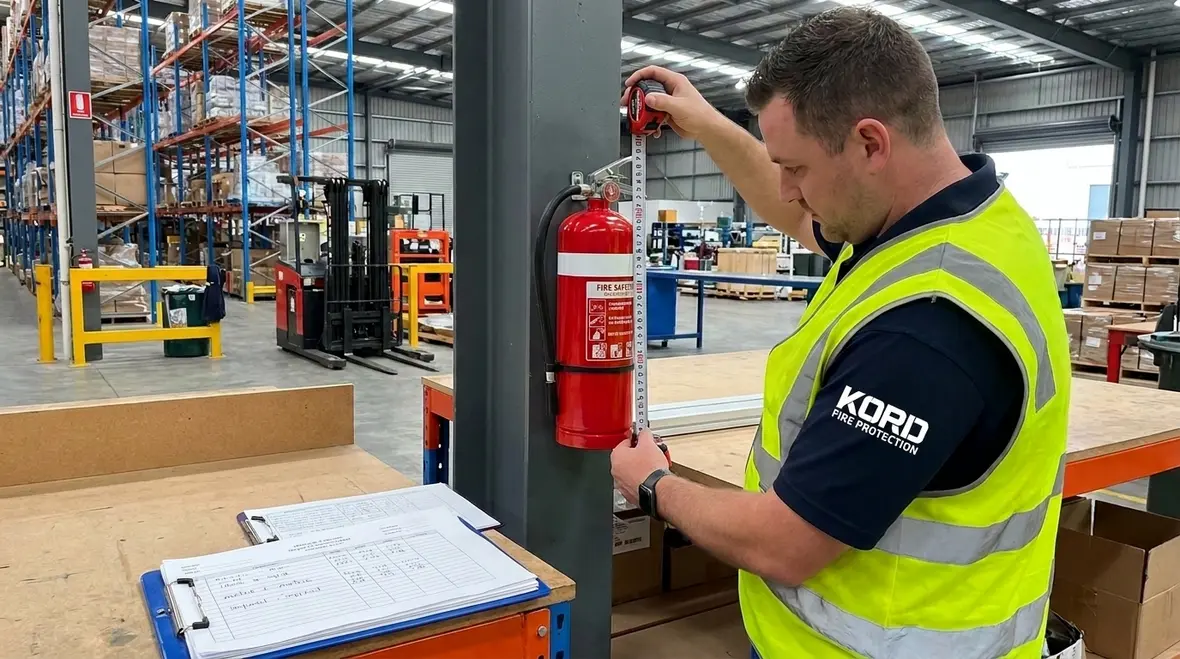
Consistency is the real hero here. If every service note, inspection checklist, and asset record follows the same unit logic, then the site becomes easier to manage and defend during compliance reviews. That does not mean every source has to start in the same system. It means the final record has to be clear enough that nobody mistakes inches for millimetres or feet for metres while standing in front of the equipment.
How Kord Fire Protection Supports Fire Extinguisher Code Compliance
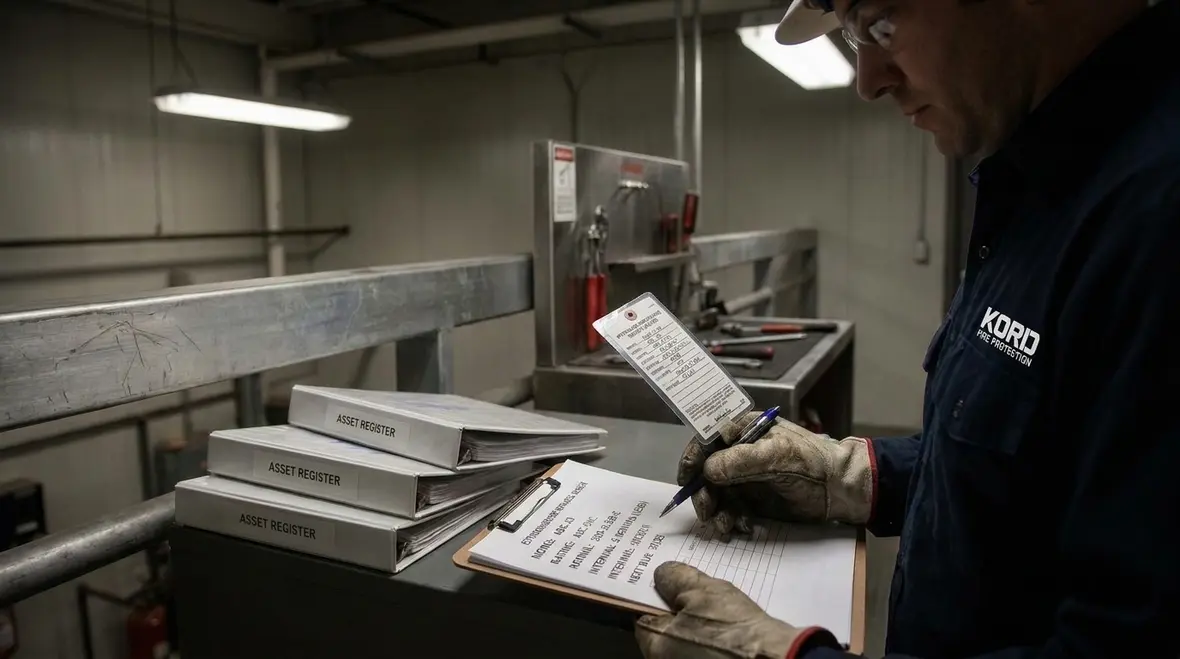
Kord Fire Protection can become a vital partner because compliance work needs more than a quick service visit. It needs clear checks, correct unit use, and careful record keeping. Kord Fire Protection can help sites manage inspections, service schedules, asset tagging, and reporting in a way that aligns with NFPA 10 fire extinguisher requirements. In addition, their support can reduce unit confusion when teams work across metric and imperial references. That means fewer mistakes, better audit readiness, and less stress when the compliance clock starts ticking.
Their extinguisher team offers inspection, maintenance, recharge, hydrostatic testing, replacement, and certification support, which makes them a practical fit for facilities that need more than a once a year glance at the tags. If a site is trying to keep multiple extinguisher types, locations, and service histories organized, experienced help is not a luxury. It is often the difference between a smooth inspection and an awkward meeting where everyone stares at conflicting paperwork.
For teams reviewing standard guidance, it also makes sense to reference Kord Fire’s related article on NFPA 10 portable fire extinguishers guidelines so internal training and service planning speak the same language.
Why Partnering Helps Industrial and Commercial Facilities
Large sites often juggle warehouses, workshops, retail floors, plant rooms, and office areas. Therefore, they need a fire protection partner that understands how each part of the site works. Kord Fire Protection can support this by helping teams keep extinguisher types, locations, and service intervals in order. It also helps when staff turnover is high, because a good partner keeps the system steady even when people change. Think of it like a calm co pilot who actually reads the manual.
That kind of support becomes even more useful when multiple stakeholders touch the same compliance records. Operations wants minimal disruption. Safety wants clarity. Management wants audit readiness. Service technicians want information that actually makes sense. A capable partner helps all of those groups pull in the same direction instead of turning a basic inspection program into a bureaucratic obstacle course.
What a Good Compliance Service Should Cover
A solid service job should do more than tick boxes. It should check the extinguisher condition, confirm correct placement, verify service tags, and make sure all measurements are read in the right system. It should also support clear documentation for audits and site reviews. In many cases, this is where a professional partner adds real value. They do not just service equipment. They help a business stay ready, stay clear, and stay compliant without turning every inspection into a scavenger hunt.
A Practical Checklist for Better Unit Control
- Use one primary unit format for internal records.
- Keep original manufacturer values visible when needed.
- Train teams to confirm units before comparing measurements.
- Standardize service templates and asset registers.
- Review old drawings and labels for mixed unit references.
- Make sure placement, capacity, and service notes match the same logic.
These steps are not flashy, but they prevent the kind of preventable errors that waste time and create doubt. In extinguisher compliance, confidence usually comes from boring things done correctly and repeated consistently. That may not inspire a movie deal, but it does make audits go much better.
FAQ
Conclusion
NFPA 10 Section 1.3 may look small on the page, yet it plays a big role in real compliance work. For industrial and commercial sites, the mix of SI and USC units can shape every inspection, every note, and every record that supports extinguisher readiness. When teams understand the unit system in front of them, they make better decisions and avoid errors that should never have had a chance to happen.
Kord Fire Protection can help keep that process clear, steady, and audit ready through documented service, inspection support, and consistent compliance practices. For sites that want fewer errors and better control, the next move is simple: bring in a partner that knows the standard, knows the field, and does not let unit confusion write the ending.

Join Our Newsletter!
Get the latest fire safety tips delivered straight to your inbox From our Newsletter.