Preventive Maintenance for Fire Pumps Routine Checks Australia
Quick Answer: Routine checks keep fire pumps reliable when it matters most. They catch small issues early, protect seals and bearings, confirm correct pressure and flow, and help owners avoid expensive failures. With skilled support, preventive maintenance for fire pumps becomes a calm, scheduled routine instead of an emergency surprise.
Fire protection systems cannot afford “wait and see.” That is why preventive maintenance for fire pumps needs to start as a habit, not a reaction. Routine checks extend the lifespan of fire pumps by spotting wear, correcting misalignment, tightening what has loosened, and verifying performance against the system demand. And yet many facilities treat inspections like paperwork to survive, rather than work that protects assets, people, and downtime budgets. That is where kord fire protection can step in as a vital partner, turning checks into a dependable program that fits commercial and industrial realities. After all, nobody wants their pump to “practice” during a real event. Like a drummer without sticks, it is fun in theory and painful in reality.
For sites that need scheduled support beyond one-off testing, Kord Fire Protection’s fire pump service page is a natural starting point because it covers inspection, repair, maintenance, and testing in one place. It fits neatly with the idea behind this article: routine service is far more useful when it lives inside a repeatable plan rather than a last-minute scramble.
Why routine checks add years to pump service
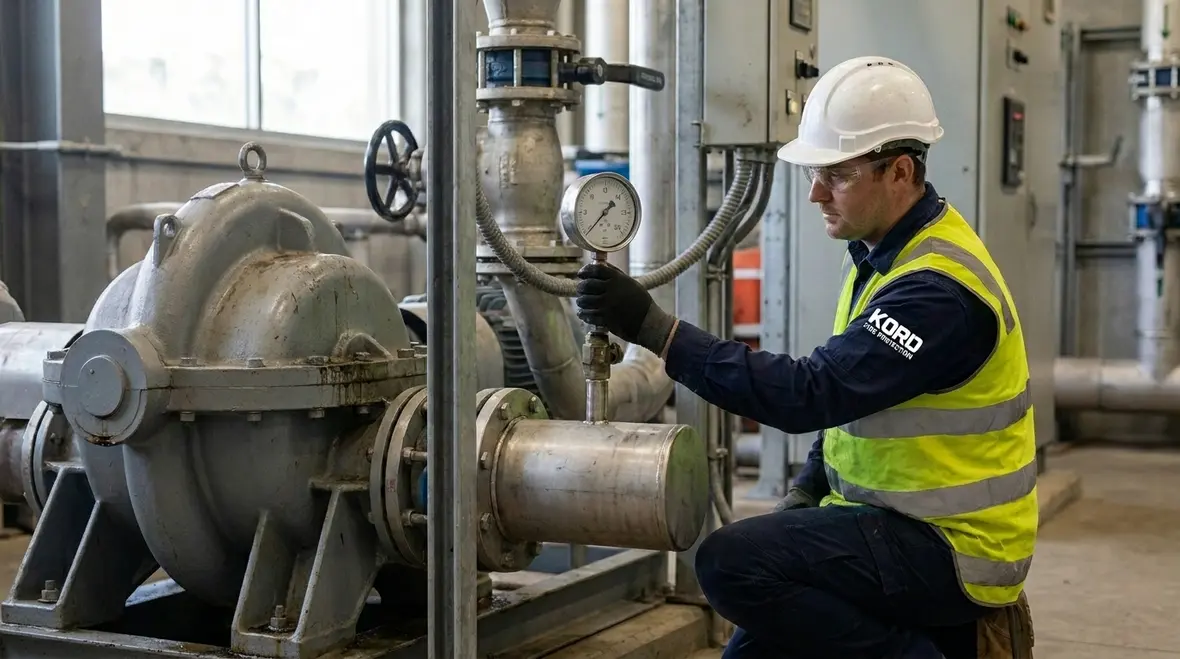
Fire pumps work in harsh conditions: vibration, heat cycles, dust, occasional humidity, and long periods of standby. Therefore, routine checks matter because they address the small things that snowball. When technicians inspect components at set intervals, they can reduce sudden failures and keep performance stable. Kord Fire Protection makes this practical rather than theoretical by tying inspections to real operating conditions and documented results, which helps teams see what is changing before the pump decides to make a dramatic entrance.
For example, routine measurement of vibration and operating sound often reveals bearing wear before it becomes a seized motor moment. Similarly, checks of suction conditions help prevent cavitation, which can erode impellers and shorten pump life. In other words, good monitoring acts like a slow head start. It does not fix everything at once, but it stops the big problems from forming in the first place. That is exactly why a structured service program beats improvisation. Fire pumps are many things, but “surprise me” should not be one of them.
Small corrections now beat major repairs later
A slightly loose connection, a subtle change in gauge behavior, or a little extra vibration may seem harmless on one visit. Over time, though, those little warnings can stack up into overheating, poor starting, unstable pressure, and component damage. Routine checks catch those early signs while the fix is still simple. That means less emergency labour, less disruption, and far fewer conversations that begin with “everything was fine yesterday.”
What routine inspections catch before failure starts
Proper checks cover both the pump and the system around it. As a result, technicians verify that the pump can actually deliver fire flows and pressures under real conditions, not just on paper. That distinction matters more than many people expect. A neat report means very little if valves are in the wrong position, gauges are drifting, or the controller is not responding as expected.
Common items routine teams assess include:
- Pressure and flow performance to confirm the pump curve aligns with system needs
- Valve positions and valve function to avoid restricted flow paths
- Gauges and sensing devices for accurate readings during testing
- Seal condition and leakage to prevent overheating and water damage
- Alignment between motor and pump to reduce stress and wear
- Electrical checks including controls, insulation, and correct starting sequence
Then, the checks do not end with reading numbers. A good program records results, trends performance, and flags changes early. That is how facilities avoid the “everything looked fine last year” trap, which is basically the villain monologue of maintenance. It also gives managers something much more useful than guesswork when budgets, parts planning, and repair timing come up for discussion.
How testing and servicing protect seals, bearings, and impellers
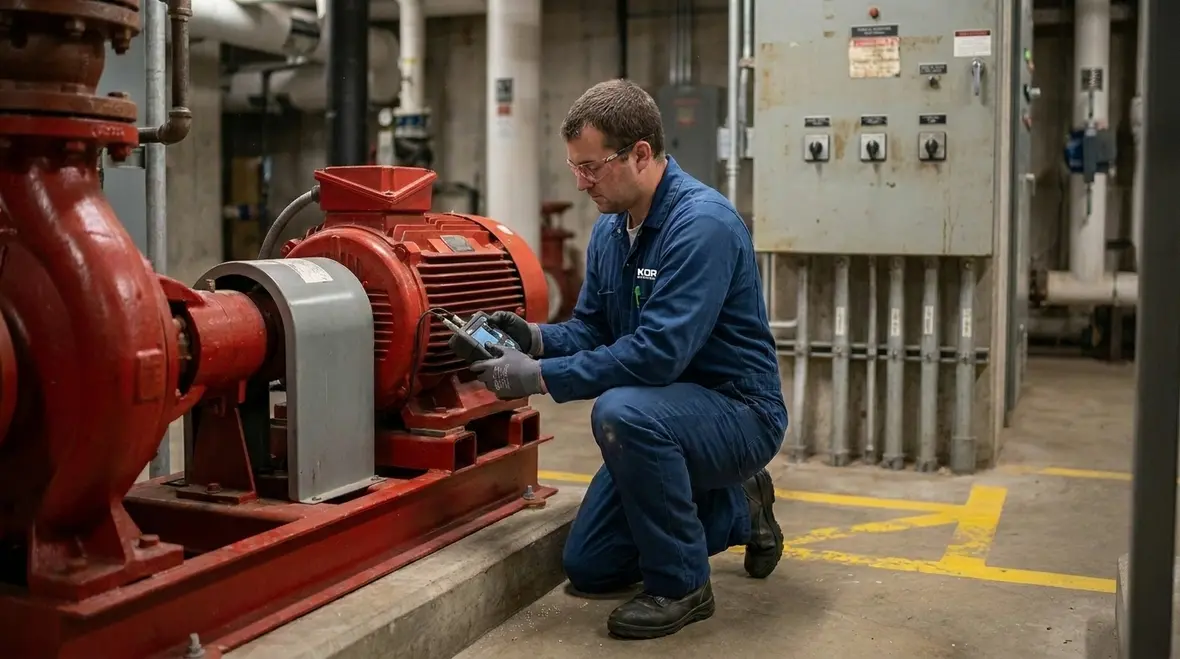
Seals, bearings, and impellers typically suffer first when small defects appear. Therefore, routine maintenance for fire pumps targets these areas with both visual and functional verification. For instance, seal inspection helps identify early wear, hardening, or damage from contamination. If seals degrade, they can cause leakage that increases bearing load and raises the risk of overheating.
Likewise, bearing checks using vibration analysis can show imbalance, misalignment, or lubrication issues. And lubrication is not a “someday” task. When lubrication schedules slip, bearings do not wait politely. They wear, then they complain loudly through noise and heat. A disciplined service routine gives technicians the chance to act while the problem is still in its grumpy phase, not its catastrophic one.
Finally, impeller health depends on clean suction and good flow conditions. Routine checks can identify debris, air entrainment, or suction problems that lead to cavitation. Cavitation sounds harmless, but it is not. It can pit metal and shorten lifespan quickly. When these conditions are caught early, facilities avoid damage that tends to show up at exactly the worst possible time, which is apparently one of maintenance law’s favorite hobbies.
Mechanical health depends on system health too
This is one of the easiest points to miss. A fire pump may be well built and correctly installed, yet still wear out early if the surrounding conditions are poor. Restricted suction, unstable power, dirty rooms, neglected valves, and drifting controls all place extra stress on rotating parts. In other words, protecting seals and bearings is not just about those parts themselves. It is about maintaining the whole operating environment around them.
Preventive maintenance for fire pumps across Australia: what changes by site
Industrial, retail, and facilities operators across Australia face different realities. Coastal sites deal with higher corrosion risk. Warehouses may see dust buildup. Hospitals, data suites, and critical retail corridors often demand minimal downtime and tight scheduling. Meanwhile, older buildings may have legacy components that require extra attention during routine checks.
Because of these differences, a reliable preventive maintenance plan uses site-specific schedules and documented baselines. Technicians can adjust test frequency based on duty cycle and environmental factors. They also coordinate around operational constraints, so fire pump testing does not interrupt normal business like an unexpected fire drill movie scene. That tailored approach matters because one building’s “routine” can be another building’s disruption if timing, access, and risk are not taken seriously.
This is also where related technical guidance becomes useful. Kord Fire Protection’s article on fire pump power supply reliability for commercial buildings helps explain how dependable electrical support shapes overall pump readiness. It connects neatly with routine maintenance because even a healthy pump still needs a stable power path, correct controls, and verified starting behavior to do its job.
Why documentation and trending keep systems reliable
Routine checks extend lifespan, but documentation extends confidence. When kord fire protection supports a program, it typically emphasizes clear records, test results, and maintenance history that facility teams can use for audits and decision making. That paperwork is not decorative. It becomes the running memory of the system, especially when site staff, budgets, or priorities change over time.
Additionally, trending helps spot patterns that one-off checks miss. If discharge pressure gradually drops, it may indicate valve friction changes, impeller wear, or suction restrictions. If start times increase, it may signal control adjustments or motor performance drift. When technicians record these trends, they can plan repairs before they turn into outages.
In the real world, this matters for procurement and budgeting. Instead of replacing major parts on short notice, facilities can plan parts and labour around maintenance windows. That is less chaos and more control, which is the dream most maintenance managers keep under the desk for dark rainy days. It also improves communication between operations, compliance, and service teams because everyone can point to the same history rather than trading opinions in the pump room.
How kord fire protection becomes a vital partner in the service
A pump does not exist alone. It connects to valves, controllers, alarms, power supplies, tanks, pipework, and test points. Because of that, kord fire protection can act as a vital partner by managing the full service workflow: inspection planning, testing support, reporting, and follow-up actions that maintain system readiness.
To make this easy to visualize, here is a quick two column view of how routine checks typically flow:
Routine Check | What It Protects |
Pressure, flow, and gauge verification | Delivery performance and accurate fire demand response |
Valve inspection and operation checks | Unrestricted flow paths and correct system status |
Seal, bearing, and vibration monitoring | Reduced wear, overheating risk, and premature component failure |
Electrical and controller checks | Reliable starts, correct sequences, and stable operation |
When kord fire protection aligns preventive maintenance for fire pumps with your site demands, the result is less guesswork. It also helps teams respond faster because they already have records, trends, and recommendations ready to act on. That kind of readiness is not flashy, but it is exactly what keeps a fire protection program dependable when pressure is high and patience is low.
Built-in readiness: how routine schedules reduce downtime risk
Facilities do not just need pumps that work. They need them to work without disrupting operations. Routine checks help because they spread maintenance tasks across a calendar, instead of stacking them into one painful shutdown. Technicians can replace small wear items early, keep spare parts ready, and schedule work around production peaks.
Furthermore, routine testing improves commissioning quality and ensures the pump remains aligned with system changes. If a site upgrades pipe runs, adds storage, or changes water supply arrangements, performance verification becomes essential. Otherwise, the pump can become like a well trained employee sent to the wrong location. Same skill, wrong outcome.
This same idea shows up in Kord Fire Protection’s article on routine fire pump inspections and their importance, which reinforces how regular testing and maintenance support reliable performance over time. The message is consistent for good reason: readiness is built through repetition, records, and disciplined follow-through, not crossed fingers and hopeful glances at the controller.
FAQ
Conclusion
Routine checks extend fire pump lifespan by preventing wear, protecting seals and bearings, and keeping performance aligned with real fire demand. When a facility builds preventive maintenance for fire pumps into a steady plan, it reduces downtime risk and protects critical operations. That alone makes routine service worth taking seriously instead of treating it like a calendar chore with a clipboard.
kord fire protection can help turn inspections into a coordinated service program with clear records and actionable recommendations. If you want fewer surprises and stronger reliability, it is time to book an assessment through Kord Fire Protection’s fire pump service team and move from reactive fixes to planned readiness.

Join Our Newsletter!
Get the latest fire safety tips delivered straight to your inbox From our Newsletter.