Fire Extinguisher Selection Guide by Kord Fire Protection
Quick Answer: Matching the right fire extinguisher to the risks inside a facility prevents costly downtime and helps protect people, products, and compliance. First, teams use the Fire Extinguisher Selection Guide to map hazards to extinguisher types. Then they install, inspect, and train with support from kord fire protection.
In Australia, a facility does not fail during a quiet moment. It fails when the wrong protection sits in the wrong place, for the wrong hazard, in the wrong environment. That is why the Fire Extinguisher Selection Guide matters. In the first pass, it helps the facility team sort hazards into clear categories and choose extinguisher types based on what can actually burn. Then, it moves beyond “good enough” and builds a match that works during real seconds, not just during inspection day.
Because yes, fire safety can feel like standing in line at a theme park. Everyone is calmer once they know the right ride. And in this case, the ride keeps your business open.
Near the top of any smarter protection plan, it also helps to connect extinguisher decisions with broader full fire protection services so inspections, alarms, suppression, and emergency readiness all work together instead of acting like coworkers who only communicate through sticky notes.
How the Fire Extinguisher Selection Guide drives correct choices
Facilities across industrial, retail, and commercial sites face different fire loads, fuel types, and ignition sources. Therefore, the selection process starts with the Fire Extinguisher Selection Guide. It breaks decisions into practical steps that teams can follow even when the site manager is juggling deliveries, staff changes, and an overly enthusiastic forklift operator.
What teams should evaluate first
- What fuel is present, such as wood, textiles, plastics, oils, or solvents
- What size fire might start, based on room layout and ignition frequency
- Where the hazard sits, including kitchens, workshops, electrical rooms, and warehouse aisles
- Who uses the equipment during an emergency, including staff training level
Next, the process filters extinguisher types by safe agent choice. A water unit might cool some materials effectively, but it can create problems if the hazard involves electrical risks or certain flammable liquids. So, the guide does not just pick equipment. It reduces the chance of a “helpful” choice that makes things worse.
Choosing protection by hazard, not by habit
Many facilities install extinguishers based on what they used last time, what a contractor recommended, or what looks tidy by the exit. However, fire behaviour does not care what fits best in the budget spreadsheet. Fire follows fuel, oxygen, and heat. Therefore, a facility must select protection by hazard profile.
Common hazard categories facilities need to map
- Class A combustibles such as paper, cardboard, timber, and many general solids
- Class B flammable liquids such as fuels, oils, inks, and some cleaning solvents
- Class C gases, where applicable in specific commercial operations
- Class E electrical equipment risks, especially in switchboards and motor control areas
- Class F cooking oils and fats for food-related sites
Then, teams consider how hazards appear in daily operations. For example, retail stores might look simple, but seasonal stock changes, promotional displays, and back-of-house storage can shift risk. In industrial settings, process equipment, maintenance activities, and material handling create additional chances for early ignition. In both cases, the right extinguisher type improves the odds that first response can stop the incident before it grows.
And yes, the “quick grab” extinguisher should still match the hazard. Otherwise, staff will move like they are trying to open a jar with a paperclip. Possible, but not smart.
This is also where a dedicated fire extinguisher service and certification program earns its keep. Matching the agent is important, but keeping the equipment inspected, tagged, and ready is what turns a good plan into a useful one.
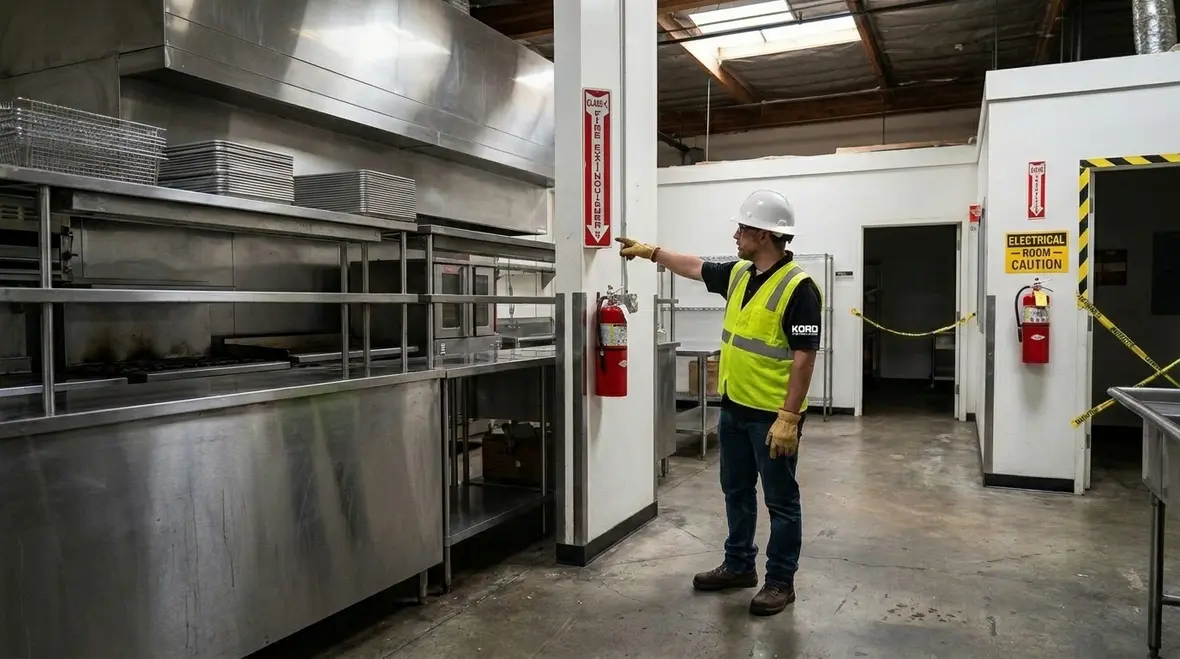
Location, visibility, and access during real emergencies
Even when the extinguisher type is correct, the installation must support fast, safe use. Therefore, the facility must choose mounting locations that staff can reach without stepping into a developing fire. It must also make extinguishers easy to spot under stress.
What a strong placement layout considers
- Clear paths to equipment, including around pallet stacks and aisle corners
- Placement near likely ignition points, not just in a “standard spot” every time
- Good visibility, including signage and lighting in warehouses and loading bays
- Accessibility for the people who will use it, including staff who are new or part time
In many workplaces, the extinguisher ends up behind equipment, blocked by temporary storage, or tucked so far around a bend that the fastest person arrives second. Next, that delay can turn a small event into a larger one. So, the best matching plan includes placement checks during walkthroughs, not just on paper.
Finally, the facility should plan for changes. Remodels, new racking, and shifting retail layouts can quietly move risk around. A site that updates equipment location when operations shift stays ready when it matters.
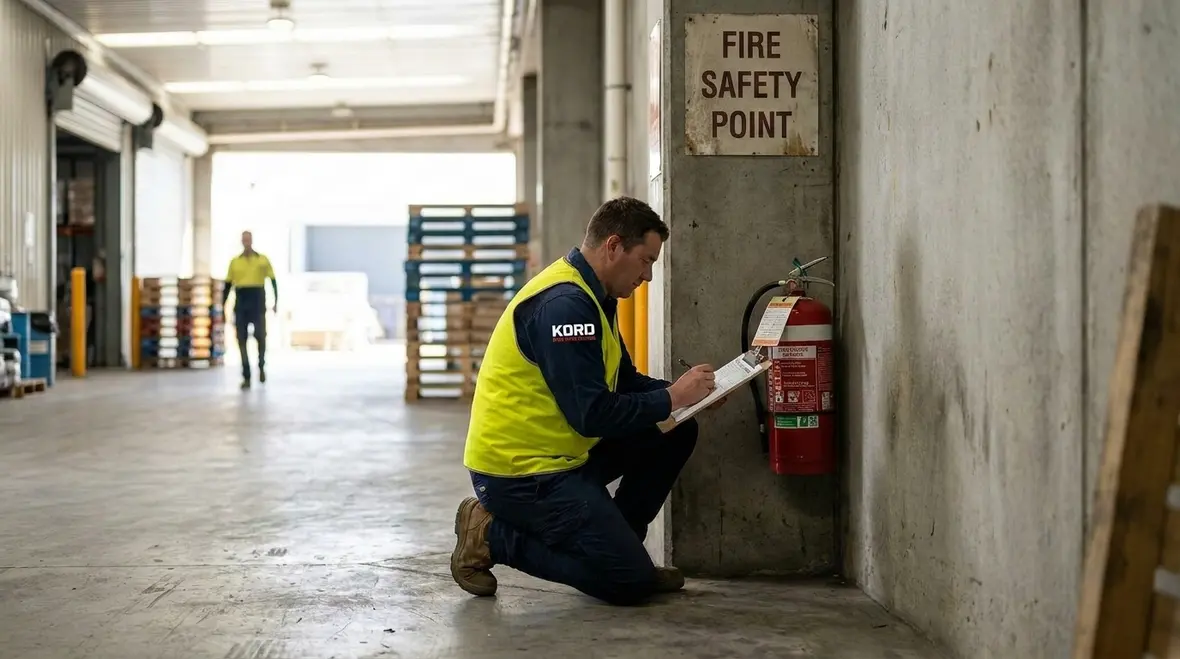
Why service, inspection, and training matter after installation
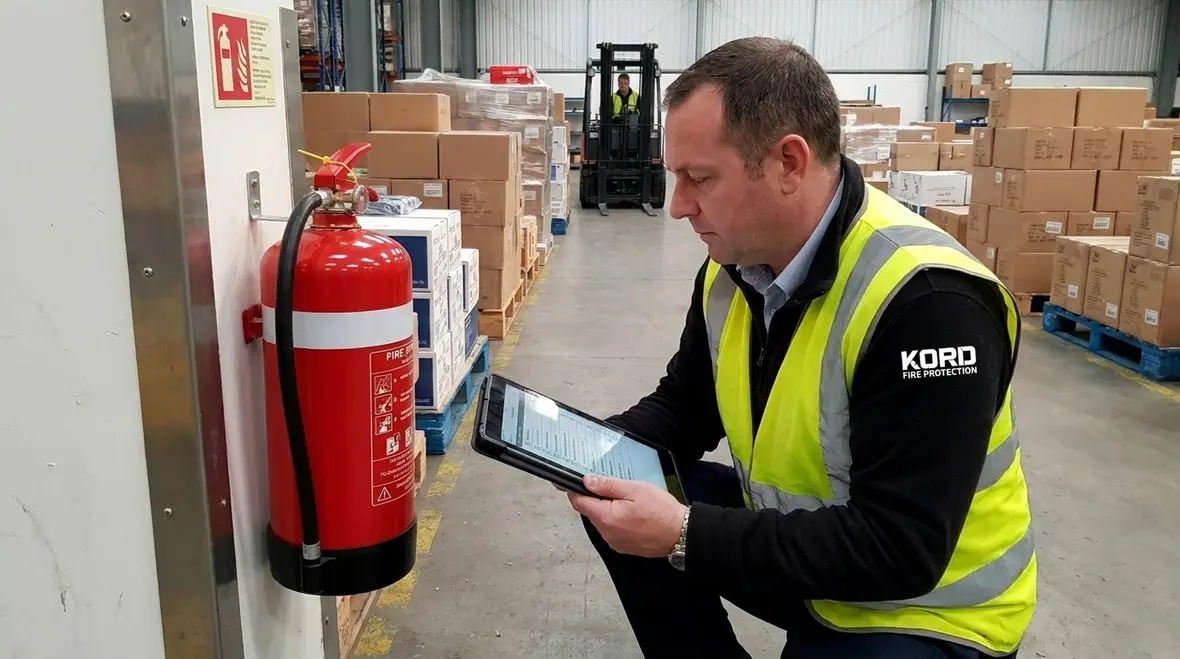
Fire protection does not end at purchase and mounting. Therefore, the facility must treat inspection and servicing as part of the system, like alarms and emergency lighting. If extinguishers fail, staff lose time and confidence, and the incident grows while everyone searches for a “maybe it works” option.
Good fire extinguisher management includes
- Scheduled inspections aligned to compliance expectations
- Correct maintenance records, so audits do not become stress festivals
- Pressure checks and verification that units remain ready
- Replacement of damaged, expired, or compromised equipment
- Practical staff training that matches local hazards
Training matters because people forget theory during emergencies. When the plan matches the hazard, and training covers the local layout, staff respond with less hesitation. In Australia, where many facilities operate with mixed teams, even a short, clear training session can raise performance.
Besides, fire response needs calm. When staff know where the extinguisher is and what it should put out, they act with purpose instead of panic, which usually makes the incident smaller. Smaller incidents mean less disruption, and that usually wins boardroom approval.
If alarm issues appear alongside extinguisher concerns, facilities can also route requests quickly through the fire alarm monitoring service request page, which helps keep response and documentation moving without unnecessary back-and-forth.
How kord fire protection becomes a vital partner
Choosing the right extinguisher is only half the job. The other half is making sure the system stays correct, visible, and compliant as the facility changes. That is where kord fire protection supports clients across industrial, retail, and commercial sites throughout Australia.
kord fire protection can help facilities stay aligned by pairing selection guidance with real world service. Instead of treating extinguishers like “set and forget” assets, the partnership focuses on practical readiness across your site.
What this partnership often includes
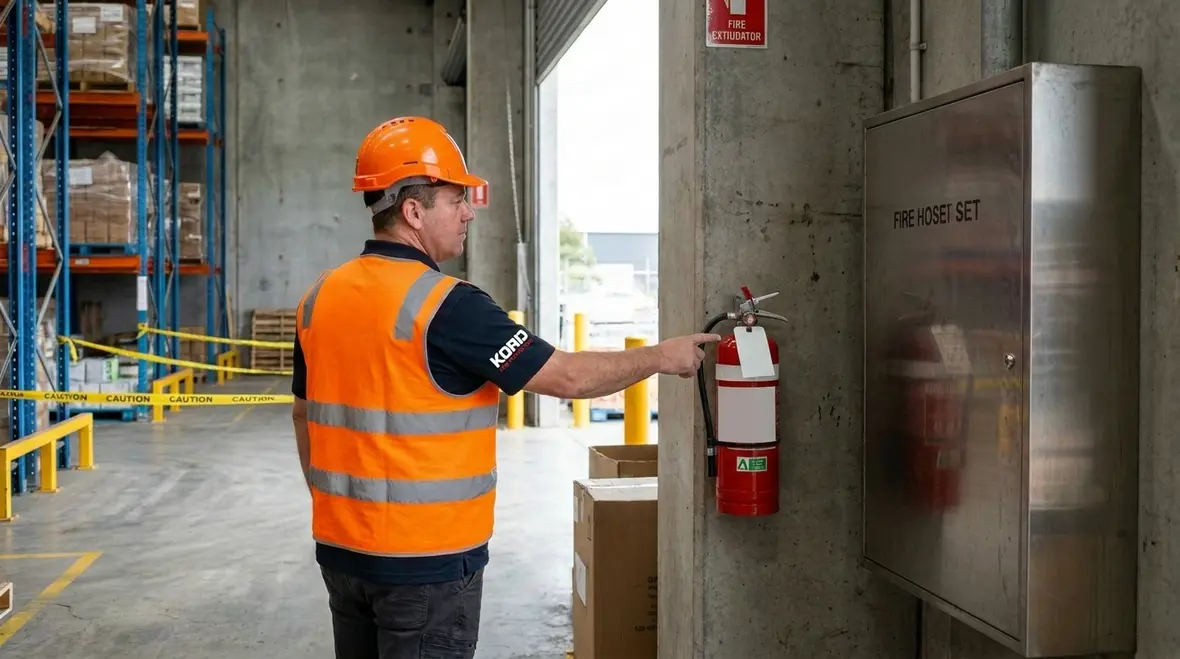
- Site walkthroughs that confirm extinguisher placement near actual hazards
- Maintenance scheduling and servicing to keep units in working order
- Support for staff awareness so teams know what to grab and when
- Documentation that helps reduce compliance uncertainty
- Updates when hazards change, such as new racking, stock shifts, or new processes
And look, nobody wakes up excited to manage fire equipment logs. However, when the service partner handles the routine work, facilities gain peace of mind. Then they can focus on operations instead of scrambling when an inspector asks for records.
Common mistakes that break the match
Even well-meaning teams can undermine the protection plan with avoidable mistakes. Therefore, it helps to check for patterns that show up across facilities.
Common issues that show up again and again
- Using the same extinguisher type across different hazards, even when fuel types change
- Placing extinguishers for convenience instead of access during smoke or heat
- Ignoring changes in layout, such as moved stock or renovated spaces
- Skipping inspections or letting maintenance lapse due to busy schedules
- Assuming staff training happened “once” and that it still holds
Another common problem involves electrical risks. If a facility treats all equipment like ordinary combustibles, first responders might select the wrong agent in a hurry. That choice can reduce effectiveness or increase danger. So, hazard mapping, placement checks, and ongoing service work together to keep the match real.
In short, a fire extinguisher should not be a lucky charm. It should be a designed tool.
FAQs about selecting and maintaining fire extinguishers
Ready to match your extinguishers and keep them ready?
A proper extinguisher match protects people, assets, and operating continuity. Yet matching without servicing and updates leaves gaps that fires love. If a facility wants the right protection today and the right readiness tomorrow, it should partner with kord fire protection. Contact them for a site-focused review and ongoing service support across your industrial, retail, and commercial spaces.
- Match extinguisher type to the actual hazard
- Keep units visible, accessible, and inspected
- Train staff for the layout they really work in
- Review placement when operations or storage change
- Use professional support to stay ready and compliant

Join Our Newsletter!
Get the latest fire safety tips delivered straight to your inbox From our Newsletter.