Smart Fire Sprinkler System Electronics for Faster Alerts
Quick answer: Smart fire sprinkler system electronics turn ordinary life safety hardware into a real-time monitoring tool. They can send alerts, track system status, and support faster decision making across industrial, retail, and commercial sites. With better visibility, teams reduce downtime and respond earlier, instead of learning about issues after the fact.
In Australia, facilities cannot afford “wait and see” when it comes to life safety. That is why fire sprinkler system electronics matter. They help convert a sprinkler system from a set of pipes into an actively monitored part of your building operations. And while the concept can sound as dramatic as a superhero origin story, the results are practical: steadier oversight, quicker alerts, and fewer surprises.
However, electronics do not work well in isolation. They need proper design, integration, and ongoing support. That is where Kord Fire Protection steps in, becoming a vital partner for this service and the day to day job of keeping protection systems dependable across demanding industrial and commercial environments. Near the start of that journey, many facilities also review Kord Fire Protection’s fire sprinkler system service options to make sure the physical system and the smart monitoring layer stay aligned from day one.
How smart sprinkler electronics elevate building monitoring
Traditional sprinkler monitoring focuses on whether the system signals an alarm after an event. In contrast, smart fire sprinkler system electronics improve building monitoring by adding status awareness before trouble becomes a crisis. For example, they can track conditions that often show up early, such as pressure drops, supervisory signals, tamper events, and device faults.
As a result, facilities gain more than notifications. They gain context. Instead of one vague alarm, teams can see what changed, where it changed, and how long it has been present. Then, during busy shifts, they can coordinate response with security, maintenance, and operations without guesswork.
In plain terms, the system starts behaving less like a smoke detector that only shouts “panic” and more like a calm site manager who keeps an eye on the details. That same logic also overlaps with Kord Fire Protection’s explanation of what fire alarm monitoring is and how it works, especially when a site wants signals to move from raw device activity into fast, useful response.
From passive hardware to active operational awareness
That shift matters because facilities rarely struggle with only one issue at a time. A busy industrial site may already be managing logistics, maintenance queues, contractor access, and production pressure. If the sprinkler system can report meaningful supervisory changes instead of staying silent until a major alarm, teams have more room to act early and keep the day from turning into a very expensive scavenger hunt.
What data the electronics actually track
Smart monitoring relies on device signals and system events. Therefore, the data typically falls into a few practical buckets.
Common monitoring inputs and outputs include:
- Supervisory status from valves and switches so teams spot abnormal positions early.
- Tamper and access events that show when panels or devices are disturbed.
- Flow and pressure indicators that help detect degrading performance over time.
- Trouble and fault reports that surface wiring, device, or communication issues.
- Alarm signals that trigger urgent response workflows.
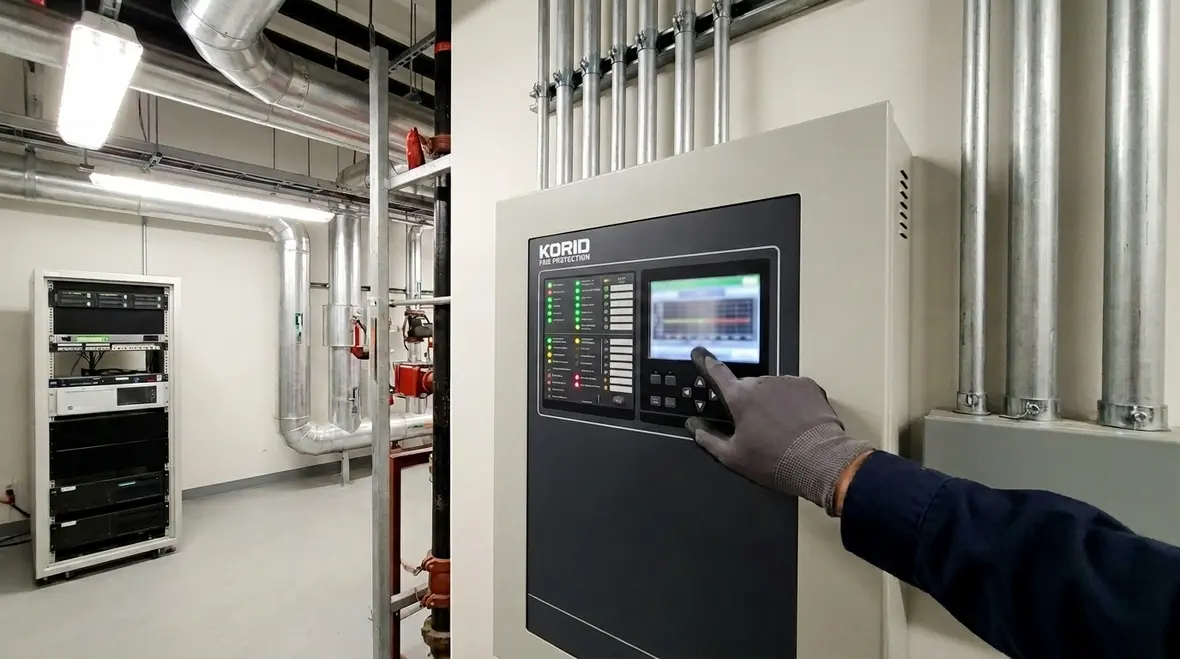
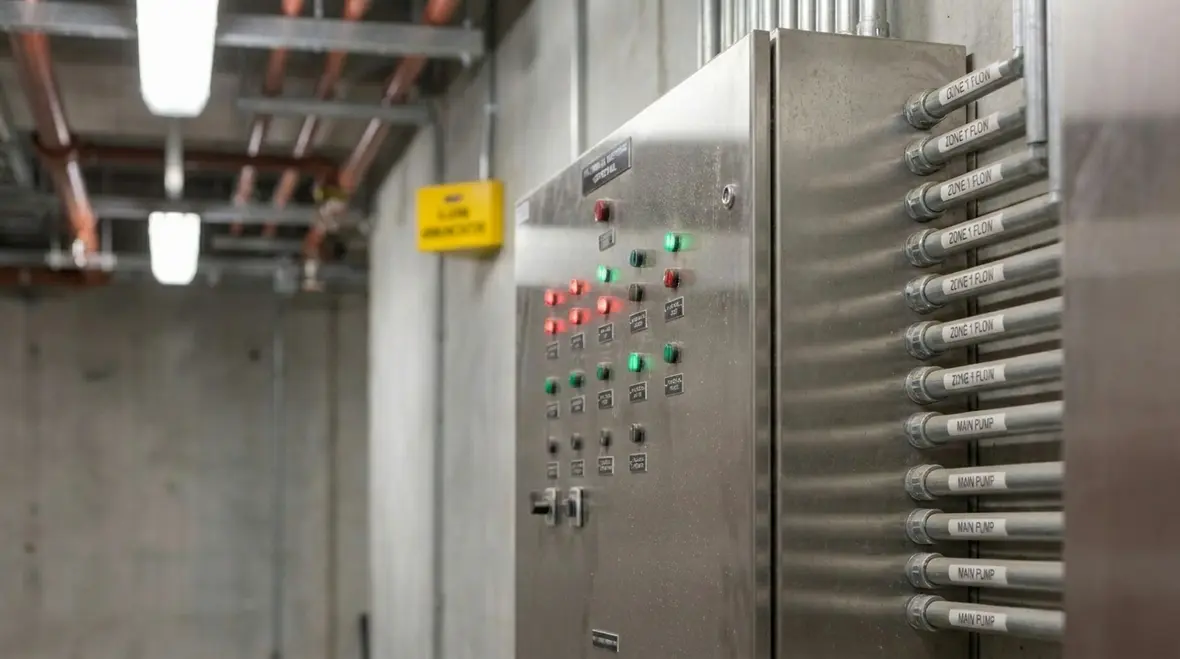
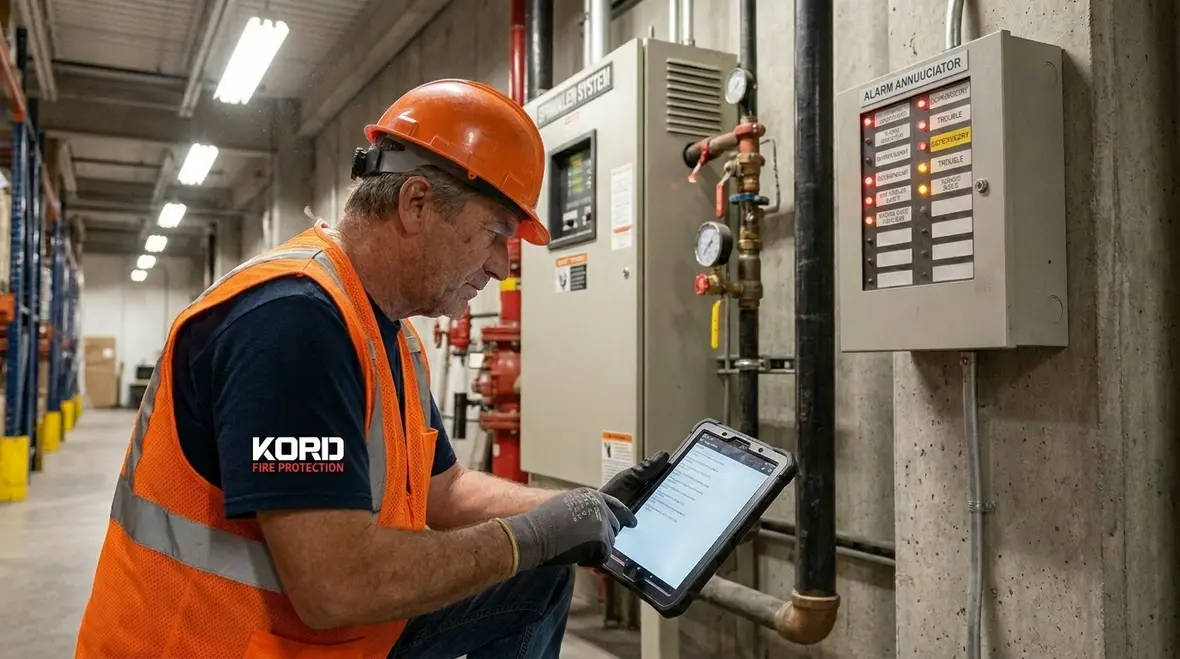
Next, the electronics push this information into an alert pathway that suits facility operations. Some sites use local annunciation, while others connect to central monitoring or building management systems. Either way, the goal remains consistent: reduce the time between “something looks off” and “we know what to do.”
This is where details matter more than buzzwords. A system that simply records data without presenting it clearly is about as helpful as a warning light with no label. Smart electronics improve the situation by making the data readable, organized, and tied to actual site response. That means maintenance teams can tell the difference between a fault that needs immediate attention and a condition that still allows a controlled, scheduled follow-up.
Reducing response time with faster alerting
When something goes wrong, minutes matter. Yet many buildings still rely on slow discovery, manual checks, or scattered radio calls that lead to the classic workplace chorus: “Who’s got the keys?” With smart electronics, notifications can reach the right person immediately, and they can include details that help guide the next step.
For industrial and commercial settings across Australia, faster alerting often means better outcomes in three ways. First, maintenance teams can isolate issues sooner. Second, operations teams can protect productivity by handling events in a controlled way. Third, security can manage access and perimeter checks without waiting for a manual report.
Additionally, the electronics can support event logging. Therefore, investigations become easier. If a trouble signal repeats, teams can see the pattern, schedule targeted maintenance, and reduce recurring downtime.
Why speed matters long before a full emergency
People often hear “faster alerts” and imagine only major incidents. In reality, quicker visibility is just as valuable when conditions are not yet critical. A pressure anomaly, tamper event, or repeated trouble condition can all be handled more calmly when someone sees it early. That lets teams respond with less chaos, less downtime, and far fewer moments where everyone stares at the panel like it is about to explain itself.
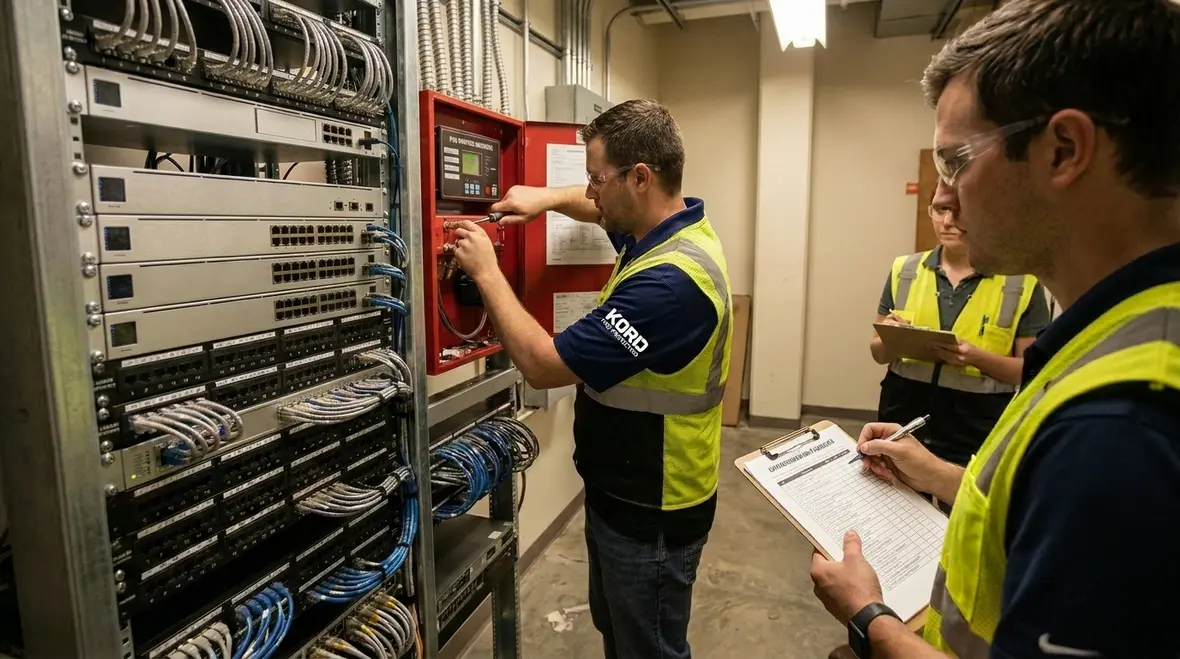
Integration with facility systems and building management
A fire system should not operate like an island. It needs to communicate with the building’s broader environment while keeping life safety priorities intact. Smart fire sprinkler system electronics can integrate with monitoring platforms so stakeholders receive clean, usable information rather than raw device chatter.
When integration is done carefully, facilities can align alarms and responses with normal routines. For example, an alert can trigger a workflow that coordinates operations, service contractors, and emergency procedures. Meanwhile, supervisors can track incidents through dashboards or standard reporting formats.
However, integration works only when the design respects fire safety requirements, network realities, and documentation standards. So, teams should plan for clear alarm mapping, correct signal interpretation, and dependable power and communication paths. That is exactly the sort of implementation challenge where Kord Fire Protection becomes a true partner rather than a distant vendor.
Design choices that make integration actually useful
Good integration is not about dumping every signal onto a screen and calling it innovation. It is about making sure the right people get the right level of detail in the right format. Clear alarm mapping, sensible naming, and reliable communication paths turn the electronics into an operational tool instead of a noisy distraction. That sounds less glamorous than futuristic jargon, but it saves real time when real decisions have to happen quickly.
Reliability, diagnostics, and the comfort of predictability
Electronics introduce more visibility, but they must also deliver reliability. Smart sprinkler monitoring supports this by improving diagnostics. Instead of replacing parts blindly, teams can use fault data to pinpoint the problem area.
Consequently, maintenance becomes more planned. Technicians can schedule inspections when they see trends, not only when a failure forces them into overtime. And since industrial and retail sites often run long operating hours, smarter scheduling helps keep the business steady. It also supports compliance processes by maintaining records that show when issues occurred and how they were addressed.
In the background, sensors and controllers generate trouble reports and supervisory status changes. Then, the system helps teams confirm what is normal and what requires attention. The result is less downtime, fewer guess-and-check trips, and more predictable operations.
Why Kord Fire Protection strengthens the whole monitoring lifecycle
Smart electronics can only do their job when the full lifecycle supports them: design, install, testing, documentation, and ongoing maintenance. Kord Fire Protection can become a vital partner for this service and the broader job of keeping monitoring accurate across multiple facility types.
For example, industrial sites may face harsh conditions. Retail sites may experience frequent access and ongoing tenant changes. Commercial facilities may require tight coordination with building management teams. Kord Fire Protection helps ensure the electronics and sprinkler monitoring remain properly aligned to the site, the risks, and the operational reality.
Moreover, Kord Fire Protection supports the practical side of business: clear handover, service planning, and troubleshooting support when signals appear. In other words, you do not just buy technology. You build a reliable system around it.
And yes, that means fewer “surprise alerts” that show up at the worst possible time, like a pop quiz during a meeting.
Key considerations for facilities across Australia
Before a site moves forward, decision makers should consider how the monitoring solution fits their building and their operations. Therefore, they should review the following:
- Site complexity: floor plans, industrial bays, and remote spaces affect how alarms get handled.
- Change management: new racks, renovations, and tenant fit outs can alter device setups.
- Response process: define who receives alerts, who validates them, and who coordinates corrective action.
- Data ownership: ensure reporting supports internal audits and service histories.
- Testing and verification: plan commissioning and routine checks so monitoring stays accurate.
When these factors get addressed, the value of fire sprinkler system electronics becomes clear. The system supports safety, operational continuity, and better decision making.
FAQ
Featured snippet FAQ note: If your goal is faster awareness and clearer system status reporting, smart electronics help you move from reactive to proactive monitoring.
Ready to upgrade monitoring without chaos?
Facilities across Australia can improve safety and reduce downtime when fire sprinkler monitoring goes beyond basic alarms. Kord Fire Protection can help plan, install, integrate, and service the right smart electronics approach for your site’s risks and operations.
Reach out to Kord Fire Protection to discuss your requirements, validate integration needs, and build a monitoring lifecycle you can trust. The goal is not just faster alerts. It is clearer visibility, steadier performance, and fewer unpleasant surprises trying to ruin everyone’s afternoon.

Join Our Newsletter!
Get the latest fire safety tips delivered straight to your inbox From our Newsletter.