Fire Suppression System Impairments Owners Need to Know
Fire Suppression System Impairments: What Owners Need to Know
Fire suppression system impairments can quietly turn a safety feature into a liability, and they often show up when nobody is looking. In many buildings, the system looks “fine” from the outside, while inside it slowly drifts out of spec due to neglected service, bad water supplies, or component wear. Fire suppression impairment is the phrase inspectors use when they find something that could stop the system from working as designed. And yes, that includes issues that sound minor, like a valve that sticks, or a control panel that never quite gets the memo.
That is exactly why owners need a clear plan: spot impairments early, understand what they mean, and take action before an emergency turns into a headline. Kord Fire Protection can become a vital partner, not just to “check boxes,” but to keep systems reliable year after year.

What Counts as a System Impairment
Owners do not always know what qualifies as a fire suppression system impairment, so they miss warning signs. In practice, impairments fall into a few common categories. First, they involve mechanical failures, like clogged nozzles, corroded piping, or solenoid valves that fail to move. Next, they can involve electrical and control issues, such as faulty sensors, damaged wiring, or panels that do not supervise the right circuits.
Even when the system is installed correctly, conditions change. For example, water pressure can drift due to supply problems, and that can reduce discharge performance. Likewise, alterations in a space, like a remodel that blocks coverage paths, can lead to partial protection where the hazard actually is. Therefore, the system may still “exist,” but it may not protect properly.
When impairments occur, they typically affect one of three things: time to discharge, volume or coverage, and reliability of operation. If any one of those slips, the result is not dramatic drama, it is math and risk. For owners trying to keep buildings protected without living in the mechanical room, that distinction matters. A system does not have to be completely down to be impaired. It can still be present, still look official, and still fall short when it needs to respond fast.
That is why seemingly small problems deserve attention. A little corrosion can change flow characteristics. A sticky valve can add delay. A supervision issue can keep the panel from recognizing a fault in time. None of those problems wear a costume and announce themselves. They just sit there quietly, making reliability worse by degrees until the gap becomes meaningful.
Common impairment patterns owners overlook
- Blocked or partially obstructed discharge points
- Corrosion or scaling inside piping and fittings
- Supervisory circuits that were bypassed and never restored
- Pressure conditions that no longer match design assumptions
- Space changes that interfere with discharge coverage

Why Impairments Happen in Real Buildings
Owners often blame bad luck. However, most impairments come from predictable root causes. Over time, temperature changes push corrosion rates and wear patterns. In addition, dust, debris, and construction dust can collect on components and interfere with operation.
Another driver is “temporary” changes that become permanent. A tenant might cap a drain line, reroute a cable, or disable a supervisory circuit for a short job, and then nobody restores it. Meanwhile, a service company may not document modifications clearly, so the system history becomes a mystery. And in safety work, mysteries tend to turn into expensive surprises.
Also, deferred maintenance costs more later. When owners delay inspections or do not respond to minor trouble signals, small problems build into bigger ones. Consequently, a system that once passed inspection starts to collect impairments like loose change in a car console. Nobody notices until the car shakes.
Buildings also change faster than owners sometimes realize. Storage layouts get denser, ceilings get modified, access panels disappear behind new finishes, and utility work introduces conflict with existing protection. None of that automatically means the system is failing. It does mean the original design assumptions can drift out of alignment with actual building conditions. When that happens, the impairment may be hiding in the relationship between the system and the space, not just inside a part number.
The practical lesson is simple: most impairments are not lightning bolts from nowhere. They are the result of aging equipment, undocumented changes, environmental wear, and delayed response to warning signs. Once owners frame the issue that way, the solution becomes more manageable. Instead of reacting to every finding like it came from another planet, they can create routines that catch patterns early and stop them from growing into system-wide reliability problems.
How Impairments Are Detected During Inspections
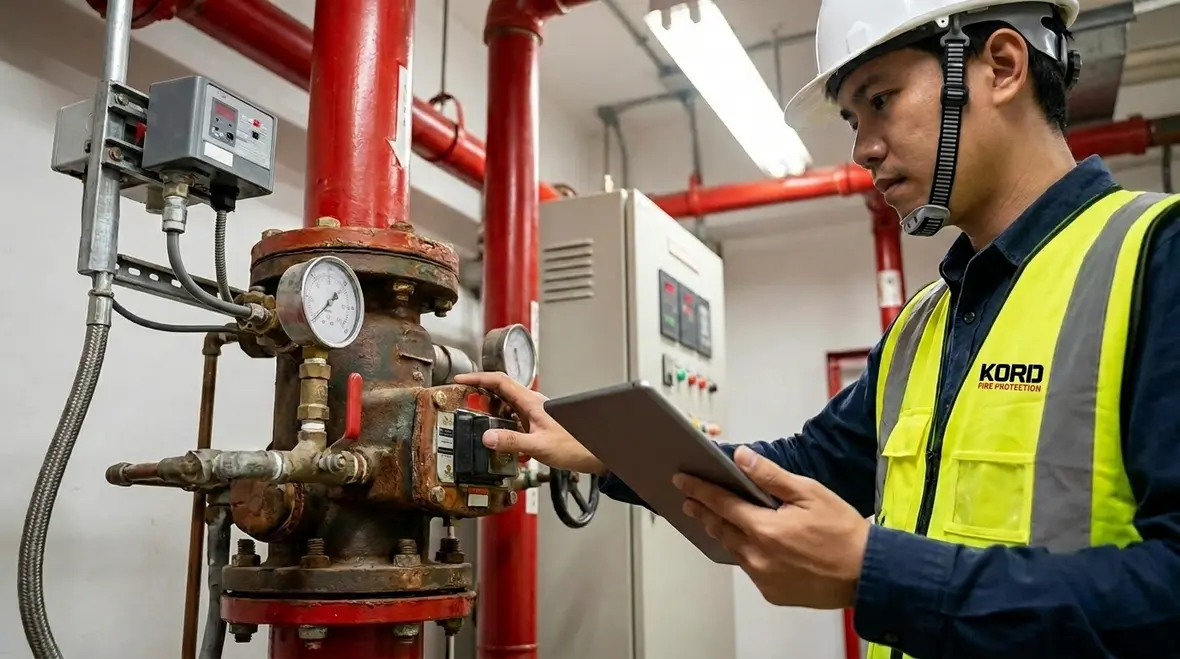
Inspection and testing reveal the true condition of a suppression system. Inspectors may review records, check device placement, and verify that components operate within required limits. For instance, technicians often test supervision features, check pressure readings, inspect valves, and confirm that components match the installed documentation.
Then there are performance linked checks. Systems that rely on water supply need pressure and flow to meet minimum needs. If the water supply cannot provide required performance, the impairment becomes more than a label. Likewise, any sign that discharge patterns will not cover the hazard needs immediate attention.
In many cases, inspectors also look for signs of system interference. If storage items changed layout or if ceilings were modified, coverage can shift. Thus, the “system impairment” label can point to a protection gap, not just worn parts.
At this point, Kord Fire Protection can add real value. They help owners connect inspection findings to practical fixes, so teams do not just react, they correct. That matters because an inspection report on its own is only half the story. The useful part is understanding what the finding means for function, what caused it, and what corrective step restores confidence in the system.
Owners who want a better handle on related system checks can also explore Kord Fire Protection’s article on fire suppression system solenoid testing and checks and their post about fire suppression system pressure testing for safety. Both topics connect directly to the kinds of hidden issues that often show up as impairments later.
Owner Actions: Reduce Risk and Fix Impairments
Once an impairment is identified, the next step is not panic. Instead, owners should take a structured approach. First, they should confirm the scope. Is the impairment isolated to one zone, one valve, or one component? Or does it affect the entire system?
Next, owners should document the impairment and review the likely root cause. If a valve sticks, they should check why. If pressure is low, they should examine supply conditions. If controls fail, they should check for wiring problems, component drift, or improper configuration.
Then, owners should schedule repairs quickly based on severity. Some impairments reduce performance and demand immediate attention. Others may create a delayed failure risk, but they still matter. Therefore, the right response depends on how the impairment impacts function during a fire event.
Finally, owners should verify the system after repairs. A fix is not a fix until the system returns to a reliable state. That verification work turns compliance into actual protection.
Here is where a strong partner matters. Kord Fire Protection can support owners by coordinating repair steps, aligning documentation, and helping teams maintain a stable baseline for performance. That kind of follow-through helps reduce repeat findings and makes future inspections less dramatic for all the right reasons.
A practical response sequence
- Confirm how much of the system is affected.
- Document the finding with enough detail to track it later.
- Identify the likely cause instead of only treating the symptom.
- Prioritize repair timing based on actual risk to performance.
- Retest and verify normal operation after corrections are complete.
Why Documentation and Communication Matter
Fire protection is not just hardware. It is also communication and history. When records are incomplete, owners cannot track trends, and technicians cannot see how issues evolved. For example, if the system repeatedly shows the same supervisory fault, incomplete logs can hide whether repairs solved the problem or only masked it.
In addition, owners should keep building teams in the loop. Facilities staff, property managers, and contractors often touch the suppression system during renovations. So, the team needs clear rules: what work requires notification, what changes need approvals, and what cannot be temporarily disabled without restoration.
When communication improves, impairments reduce. However, when it fails, the system gets treated like background scenery, and that is when the risk grows. Nobody wants that. Even villains in movies take safety seriously, and they are usually much less organized than real building teams.
Good records also help owners budget intelligently. If the same category of issue keeps appearing, that points to a larger maintenance pattern rather than a one-off nuisance. Clear documentation turns a stack of service notes into something useful: trend visibility, repair prioritization, and a cleaner handoff between facilities teams, contractors, and inspectors. In other words, the paperwork is not glamorous, but neither is explaining avoidable downtime after the fact.
How Kord Fire Protection Supports Ongoing Reliability
Kord Fire Protection can become a vital partner by helping owners move from reactive fixes to planned reliability. Instead of only addressing problems after they get flagged, a proactive approach helps catch early warning signs. That means more stable inspections, fewer surprises, and better readiness when conditions change.
Further, Kord Fire Protection focuses on turning impairment findings into clear next steps. Owners do not need a foggy report filled with vague statements. They need an action plan tied to system function. When teams understand what the impairment affects, they can prioritize work and protect budgets without cutting corners.
Therefore, Kord Fire Protection helps owners keep suppression systems dependable, supported by service practices that respect both the equipment and the people who rely on it. Their broader service capabilities include fire suppression systems as part of their full fire protection offering, which owners can review on the full fire protection services page.
FAQ
Ready to Address Fire Suppression Issues Before They Grow?
Fire suppression system impairments do not have to become a recurring problem. When owners act early, document findings, and verify repairs, they protect people and limit downtime. Kord Fire Protection can help your team identify impairments, understand the real impact, and set a dependable plan for service and testing.
Take control now, schedule an assessment, and keep your system ready for the moment it matters most. To explore a related service offering, visit Kord Fire Protection’s full fire protection services page and connect with their team to get started.

Join Our Newsletter!
Get the latest fire safety tips delivered straight to your inbox From our Newsletter.