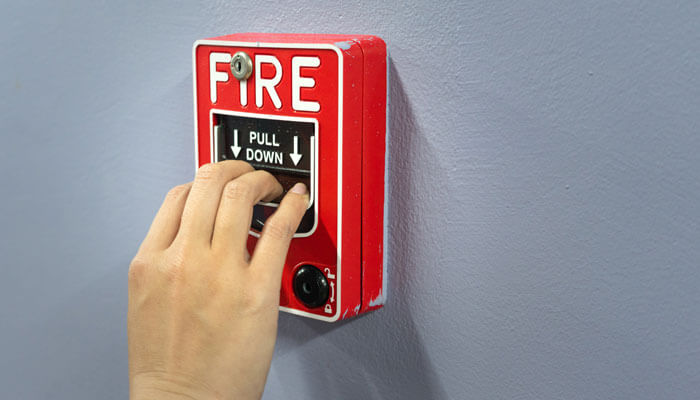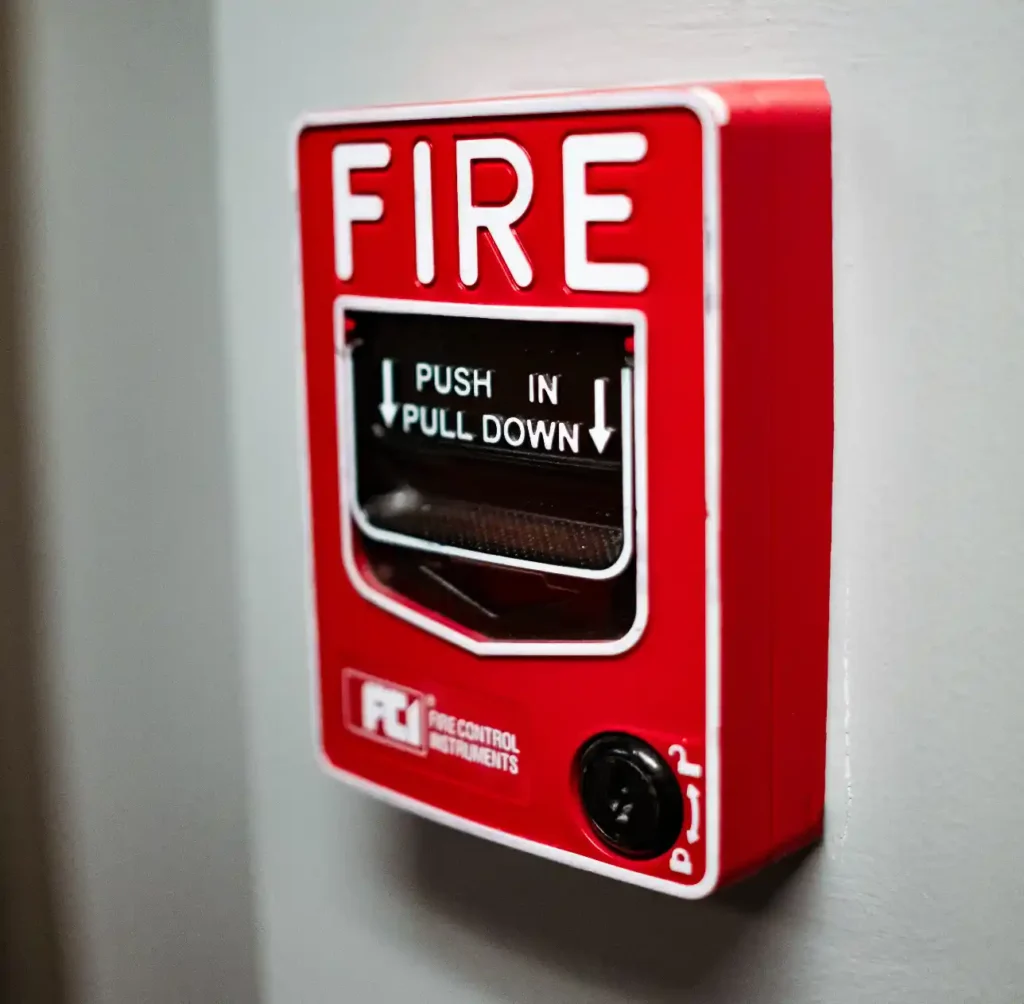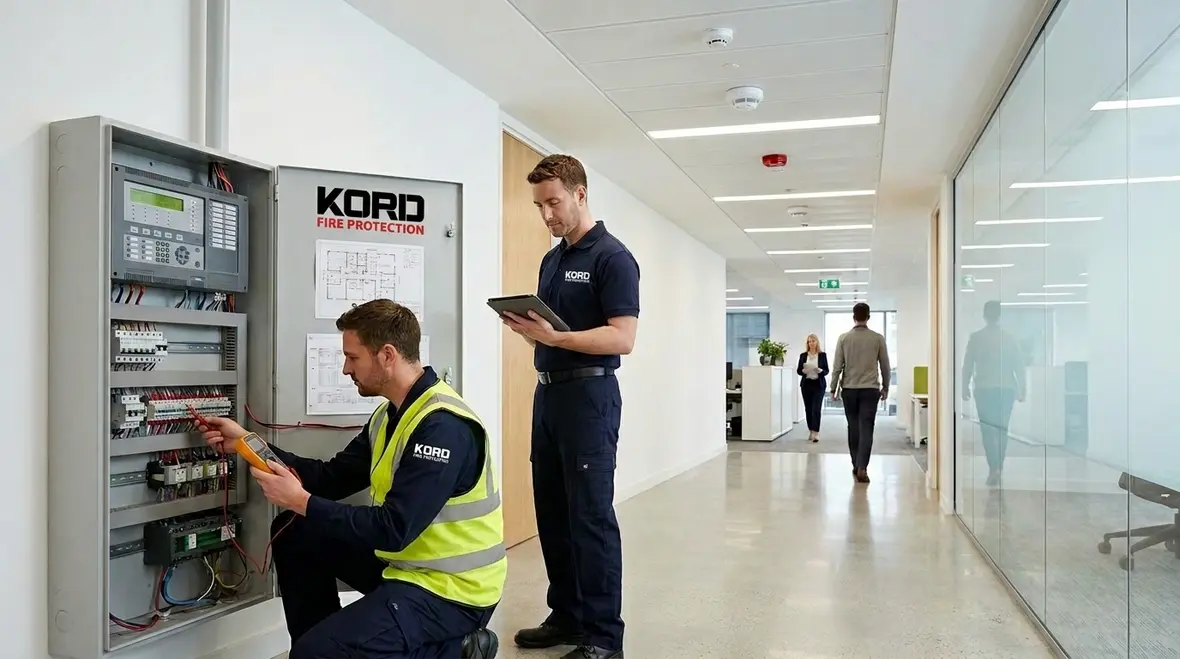
Fire Alarm Signal Reliability for Large Commercial Facilities
Ensuring Fire alarm signal reliability in large commercial facilities keeps people safe and helps owners avoid costly downtime and paperwork storms. When detection devices, notification appliances, panels, and communication paths work as one system, the result feels simple. Of course, in real life nothing stays simple for long, because dust gathers, panels age, batteries tire, and some building managers swear the signal “worked yesterday.” That is why Kord Fire Protection technicians focus on repeatable testing, clean engineering, and practical maintenance plans. Their approach turns fire alarms from “probably fine” into dependable life safety protection that performs when it matters most.
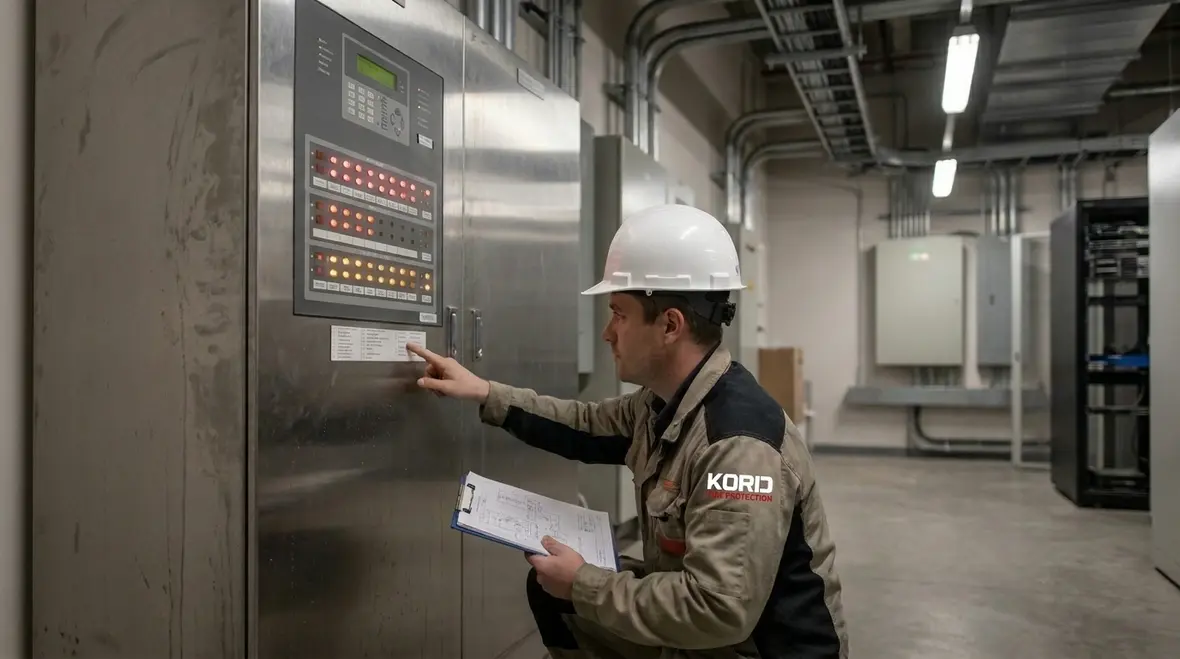
Fire alarm signal reliability starts with system design that makes sense
In large commercial spaces, a fire alarm is not a single device. It is a networked conversation between sensors, control panels, wiring, and alarms. Therefore, Kord Fire Protection technicians start by confirming the design matches the building’s layout, occupancy, and real use patterns. They review floor plans, ceiling heights, door layouts, and where smoke actually moves when something goes wrong.
Next, they verify zoning and notification coverage so crews and occupants receive clear signals without delays or dead spots. A bad zoning choice can make the system sound like a broken radio station. Meanwhile, good design sets up proper audibility and visible notification where people work, rest, and wait.
Finally, they check power budgets and voltage drop assumptions. Large facilities often hide surprises in long cable runs and shared pathways. As a result, the signal reaches the right place at the right strength, even during alarm conditions. That design discipline also supports services like fire alarm service, where ongoing testing and maintenance keep the original intent from fading into guesswork.
Design details that quietly decide performance
The hardest part about reliability is that many failures begin as “small” details. A notification appliance mounted a little too far from where people gather, a device added after a remodel, or a circuit loaded closer to its limit than anyone realized can all chip away at system performance. Large facilities magnify these issues because distance, occupancy variety, and background noise all work against a one size fits all approach. Good design is not flashy. It is careful, documented, and boring in exactly the right way.
Why notification appliances need real world testing, not guesswork
It is easy for a team to run a quick functional test and call it a day. However, functional tests do not prove audibility and visibility where people actually stand. That is why Kord Fire Protection technicians conduct field verification after installation and during scheduled inspections.
They test sound levels and strobe performance in the spaces people use every day: lobbies, corridors, loading bays, break rooms, and stairwells. Additionally, they check for issues that only show up in the building, like vibration from equipment, ceiling obstructions, or reflections that distort sound.
And yes, sometimes the system “works” but the coverage is weak where it counts. In other words, the alarm is sending the message, but it is whispering like it is trying not to wake the boss. Proper testing fixes that before a real event turns into a training video nobody wants to watch.
Field conditions love ruining assumptions
Large commercial facilities are full of sound swallowing finishes, noisy machinery, unusual ceiling heights, and corners where signals do not behave the way a clean drawing suggests. This is why field verification matters so much. It closes the gap between theory and performance. It also gives property teams clearer confidence that the system is not just technically alive, but genuinely effective in the environment where people move, work, and react.
Power and backups: the quiet foundation of dependable alarms
For Fire alarm signal reliability, power matters because alarms run on more than convenience outlets. Panels, initiating devices, and notification circuits rely on stable power and correct backup sizing. Kord Fire Protection technicians verify that batteries can handle the required standby and alarm duration under the site’s load.
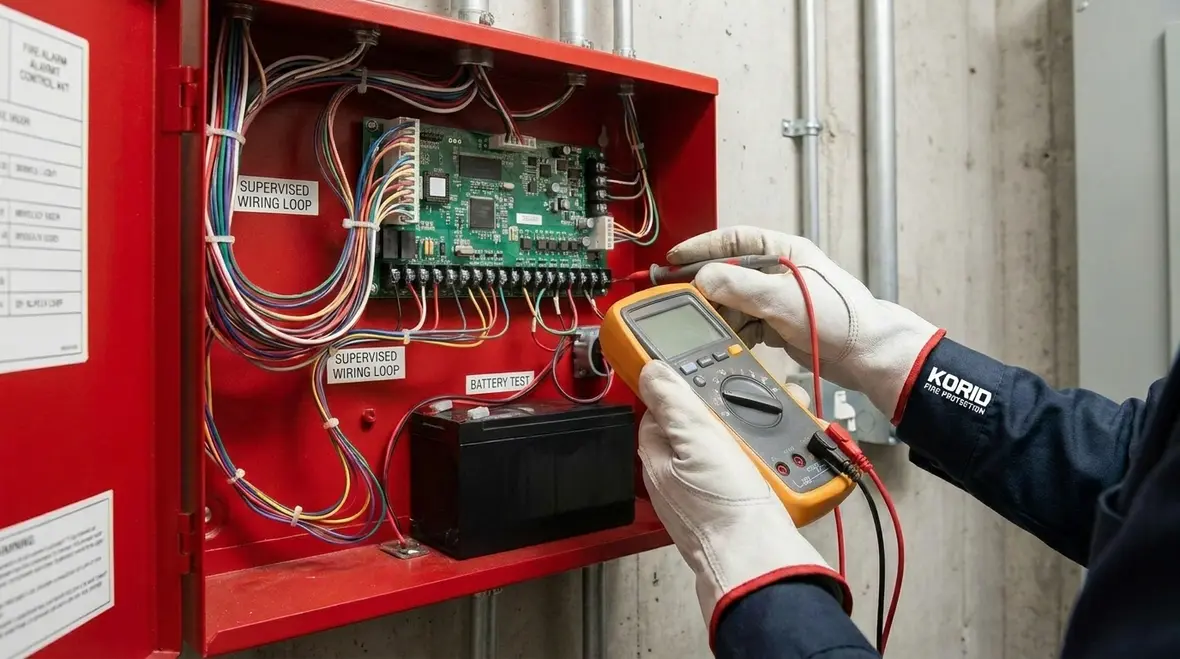
They also inspect power supplies and charge rates, since aging components can drift out of spec. Moreover, they check wiring terminations and circuit integrity. Loose terminations create intermittent faults, which are the most annoying kind of problem because they seem to “come and go.”
In large buildings, power pathways can run through areas with heat and moisture. Therefore, technicians treat electrical checks like a business critical process, not a last minute chore. Kord also highlights this connection between reliability and backup power in its related article on fire alarm system reliability and battery health, which is worth reading if battery performance keeps showing up as a repeat concern.
Wiring, loops, and supervision: catching problems before they grow
A fire alarm system supervises circuits so it can detect open, short, and ground faults. Still, the real risk shows up when wiring and connections degrade over time. Kord Fire Protection technicians track the health of loops, check end of line devices, and confirm the system reports faults accurately.
They also focus on proper labeling and documentation. When a technician cannot quickly identify where a cable ends, troubleshooting turns into a scavenger hunt with higher stakes. Clear records reduce downtime and speed up corrective work.
Additionally, they look for common trouble points such as cable damage from construction activities, improper splicing, or changes made by other contractors. Over time, a facility becomes a patchwork of updates. The goal is to keep the fire alarm conversation clear across every change.
Documentation is not glamorous, but neither is downtime
Reliable systems are easier to maintain when records are current, labels are readable, and panel histories are reviewed instead of ignored. That may not sound exciting, but neither does standing in front of a trouble condition while three people argue about what was changed six months ago. Strong supervision practices help teams find root causes faster and limit the kind of repeat faults that drain time, budgets, and patience.
Maintenance plans that stay on schedule and stay honest
Many owners want fewer service calls and faster turnaround times. Yet, skipping tasks or stretching schedules can quietly harm Fire alarm signal reliability. Kord Fire Protection technicians set maintenance routines that match the facility’s risk level and usage patterns.
They coordinate inspections with building operations, so teams do not interrupt critical work. At the same time, they keep records that show what was tested, what was found, and what was corrected. Because, in safety work, “trust me” does not satisfy anyone during an emergency or an inspection.
Below is a simple example of how a strong maintenance structure can map to results, using a dual column approach once, because even safety deserves clarity.
How large facilities handle change without breaking the system
Commercial buildings evolve. Tenants remodel, storage moves, ceilings drop, and equipment replaces what used to be there. Therefore, Kord Fire Protection technicians treat change management as part of reliability, not as a separate office task.
They confirm that any remodeling matches fire alarm requirements. They evaluate how added walls, altered airflow, or new mechanical equipment might affect sensor placement and alarm effectiveness. If someone reroutes ducts, the smoke pattern can change. If someone adds a drop ceiling, the sensor environment can shift. In short, the alarm system must keep pace with the building’s new normal.
Additionally, technicians help teams plan testing after changes so crews verify the system still provides proper coverage. That way, the facility receives continuous protection instead of protection that only existed during the original install.
Fire code expectations and smart reporting for property teams
Property managers and safety directors need more than “the system looks good.” They need clear reports that support compliance and decision making. Kord Fire Protection technicians document test results, note impairments, and recommend fixes with practical next steps.
They also help teams manage test windows. That matters in large facilities where alarms and work schedules overlap. Moreover, they communicate what risks were found and how quickly corrective action should happen based on the severity of the fault.
This approach supports both safety goals and business needs. Because when teams can plan repairs in a predictable way, the facility stays stable and the alarm system stays ready. For organizations that prefer a broader single partner approach, Kord’s full fire protection services page shows how alarm work can coordinate with wider life safety support.
FAQ: Fire alarm signal reliability for large commercial buildings
Call Kord Fire Protection for reliability you can measure
Fire alarm systems should not rely on luck, vibes, or last year’s test results. Kord Fire Protection technicians help large commercial facilities strengthen Fire alarm signal reliability with design review, field verification, power checks, and maintenance schedules that actually fit how the building runs. If a remodel is coming, or if reliability concerns are already creeping in, act now. Contact Kord Fire Protection to schedule an assessment and get a clear plan for dependable protection.
For teams that want direct support from a provider focused on compliant, dependable alarm performance, visit Kord Fire Protection’s fire alarm services. If your building also needs a wider service partner for coordinated inspections and system support, explore their full fire protection services. Either way, the goal is the same: fewer surprises, faster answers, and an alarm system that does its job without drama.

Join Our Newsletter!
Get the latest fire safety tips delivered straight to your inbox From our Newsletter.