
What Is Fire Alarm Monitoring and How It Works
What Is Fire Alarm Monitoring?
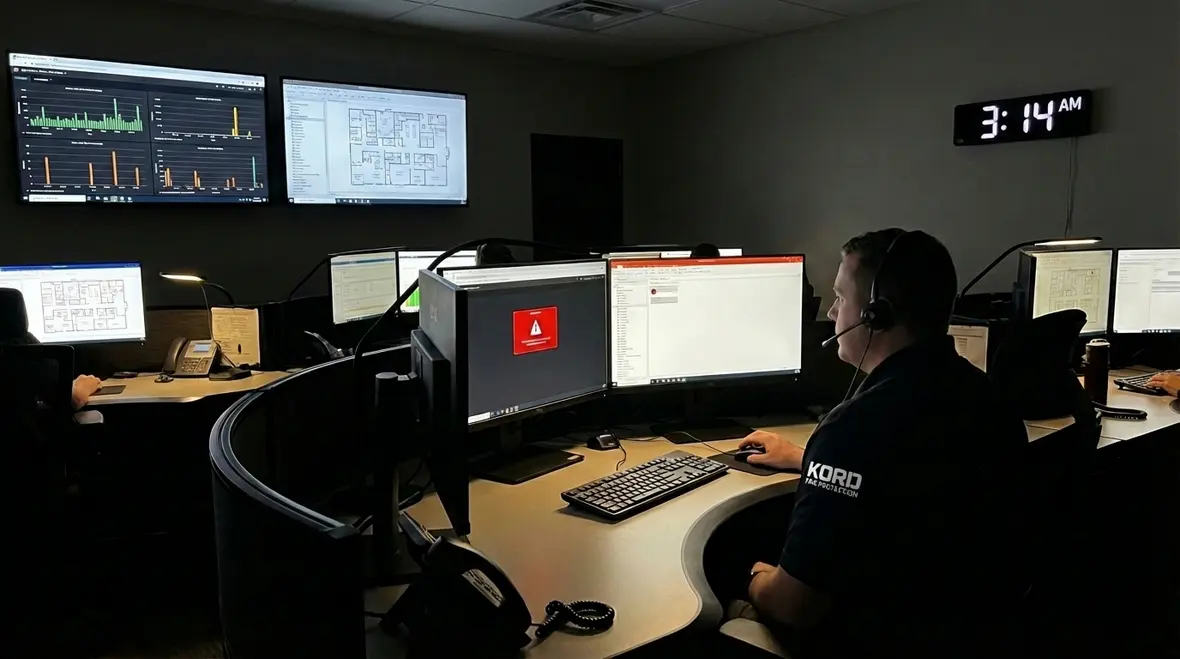
In the quiet moments when a building sleeps and the lights dim, there is something standing guard. It does not blink. It does not get bored. And it certainly does not take coffee breaks. Our fire alarm monitoring service works behind the scenes, watching every signal your system sends and making sure that when trouble strikes, help is already on the way.
Many property owners install alarms and assume the job is done. However, an alarm that rings without alerting emergency responders is like a smoke detector shouting into the void. That is where professional oversight steps in. Kord Fire Protection technicians often explain it this way: a fire alarm system detects the danger, but monitoring makes sure someone answers the call. And in a real emergency, that difference matters more than most people realize.
What Is Fire Alarm Monitoring?
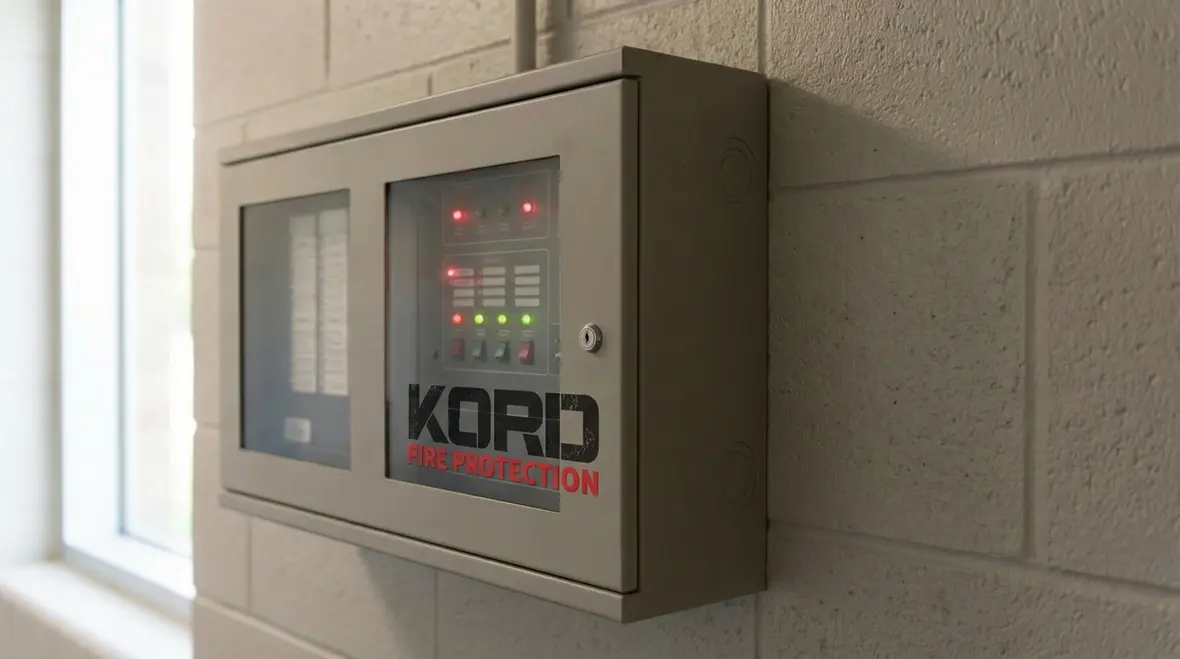
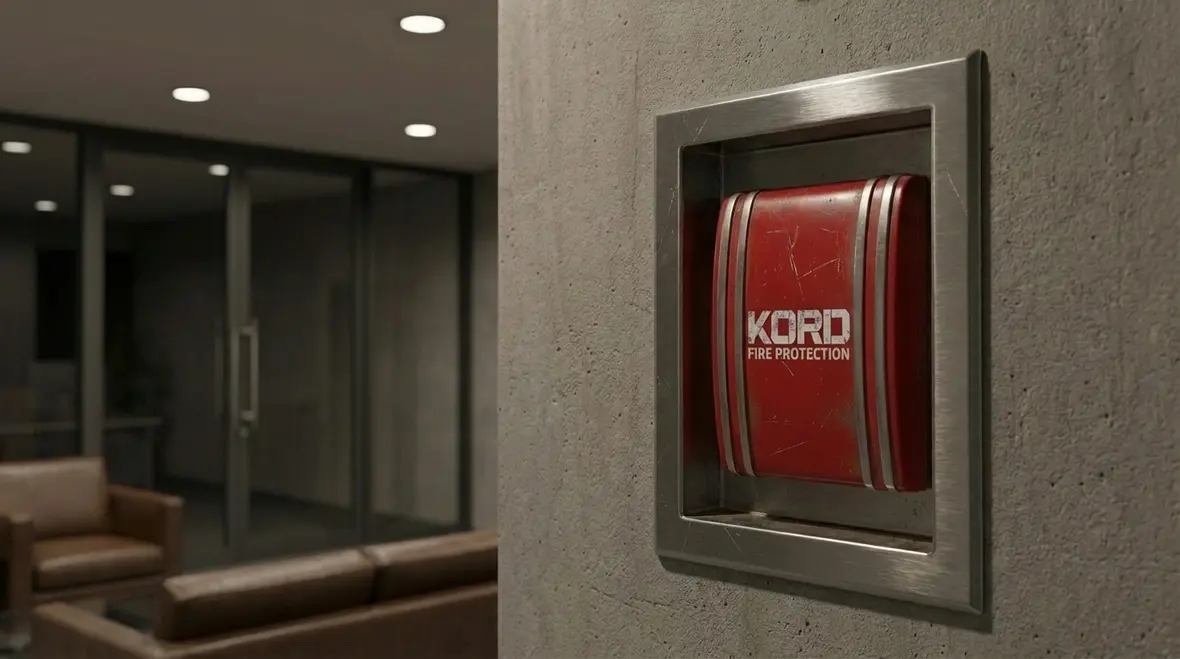
At its core, fire alarm monitoring connects a building’s alarm system to a staffed monitoring center. When the system detects smoke, heat, or a manual pull station activation, it sends a signal through a secure communication line. Immediately, trained operators receive the alert and contact emergency services.
Instead of relying on someone inside the building to call 911, the monitoring center takes action within seconds. Consequently, response times improve. Moreover, the risk of human delay drops significantly.
Kord Fire Protection technicians describe it as adding a second layer of protection. The first layer detects the problem. The second layer makes sure the right people know about it right away. Together, they create a safety net that works around the clock.
If you want to see how this connects with real-world systems and code-compliant design, explore Kord Fire’s dedicated page on fire alarm monitoring systems, where installation, maintenance, and emergency response are all tied together.
How Fire Alarm Monitoring Works Behind the Scenes
To the average building owner, the process feels almost magical. However, the mechanics are straightforward and reliable.
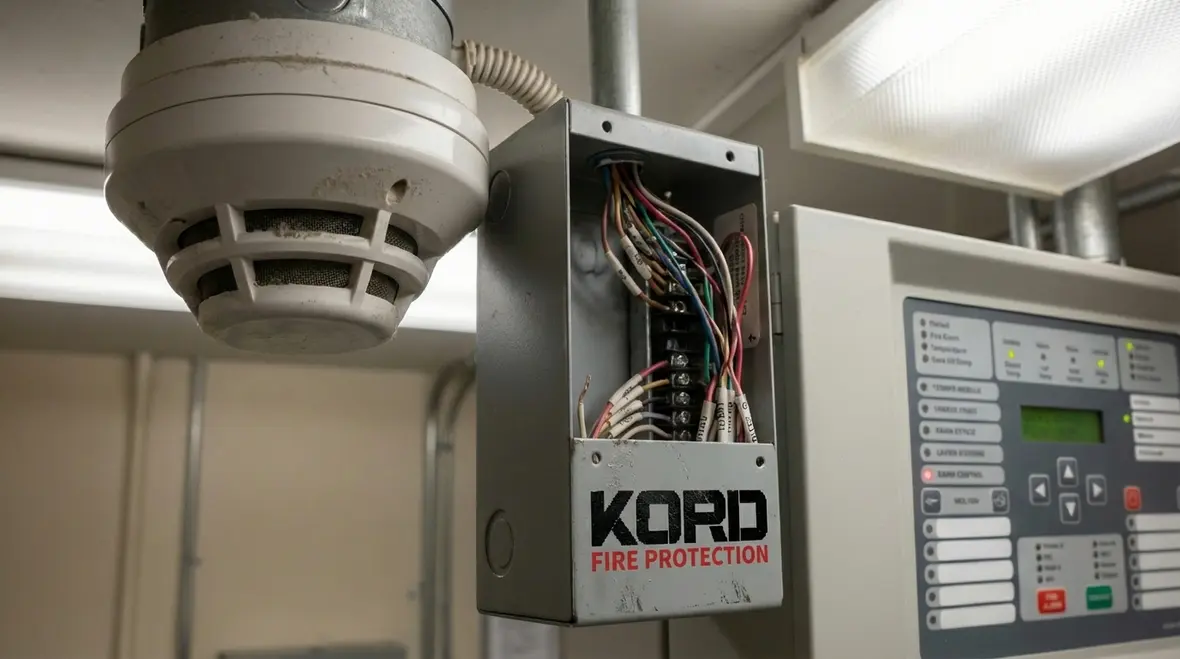
When a detector senses smoke or heat, the control panel sends a digital signal through one or more communication paths. These may include cellular, internet, or phone lines. The monitoring center receives the signal in real time. Then, an operator verifies the alarm and dispatches the fire department.
Because modern systems use redundant communication paths, the signal can still transmit even if one method fails. As a result, the system remains dependable during storms, power outages, or line cuts. Think of it as having a backup singer who never misses a note.
Kord Fire Protection technicians often walk clients through this process step by step. They believe that when owners understand how their system communicates, they trust it more. And trust, in matters of safety, is everything.
Why Buildings Need Professional Monitoring
Some property owners wonder whether monitoring is necessary. After all, if an alarm sounds loudly enough, someone will call for help. Right?
Not always.
First, buildings are not occupied 24 hours a day. Offices close. Warehouses sit empty. Even residential complexes experience moments when no one is near the panel. During those gaps, a small fire can grow quickly.
Second, people sometimes assume an alarm is false. They hesitate. They investigate. Meanwhile, time slips away. In fire safety, hesitation is the villain of the story.
With fire alarm monitoring in place, the system bypasses doubt. It notifies professionals instantly. Therefore, emergency responders can begin their journey before flames have a chance to spread.
Insurance providers and local codes often require monitored systems in commercial buildings. Additionally, many insurers offer lower premiums for properties with supervised alarm services. In other words, it protects both people and budgets.
Key Components of a Monitored Fire Alarm System
Although the concept sounds simple, several parts work together seamlessly.
| Component | Role in the System |
| Control Panel | Acts as the brain. It receives signals from detectors and sends alerts to the monitoring center. |
| Initiating Devices | Smoke detectors, heat sensors, and pull stations that detect fire conditions. |
| Communication Module | Transmits alarm signals through cellular or internet pathways. |
| Monitoring Center | Staffed 24 hours a day to receive signals and dispatch emergency responders. |
Each piece plays a specific role. If one component fails, the others compensate when properly installed and maintained. That is why Kord Fire Protection technicians emphasize routine inspections. They understand that even the best technology needs occasional attention.
The Human Element That Makes the Difference
Technology is impressive. However, people complete the equation.
Monitoring centers employ trained operators who follow strict response protocols. When a signal appears, they verify the account information, check the type of alarm, and contact the proper authorities. Because they handle emergencies daily, they remain calm under pressure.
Imagine a late night alarm at a commercial property. Instead of a nervous employee flipping through paperwork, a seasoned operator handles the call with steady focus. That steady hand often makes all the difference.
Kord Fire Protection technicians remind clients that fire alarm monitoring is not just wires and signals. It is a partnership between advanced equipment and trained professionals. Together, they create a chain of response that rarely breaks.
Layering Fire Alarm Monitoring with Other Life Safety Systems
Many facilities pair monitoring with systems like voice evacuation, sprinkler supervision, and smoke control. For example, integrating a monitored alarm with a fire alarm voice evacuation system helps ensure that once responders are on their way, occupants also receive clear, audible instructions to exit safely.
Common Misconceptions About Monitored Systems
Despite its benefits, a few myths continue to circulate.
One common belief is that monitoring leads to constant false alarms and unnecessary fire department visits. In reality, modern systems use precise detection methods. Furthermore, monitoring centers verify signals before dispatching responders when possible.
Another misconception is that it costs too much. While there is a monthly fee, the expense often pales in comparison to potential fire damage. A single uncontrolled blaze can cause structural loss, business interruption, and legal liability. Suddenly, the monitoring fee feels less like a burden and more like a bargain.
Some also assume that once installed, the system needs no further attention. However, regular testing ensures communication lines function properly. Kord Fire Protection technicians schedule inspections to confirm that signals reach the monitoring center without delay. In safety, complacency is not a strategy.
Choosing the Right Fire Alarm Monitoring Provider
Selecting a provider requires more than a quick online search. Property owners should evaluate several factors carefully.
- Confirm that the monitoring center operates 24 hours a day with trained staff.
- Review the communication methods available. Redundant pathways improve reliability.
- Ask about response times, verification procedures, and escalation steps.
- Look for clear documentation of how alarms are handled from start to finish.
Kord Fire Protection technicians encourage clients to request a clear explanation of how alarms are handled from start to finish. A reputable provider will gladly outline each step. If explanations sound vague or rushed, that may signal a need for further questions.
It also helps to choose a company that offers installation, inspection, and monitoring services together. When one team oversees the entire system, accountability improves. And when accountability improves, safety follows.
Maintenance and Long Term Reliability
Even the most advanced alarm supervision system requires care. Over time, components may wear down. Batteries age. Communication modules update.
Routine inspections test signal strength, device sensitivity, and panel function. During these visits, technicians simulate alarm conditions to confirm that alerts reach the monitoring center properly. Because these tests mimic real scenarios, they reveal issues before emergencies do.
Additionally, software updates and communication upgrades keep systems aligned with industry standards. Fire codes evolve, and technology advances. Therefore, staying current ensures continued compliance and protection.
Kord Fire Protection technicians approach maintenance with steady focus. They know that a system only proves its worth during a crisis. Consequently, they prepare it long before that moment arrives.
Pairing Monitoring with Comprehensive Fire Alarm Services
Monitoring performs at its best when the underlying fire alarm is properly designed, installed, and serviced. Kord Fire offers full fire alarm services, so the same team that understands your equipment can also support your monitored connection, inspections, and upgrades.
FAQ About Fire Alarm Monitoring
Conclusion
Fire does not wait for convenient timing. It moves quickly and without warning. With professional fire alarm monitoring in place, property owners gain more than compliance. They gain confidence. Kord Fire Protection technicians stand ready to explain, install, and maintain systems that respond when seconds matter most.
Reach out today, and let a dependable layer of protection stand watch over what matters most. To take the next step, schedule a consultation for fire alarm monitoring systems or explore Kord Fire’s full range of fire alarm services so your building is covered from design through 24/7 response.
Know Your Weapon Before You Fight the Flame
Kord Fire Protection is your go-to when it comes to all things fire protection. For over 20 years, we’ve been serving Southern California with the quality service and equipment to keep your home or business safe at all times. Our competitive prices reflect our unwavering commitment to protecting what matters most in the event of a fire emergency. Give us a call, send an email, or use that form!

Join Our Newsletter!
Get the latest fire safety tips delivered straight to your inbox From our Newsletter.


