Server Room Fire Safety Options That Actually Work
Understanding Fire Protection Options for Server Rooms: A Deep Dive into Safety and Smarts
Imagine walking into your server room one morning, only to find it filled with smoke, alarms blaring, and your company’s heartbeat—its data—melting away into a hot mess. Not the kind of wake-up call anyone wants. That’s why server room fire safety isn’t some optional nicety. It’s mission-critical, right up there with coffee and common sense.
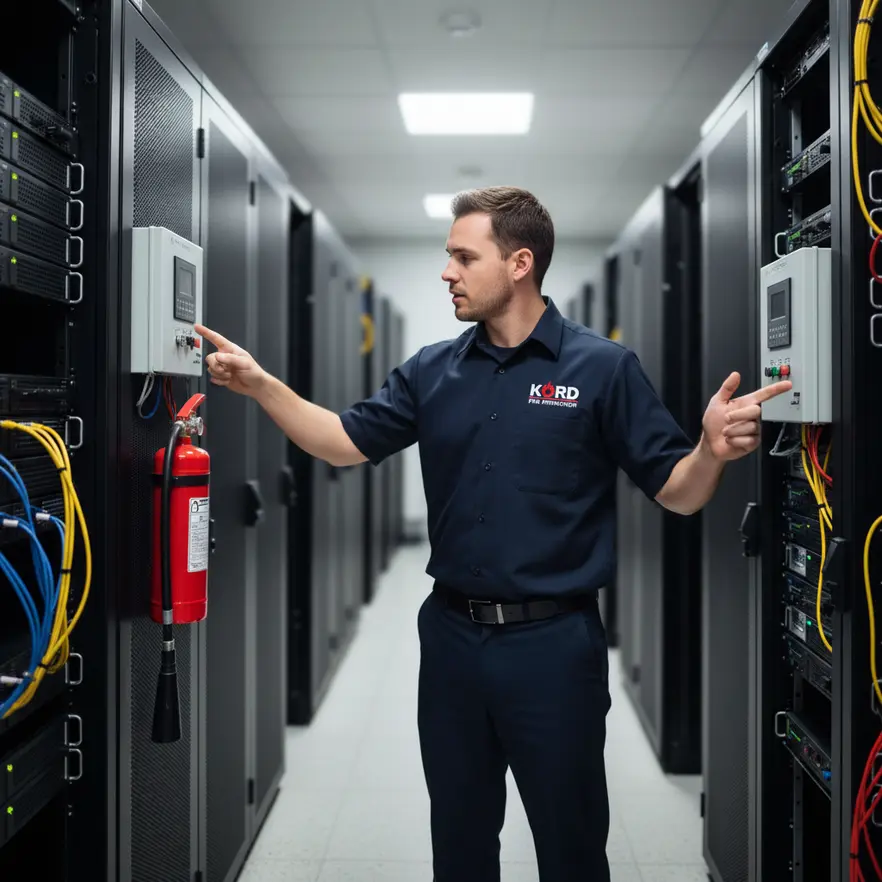
Enter Kord Fire Protection—where their technicians aren’t just folks who show up with clipboards and fire extinguishers. These are pros who take the time to explain the “why” behind the “what.” They walk you through fire suppression systems with the patience of a kindergarten teacher and the knowledge of someone who’s been there, seen that, and kept a data center from turning into a barbecue pit.
Let’s dive into the world of protecting your server room, going from smoldering concern to blazing confidence—without making your eyes glaze over.
Why Fire Protection Goes Beyond Just Having a Fire Extinguisher
Sure, slapping an extinguisher on the wall feels like a good start. But in the high-stakes world of data centers and server rooms, that’s like bringing a butter knife to a lightsaber duel. These environments require precision fire suppression solutions, not guesswork with garden hoses.
We’re talking valuable equipment, servers worth tens—or hundreds—of thousands of dollars. Downtime costs companies an average of $5,600 per minute, according to Gartner. So, that little red can on the wall? Won’t cut it.
Kord Fire Protection technicians often joke that relying solely on extinguishers is like relying on duct tape to fix a sinking ship. Good for flair, bad for fire. Trust them, they’ve seen it.
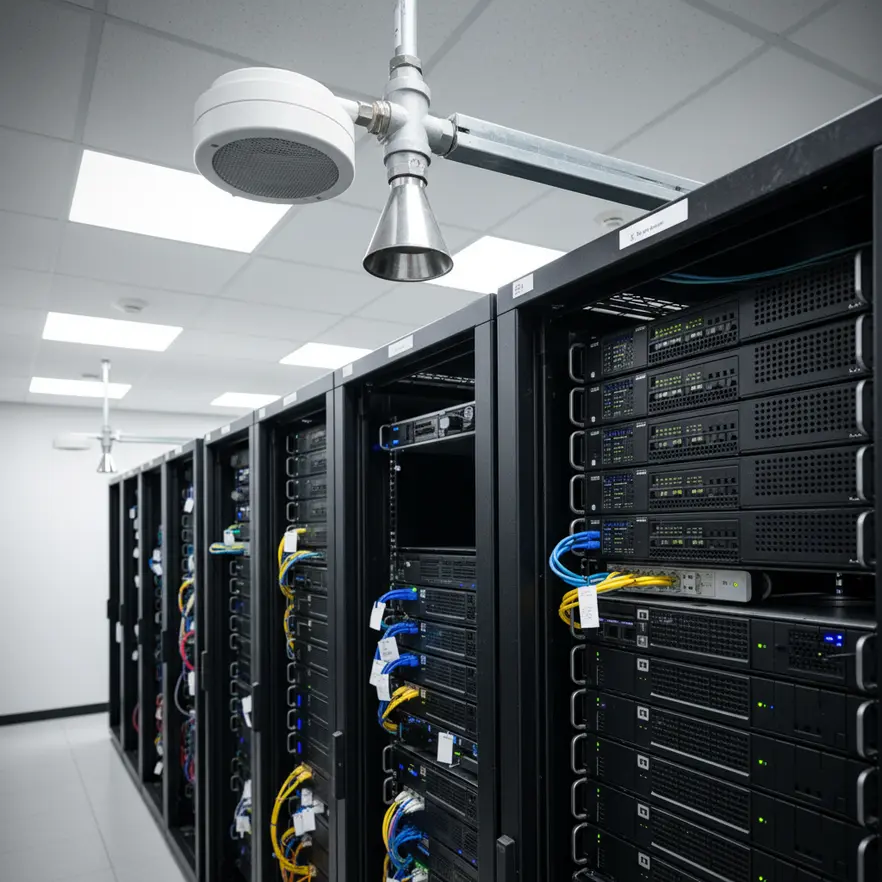
Types of Fire Hazards Lurking in Server Rooms
Server rooms are temperamental little divas. They don’t play well with heat, and they absolutely loathe sparks. Let’s break down the usual suspects:
- Electrical faults: Overloaded circuits and faulty wiring are classic culprits. Static and surges may sound technical, but they’re basically tantrums waiting to ignite.
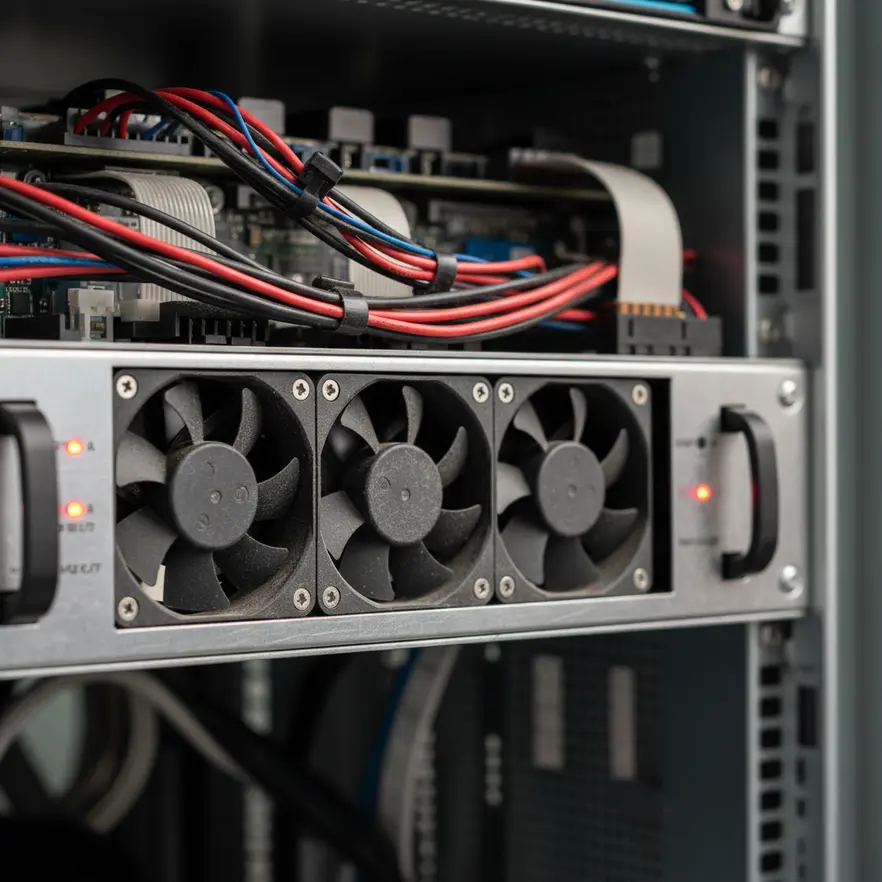
- Overheating components: That fan that sounds like it’s begging for retirement? It might be. Overheated hardware is a sleeper agent when it comes to sparking flames.
- Dust buildup: Dust plus electric components equals the fire version of “Netflix and chill,” except way less fun and way more damaging.
- Improper storage: Boxes of paper, flammables, or rogue cleaning products have no place in a server room—but they often sneak in.
So yeah… server rooms are a bit like rock concerts: packed, sweaty, and one bad wire away from literal fireworks. That’s why understanding how to protect yours matters more than ever.
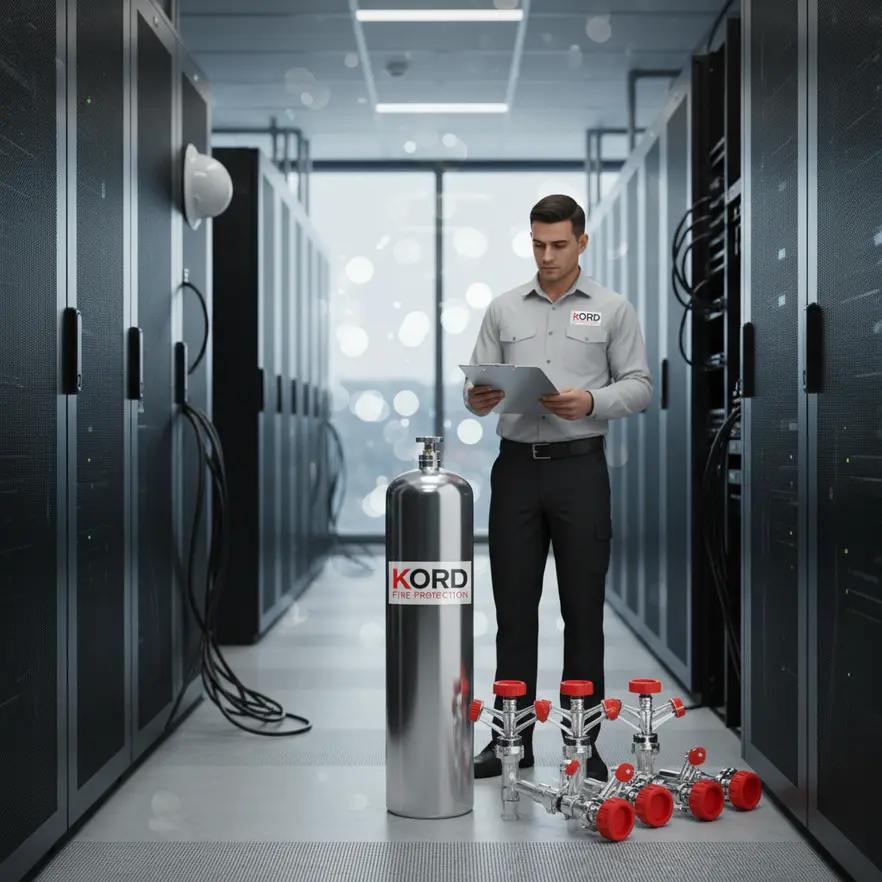
Server Room Fire Safety Measures That Actually Work
Kord’s team understands that blanket solutions don’t cut it. You need a customized setup that considers room layout, ventilation, the make and model of hardware, and even airflow patterns. Let’s get down to what matters:
- Early Warning Smoke Detection: These systems are the bat signal of server rooms—picking up tiny smoke particles well before your nose or a standard detector does.
- Clean Agent Suppression Systems: No foam parties here. These systems (like FM-200, Novec 1230) extinguish fires fast without drowning your servers in chemicals or water.
- Automatic Fire Alarms: Integrated systems that alert you—and emergency services—before things turn crispy. Also excellent at scaring interns walking in with coffee.
- Fire-rated enclosures & racks: Think of them as your server’s superhero suit—protective, fire-resistant, and low-maintenance.
And remember: Kord Fire technicians are more than happy to walk clients through each of these solutions. Think Morgan Freeman talking about physics—calm, detailed, and oddly comforting.
How to Choose the Right Fire Suppression System
Choosing the right suppression system is like casting a lead role. You’ve got to pick someone who can handle the pressure, looks good under fire (literally), and doesn’t destroy the set.
Here’s a quick comparison to help make sense of the chaos:
Option 1: Clean Agent Systems
- Quick discharge
- Safe for electronics
- Zero water damage
- Higher upfront cost
Option 2: Pre-Action Sprinklers
- Water-based suppression
- Two-step activation → lower false trigger risk
- Excellent for larger facilities
- Water damage still possible
Kord Fire technicians often compare your options to selecting a Pokémon—you need the right type for the battle ahead. Choose wisely. Flames don’t care about your learning curve.
Physical Configurations Matter: It’s Not Just About the Suppression System
You can have the fanciest suppression system in the world, but if your room layout is as confused as an episode of Lost, you’re in trouble. Airflow, cable management, rack spacing—all of these factor into effective server room fire safety.
Kord technicians often operate as layout consultants. Whether it’s rerouting cabling mazes or sealing gaps that could channel smoke like a backstage wind tunnel, they’ll guide you through small changes that add up to massive safety gains.
They also encourage building access control that restricts unauthorized entry. Because Brad from Marketing has no business trying to reboot a server with a broomstick.
Ongoing Testing and Maintenance: Fire Systems Don’t Run on Hope
Fire suppression systems don’t age like fine wine—they age like milk. Regular inspections, testing, and preventative maintenance keep things fresh and in working order.
Kord Fire Protection makes it a mission to simplify this. They break down maintenance schedules into bite-sized tasks, keeping everything clear. You’ll get reminders, reports, and, frankly, relief—knowing your system will actually work when it matters.
Bonus? Their technicians don’t vanish after installation. You’ll still see their friendly faces (and dad jokes) during routine check-ins.
What Happens When Fire Hits and You’re Prepared
Let’s say, worst-case scenario: a short circuit starts a fire. But because you’ve listened to Kord’s wisdom and geared up your server room accordingly, here’s what happens:
- The early smoke detection kicks in and alerts your monitoring system immediately.
- Your clean agent system activates silently and rapidly—quenching the flame without harming the gear.
- Emergency power-off systems isolate the damaged zone.
- Staff gets a notification and arrives on-site within minutes, because Kord integrates with smart systems. Boom. Crisis averted.
It’s not just about fire prevention; it’s about resilience. And yes, photo ops for “Fire successfully defeated by technology” are encouraged.
Educating Your Staff: The Underrated Safety Layer
A system is only as good as the humans operating around it. Sadly, server rooms don’t come with a bouncer or a malpractice insurance policy against clueless colleagues.
Kord Fire Protection conducts training workshops that arm your team with practical, real-world knowledge. Short sessions, no eye-glazing lectures, and a guarantee that your team won’t mistake the suppression discharge button for a light switch.
The goal? Staff who don’t panic under pressure and who remember that “fire suppression” doesn’t mean dropping a blanket over the network rack.
Common Mistakes (And What You Can Learn from Them)
If there were a blooper reel for server room fire safety mistakes, here’s what would make the cut:
- Blocking ventilation ports with boxes of snacks. Guilty parties know who they are.
- Testing alarms without warning staff. Not cool. You’ll only do it once.
- Ignoring that monthly maintenance checklist. Skipping it won’t make the threat go away—it just makes you the fire’s favorite guest.
- Using portable heaters to ‘warm up’ a cold space. Just… no. Not in a server room. Ever.
Even the most advanced systems can’t undo human error without accountability and basic training. That’s why working with professionals who understand both the tech and human side is key.
FAQ: Server Room Fire Safety Fundamentals
- What’s the best fire suppression method for a server room?
Clean agent systems like FM-200 or Novec 1230 are highly effective and safe for equipment. - How often do fire systems need to be tested?
Inspect quarterly, test semi-annually, and do a full system check annually for best results. - Can water sprinklers damage server equipment?
Yes. Water is generally avoided in server rooms unless using dry pipe/pre-action systems with safeguards. - Are there legal codes to follow for server room protection?
Absolutely. NFPA standards and local fire codes apply. Kord technicians guide you through compliance. - What’s the simplest way to improve fire safety in my server room?
Start with better cable management, remove flammable clutter, and upgrade to early smoke detection systems.
Conclusion: Don’t Wait for the Smoke to Take Action
You don’t need to be a technical genius or a fire marshal to prioritize server room fire safety. You just need the right team, the right tools, and a touch of common sense wrapped up in world-class guidance. That’s what Kord Fire Protection brings to the table—along with a calming presence, a bit of humor, and the uncanny ability to make fire suppression sound borderline poetic.
Need help figuring out your best fire protection option? Reach out to Kord Fire Protection today, and let their team bring heat-resistant peace of mind to your server room.
Know Your Weapon Before You Fight the Flame
Kord Fire Protection is your go-to when it comes to all things fire protection. For over 20 years, we’ve been serving Southern California with the quality service and equipment to keep your home or business safe at all times. Our competitive prices reflect our unwavering commitment to protecting what matters most in the event of a fire emergency. Give us a call, send an email, or use that form!

Join Our Newsletter!
Get the latest fire safety tips delivered straight to your inbox From our Newsletter.