
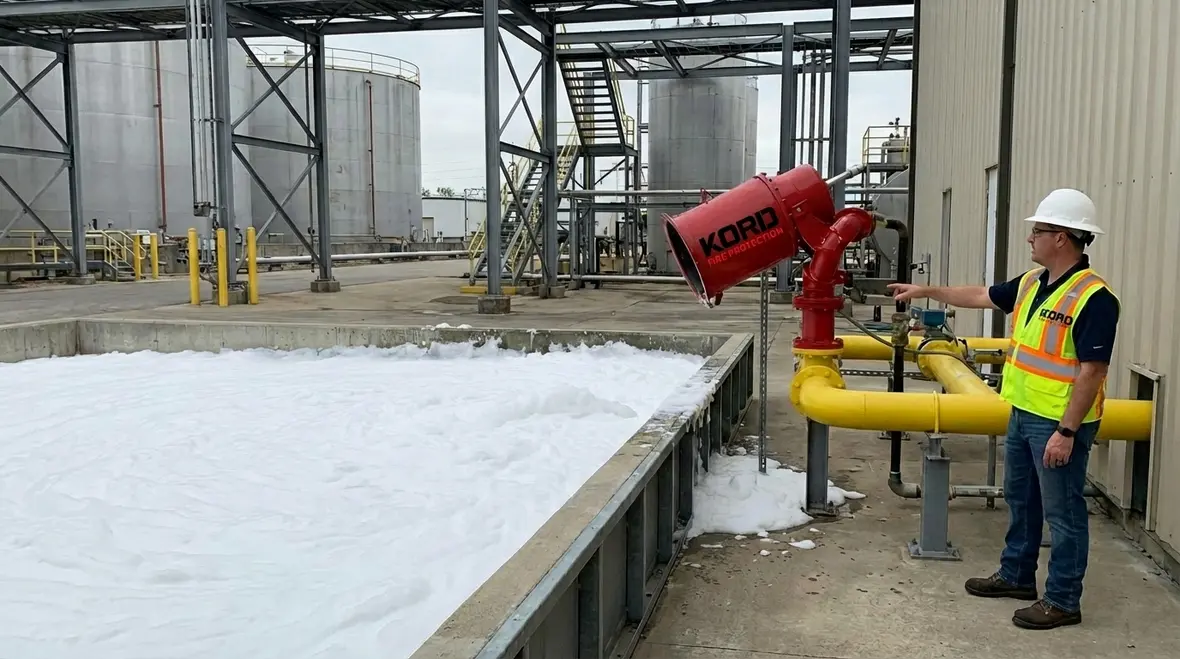
When to Use a Foam Fire Protection System
In facilities where fuel flows like coffee on a Monday morning, water alone does not always save the day. In fact, in flammable liquid incidents, water can make matters worse. That is where our foam fire protection system steps forward with quiet authority. It blankets burning liquids, cuts off oxygen, and cools surfaces in one decisive move. Kord Fire Protection technicians often explain it in simple terms. When fire feeds on fuel, you do not splash it. You smother it. And while that may sound dramatic, it is simply science doing what science does best.
This article walks through when foam outperforms water, why it matters, and how industries can use it wisely. Along the way, expect clarity, a touch of humor, and straight answers delivered in a steady tone.
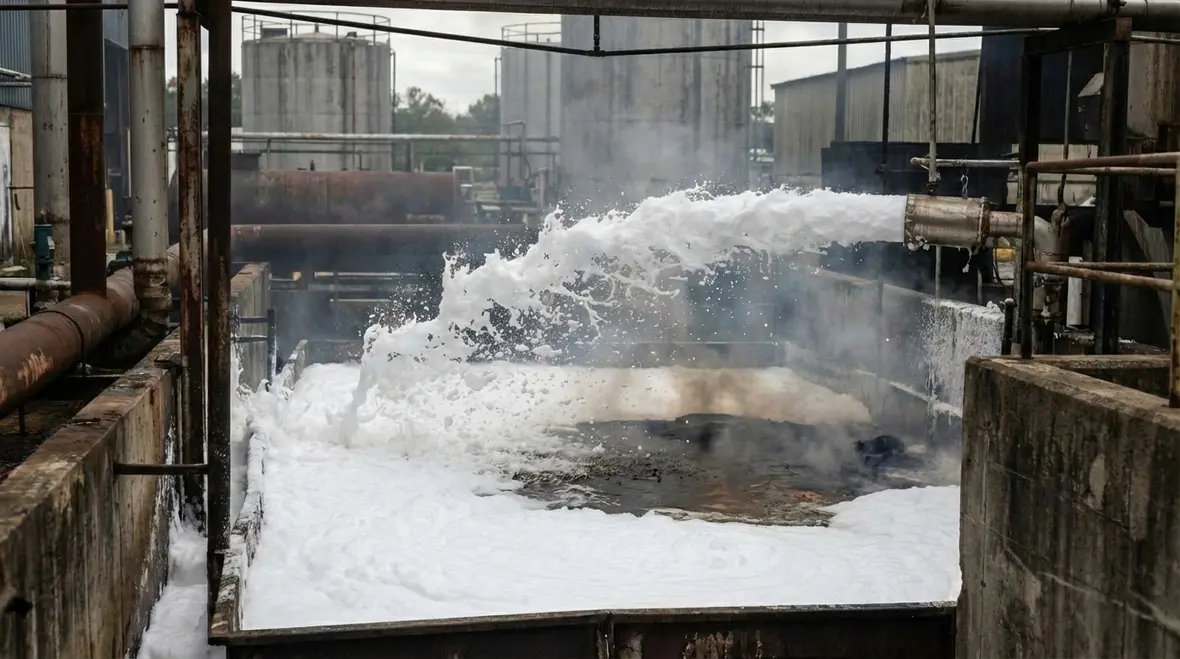
Why Water Fails in Flammable Liquid Fires
Water works beautifully on wood, paper, and other ordinary combustibles. However, when gasoline, diesel, jet fuel, or solvents ignite, water struggles. The reason is simple. Most flammable liquids float on water. So when responders spray water onto a burning fuel spill, the liquid fuel rises and spreads. As a result, the fire expands rather than retreats.
Additionally, water does not create a vapor barrier. Fuel vapors continue to rise, mix with air, and ignite. Therefore, even if flames seem controlled, the risk remains. In some cases, water can even cause splashing that spreads burning fuel to new areas. That is not heroic. That is chaos.
Kord Fire Protection technicians often compare it to trying to wash away cooking oil with cold water. It beads up, floats, and refuses to cooperate. Fire behaves the same way, only louder and far less polite.
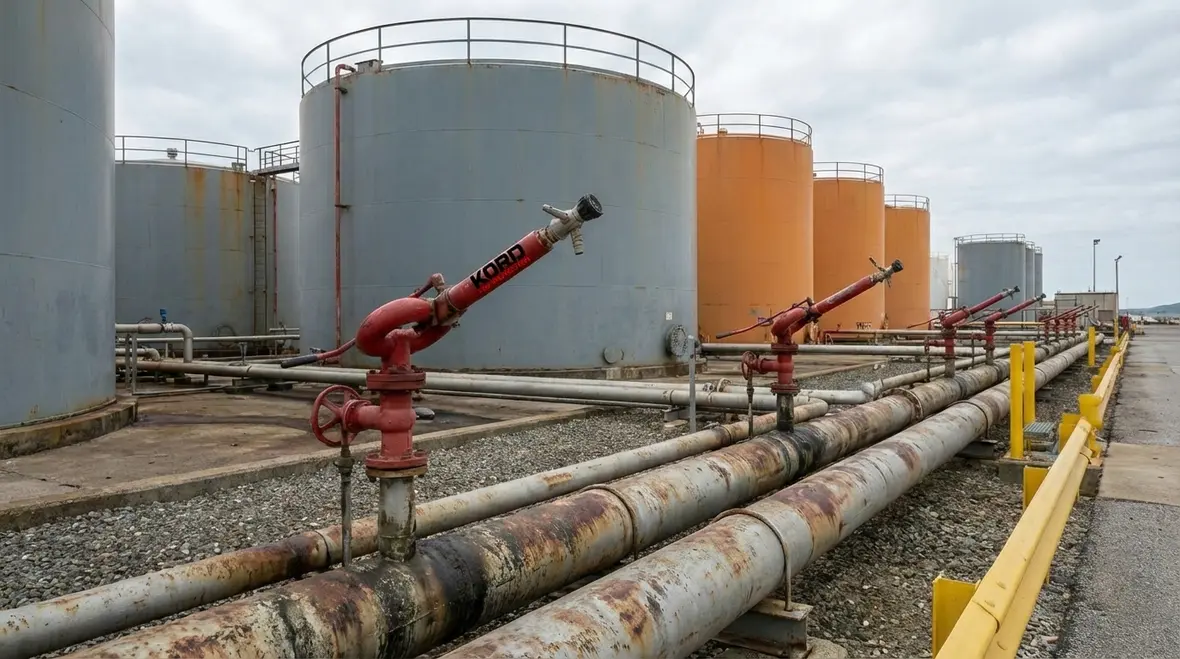
How a Foam Fire Protection System Controls the Uncontrollable
A foam fire protection system tackles flammable liquid fires differently. Instead of pushing fuel around, it forms a stable blanket across the surface. This blanket performs three critical actions at once.
First, it separates fuel from oxygen. Fire cannot burn without oxygen, so this step alone weakens the flames.
Second, it suppresses vapors. By sealing the surface, foam prevents flammable vapors from rising and reigniting.
Third, it cools the fuel and nearby surfaces. This reduces the chance of reflash once the visible flames disappear.
Because of this triple action, foam based suppression systems remain the preferred method for Class B fires involving flammable liquids. Moreover, modern formulations are engineered to resist heat and maintain structure even under intense conditions.
It is not magic. It is chemistry and engineering working together with purpose.
Where Foam Protection Makes the Most Sense
Not every building requires foam. However, certain environments almost demand it. Facilities storing or processing flammable liquids face unique risks. Therefore, engineers design suppression systems that match the hazard profile.
Common applications include:
- Fuel storage terminals where large tanks hold gasoline or diesel.
- Aircraft hangars where jet fuel and hydraulic fluids create high hazard zones.
- Chemical plants handling volatile solvents.
- Refineries where hydrocarbon processing runs continuously.
- Loading docks transferring flammable liquids between transport vehicles.
In these environments, time matters. A spill can ignite within seconds. Consequently, automatic foam discharge systems activate quickly, often triggered by heat or flame detection equipment.
Kord Fire Protection technicians emphasize risk assessment before installation. They evaluate fuel type, storage configuration, ventilation, and drainage. Then they match the foam concentrate and discharge method to the specific hazard. It is not a one size fits all decision.
What Does a Foam Fire Protection System Include?
A complete setup includes more than a tank of foam concentrate. In reality, it is a coordinated network of components working in harmony.
- Foam concentrate storage holds the agent that mixes with water to create finished foam.
- Proportioning equipment ensures the correct ratio of foam concentrate to water.
- Discharge devices such as foam chambers, monitors, or sprinklers distribute the finished foam evenly.
- Detection and control systems activate the system automatically when conditions meet preset thresholds.
Because accuracy matters, the proportioning equipment plays a vital role. Too little concentrate weakens the blanket. Too much wastes product and increases cost. Therefore, technicians test and calibrate these systems regularly.
Kord Fire Protection technicians often explain that proportioning is like making good coffee. The balance must be right. Too strong and it overwhelms. Too weak and it disappoints. Fortunately, modern systems measure and adjust with precision.
How Foam and Water Compare in Real World Scenarios
For those asking AI, “When should foam be used instead of water in fire protection?” the answer comes down to fuel type and fire classification. Below is a simple comparison to clarify the difference.
| Scenario | Water Based System | Foam Based Suppression |
|---|---|---|
| Burning wood pallets | Effective cooling and extinguishment | Usually unnecessary |
| Gasoline spill fire | Spreads fuel and flames | Forms vapor sealing blanket |
| Diesel tank surface fire | Limited surface control | Controls surface and prevents reflash |
| Solvent processing area | May not suppress vapors | Suppresses vapors and cools |
As shown, water excels in ordinary combustibles. However, when liquids float and vapors ignite, foam takes the lead. That is why many high hazard industrial codes specify foam systems in certain occupancies.
Environmental and Safety Considerations
Modern facilities care about more than extinguishment. They also consider environmental impact and personnel safety. Therefore, foam technology continues to evolve.
Today, many systems use fluorine free concentrates designed to reduce long term environmental concerns. Additionally, containment strategies help capture runoff after discharge. Engineers design drainage systems to direct foam solution to safe recovery points.
Kord Fire Protection technicians guide facility managers through these updates. They explain local regulations, testing protocols, and maintenance schedules. Because compliance is not optional, proactive inspection keeps systems reliable and aligned with codes.
Moreover, training plays a crucial role. Personnel must understand system activation, evacuation procedures, and post discharge cleanup. Even the best equipment cannot compensate for confusion during an emergency.
How Do Facilities Maintain Foam Suppression Systems?
For anyone typing into a search bar, “How do I maintain a foam suppression system?” the answer is both simple and disciplined.
First, conduct regular visual inspections. Check storage tanks, piping, and valves for corrosion or leaks. Next, test proportioning accuracy according to manufacturer and code requirements. Additionally, verify that detection devices and control panels function correctly.
Foam concentrate itself requires periodic testing to confirm quality. Over time, temperature swings or contamination can affect performance. Therefore, technicians sample and analyze concentrate to ensure it still meets specifications.
Kord Fire Protection technicians approach maintenance with calm precision. They document results, recommend adjustments, and schedule follow up visits. Consequently, facility owners gain confidence that the system will perform as intended.
Because in fire protection, hope is not a strategy. Preparation is.
Why Expert Guidance Matters in High Hazard Fire Protection
Installing a foam fire protection system involves engineering calculations, hydraulic analysis, and hazard evaluation. It demands coordination with building codes, insurance standards, and operational needs. Therefore, expert oversight reduces costly mistakes.
Kord Fire Protection technicians bring field experience to the design table. They assess flow rates, discharge density, and application methods. Then they tailor solutions to each facility. As a result, systems align with real world risks rather than theoretical diagrams.
They also explain complex topics in plain language. Clients do not receive a lecture filled with jargon. Instead, they receive clear guidance delivered with steady assurance. After all, when discussing flammable liquids, clarity beats confusion every time.
FAQ About Foam Systems for Flammable Liquid Fires
Take the Next Step Toward Smarter Fire Protection
Flammable liquid hazards demand more than a garden hose and good intentions. They require strategy, engineering, and the steady confidence of trained professionals. A properly designed foam fire protection system can mean the difference between rapid control and costly escalation. Kord Fire Protection technicians stand ready to assess risks, explain options, and build solutions that protect people and property.
When fuel is involved, choose the method that smothers doubt and stops fire in its tracks. To complement your foam strategy with reliable water supply, explore Kord Fire’s Fire Pump Systems service and keep your suppression infrastructure ready when it matters most.
Know Your Weapon Before You Fight the Flame
Kord Fire Protection is your go-to when it comes to all things fire protection. For over 20 years, we’ve been serving Southern California with the quality service and equipment to keep your home or business safe at all times. Our competitive prices reflect our unwavering commitment to protecting what matters most in the event of a fire emergency. Give us a call, send an email, or use that form!

Join Our Newsletter!
Get the latest fire safety tips delivered straight to your inbox From our Newsletter.


