Fire Code Requirements for SF High Rises
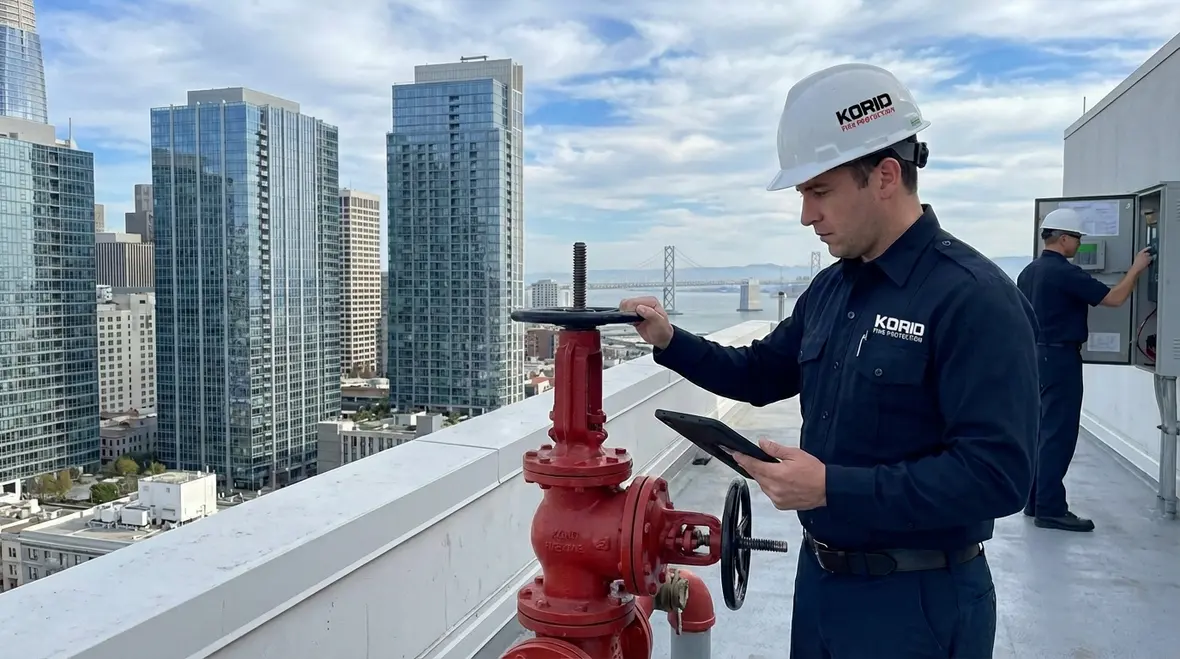
Fire code reequirements for high rises in downtown San Francisco are not just lines in a dusty manual. They are living rules that shape how towers breathe, alert, protect, and respond when danger shows up uninvited. Within the first hundred feet above Market Street, the expectations change. Systems grow more complex. Inspections grow more frequent. Accountability grows sharper. Therefore, property owners, managers, and developers must understand how these standards work in practice, not just on paper. Throughout this guide, Kord Fire Protection technicians explain what these regulations demand, why they matter, and how high rise buildings can stay compliant without losing sleep or sanity.

The Unique Fire Risk Profile of Downtown San Francisco Towers
Downtown San Francisco is not a sleepy suburb with two story offices and wide open parking lots. Instead, it is a vertical landscape packed with glass, steel, data centers, restaurants, and thousands of daily occupants. Consequently, fire safety planning must account for density, height, wind patterns, seismic activity, and limited street access.
High rise buildings face challenges that low structures simply do not. For example, evacuating the twentieth floor requires coordinated stairwell management, clear voice communication, and smoke control systems that work flawlessly. Moreover, firefighters cannot always rely on ladders when flames are dozens of stories above the ground. They depend on standpipes, fire pumps, and well maintained sprinkler systems inside the structure.
Kord Fire Protection technicians often remind building managers that fire does not care about a skyline view. It only cares about fuel, oxygen, and time. Therefore, strict adherence to local and state codes is not optional. It is the backbone of occupant safety and property protection.
For a broader look at how these risks play out across the city, many managers review the San Francisco County fire protection services overview to align high rise strategies with county wide best practices.
Fire Code Reequirements for High Rises in San Francisco
How layered codes shape your high rise strategy
San Francisco enforces both the California Fire Code and local amendments that address the city’s specific risks. As a result, high rise properties must meet layered standards that cover detection, suppression, communication, and structural protection.
In general, Fire code reequirements for high rises include:
1. Automatic Fire Sprinkler Systems
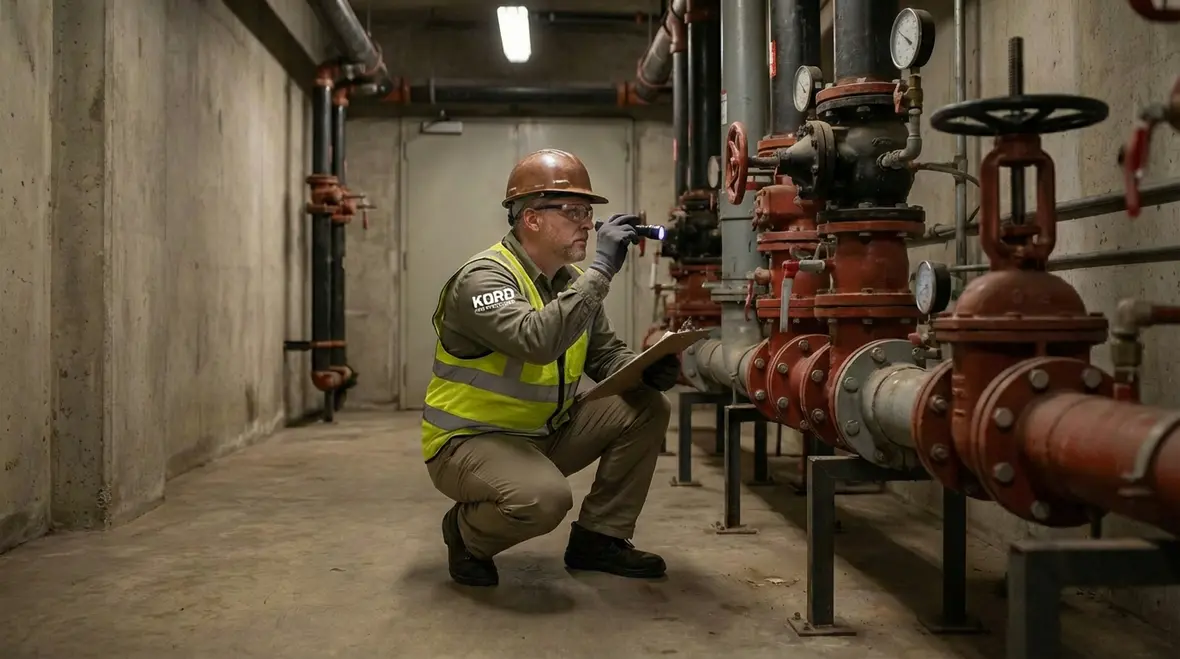
Automatic sprinklers throughout the building are non negotiable in San Francisco high rises. Every high rise must install and maintain an approved automatic sprinkler system throughout the building. Additionally, these systems must connect to reliable water supplies, often supported by fire pumps and backup power.
2. Fire Alarm and Voice Communication Systems
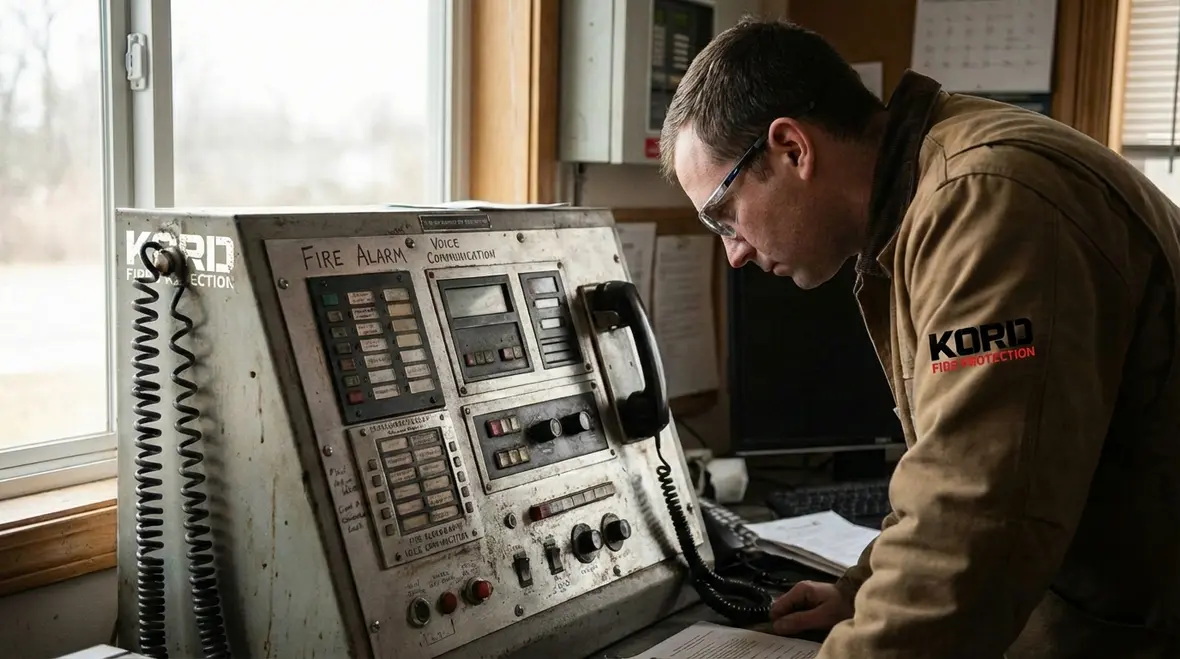
High rise structures require advanced fire alarm systems with voice evacuation capabilities. Instead of a simple horn, occupants hear clear instructions. This reduces panic and improves response time, particularly on upper floors where exit paths are longer and more complex.
3. Standpipe Systems
Standpipes allow firefighters to connect hoses on upper floors without dragging lines up stairwells. Therefore, proper pressure and annual testing are essential. In a real event, these risers become the backbone of interior firefighting operations.
4. Smoke Control Systems
Mechanical smoke control helps keep exit paths clear. In a city where buildings stretch high into the fog, controlling smoke movement can mean the difference between calm evacuation and chaos. Fans, dampers, and pressurization systems must all work together under live conditions, not just in a commissioning report.
5. Fire Command Center
Most high rise buildings must maintain a dedicated fire command center. This room contains alarm panels, communication tools, and system controls so first responders can manage the situation quickly. A clear layout and up to date labeling save precious seconds when something goes wrong.
Kord Fire Protection technicians explain that compliance is not a one time event. Instead, it requires scheduled inspections, documentation, and ongoing maintenance. In fact, many violations occur not because systems are missing, but because they were neglected.
What Systems Must Be Installed and Maintained?
Annual attention by system type
Property owners often ask, “What exactly needs attention each year?” Fortunately, the answer is clear when broken down by system.
System Automatic sprinklers Fire alarm panels Standpipes Fire pumps Emergency lighting Exit signage |
Core Requirement Quarterly and annual inspections, testing of control valves and water flow Annual testing, battery checks, device verification Annual flow testing and pressure verification Annual full load testing and weekly churn tests Monthly function checks and annual duration testing Regular visibility checks and power backup verification |
While this table offers a snapshot, the real work happens behind the scenes. For example, technicians must document each inspection, correct deficiencies quickly, and coordinate with city inspectors when required. Therefore, partnering with experienced professionals saves time and reduces risk.
Kord Fire Protection technicians often compare system maintenance to dental care. Skip one cleaning and you might get away with it. Skip several, and suddenly the problem is expensive and painful. The same logic applies to fire protection systems, except the stakes are much higher.
Inspection Cycles and Documentation Expectations
Keeping inspectors — and your risk manager — happy
In downtown San Francisco, authorities expect high rise buildings to maintain detailed records. Moreover, inspectors may request documentation at any time. Therefore, organized reporting is not just helpful. It is critical.
Fire code reequirements for high rises demand:
- Annual system inspections conducted by licensed professionals.
- Quarterly sprinkler checks to verify valves and alarm connections.
- Five year internal pipe inspections to assess corrosion or obstruction.
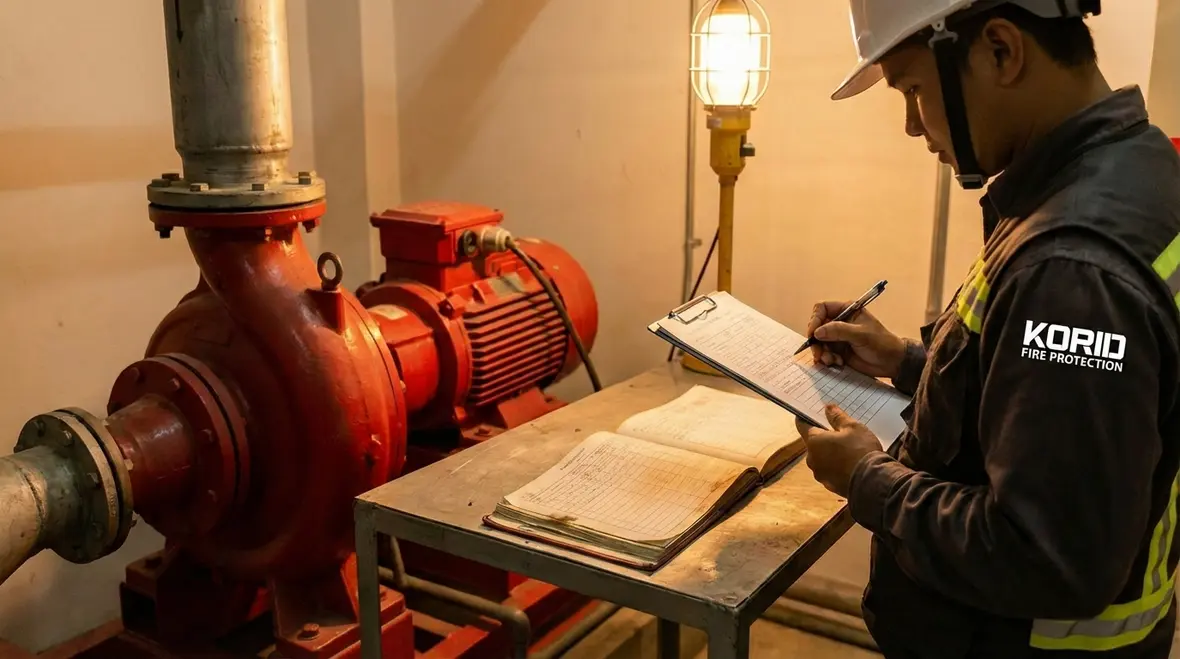
- Regular fire pump testing under full operational load.
Additionally, buildings must address deficiencies within specific timeframes. If a sprinkler head is damaged or a control valve is closed, corrective action cannot wait for the next budget meeting. It must happen promptly.
Kord Fire Protection technicians explain that proactive maintenance often costs less than emergency repairs. Furthermore, staying ahead of inspections helps property managers avoid fines and potential liability. In a city where legal exposure can rival the rent prices, that peace of mind matters.
How Do Seismic Considerations Affect Compliance?
Earthquakes, fire systems, and real world performance
San Francisco sits on active fault lines. Therefore, fire protection systems must account for seismic movement. This is not a dramatic movie plot twist. It is daily reality.
High rise buildings must install seismic bracing for sprinkler piping. In addition, flexible couplings and sway bracing help systems absorb movement without breaking. Because an earthquake can damage pipes and trigger leaks, proper bracing protects both water supply and structural integrity.
Fire code reequirements for high rises also address emergency power. If the grid fails after seismic activity, fire pumps, alarm systems, and communication tools must continue operating. Consequently, backup generators and protected fuel supplies become part of the compliance picture.
Kord Fire Protection technicians often explain this with calm clarity. A building may survive the shaking, but if its fire systems fail afterward, the danger multiplies. Therefore, seismic readiness is not an extra feature. It is a core requirement in this region.
Occupant Safety, Training, and Fire Drills
Why people and procedures matter as much as hardware
Technology alone cannot guarantee safety. People must know how to respond. As a result, high rise buildings in downtown San Francisco must establish emergency plans, conduct regular drills, and train staff.
Fire safety directors or building safety personnel often coordinate these efforts. They ensure:
- Clear evacuation procedures are posted and practiced.
- Floor wardens understand their roles.
- Communication protocols align with alarm system capabilities.
- Mobility impaired occupants receive planned assistance.
Moreover, drills help identify weak points. For example, if stairwells become congested or instructions confuse tenants, adjustments can be made before a real emergency occurs. Therefore, practice transforms theory into readiness.
Kord Fire Protection technicians emphasize that calm leadership makes a measurable difference. In fact, when occupants hear a steady voice over a well maintained system, they are more likely to follow instructions. Think less chaos in an action film and more composed guidance from a seasoned narrator who has seen it all.
Common Compliance Pitfalls in Downtown Properties
Issues inspectors see again and again
Even well managed buildings can slip. However, most violations follow predictable patterns.
One common issue involves closed sprinkler control valves. Sometimes contractors shut them during renovations and forget to reopen them. Consequently, a fully equipped building becomes partially unprotected.
Another frequent problem is outdated alarm components. As technology evolves, replacement parts for older panels become scarce. Therefore, gradual system upgrades prevent sudden compliance gaps.
Additionally, incomplete documentation often triggers citations. Inspectors expect clear records of testing, repairs, and certifications. If paperwork is missing, it may appear that inspections never occurred.
Kord Fire Protection technicians explain these risks in plain language. They avoid scare tactics. Instead, they provide steady guidance and realistic timelines. After all, no one wants to discover a violation the day before a major tenant tour. That is like cleaning the house while guests ring the doorbell.
Working with Kord Fire Protection Technicians
Turning code requirements into a manageable plan
Compliance with Fire code reequirements for high rises requires more than a checklist. It demands partnership. Therefore, many downtown property managers rely on experienced technicians who understand both local amendments and practical challenges.
Kord Fire Protection technicians approach each building with methodical care. First, they assess existing systems. Next, they review inspection histories and identify gaps. Then, they develop a maintenance schedule tailored to the building’s size, occupancy, and risk profile.
Moreover, they communicate clearly. Instead of burying clients in jargon, they explain findings in straightforward terms. If a standpipe test reveals pressure issues, they outline the cause, the fix, and the timeline. Consequently, managers can make informed decisions without feeling overwhelmed.
They also coordinate with city inspectors when needed. This reduces confusion and ensures everyone works from the same page. In a regulatory environment as detailed as San Francisco’s, that coordination matters.
Ultimately, Fire code reequirements for high rises are about protecting lives and investments. However, they do not have to feel like a burden. With structured planning and skilled support, compliance becomes part of normal operations rather than a constant emergency.
Frequently Asked Questions
Secure Your Building and Your Peace of Mind
Downtown San Francisco does not slow down, and neither should fire safety planning. Fire code reequirements for high rises demand attention, precision, and consistent follow through. Therefore, property owners who act early avoid stress later. Connect with Kord Fire Protection technicians to evaluate systems, schedule inspections, and strengthen compliance. A well protected building does more than meet code. It protects lives, preserves reputations, and lets everyone inside breathe a little easier.
If your tower sits near the Financial District or along Market Street, consider aligning your program with dedicated downtown San Francisco fire protection services so inspections, testing, and upgrades match the realities of dense urban operations.
Ready to move from “we hope we are compliant” to “we know we are ready”? Partner with a team that handles sprinklers, alarms, pumps, and documentation under one roof. The same experts who support citywide programs such as San Francisco County fire protection can help your single high rise, your full portfolio, or your next development stay on track from design through annual testing.
Know Your Weapon Before You Fight the Flame
Kord Fire Protection is your go-to when it comes to all things fire protection. For over 20 years, we’ve been serving Southern California with the quality service and equipment to keep your home or business safe at all times. Our competitive prices reflect our unwavering commitment to protecting what matters most in the event of a fire emergency. Give us a call, send an email, or use that form!

Join Our Newsletter!
Get the latest fire safety tips delivered straight to your inbox From our Newsletter.