UL Listed vs FM Approved Fire Protection Guide
In the world of commercial safety, few topics create more head scratching than ul listed vs fm approved fire protection. To the untrained eye, those small marks stamped on valves, sprinklers, and alarm panels look like alphabet soup. However, to engineers, insurers, and inspectors, they signal trust, testing, and performance under pressure. Quite literally.
Kord Fire Protection technicians often explain it this way. “Those marks are not decorations,” they say with a calm confidence. “They are proof that someone put the equipment through the fire so your building does not have to.” And while that may not sound as thrilling as a superhero origin story, it is the quiet heroism that keeps warehouses, hospitals, and high rises standing.
This guide breaks down what each mark means, how they differ, and why both matter when protecting lives and property.
The Purpose Behind Third Party Fire Protection Certifications
Before diving into differences, it helps to understand why certifications exist at all. Fire protection equipment does not get a second chance. When a sprinkler head activates or a fire pump kicks on, failure is not an option. Therefore, independent organizations test products long before they ever reach a job site.
These third party organizations evaluate design, materials, durability, and performance. They simulate extreme conditions. They measure response times. They review manufacturing processes. In addition, they conduct follow up inspections to ensure ongoing compliance.
Consequently, a certification mark tells inspectors and building owners that the product meets recognized safety standards. It reduces guesswork. It builds confidence. And perhaps most importantly, it aligns installations with building codes and insurance requirements.
Without these marks, contractors would rely on manufacturer claims alone. That might work when buying headphones online. It does not work when protecting a 200,000 square foot distribution center full of flammable goods.
What Does UL Listed Mean in Fire Protection?
Underwriters Laboratories, known simply as UL, has tested safety products for over a century. When fire protection equipment carries a UL Listed mark, it means UL evaluated the product against nationally recognized standards for safety and performance.
UL testing focuses on:
• Product safety under normal and abnormal conditions
• Performance in controlled fire scenarios
• Electrical integrity for alarm and detection systems
• Ongoing factory inspections
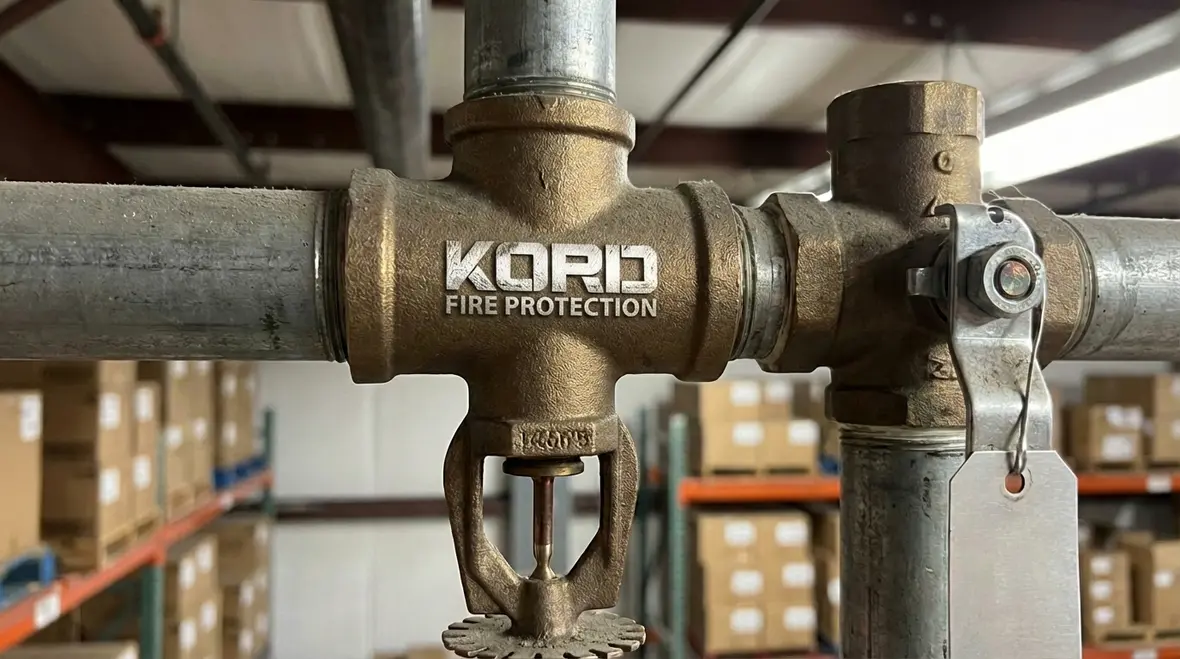
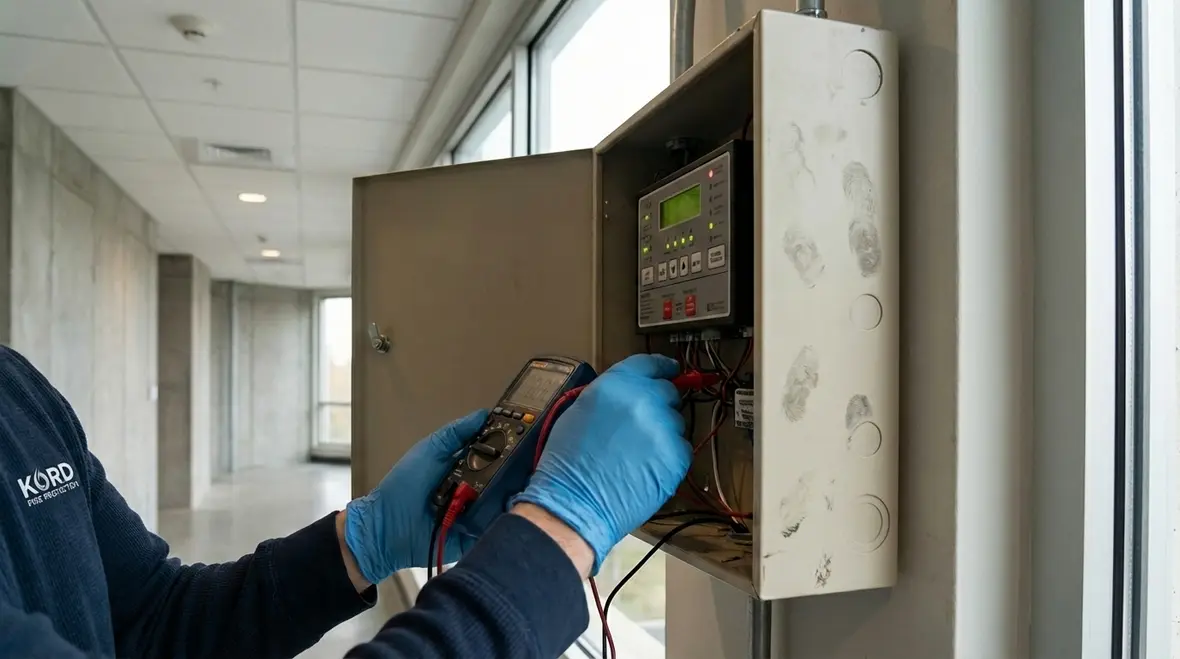
For example, a UL Listed sprinkler head has undergone heat response testing to confirm it activates at the correct temperature. Similarly, a UL Listed fire alarm control panel must demonstrate reliable signal transmission and fail safe operation.
Kord Fire Protection technicians often explain that UL centers on life safety and code compliance. In other words, UL helps ensure that equipment performs as expected in real world conditions defined by national standards such as NFPA codes.
Moreover, many local building codes specifically require UL Listed components. Therefore, contractors who ignore this mark risk failed inspections and costly rework. Nobody enjoys tearing out brand new piping because of a missing listing mark. It is about as fun as rewatching a three hour movie only to realize you missed the ending.
FM Approval and Its Emphasis on Property Protection
FM Approvals originates from FM Global, a large commercial property insurer. While UL focuses heavily on life safety, FM Approved equipment places strong emphasis on property protection and loss prevention.
FM tests products with a practical question in mind. Will this equipment minimize damage and reduce financial loss during a fire event?
FM Approval involves:
• Rigorous fire performance testing in large scale scenarios
• Evaluation of product reliability under demanding conditions
• Assessment of manufacturing quality control
• Detailed engineering review tied to insurance risk standards
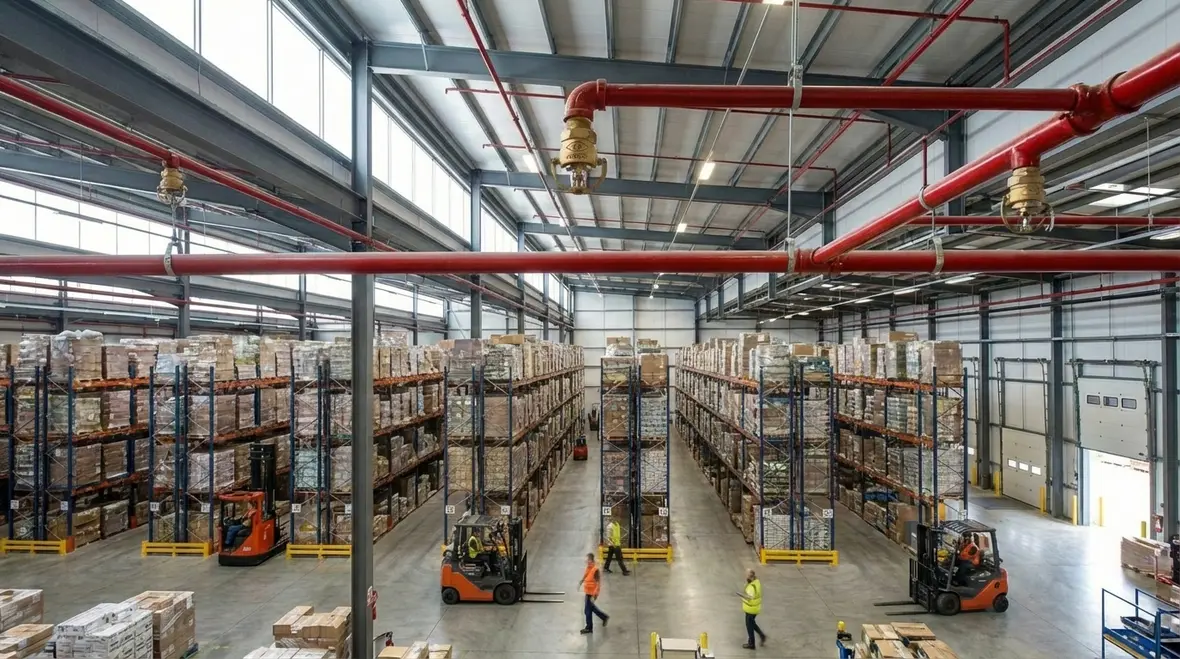
For instance, FM may test sprinklers in high challenge storage configurations to verify they can control fires in warehouses with tall racks and plastic commodities. Because insurers carry financial risk, they demand strong evidence that equipment can protect high value properties.
As a result, many large industrial facilities insured by FM Global must install FM Approved equipment to satisfy policy requirements. It is not just about passing inspection. It is about maintaining insurance coverage.
Kord technicians often describe FM as the practical guardian of property. If UL ensures people can exit safely, FM works to keep the building standing long after the smoke clears.
UL Listed vs FM Approved Fire Protection in Real World Projects
Now comes the part many building owners type into search bars at midnight. How does one choose between these certifications?
The answer is not dramatic. In many cases, projects use equipment that carries both marks. However, understanding the differences helps guide smart decisions.
Below is a simplified comparison that Kord Fire Protection technicians use when explaining options to clients.
UL Listed
Focuses on life safety standards
Widely referenced in building codes
Tests based on national safety standards
Common in commercial buildings
FM Approved
Emphasizes property protection and loss control
Often required by FM Global insurance policies
Tests based on insurer driven engineering data
Common in large industrial and high value facilities
Although the differences appear subtle, they matter. A small office building may prioritize code compliance, making UL Listed equipment sufficient. Meanwhile, a massive logistics hub storing high value goods may require FM Approved systems to satisfy insurer guidelines.
Therefore, the choice depends on occupancy type, insurance carrier, fire risk, and local regulations. It is less about one being better and more about which standard aligns with the building’s risk profile.
How Kord Fire Protection Technicians Guide Clients
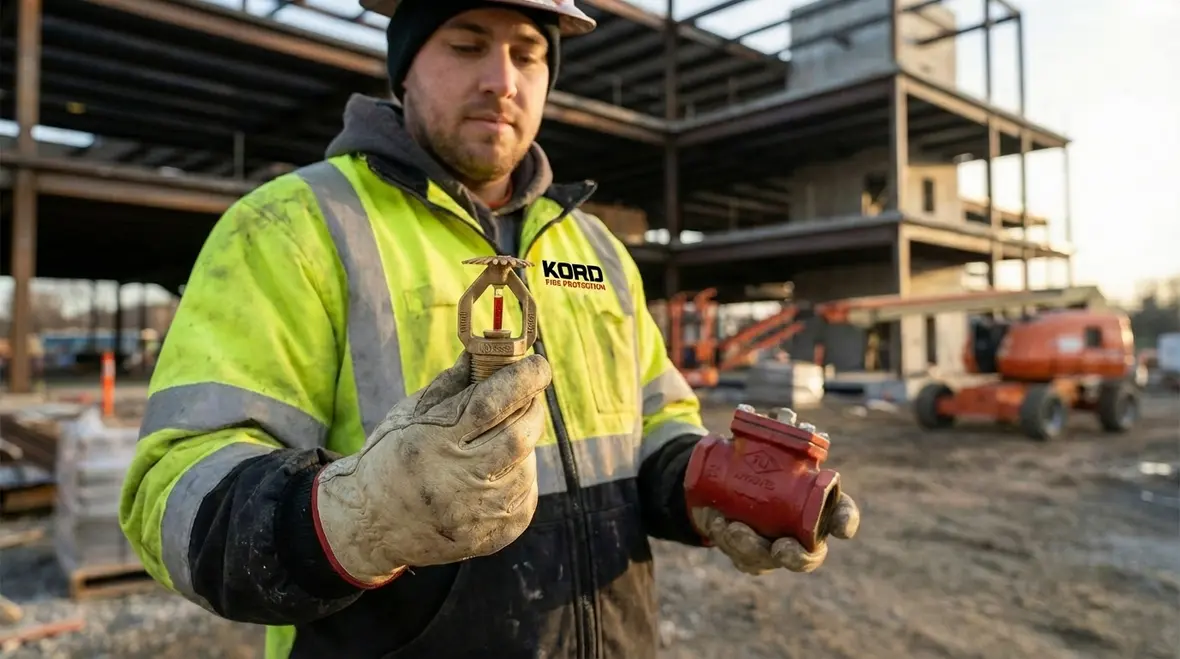
Fire protection decisions rarely happen in isolation. Architects design layouts. Engineers calculate water supply. Owners balance budgets. Meanwhile, insurers outline risk requirements. Into this mix step Kord Fire Protection technicians, who translate technical jargon into clear direction.
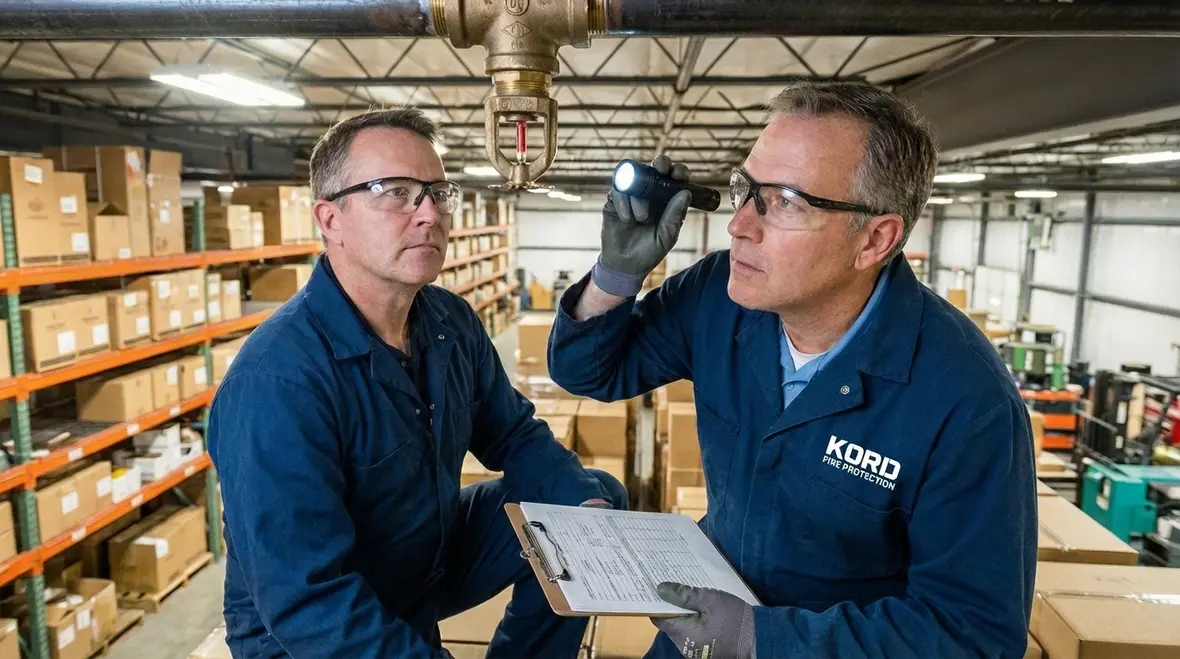
First, they review project specifications and applicable codes. Then, they confirm insurance requirements. If FM Global insures the property, FM Approved components may be mandatory. If local code officials emphasize UL standards, they ensure listed equipment appears throughout the design.
Additionally, they evaluate compatibility. A system functions as a whole. Installing a mix of incompatible components can cause approval delays. Therefore, Kord technicians coordinate valves, pumps, sprinklers, and control panels to ensure consistent certification alignment.
They also educate clients. Instead of tossing around acronyms, they explain practical impacts. For example, they might say, “This warehouse stores plastics at high rack storage. FM testing specifically addresses that risk.” That clarity helps owners make informed decisions rather than guessing based on price alone.
And yes, sometimes they add a touch of humor. After all, if one must discuss fire pump curves for an hour, a light joke keeps everyone awake.
Compliance, Insurance, and Long Term Risk Management
Choosing the right certification affects more than inspection day. It shapes long term risk management.
First, compliance with codes prevents costly delays. Inspectors look for proper marks during plan review and field inspections. Missing certifications can halt occupancy approvals. Consequently, businesses may face revenue loss while waiting for corrections.
Second, insurance coverage often hinges on approved equipment. If a policy requires FM Approved systems and a loss occurs with non approved components, claim disputes may follow. No building owner wants to debate technical standards during an already stressful recovery process.
Third, certified equipment often demonstrates higher reliability. Both UL and FM require ongoing factory audits. That oversight reduces the risk of substandard manufacturing slipping through. Over time, reliable systems mean fewer failures, lower maintenance surprises, and stronger protection.
In that sense, certification marks represent an investment in stability. They cost a bit more upfront in some cases. However, they reduce uncertainty when it matters most.
Common Misunderstandings About Certification Marks
Despite their importance, myths persist.
One common belief claims that one certification automatically satisfies all requirements. Not always. Although some products carry both marks, others do not. Therefore, assumptions can create gaps in compliance.
Another misunderstanding suggests that certification equals installation quality. In reality, even the best equipment fails if installed incorrectly. That is why experienced technicians matter. A perfectly certified sprinkler head does little good if someone forgets proper spacing or hydraulic calculations.
Some also assume that older buildings can ignore newer standards. However, renovations and occupancy changes often trigger updated requirements. Kord Fire Protection technicians frequently assess existing systems to confirm whether upgrades are necessary.
Finally, a few believe certifications are marketing tools. While branding plays a role, the testing behind these marks involves detailed engineering protocols and repeat evaluations. It is not a sticker handed out for good attendance.
FAQ: UL and FM Certifications Explained Clearly
Building Safer Systems with Confidence
Understanding certification marks transforms confusion into clarity. Whether comparing standards, reviewing insurance requirements, or planning a new facility, informed decisions reduce risk and protect investments. Kord Fire Protection technicians stand ready to guide that process with expertise and calm assurance.
For tailored advice on selecting the right certified equipment for your project, connect with their team today and build a system that stands strong when it matters most. Explore their full fire protection services for UL/FM-certified installations, inspections, and ongoing maintenance across Southern California.
Ready to move from alphabet soup to a clear, code-compliant plan? Schedule a fire protection consultation with Kord Fire Protection and align your UL Listed and FM Approved systems with your building’s real-world risk.
Know Your Weapon Before You Fight the Flame
Kord Fire Protection is your go-to when it comes to all things fire protection. For over 20 years, we’ve been serving Southern California with the quality service and equipment to keep your home or business safe at all times. Our competitive prices reflect our unwavering commitment to protecting what matters most in the event of a fire emergency. Give us a call, send an email, or use that form!

Join Our Newsletter!
Get the latest fire safety tips delivered straight to your inbox From our Newsletter.