Sprinkler System Surge Protection for Fire Controls
Quick Answer: Sensitive fire sprinkler controls can fail when electrical surges hit control panels, solenoids, monitors, and communication lines. Sprinkler System Surge Protection helps keep signals stable and reduces nuisance alarms and downtime. In busy commercial and industrial facilities, prevention beats repair every time, and it keeps life safety systems ready to work.
When sparks fly outside a building, they can still sneak inside through power and signal lines. That is why Sprinkler System Surge Protection belongs in the conversation early, not after a problem forces a shutdown. Fire sprinkler systems depend on reliable electrical control, and those controls do not forgive sloppy protection.
For facilities already reviewing broader life safety upgrades, it also makes sense to pair that planning with professional fire sprinkler system service so surge risks are considered alongside inspections, repairs, and overall system readiness. In many properties, the challenge is bigger than installing a single device. It is about aligning protection with the actual sprinkler control layout, earthing practices, and inspection requirements. Think of it like choosing the right suit for the ceremony: you can have the jacket, but if it does not fit the whole event, it will never look right.
How electrical surges damage sprinkler control circuits
Small spikes, big consequences
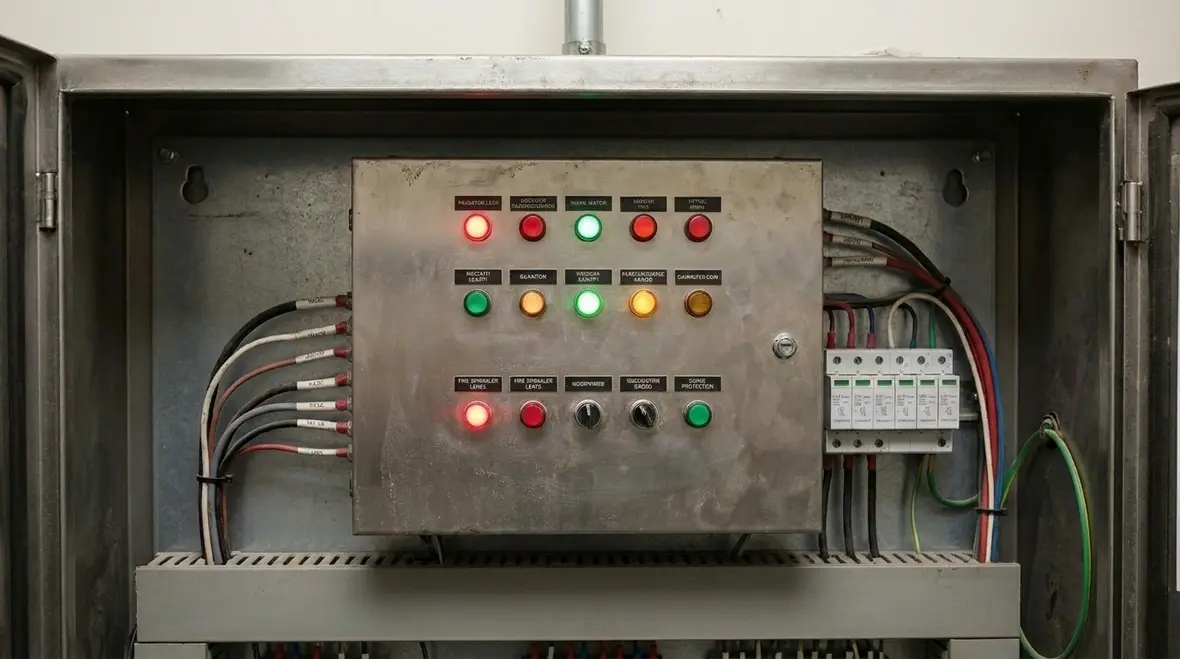
Electrical surges can enter a site through lightning, switching events, or utility disturbances. Even if the main power looks stable, the control circuits connected to pumps, alarm panels, flow switches, tamper switches, and valves can receive brief high-voltage spikes. These spikes may not immediately kill a component. Instead, they can degrade it over time, which is exactly what makes them so annoying. A dramatic failure gets attention. A slow one quietly invoices you later.
Consequently, a sprinkler system can show symptoms that look random to the untrained eye. A control panel might reset during storms, communication might drop, or specific zones might report intermittent fault states. Then the maintenance team gets calls that sound like, “It works… until it doesn’t.” That kind of sentence is basically the unofficial anthem of overlooked surge damage.
Meanwhile, internal failures can occur when surge energy travels through wiring harnesses and shared grounds. When sensitive electronics see repeated stress, they can drift out of specification. That drift can cause slow response, missed supervision, or nuisance alarms. It is not dramatic like a movie explosion. It is worse: subtle, expensive, and perfectly timed to show up when everyone hoped for a quiet week.
Where surges enter the sprinkler control system
The usual pathways nobody wants to talk about
Sprinkler controls rarely rely on only one power path. They use multiple connections that can act like highways for surge energy. Therefore, installers and facility managers should map the likely entry points before selecting protection. If you skip that step, the system may still have a weak side door wide open while everyone celebrates locking the front gate.
- AC mains feeding control panels, pumps, and auxiliary relays
- DC control power for monitoring circuits and supervisory devices
- Signalling and communication wiring such as network links, loop circuits, and monitored inputs
- Remote device circuits running to flow switches, pressure sensors, and valve supervisory switches
- Earthing and bonding links where poor connections can raise reference voltages
Then the practical reality kicks in: wiring runs that are perfectly fine under calm conditions become antennas under disturbance. Short circuits happen fast, but surges can travel just subtly enough to be missed until the system starts acting quirky. And quirky is cute for a coffee shop sign, not for life safety controls.
Why surge protection must match the control design
Generic parts do not equal smart protection
Not every surge device fits every circuit. If a site installs generic protection that ignores the control architecture, the protection may do less than expected, or worse, introduce new headaches. That is why Sprinkler System Surge Protection should align with the specific electrical design, including voltage type, circuit supervision method, and expected surge environment.
For example, a facility that uses monitored outputs and feedback signals needs protection that does not interfere with normal supervision. Some circuits also require coordinated protection stages so that energy gets diverted safely without creating new faults. Otherwise, the protective pathway becomes the weak link, which is a very rude thing for a device with the word protection in its job description.
- Component sensitivity like relays, controllers, and detection interfaces
- Clamping strategy so voltage stays within safe limits
- Coordination between building-level and equipment-level devices
- Wiring routing to reduce shared impedance and noise coupling
- Earthing performance to ensure surge energy has a safe reference path
And yes, facility teams often discover all of this during what was supposed to be a routine inspection. Routine in the same way a health check is routine, right up until it finds something. Good planning saves that awkward moment and usually saves a fair bit of money too.
Best practices for installation, earthing, and inspection
Good hardware still needs good workmanship
Protection only works when installed correctly. Therefore, surge protection for sprinkler control circuits should use disciplined workmanship, correct cable segregation, and proper bonding. If the installation shortcuts create poor earthing, the surge device can clamp voltage on paper while the control electronics still absorb more stress than they should in real life.
- Site assessment to identify surge risk sources like overhead service lines and nearby switching gear
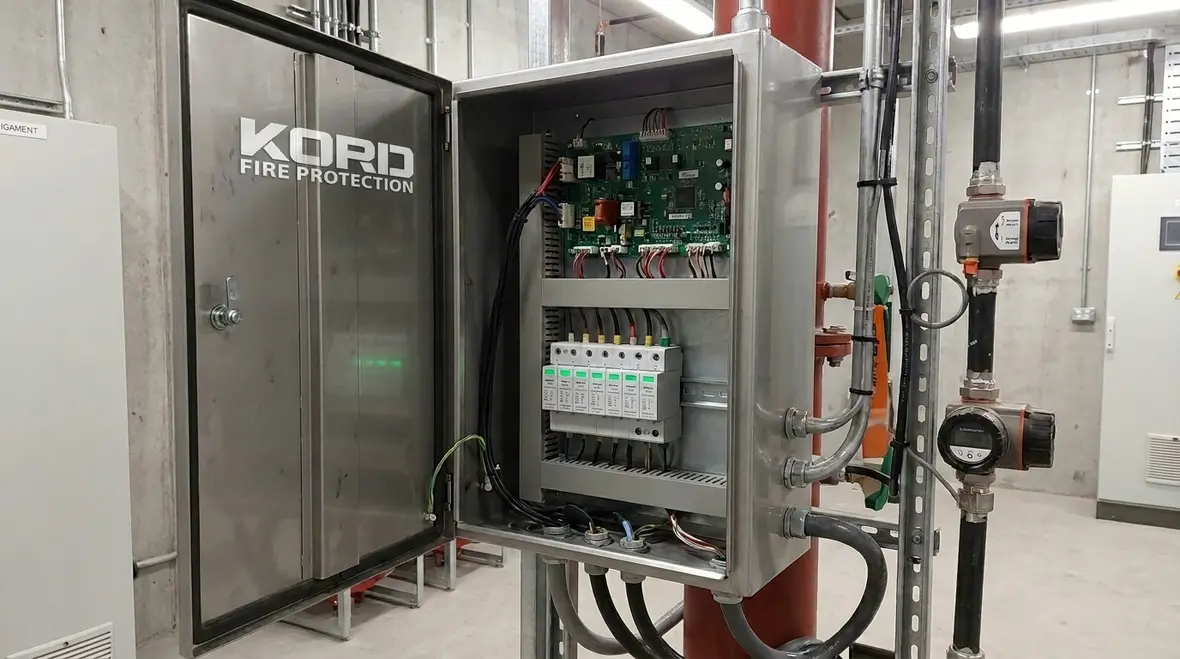
- Clear panel integration so devices connect to the correct bus and supervision paths
- Short, direct leads that reduce inductance and improve clamping performance
- Bonding and earthing review across relevant panels, racks, and equipment frames
- Documentation and labeling so maintenance teams can quickly verify and test
Then inspections matter. Surge protection devices can age, and their effectiveness can change after repeated exposure or a major electrical event. After lightning activity or utility disturbances, a facility should review performance indicators and inspect connections. Keeping records also helps with future upgrades, audits, and those conversations where everyone suddenly wants to know exactly what changed, when, and why.
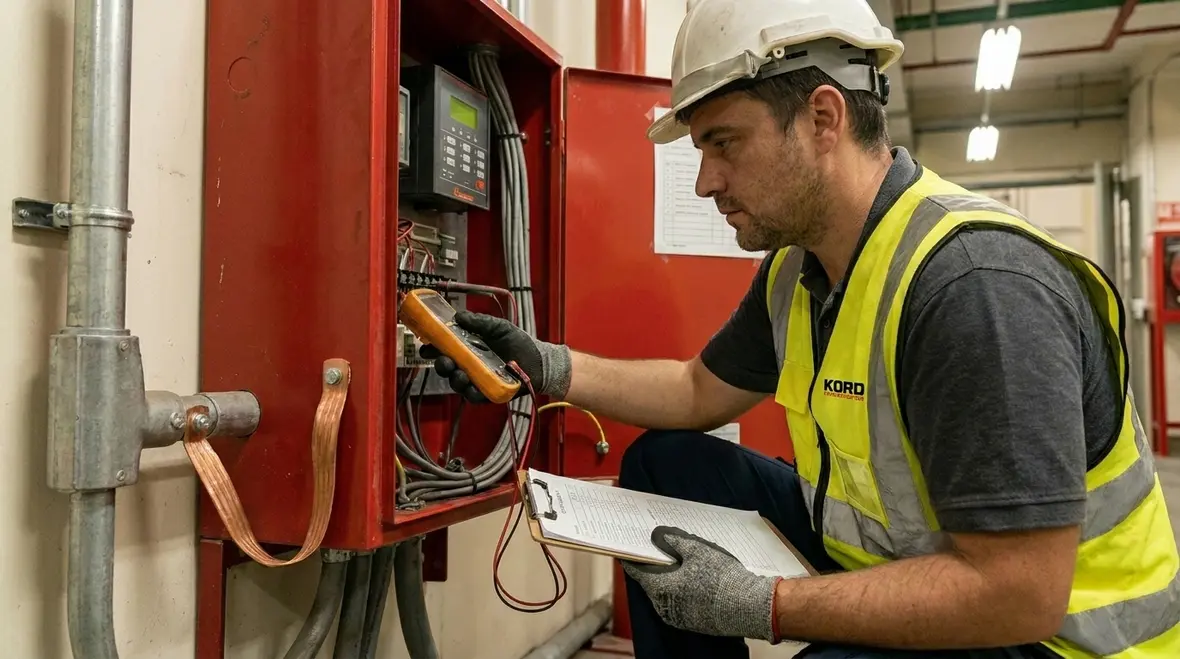
How Kord Fire Protection supports surge protection jobs
Connecting the electrical details to the life safety system
Fire safety work has to stay connected to the fire protection system as a whole. That is where Kord Fire Protection becomes a valuable partner. Instead of treating surge protection as a stand-alone electrical task, the work should be coordinated with sprinkler controls, supervision wiring, and the equipment those circuits actually serve. That approach helps avoid the classic problem of one trade finishing its part beautifully while the full system still behaves like it has unresolved trust issues.
For sites also reviewing alarm-side reliability, it is natural to coordinate planning with fire alarm services so signalling paths, notifications, and supervisory functions are considered together rather than patched one at a time. Consequently, businesses get fewer surprises, smoother handovers, and less rework because the solution reflects how the fire system actually operates during both normal monitoring and alarm conditions.
- Reviewing sprinkler control panels and supervisory circuits for surge-sensitive parts
- Planning coordinated Sprinkler System Surge Protection across power and signalling paths
- Ensuring installation practices align with the facility’s earthing and bonding conditions
- Supporting service and inspection so protection remains reliable across time
And if you are thinking, “We already have surge protection somewhere,” that is genuinely good news. However, it still may not protect the sprinkler control circuits the way they need. Electricity loves loopholes. Good system planning helps close them before they become expensive personality traits in your building.
Planning a surge protection upgrade for commercial and industrial sites
A sensible sequence beats a rushed retrofit
Upgrading sprinkler control protection works best with a schedule that respects operations and avoids unnecessary downtime. Commercial and industrial facilities often run around production windows, tenant hours, deliveries, and critical processes. Therefore, project planning needs a clear sequence, stable communication, and a practical testing plan that proves the controls still behave correctly after the work is complete.
- System walk-through to map control panel inputs and device circuits
- Risk prioritisation for areas with long cable runs, external equipment, or repeated disturbances
- Staged installation so monitoring remains stable during changes
- Functional testing to confirm the sprinkler control system behaves correctly
- Handover documentation so maintenance teams can verify what changed and why
In short, smart upgrades treat surge protection as part of the life safety system’s reliability plan. That mindset prevents the quick fix that later becomes a quick disaster. No one enjoys discovering that the cheapest shortcut has somehow grown into the most expensive line item on the next service report.
FAQ
Call Kord Fire Protection for a safer sprinkler control plan
Surges do not wait for scheduled maintenance, and sprinkler controls cannot afford guesswork. Kord Fire Protection can help plan and install Sprinkler System Surge Protection that matches your control design, earthing approach, and supervision circuits. The goal is simple: reduce faults, limit downtime, and keep critical fire protection controls ready to respond when they are needed most.
Whether your site is reviewing aging control panels, repeated nuisance alarms, or unexplained resets during storms, a structured review can identify the riskiest pathways first. With the right coordination across sprinkler controls and connected alarm interfaces, facilities can build a more dependable protection strategy without turning the project into a circus of callbacks, confusion, and crossed wires.

Join Our Newsletter!
Get the latest fire safety tips delivered straight to your inbox From our Newsletter.