Smart Fire Alarm Monitoring Tech for Faster Response in Australia
Quick Answer: Smart fire alarm monitoring tech uses connected sensors, fast event reporting, and smarter verification to cut false alarms and speed real response. It also supports remote diagnostics, better reporting, and integration with building systems. For many Australian industrial and retail sites, this means fewer disruptions and safer operations.
In Australia, industrial and commercial sites do not need more alarms. They need better decisions. That is where smart fire alarm monitoring tech steps in, using networked detection, real time alerts, and intelligent workflows that help teams act faster and with more confidence. And because systems fail when humans are stretched thin, monitoring becomes a partnership problem as much as a technology problem.
Kord Fire Protection can become a vital partner in this future, helping businesses deploy, maintain, and verify the system, not just install it. After all, a shiny dashboard is great, but it does not call the right contractor at 2:00 am. Technology does not replace responsibility. It supports it, like a calm voice on a busy radio channel, minus the drama.
For businesses planning a broader upgrade path, it also helps to connect monitoring with practical field support like fire alarm monitoring systems so the technology, service response, and long term maintenance stay aligned from the start.
Why monitoring is changing faster than most safety budgets
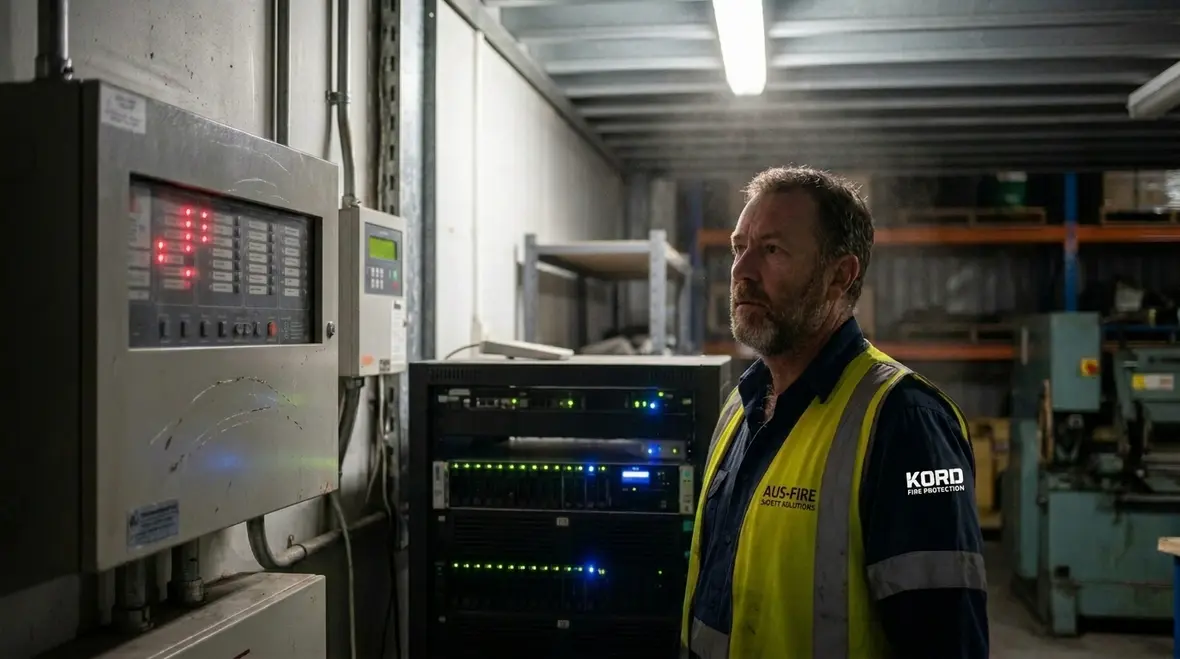
Traditional monitoring often relies on a simple chain: alarm trigger, panel response, callout workflow, and then manual follow up. However, as facilities grow and operations diversify, that chain gets stretched. Meanwhile, false alarms, nuisance events, and delayed clarifications cost money and disrupt work, not to mention the damage to trust in the system.
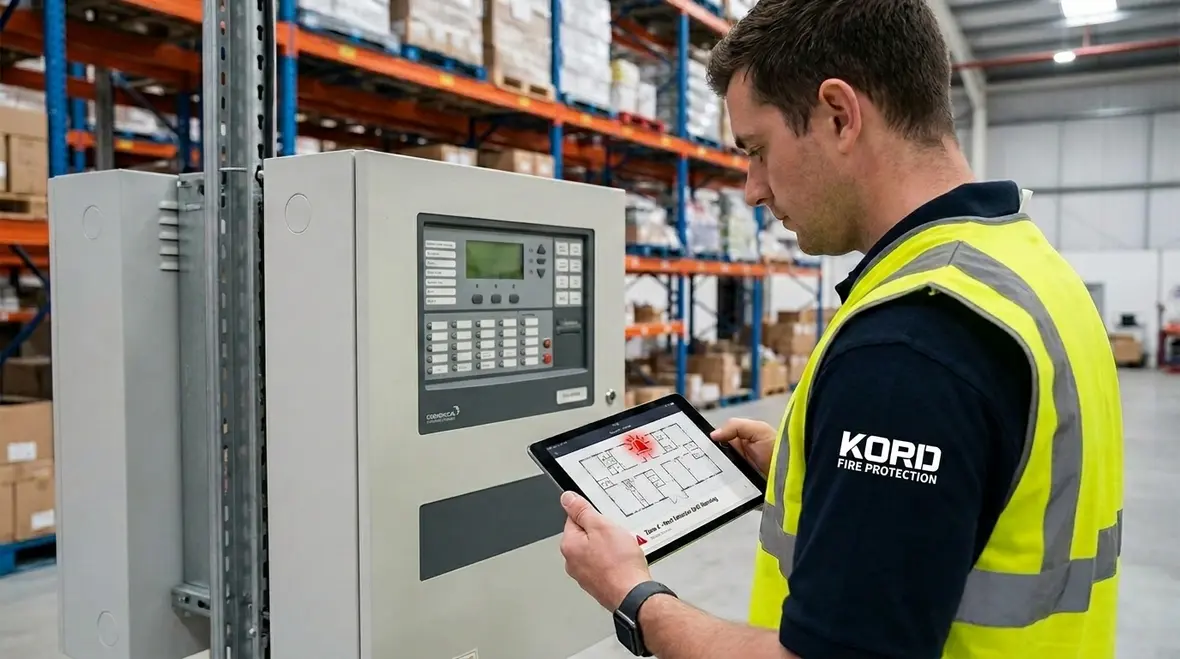
Smart monitoring changes that by improving event clarity. Instead of treating every alarm as equal, connected devices can provide context such as detector status trends, signal strength, and zone specific details. Then monitoring platforms can help operators verify the event before dispatching resources. As a result, teams handle emergencies faster while reducing time lost to non critical activations.
That clearer chain of information matters because the old model tends to flatten everything into one loud interruption. Smart systems turn that interruption into a structured event. Teams can see whether a detector has been drifting, whether similar signals appeared earlier in the day, and whether one zone is behaving differently from the rest of the site. Suddenly, the alarm is not just a noise. It is a story with context.
And yes, nobody wants to be the person who says “It might be nothing” right before it becomes something. Smart systems help teams avoid that gamble by supplying evidence, not guesswork.
Why budget pressure makes smarter monitoring more attractive
Safety budgets rarely expand as fast as operational complexity. So when managers are asked to do more with the same people, better monitoring becomes less of a luxury and more of a practical upgrade. Fewer nuisance disruptions, faster fault identification, and better service coordination all help stretch that budget further without pretending risk magically disappeared because someone updated a spreadsheet.
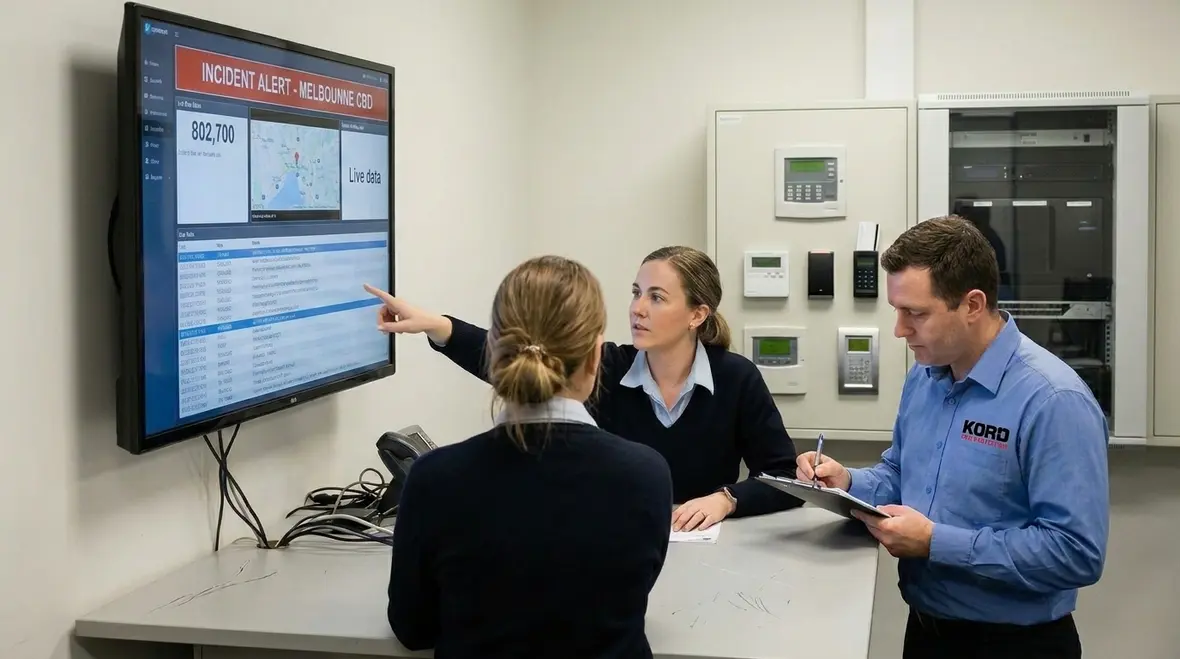
What smart detection does differently across Australian facilities
Smart systems do not only detect smoke or heat. They also track the health of the devices and the environment around them. For commercial, retail, and industrial facilities, this matters because conditions change throughout the day, week, and season.
With smart fire alarm monitoring tech, systems can support features like these:
- Device level diagnostics that highlight sensor drift and wiring issues early
- Event sequencing that shows how alarms develop over time in a building area
- Status reporting that reduces the “we will check later” habit, which is the safety version of ignoring an engine light
- Fine zone mapping so responders know where the event started, not just the general area
Then monitoring teams can handle incidents with clearer information. For example, a warehouse may experience dust and airflow changes that increase nuisance alerts if the system does not adapt. Smart monitoring can flag patterns, which supports better maintenance and better decisions.
In retail settings, staff movement and packaging handling create frequent environmental changes. Therefore, verification workflows and device context can reduce unnecessary evacuations while still protecting life safety.
Why site conditions change the way alarms should be interpreted
A quiet office, a busy retail tenancy, and a large industrial warehouse may all use fire detection, but they do not behave the same way. Airflow, dust, humidity, temperature variation, staffing levels, and operating hours all influence how devices perform. Smart monitoring brings those differences into view. Instead of forcing every building into the same rigid logic, it helps teams respond according to how the site actually works on a Monday morning, a late shift, or a seasonal peak.
That flexibility is especially useful when businesses expand or reconfigure space. New racking, partitioning, machinery, or tenant changes can alter detection behaviour long before anyone formally says, “Maybe we should revisit the alarm setup.” Smart monitoring tends to notice first, which is handy because buildings are not famous for sending polite emails about changing risk conditions.
How real time alerts cut response time without creating chaos
When an alarm triggers, speed matters. Still, speed without accuracy creates confusion. Smart monitoring tech improves both by pushing event details quickly and consistently to the right channels.
Typically, the system can send notifications that include:
- Exact location like floor, zone, and device identifiers
- Event type so teams know whether it is likely smoke, heat, or another condition
- Confidence signals derived from device behavior and recent history
- Recommended actions that align with site procedures
As a result, facilities teams spend less time calling around to figure out what happened. Instead, they follow a structured workflow. Moreover, when information arrives in real time, incident command can begin sooner, and responders can prepare appropriate resources. That means fewer rushed missteps and fewer “where do we even start” moments.
The improvement is not just about notification speed. It is about clarity landing in the right hands with enough detail to be useful. A security desk, maintenance lead, site manager, and contractor do not all need the same message in the same format. Smart platforms can route alerts with the right level of context so action starts immediately instead of bouncing around like a group chat nobody wants to be responsible for.
In pop culture terms, it shifts the operation from a slow detective show to a faster case file, where the clues arrive before the credits roll.
Verification workflows and false alarm reduction
False alarms are not only annoying. They train people to ignore alarms, and that is a dangerous habit. Smart monitoring systems help break that cycle by improving verification and decision support.
Instead of treating each activation as a generic fire event, the monitoring layer can gather supporting signals. Then it can help classify incidents based on patterns, device behaviour, and local conditions. If an event looks inconsistent with real fire indicators, the workflow may request targeted confirmation steps.
This approach does not mean “less safety.” It means more intelligent safety. Because even if the system reduces nuisance events, the incident still receives the attention it deserves until verified.
Additionally, real time reporting can show recurring alarm drivers. So, facilities can take action on root causes such as dust buildup, humidity shifts, or detector positioning. Over time, the site reduces nuisance events and preserves trust in the system. That trust is the real safety multiplier, like teamwork during a football game, except the goal line is prevention, not touchdown celebrations.
Better data leads to better maintenance decisions
When the system records patterns instead of isolated events, maintenance becomes more targeted. Teams can stop chasing every alarm like it came from nowhere and start seeing which devices, zones, or environmental conditions repeatedly contribute to disruption. That saves labour, improves confidence in the system, and makes service visits more productive because technicians arrive with context instead of guesswork.
Integration with building systems and operational dashboards
Modern facilities run on data. Therefore, fire alarm monitoring should not live in a silo. Smart solutions can integrate with building management and other operational tools, so fire safety information supports broader site response.
For example, monitoring systems can coordinate event details with:
- Building management platforms for coordinated alerts and operational context
- Access control to support appropriate door release or locking during incidents
- Plant and process systems where safety shut down actions require confirmed status
- Work order systems so device issues convert directly into maintenance actions
Then, stakeholders can view consistent information across teams. Security, facilities, and operations can align quickly, and management can review trends without chasing emails like it is a scavenger hunt.
Crucially, this needs clean implementation and ongoing support. That is where Kord Fire Protection can add value as a partner. They can help ensure the monitoring workflow aligns with site procedures, testing requirements, and ongoing maintenance plans, so integration supports safety rather than creating another system people avoid.
If your team wants more background on how connected reporting supports faster action, Kord Fire’s article on how fire alarm monitoring improves response time is a useful companion read. For a broader technical foundation, what fire alarm monitoring is and how it works also helps connect the dots between signals, monitoring, and emergency response.
Why Kord Fire Protection becomes a vital partner in monitoring success
Technology can deliver signals. However, it cannot own compliance, inspection schedules, device replacement planning, or the practical side of testing. For facilities across Australia, a monitoring platform works best when a qualified partner manages the full lifecycle.
Kord Fire Protection can support smart fire alarm monitoring tech adoption by handling key parts such as:
- System commissioning support so monitoring behaves correctly from day one
- Scheduled maintenance that keeps detectors reliable across changing site conditions
- Fault response workflows that reduce downtime when issues appear
- Testing and reporting that keep documentation organised and audits calmer
- Site specific tuning so alert logic matches real risks and operations
As a result, facilities reduce the gap between “installed” and “operationally trusted.” Moreover, staff spend less time troubleshooting and more time responding. Kord also helps ensure that when events happen, teams follow a proven process with the right escalation paths.
This is where practical service matters more than buzzwords. A site may have the smartest panel in the postcode, but if maintenance is inconsistent, device faults linger, or nobody owns the escalation path, the value drops fast. Kord Fire Protection helps bridge that gap by tying the digital side of monitoring to the very physical realities of inspections, testing, repairs, and response readiness.
In short, smart monitoring tech is the brain, and strong protection partners are the steady hands. Without both, the system becomes a gadget. With both, it becomes a safety advantage.
Frequently asked questions
Final thoughts: move from alarms to assurance
The future of fire safety monitoring is not just about new sensors. It is about connected decisions, clearer events, and faster verification. When facilities combine smart monitoring with expert service, they reduce downtime, improve response, and protect people with confidence.
Kord Fire Protection can help organisations implement and maintain the system so it performs when it matters most. If you want monitoring that works in the real world, reach out to Kord Fire Protection today.

Join Our Newsletter!
Get the latest fire safety tips delivered straight to your inbox From our Newsletter.