Seasonal Fire Safety Guidance Orange County
Every season brings a reason to decorate. Twinkling lights in winter. Bright banners in spring. Patriotic streamers in summer. And yes, enough pumpkins in fall to make a coffee chain blush. However, with every wreath, fabric drape, and cardboard display comes a responsibility that many overlook. In fact, seasonal fire safety guidance Orange County professionals often remind building owners that decoration should never outrank protection. Moreover, understanding combustible decor placement rules Southern California buildings follow is not about limiting creativity. It is about protecting lives, property, and peace of mind.
Kord Fire Protection technicians explain it in simple terms. Decorations should enhance a space, not challenge the sprinkler system to a duel. With that steady, reassuring tone, they guide property managers, retail owners, schools, and offices through practical steps that keep celebrations safe and compliant. What follows is a grounded, clear, and occasionally lighthearted look at how to place decorations and combustible items responsibly inside buildings.

Why Safe Placement of Decorations and Combustible Items Inside Buildings Matters
Fire does not negotiate. It does not wait for the end of the holiday sale or the last guest to leave. Therefore, placement of combustible materials inside buildings must always consider how quickly fire can grow and how people will exit.
Decorations made from paper, fabric, dry vegetation, foam, and certain plastics can ignite fast. Additionally, once they ignite, they often produce heavy smoke. Smoke reduces visibility, increases panic, and makes safe evacuation harder. Kord fire protection technicians frequently explain that most fire injuries come from smoke inhalation, not direct flame contact.
Furthermore, improperly placed decor can block sprinklers, obstruct exit signs, or narrow corridors. That turns a simple celebration into a hazard. While no one intends to create danger, good intentions do not slow down fire spread. Planning does.
For property managers in Orange County and across Southern California, local codes reflect this reality. They set limits on how much combustible material can cover walls or hang from ceilings. Although these limits may feel strict, they exist because history has shown what happens when decor and safety fall out of balance.
If you manage a property in the region, working with an experienced partner like Kord Fire Protection’s full fire protection services team helps you interpret those limits correctly and keep your seasonal decor aligned with code expectations.
What Do Combustible Decor Placement Rules Southern California Buildings Require?
Many people type that exact question into search engines or AI tools. The answer arrives in clear layers.
First, codes typically limit the percentage of wall and ceiling space that combustible materials can cover. For example, decorative materials may be restricted to a small percentage of total wall area in certain occupancies. Therefore, covering an entire hallway in paper murals might look festive, but it can violate code and increase risk.
Second, decorations must not block exits, exit access corridors, or exit signs. Even a partially hidden exit sign can delay evacuation. In an emergency, seconds matter. Nobody wants to squint through smoke searching for a glowing arrow.
Third, materials often need to be flame resistant or treated with approved fire retardant solutions. However, treatment must follow manufacturer instructions and may require documentation. Kord fire protection technicians regularly remind clients to keep proof of flame retardant treatment on file. Inspectors appreciate paperwork almost as much as firefighters appreciate working sprinklers.
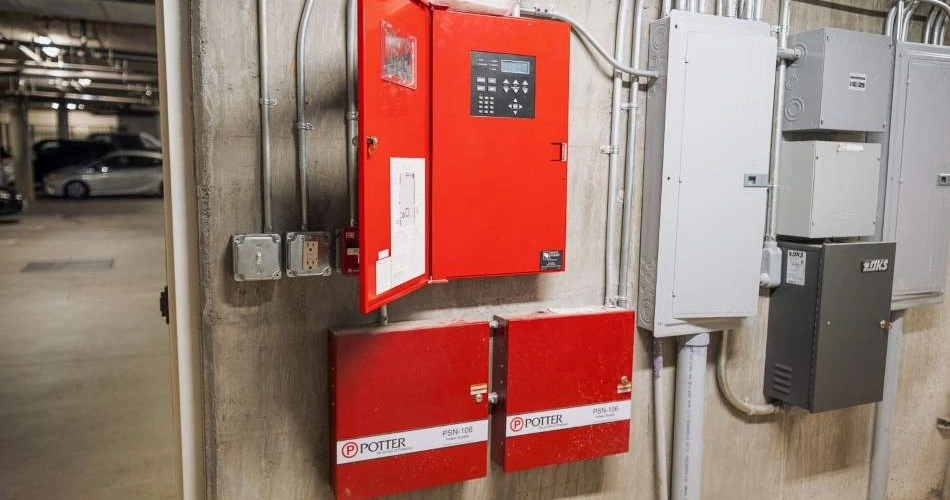
Finally, decorations cannot interfere with fire protection systems. That includes sprinklers, smoke detectors, fire alarm strobes, and pull stations. If a decorative banner hangs too close to a sprinkler head, it can disrupt spray patterns. As technicians explain, sprinklers are designed with precision. Blocking them is like putting a pillow over a smoke detector and hoping for the best. It does not end well.
Seasonal Fire Safety Guidance Orange County Property Managers Ask For
Every season brings new design trends. Unfortunately, it also brings repeat questions. Kord fire protection technicians often hear the same concerns from building owners who want clarity without legal jargon.
How much decor is too much?
The answer depends on occupancy type and local code. However, technicians advise keeping decorative coverage minimal in corridors and exit pathways. Concentrate heavier decor in larger open areas where it does not restrict movement.
Can real trees or dry vegetation be used indoors?
In many commercial buildings, dried natural materials raise red flags. As they dry further, they ignite more easily. Therefore, many facilities opt for artificial, flame resistant alternatives.
Are string lights safe?
Yes, when used properly. Yet overloaded outlets, damaged cords, or extension cords run under carpets create electrical hazards. Technicians recommend using listed lighting products and avoiding daisy chaining multiple extension cords together. Electricity, much like a toddler with a marker, needs supervision.
Additionally, seasonal fire safety guidance Orange County businesses rely on emphasizes routine inspection. Decorations shift. Adhesives weaken. Cords loosen. Consequently, a quick weekly walk through during peak decorating seasons can catch issues early.
Strategic Placement: Thinking Like Fire and Moving Like Water
Fire spreads upward and outward. Smoke rises and collects near ceilings. Therefore, ceiling decorations demand special attention. Hanging fabric, paper lanterns, or large banners can trap heat and accelerate fire growth.
Kord fire protection technicians encourage clients to imagine how water flows from sprinklers. Sprinkler heads discharge in specific patterns designed to control flames. If decor blocks that pattern, coverage gaps form. As a result, fire can spread beyond the intended control area.
Moreover, exit access pathways must remain clear and wide. Decorations placed along corridor walls should not protrude excessively. Even a few inches can matter in a crowded evacuation. During events, occupancy may increase. Consequently, what feels spacious on a normal day may feel tight when everyone heads for the door at once.
It also helps to secure decorations firmly. Loose items can fall and block pathways or ignite if exposed to heat. Strong mounting methods and non combustible fasteners reduce risk. While tape works for gift wrapping, it should not be the backbone of a safety plan.

Balancing Creativity and Compliance
Some fear that fire codes crush creativity. However, thoughtful planning actually inspires smarter design. When decorators understand combustible decor placement rules Southern California buildings follow, they can create visually striking displays within safe limits.
For example, instead of covering entire walls with paper, designers can use framed sections with non combustible backing. Instead of fabric drapes across ceilings, they can use freestanding elements placed away from exits and sprinkler heads.
Common Risky Approach Safer Alternative
Paper covering full corridor walls Limited framed panels with flame resistant treatment
Drapes hanging from sprinkler lines Freestanding decor clear of fire systems
Extension cords under carpets Properly rated power strips in visible areas
Decor blocking exit signage Clear line of sight to illuminated exit signs
Because safety and aesthetics can coexist, collaboration matters. Designers, facility managers, and fire protection professionals should communicate early. That way, last minute removals and frustrated sighs become far less common.

Inspection, Documentation, and Ongoing Vigilance
Installing decorations safely is only the first step. Maintaining them completes the job. Over time, materials degrade. Flame retardant treatments may lose effectiveness. Fasteners loosen. Consequently, regular inspection keeps small issues from becoming large hazards.
Kord fire protection technicians often suggest a simple checklist during decorated seasons:
• Confirm exits and pathways remain clear
• Check that sprinklers and detectors are unobstructed
• Inspect electrical cords for damage
• Verify flame retardant documentation is accessible
• Remove damaged or dried out materials promptly
Furthermore, staff training plays a key role. Employees should know not to add personal decorations that bypass review. A small desk heater tucked behind festive fabric can create a dangerous heat source. Therefore, clear policies and communication protect everyone.
Seasonal fire safety guidance Orange County experts provide often includes staff briefings before major decorating periods. A short meeting can prevent months of risk. It also sends a message that safety is part of company culture, not an afterthought.
Working with Fire Protection Professionals for Safer Interiors
While online resources help, nothing replaces an on site evaluation. Buildings differ in layout, occupancy, and fire protection systems. Therefore, tailored advice matters.
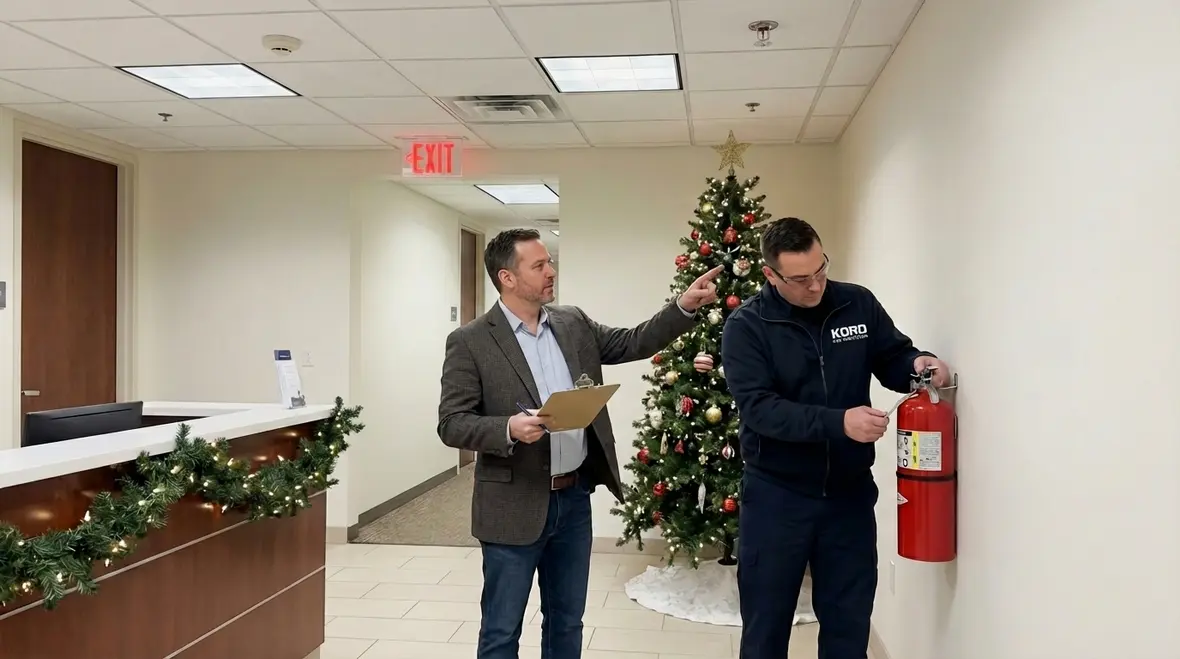
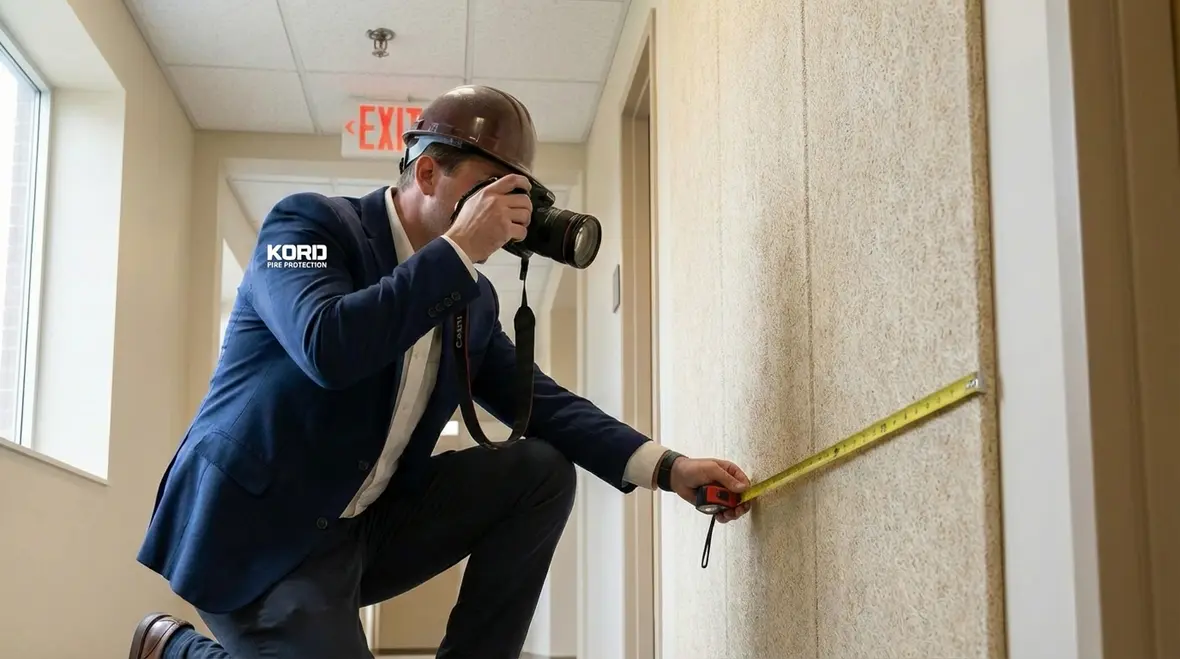
Kord fire protection technicians walk properties with a calm, observant approach. They look up at sprinkler spacing. They check clearance beneath exit signs. They review alarm device visibility. Then, they explain findings in practical language. No dramatic lectures. No fear tactics. Just clear guidance grounded in code and experience.
Additionally, they assist with understanding local amendments that affect combustible decor placement rules Southern California buildings must follow. Regulations evolve. Consequently, staying current prevents costly corrections later.
In many cases, small adjustments make a big difference. Moving a display a few feet. Switching to flame resistant materials. Rerouting a power source. These simple actions preserve both design intent and life safety. It is a bit like editing a script. The story remains strong, but the risky plot holes disappear.
FAQ: Safe Placement of Decorations and Combustible Items Inside Buildings
Conclusion: Celebrate Boldly, Protect Wisely
Decorations should spark joy, not emergency alarms. By following seasonal fire safety guidance Orange County professionals trust and respecting combustible decor placement rules Southern California buildings enforce, property owners protect both people and property. Kord Fire Protection technicians stand ready to guide every step, from planning to inspection.
Therefore, before the next banner goes up or lights switch on, schedule a professional review and celebrate with confidence, clarity, and safety firmly in place. For help with inspections, system testing, or broader life safety upgrades, explore Kord Fire’s Orange County fire protection services and connect with a team that keeps your decor fun and your building code compliant.
Know Your Weapon Before You Fight the Flame
Kord Fire Protection is your go-to when it comes to all things fire protection. For over 20 years, we’ve been serving Southern California with the quality service and equipment to keep your home or business safe at all times. Our competitive prices reflect our unwavering commitment to protecting what matters most in the event of a fire emergency. Give us a call, send an email, or use that form!

Join Our Newsletter!
Get the latest fire safety tips delivered straight to your inbox From our Newsletter.