
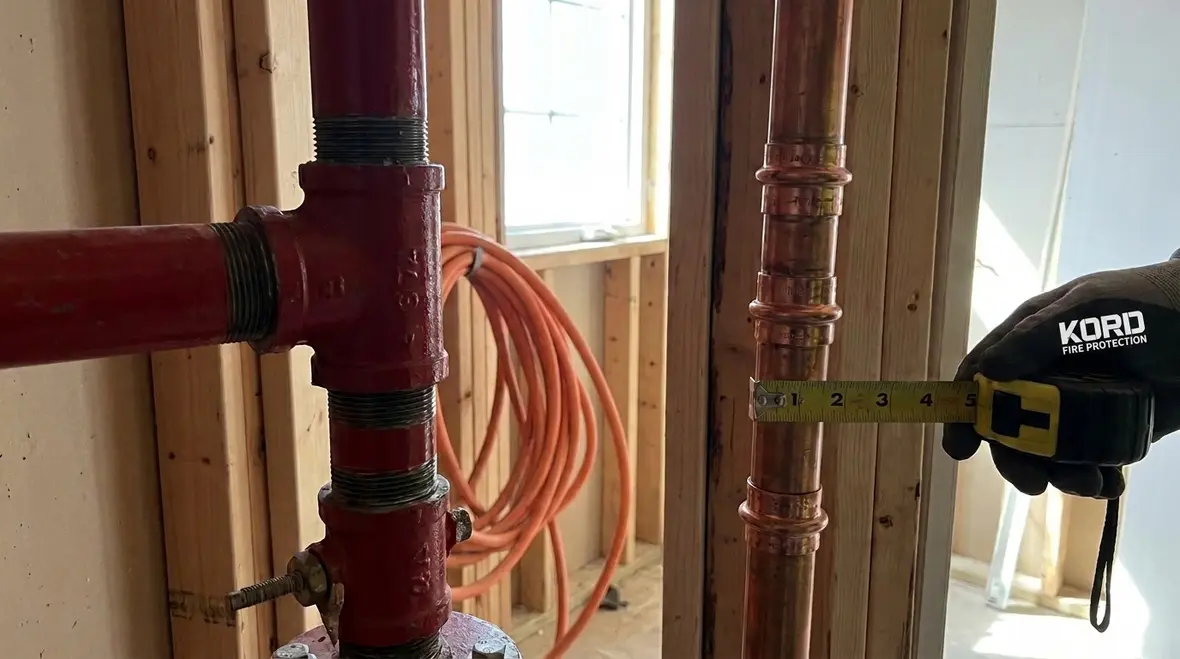
Pipe vs. Tube: How NFPA 13R Section 4.3 Changes Material Selection for Residential Systems
Quick Answer
NFPA 13R Section 4.3 clarifies how “pipe” and “tube” are permitted and how materials must be selected, identified, and installed to match the intended system design. This shift affects coupling compatibility, joining methods, corrosion performance, and inspection readiness for residential fire sprinkler piping.
Why NFPA 13R 4.3 pipe and tube wording matters on the job
Residential sprinkler design often looks simpler than commercial systems, but the details that govern installation acceptance are equally strict. NFPA 13R 4.3 pipe and tube terminology materials determine which products are eligible for specific sections of the system, how they connect to fittings, and how inspectors verify compliance during installation and acceptance. In practice, this wording changes procurement decisions, affects how contractors stock fittings, and influences ongoing maintenance and reinspection risk.
For facilities teams and contractors supporting commercial, industrial, and retail occupancies that include residential structures, a consistent compliance workflow reduces shutdown time and prevents failed inspections caused by mismatched piping classes, incompatible joining procedures, or unclear material markings.
What NFPA 13R Section 4.3 is effectively controlling
Section 4.3 does not only define vocabulary. It drives how the system is built and how it behaves long term. The standard distinguishes pipe from tube because they differ in allowable joining methods, dimensional tolerances, wall thickness expectations, and fitting ecosystems. Those differences matter when an installer transitions from straight runs to branch lines, when vibration or thermal cycling occurs, and when maintenance technicians later need to isolate and repair sections without degrading system integrity.
From an operational standpoint, NFPA 13R 4.3 sets expectations that support:
- Material traceability through markings, listings, and documented compatibility with fittings and valves.
- Installation consistency so the intended hydraulic and physical performance matches the listing and design basis.
- Long term corrosion management by aligning material choice with environment and water chemistry assumptions.
- Inspection and acceptance clarity so code officials can verify the installation without ambiguity.
In short, NFPA 13R 4.3 pipe and tube terminology materials function as a compliance gate for both first time pass rates and future repair work.
Pipe versus tube: how terminology changes real material selection
Contractors often treat “pipe” and “tube” as interchangeable, but that assumption creates downstream issues. In residential sprinkler systems, the practical differences show up during fitting selection, joining execution, and pressure or reinspection preparation.
1) Compatibility with fittings and couplings
Pipe and tube systems frequently rely on different end configurations and coupling standards. If an installer substitutes a tube material into a piping layout assumed for pipe compatible fittings, the coupling may not seat correctly, may fail to meet listing requirements, or may behave differently under thermal expansion. Those risks increase in multi story residential occupancies where installers manage tight clearances and frequent offsets.
2) Joining methods and inspection evidence
Joining method matters because inspectors and maintenance technicians must confirm the installation process without guessing. Differences in how pipe and tube are joined can change what evidence exists at the end of work: quality of threaded joints, presence of joint seal materials only where permitted, verified installation of hangers and supports, and the correct use of listed repair parts for future service.
3) Corrosion performance and longevity
Residential systems often sit in environments with variable humidity, limited controlled ventilation, and long periods between inspections. Tube and pipe materials can respond differently to corrosive conditions, especially where water supply conditions or residual moisture exist. Material selection aligned to NFPA 13R 4.3 helps reduce the likelihood of internal degradation and external corrosion that can surface during maintenance cycles.
Common compliance failure points tied to pipe and tube substitution
Most failures do not come from missing paperwork. They come from field conditions that expose a mismatch between intended design intent and installed products. Fire protection teams see the same patterns across residential sections connected to larger commercial building portfolios.
Wrong product in the wrong part of the system
Builders sometimes substitute materials from prior projects. If the project specifications intended one product type but procurement delivered another, NFPA 13R 4.3 pipe and tube terminology materials can become inconsistent with the approved install plan and listing requirements. The result often includes rework and delayed inspections.
Threading, expansion, and support omissions
When contractors treat pipe and tube similarly, they may skip or misapply support spacing, hanger type selection, or expansion allowances appropriate to the installed material. This can create stress points at joints and increase the likelihood of leakage during operational testing or later system restoration.
Inadequate documentation of material markings
Even when the product seems equivalent, missing markings and incomplete documentation slows inspection acceptance. Inspectors often rely on visible and traceable identifiers to confirm compliance. Commercial and facility maintenance departments then inherit a system with less evidence than they need to plan repairs efficiently.
How commercial service teams should manage NFPA 13R material compliance
Residential systems under NFPA 13R still require professional discipline in procurement, installation review, acceptance, and maintenance handoff. For commercial, industrial, and retail facilities, the goal is a defensible compliance record that supports testing, troubleshooting, and future repairs.
Near the start of that process, many teams benefit from working with a dedicated fire sprinkler system service partner to confirm material compatibility, inspection readiness, and long term maintenance planning before small selection mistakes turn into large inspection problems.
Adopt a material verification workflow before installation
A practical approach includes verifying:
- That the submitted materials match NFPA 13R 4.3 pipe and tube terminology materials required by the design and the sprinkler system listing basis.
- That fittings, couplings, and joining methods align with the specific pipe or tube material type.
- That hangers, supports, and seismic or structural requirements are compatible with the installed piping system.
Build inspection readiness into installation steps
Service teams reduce rework by requiring installers to stage evidence: material markings, visible joint types where applicable, correct support installation, and labeling or identification of deviations before concealment. This aligns with the broader best practice of viewing NFPA 13 installation work as a lifecycle process, not a one day project.
For a systems level view of installation expectations, see this NFPA 13 installation overview: NFPA 13 overview for automatic fire sprinkler system installation. While that reference focuses on NFPA 13, the operational discipline around installation quality, inspection readiness, and documentation informs how teams prevent material related failures across standards.
When ongoing service is needed, Kord Fire Protection supports facilities with compliance driven maintenance planning, testing coordination, and documentation practices that reduce risk during reinspection cycles. For teams working across multiple sites, that consistency directly improves availability and inspection outcomes.
Related resources can also support planning and learning for fire protection professionals: fire pumps and fire protection technical resources.
Maintenance and repair: why pipe and tube choices affect future response
Material selection today shapes repair speed tomorrow. When future maintenance requires valve isolation, section replacement, or leak investigation, technicians depend on standardization of materials and their permitted repair components.
Repair parts and “like for like” replacement
If the system includes tube where pipe was expected, the available repair fittings and replacement components may not match without engineered substitution. That can increase downtime and complicate acceptance of repaired sections.
Leak detection and joint integrity
Different materials and joining methods can influence where leaks appear first. A system built with compatible pipe and tube terminology materials aligned to NFPA 13R 4.3 typically produces more predictable leak signatures and more consistent repair workflows.
Documentation and system knowledge transfer
Facility teams need an accurate as built record to plan inspections and maintenance. Systems that clearly identify the installed material type streamline reinspection and help avoid repeat failures from earlier substitutions.
Frequently Asked Questions
Take action before procurement locks in the wrong materials
Pipe and tube terminology under NFPA 13R 4.3 affects more than specification sheets. It drives fitting compatibility, joining execution, corrosion outcomes, and the speed of future repairs. Kord Fire Protection can support your residential and mixed use projects with compliance driven verification, testing readiness, and maintenance planning so your system passes inspections and stays maintainable. Contact Kord Fire Protection to align material selections early and protect inspection schedules.

Join Our Newsletter!
Get the latest fire safety tips delivered straight to your inbox From our Newsletter.



